Adopted Cat Meowing All Night: How to Stop It
Adopted cat meowing all night? Discover why it happens, how to create a calm environment, and a realistic timeline to quiet nighttime meows.
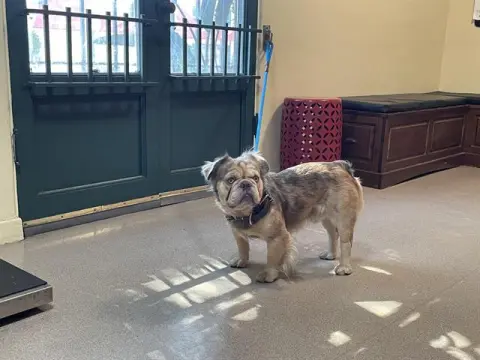
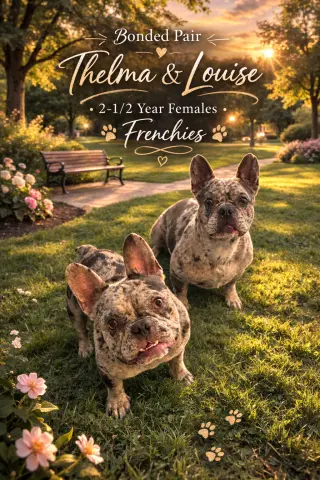
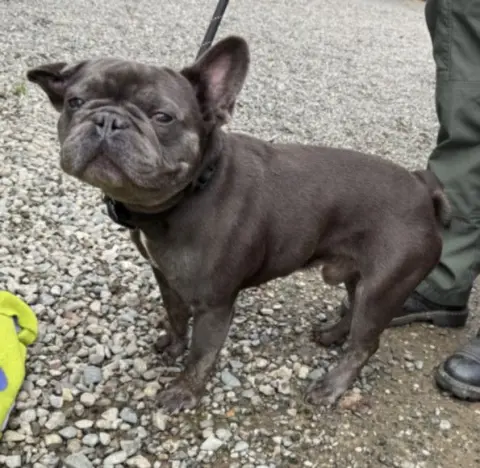
The French Bulldog — or "Frenchie" — descended from miniaturized English Bulldogs brought to France by lace workers during the Industrial Revolution, where they were crossed with local ratters and developed into the bat-eared companion we know today. Standing 11–13 inches tall and weighing under 28 pounds, these compact, muscular dogs have a smooth, short coat in brindle, fawn, white, cream, and various pied combinations. Their oversized bat ears, flat face, and stocky build give them an irresistibly comical appearance that has made them one of the most popular breeds worldwide.
French Bulldogs are playful, alert, and adaptable — equally happy clowning around the living room or snoozing on their owner's lap for hours. They are affectionate without being clingy and generally get along well with children, other dogs, and strangers alike. Their easygoing nature and moderate energy level make them one of the most versatile companion breeds for urban dwellers.
Fall in love with a charming Frenchie — explore French Bulldogs available for adoption on Puplister.
Answer 5 quick questions to see how well this breed matches your lifestyle.
4 pets available
1About the Cavalier King Charles Spaniel The Cavalier King Charles Spaniel traces its heritage to the toy spaniels beloved by English royalty — King Charles II was so devoted to the breed that it bears his name. Standing 12–13 inches tall and weighing 13–18 pounds, the Cavalier is a graceful, well-balanced toy spaniel with large, round, dark eyes and a gentle, melting expression. Their silky, medium-length coat comes in four distinct color patterns — Blenheim (chestnut and white), tricolor, black-and-tan, and ruby — and features elegant feathering on the ears, chest, legs, and tail.Temperament & PersonalityCavaliers are gentle, affectionate, and remarkably adaptable — they are equally happy curled up on a lap or joining their owner for a brisk walk in the park. They are one of the most universally friendly breeds, greeting strangers, children, other dogs, and even cats with a wagging tail and a joyful expression. Their sweet, eager-to-please nature makes them excellent therapy dogs and wonderful companions for seniors, families, and first-time dog owners alike.ProsExceptionally gentle and affectionate — one of the best lap dogs and therapy dogs availableHighly adaptable to various lifestyles — equally content in apartments or country homesFriendly with everyone — strangers, children, other dogs, and catsEasy to train with positive reinforcement due to their eager-to-please temperamentConsExtremely prone to mitral valve disease — nearly all Cavaliers develop heart murmurs by age 10Susceptible to syringomyelia, a painful neurological condition caused by skull malformationCannot be trusted off-leash due to spaniel hunting instincts and lack of street awarenessProne to separation anxiety — they do not cope well being left alone for extended periodsFew breeds match the Cavalier's gentle, loving spirit — find adoptable Cavalier King Charles Spaniels on Puplister and experience their magic firsthand.

1 pet available
About the Portuguese Water Dog The Portuguese Water Dog was developed centuries ago along Portugal's coast, where it served as an indispensable fisherman's companion — herding fish into nets, retrieving lost tackle, and swimming messages between boats. These robust, medium-sized dogs stand 17 to 23 inches tall and weigh 35 to 60 pounds, with a strong, muscular build optimized for swimming. Their coat comes in two varieties — curly or wavy — in black, white, brown, or combinations thereof, and grows continuously like human hair rather than shedding seasonally. Temperament & Personality Portuguese Water Dogs are spirited, obedient, and deeply bonded to their families — they thrive on being included in activities and do not do well relegated to the backyard. They are playful and patient with children, typically friendly with other dogs, and possess an enthusiasm for life that is both infectious and demanding. Their intelligence and eagerness to work make them highly trainable, though they need a job or purpose to remain content. Pros Low-shedding, hypoallergenic-type coat suitable for many allergy sufferersOutstanding swimming ability and love of water activitiesHighly trainable, biddable, and eager to pleaseRobust health with a lifespan of 11 to 13 years Cons High exercise demands — needs vigorous daily activity including swimming when possibleCoat requires regular professional grooming every 4 to 6 weeksCan become mouthy and destructive if under-stimulated or left alone too longProne to hip dysplasia, progressive retinal atrophy, and GM1 storage disease A water-loving, people-devoted companion awaits — explore Portuguese Water Dog listings on Puplister.
1 pet available
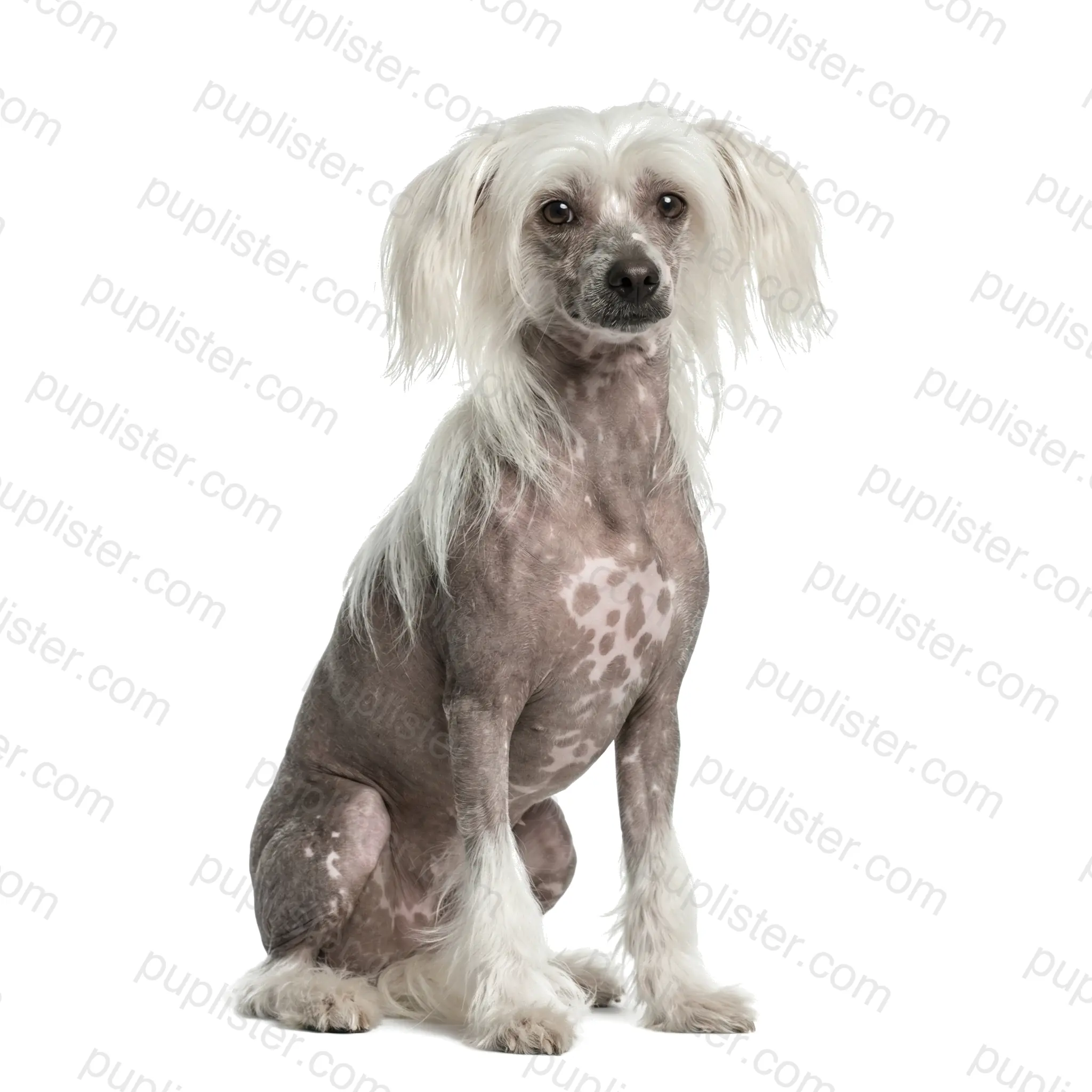
About the Chinese Crested The Chinese Crested is one of the most visually striking toy breeds, coming in two distinct varieties — the Hairless, with silky hair only on the head, feet, and tail, and the Powderpuff, covered in a soft, flowing double coat. Weighing 8–12 pounds and standing 11–13 inches tall, these elegant dogs likely originated in Africa before being refined by Chinese traders who used them as ratters on ships. The Hairless variety's exposed skin can be solid or spotted in shades of pink, black, slate, and chocolate.Temperament & PersonalityChinese Cresteds are deeply affectionate and almost cat-like in their love of perching on high surfaces and curling up under blankets. They're remarkably attuned to their owner's emotions — often described as velcro dogs who follow their person from room to room. They generally get along well with other pets and gentle children, though they can be timid around strangers without proper socialization.ProsHairless variety is ideal for allergy sufferers — produces minimal danderLow exercise needs — happy with short walks and indoor play sessionsExceptionally clean dogs with virtually no doggy odorHighly adaptable to apartment living and small spacesConsHairless variety requires sunscreen, moisturizer, and skin care to prevent acne and sunburnProne to dental issues — Hairless variety often has missing or crowded teethSusceptible to cold temperatures and needs protective clothing in winterCan develop severe separation anxiety if left alone for extended periodsLooking for an affectionate and unique companion? Check out Chinese Crested dogs available for adoption on Puplister.
4 pets available
About the Havanese The Havanese — Cuba's only native breed — descended from the now-extinct Blanquito de la Habana and was the cherished lapdog of Havana's aristocracy for centuries before Cuban refugees brought them to America in the 1960s. Standing 8.5–11.5 inches tall and weighing 7–13 pounds, these small but sturdy dogs have a long, silky, lightweight coat that comes in every color imaginable — including white, cream, gold, black, silver, chocolate, and various parti-color combinations. Their coat is designed to insulate against tropical heat rather than cold, giving it a uniquely airy, flowing quality.Temperament & PersonalityHavanese are cheerful, outgoing, and deeply people-oriented — natural entertainers who thrive on being the center of attention. They are remarkably adaptable and sociable, getting along effortlessly with children, other dogs, cats, and even strangers who receive a warm, tail-wagging welcome. Their playful, clownish nature and expressive faces make them exceptional companion dogs — they're sometimes called "velcro dogs" for their habit of following their owners everywhere.ProsLow-shedding coat is well-suited for allergy-sensitive householdsExcellent with children and other pets — gentle, patient, and playfulHighly trainable and eager to please — respond well to positive reinforcementAdaptable to any living situation — equally happy in apartments or homes with yardsConsLong coat requires daily brushing and regular professional grooming to prevent mattingProne to severe separation anxiety — can become destructive or develop excessive barking when left aloneSusceptible to patellar luxation, cataracts, and Legg-Calve-Perthes diseaseCan be difficult to housebreak — small bladder and sensitive temperament complicate trainingBring the sunshine of Havana into your home — find Havanese dogs waiting for families on Puplister.
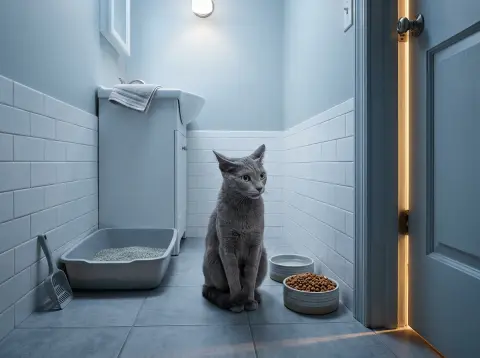
Adopted cat meowing all night? Discover why it happens, how to create a calm environment, and a realistic timeline to quiet nighttime meows.
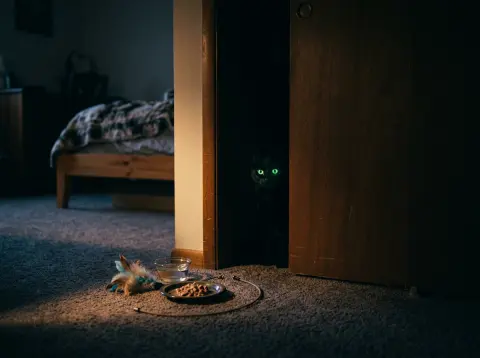
Is your adopted cat not eating? Learn the causes, from stress to past trauma, and discover practical solutions to get your new feline friend eating again.
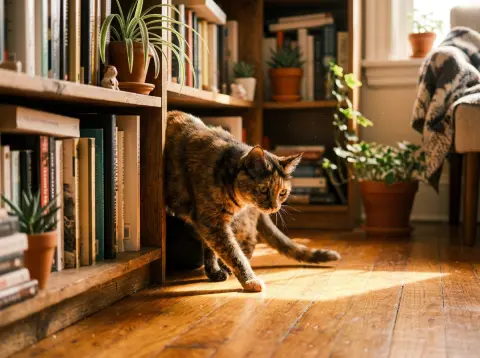
Is your new cat hiding and won't come out? It's normal, but proactive steps can help. Learn how to build trust with your shy adopted cat.
Discover how long it takes for a rescue cat to feel at home with our experienced guide, covering the 3-3-3 rule and actionable tips.