Adopted Cat Meowing All Night: How to Stop It
Adopted cat meowing all night? Discover why it happens, how to create a calm environment, and a realistic timeline to quiet nighttime meows.
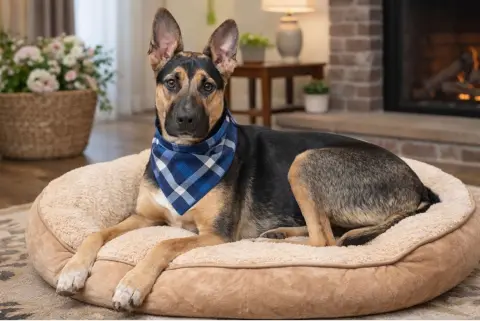
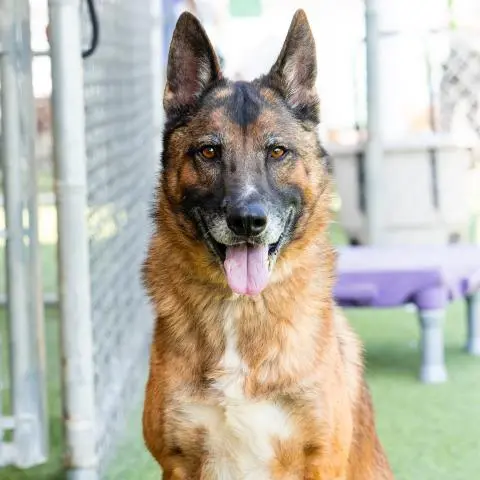
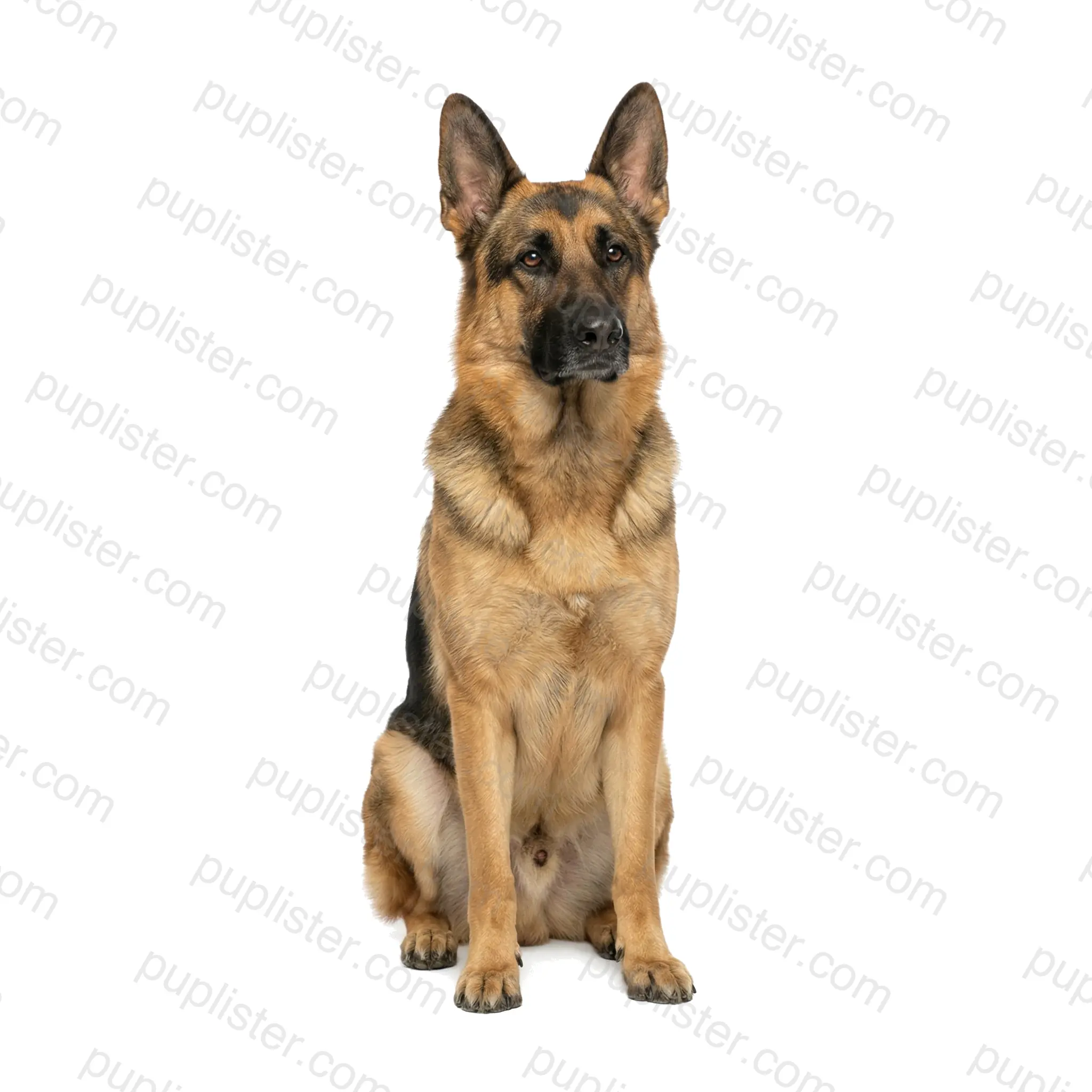
The German Shepherd Dog — created by Captain Max von Stephanitz in 1899 — was meticulously developed to be the ultimate herding and working dog, combining intelligence, strength, and versatility in one powerful package. Standing 22–26 inches tall and weighing 50–90 pounds, this noble breed has a dense double coat most commonly seen in black and tan, though sable, all-black, and bi-color variations also occur. German Shepherds are the world's leading police, military, and service dog breed — a testament to their extraordinary trainability and work ethic.
German Shepherds are confident, courageous, and deeply loyal — forming an unbreakable bond with their handler or family. They are naturally protective and will position themselves between their family and any perceived threat without hesitation. With proper socialization, they are excellent with children in their household — patient and watchful — though their herding instinct may lead them to nip at the heels of running kids.
Find a loyal and capable German Shepherd Dog ready to join your family — start your search on Puplister.
Answer 5 quick questions to see how well this breed matches your lifestyle.
21 pets available
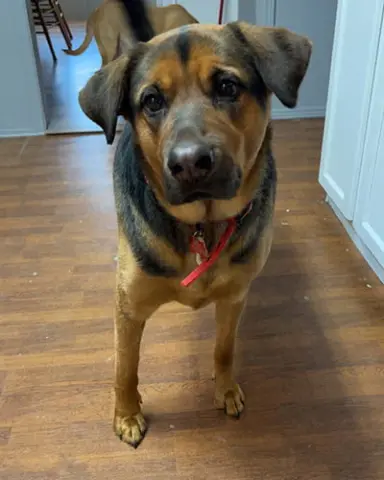
About the Doberman Pinscher Created by German tax collector Karl Friedrich Louis Dobermann in the 1890s, the Doberman Pinscher was engineered to be the ideal personal protection dog — combining speed, strength, intelligence, and unwavering loyalty. Standing 24–28 inches tall and weighing 60–100 pounds, this sleek, powerful breed has a short, smooth coat in black, red, blue, or fawn — always with distinctive rust markings. The Doberman's athletic, wedge-shaped silhouette and alert expression project an air of nobility and capability that few breeds can match.Temperament & PersonalityDobermans are often called "velcro dogs" for their intense devotion to their owners — they want to be by your side at all times and are remarkably attuned to household dynamics. Beneath their imposing exterior lies a sensitive, affectionate dog that thrives on companionship and wilts under harsh treatment. They are naturally protective without being aggressive and are surprisingly gentle and patient with children in their own family.ProsRanked as the 5th most intelligent dog breed — learns new commands in under 5 repetitionsExceptional natural guard dog — protective instincts require no specialized trainingMinimal grooming needs — short coat stays clean with occasional brushingAthletic and versatile — excels in Schutzhund, obedience, agility, and therapy workConsProne to dilated cardiomyopathy — the leading cause of death in the breed, affecting up to 58%Susceptible to von Willebrand's disease, a blood clotting disorderCan develop separation anxiety and destructive behaviors if left alone for long periodsRequires firm, experienced handling — not suitable for passive or first-time ownersLooking for a devoted protector and loyal family companion? Explore Doberman Pinschers on Puplister.
14 pets available
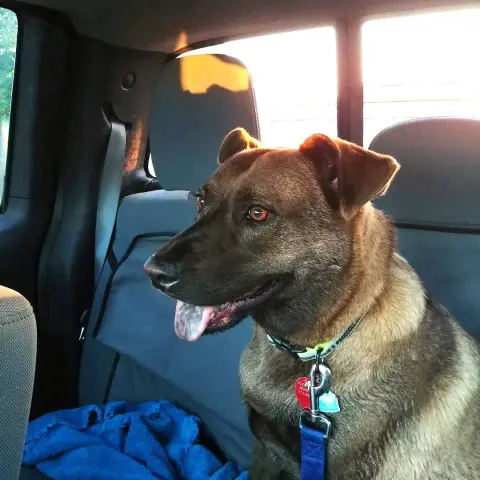
1About the Plott Hound The Plott Hound is the official state dog of North Carolina, descended from Hanoverian Schweisshunds brought to the Appalachian Mountains by German immigrant Johannes Plott in 1750. These athletic, muscular hounds stand 20 to 25 inches tall and weigh 40 to 60 pounds, built for endurance and tenacity on the trail. Their short to medium-length, glossy coat is most commonly brindle — ranging from yellow to chocolate to black brindle — though solid colors also occur. Temperament & Personality Plott Hounds are courageous, loyal, and determined — originally bred to track and tree bears, they possess a tenacious drive that can be both impressive and challenging. With their families, they are affectionate, eager to please, and surprisingly gentle, often forming deep bonds with their primary caretaker. They generally do well with children and other dogs, especially when raised together, though their strong prey drive means caution around cats and small animals. Pros Exceptional stamina and athleticism for hiking and outdoor adventuresLoyal and protective without being overly aggressive toward peopleLow-maintenance coat that requires only occasional brushingHealthier than many purebreds with a lifespan of 12 to 14 years Cons Loud, baying voice that carries long distances — not suited for noise-sensitive neighborhoodsStrong prey drive makes reliable off-leash recall very difficultCan be stubborn and single-minded when tracking a scentRequires substantial daily exercise — at least 60 minutes of vigorous activity The Plott Hound is a hidden gem among sporting breeds — discover one looking for a forever home on Puplister.
2 pets available
1About the Vizsla The Vizsla is Hungary's national dog, with origins tracing back over 1,000 years to the Magyar tribes who settled the Carpathian Basin and needed a versatile pointer-retriever for the plains. These lean, athletic dogs stand 21 to 24 inches tall and weigh 44 to 60 pounds, with a distinctively sleek, muscular build and an elegant, ground-covering gait. Their short, smooth coat comes exclusively in various shades of golden rust — from sandy gold to deep russet — with no undercoat, giving them a clean, low-maintenance appearance. Temperament & Personality Vizslas are affectionate, energetic, and extraordinarily people-oriented — often called "Velcro dogs" because they want to be in constant physical contact with their owners. They are gentle and patient with children, friendly with other dogs, and possess a sensitivity that makes them responsive to their family's moods. Vizslas form such intense bonds that they can suffer severe separation anxiety if left alone regularly — they truly need to be included in daily family life. Pros Exceptionally affectionate and forms deep, devoted bonds with familyVersatile athlete — excels in hunting, agility, dock diving, and trackingLow-maintenance coat with minimal shedding and no doggy odorGentle, sensitive nature makes them excellent therapy dogs Cons Severe separation anxiety — cannot tolerate being left alone for long periodsExtremely high exercise needs — requires 1 to 2 hours of vigorous activity dailyProne to epilepsy, hip dysplasia, and lymphosarcomaThin coat and low body fat make them uncomfortable in cold weather If you want a devoted, athletic companion who'll never leave your side, find your Vizsla on Puplister.
3 pets available
1About the Weimaraner The Weimaraner was developed in the early 19th century at the court of Weimar in Germany, where nobles bred these dogs to hunt large game — boar, bear, and deer — before transitioning them to bird dog duties as large game became scarce. These striking, athletic dogs stand 23 to 27 inches tall and weigh 55 to 90 pounds, with a sleek, powerful build designed for speed and endurance. Their distinctive short, smooth coat comes in shades of mouse-gray to silver-gray — earning them the nickname "Gray Ghost" — complemented by striking amber or blue-gray eyes. Temperament & Personality Weimaraners are fearless, friendly, and intensely devoted to their families — they crave human companionship and do not do well as kennel or outdoor-only dogs. They are energetic and playful with children, generally sociable with other dogs, and possess an intelligence that demands both physical and mental outlets. Without adequate exercise and attention, Weimaraners become anxious, destructive, and can develop severe behavioral problems. Pros Strikingly beautiful with an unmistakable silver-gray appearanceVersatile sporting dog — excellent for hunting, running, and competitive eventsHighly intelligent and trainable with consistent, positive methodsShort coat requires minimal grooming and sheds only moderately Cons Extreme separation anxiety — one of the most prone breeds to this conditionRequires intense daily exercise — 2 or more hours of vigorous activity is typicalProne to bloat (gastric torsion), hip dysplasia, and hyperuricosuriaCan be destructive on a grand scale when bored or anxious — has been known to eat through drywall The "Gray Ghost" is a magnificent companion for the active and committed — discover Weimaraners on Puplister.
Adopted cat meowing all night? Discover why it happens, how to create a calm environment, and a realistic timeline to quiet nighttime meows.
Is your adopted cat not eating? Learn the causes, from stress to past trauma, and discover practical solutions to get your new feline friend eating again.
Is your new cat hiding and won't come out? It's normal, but proactive steps can help. Learn how to build trust with your shy adopted cat.
Discover how long it takes for a rescue cat to feel at home with our experienced guide, covering the 3-3-3 rule and actionable tips.