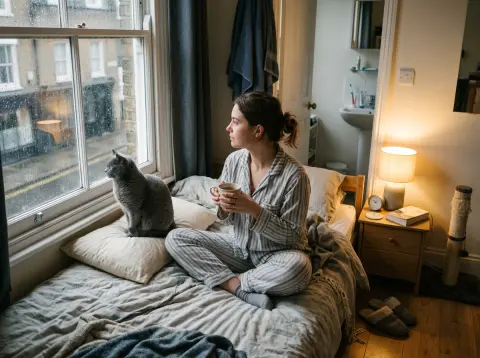
Adopted Cat Meowing All Night: How to Stop It
Adopted cat meowing all night? Discover why it happens, how to create a calm environment, and a realistic timeline to quiet nighttime meows.
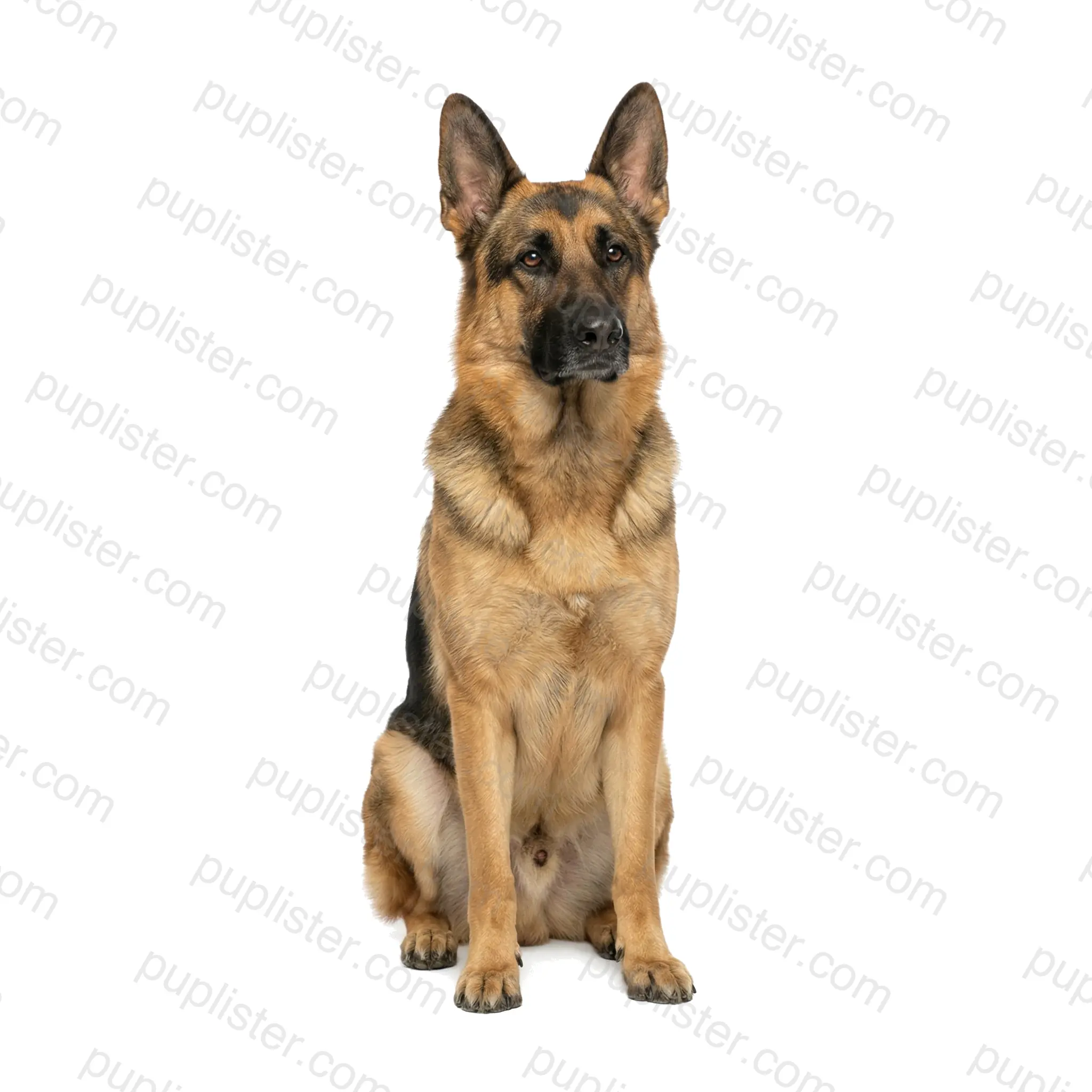
The German Shepherd Dog — created by Captain Max von Stephanitz in 1899 — was meticulously developed to be the ultimate herding and working dog, combining intelligence, strength, and versatility in one powerful package. Standing 22–26 inches tall and weighing 50–90 pounds, this noble breed has a dense double coat most commonly seen in black and tan, though sable, all-black, and bi-color variations also occur. German Shepherds are the world's leading police, military, and service dog breed — a testament to their extraordinary trainability and work ethic.
German Shepherds are confident, courageous, and deeply loyal — forming an unbreakable bond with their handler or family. They are naturally protective and will position themselves between their family and any perceived threat without hesitation. With proper socialization, they are excellent with children in their household — patient and watchful — though their herding instinct may lead them to nip at the heels of running kids.
Find a loyal and capable German Shepherd Dog ready to join your family — start your search on Puplister.
Answer 5 quick questions to see how well this breed matches your lifestyle.
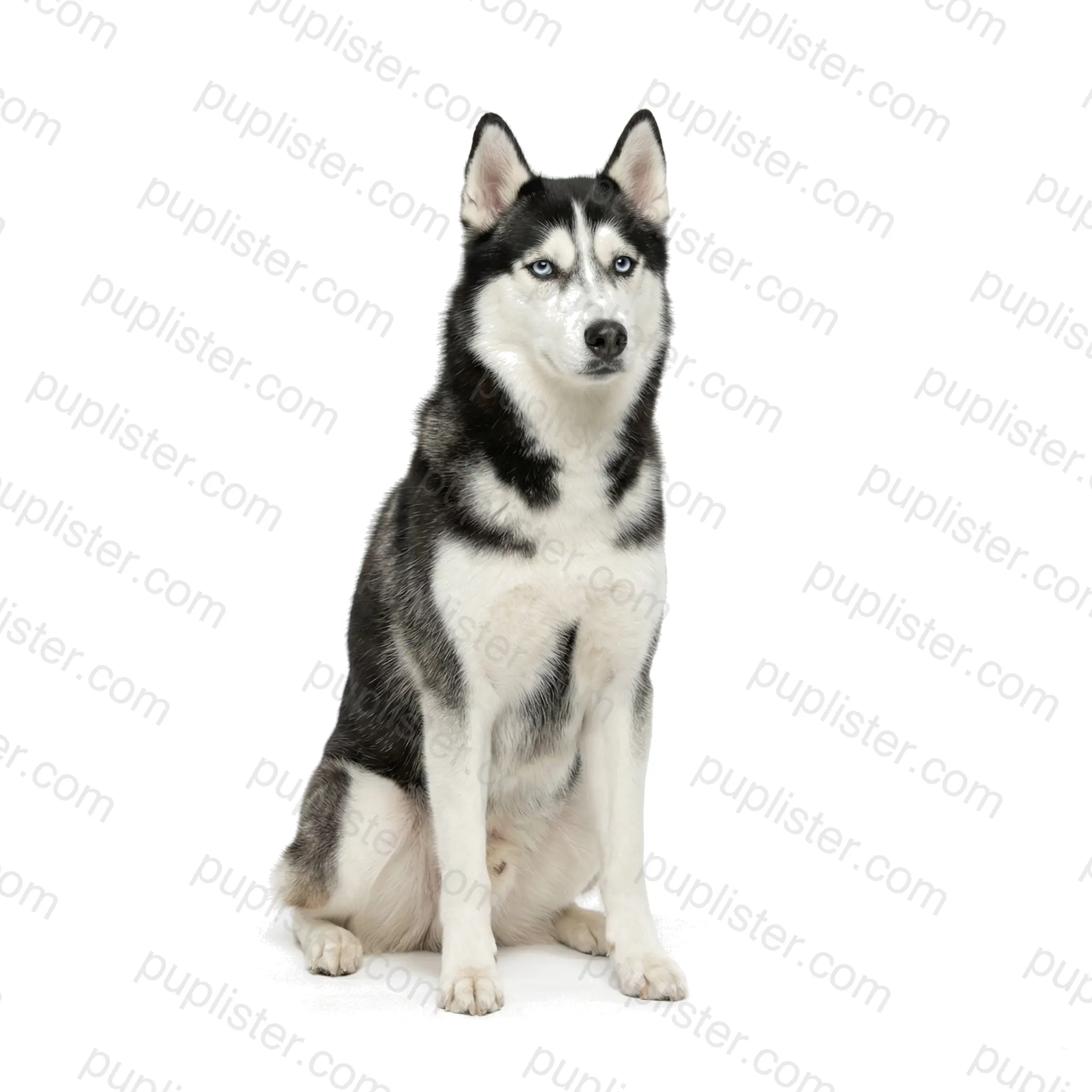
German Shepherd Dog / Siberian Husky
5 pets available
About the Redbone Coonhound The Redbone Coonhound was developed in the southern United States during the late 18th century from red foxhounds brought by Scottish immigrants, refined over generations into a sleek, powerful trailing hound. These athletic dogs stand 21 to 27 inches tall and weigh 45 to 70 pounds, with a lean yet muscular build designed for stamina over rough terrain. Their rich, deep red coat — the breed's most distinctive feature — is short, smooth, and glossy, giving them a strikingly handsome appearance. Temperament & Personality Redbone Coonhounds are easygoing, affectionate, and remarkably gentle for a hunting breed — they love being around their people and are known for their mellow, agreeable disposition at home. They are excellent with children, typically friendly with other dogs, and possess a happy-go-lucky attitude that makes them wonderful family companions. On the trail, however, they become focused and driven, with a deep, melodious bay that carries for miles. Pros Gentle, laid-back temperament that makes them great family dogsStrikingly beautiful red coat with minimal grooming requirementsExcellent hiking and outdoor companion with tireless staminaGood with children, other dogs, and typically non-aggressive Cons Extremely vocal — deep baying and howling can disturb neighborsVery strong scent drive makes off-leash reliability nearly impossibleCan be slow to housetrain compared to many other breedsProne to hip dysplasia, ear infections due to long ears, and obesity The Redbone Coonhound's gentle soul and gorgeous coat are hard to resist — discover available Redbones on Puplister.
1 pet available
About the Goldendoodle The Goldendoodle — a deliberate cross between the Golden Retriever and Standard Poodle — emerged in the 1990s as breeders sought to combine the Golden's gentle temperament with the Poodle's low-shedding coat. They range widely in size — Miniature (15–35 pounds), Medium (35–50 pounds), and Standard (50–90 pounds) — standing anywhere from 13 to 24 inches tall depending on the Poodle parent's size. Their coats vary from wavy to curly in shades of cream, gold, apricot, red, chocolate, and black, with texture depending on which parent's genes dominate.Temperament & PersonalityGoldendoodles typically inherit the best of both parent breeds — the Golden's gentle, people-loving nature combined with the Poodle's keen intelligence and playful spirit. They are outgoing, social dogs that get along beautifully with children, other pets, and strangers, making them popular therapy and emotional support dogs. Their enthusiasm for life and goofy antics make them endlessly entertaining family companions.ProsLow to moderate shedding — curlier coats are more suitable for allergy-sensitive householdsInherits intelligence from both parent breeds — highly trainable and responsiveFriendly, gentle temperament makes them excellent therapy and emotional support dogsAvailable in multiple sizes to suit different living situations — from apartments to farmsConsCoat requires professional grooming every 6–8 weeks — annual grooming costs of $500–$1,200No breed standard means unpredictable size, coat type, and temperament — especially in early generationsCan inherit health issues from both parent breeds — hip dysplasia, eye problems, and von Willebrand'sHigh demand has led to irresponsible breeding practices — finding a reputable breeder requires diligenceA Goldendoodle might be the perfect blend of brains and love for your family — search available dogs on Puplister.
13 pets available
About the Basset Hound The Basset Hound was developed in France — the name comes from the French word "bas" meaning low — as a scent hound bred to track rabbits and hare through dense underbrush. Standing just 11–15 inches tall but weighing a substantial 40–65 pounds, the Basset is a heavy-boned, low-slung dog with the second-best nose in the canine world, surpassed only by the Bloodhound. Their short, smooth coat comes in classic tri-color, red-and-white, and lemon-and-white patterns, and while easy to brush, they are moderate shedders.Temperament & PersonalityBasset Hounds are famously easygoing, patient, and gentle — their laid-back demeanor makes them wonderful family dogs who get along with virtually everyone, including children and other pets. They are pack animals at heart and dislike being left alone for long periods, often expressing their displeasure with mournful howling. Despite their placid appearance, Bassets can be surprisingly stubborn, especially when they've caught an interesting scent.ProsGentle, patient temperament — excellent with children and other animalsLow exercise requirements compared to most hound breedsFriendly and sociable with strangers, other dogs, and even catsCharming, expressive face and endearing personality that wins hearts easilyConsProne to obesity without careful diet management due to their low activity levelLoud, deep bay and howl that can disturb neighborsEars require frequent cleaning to prevent chronic ear infectionsSusceptible to intervertebral disc disease, bloat, and glaucomaA Basset Hound's soulful eyes and gentle heart might be exactly what your family needs — find adoptable Basset Hounds on Puplister.
5 pets available
About the Chow Chow One of the most ancient dog breeds in existence, the Chow Chow originated in northern China over 2,000 years ago — where they served as temple guards, sled pullers, and hunting dogs. This sturdy, lion-like breed stands 17–20 inches tall, weighs 45–70 pounds, and is instantly recognizable by its dense double coat, deep-set eyes, and distinctive blue-black tongue. Chow Chows come in five colors — red, black, blue, cinnamon, and cream — with either a rough or smooth coat variety.Temperament & PersonalityChow Chows are often compared to cats in their independent, dignified, and somewhat aloof demeanor. They are fiercely loyal to their family but maintain a reserved — sometimes suspicious — attitude toward strangers, making them formidable natural guard dogs. While devoted to their owners, they are not typically playful or demonstrative and may bond most closely with just one person in the household.ProsNaturally clean dogs — often housebreak themselves with minimal effortQuiet breed that rarely barks without reason — excellent for noise-sensitive living situationsStrong territorial instincts provide reliable home protection without guard trainingLow exercise requirements compared to similarly sized breeds — content with moderate daily walksConsExtremely strong-willed and resistant to traditional obedience training methodsHeavy shedding — especially during seasonal coat blows that last several weeksProne to entropion, hip dysplasia, and autoimmune thyroiditisCan be aggressive toward other dogs and requires extensive early socializationIf a loyal, independent guardian sounds like your ideal match, browse Chow Chows ready for adoption on Puplister now.
Adopted cat meowing all night? Discover why it happens, how to create a calm environment, and a realistic timeline to quiet nighttime meows.
Is your adopted cat not eating? Learn the causes, from stress to past trauma, and discover practical solutions to get your new feline friend eating again.
Is your new cat hiding and won't come out? It's normal, but proactive steps can help. Learn how to build trust with your shy adopted cat.
Discover how long it takes for a rescue cat to feel at home with our experienced guide, covering the 3-3-3 rule and actionable tips.