Golden Retriever Golden Retriever

Golden Retriever

1
Friendly Reliable Trustworthy Kind

About the Golden Retriever

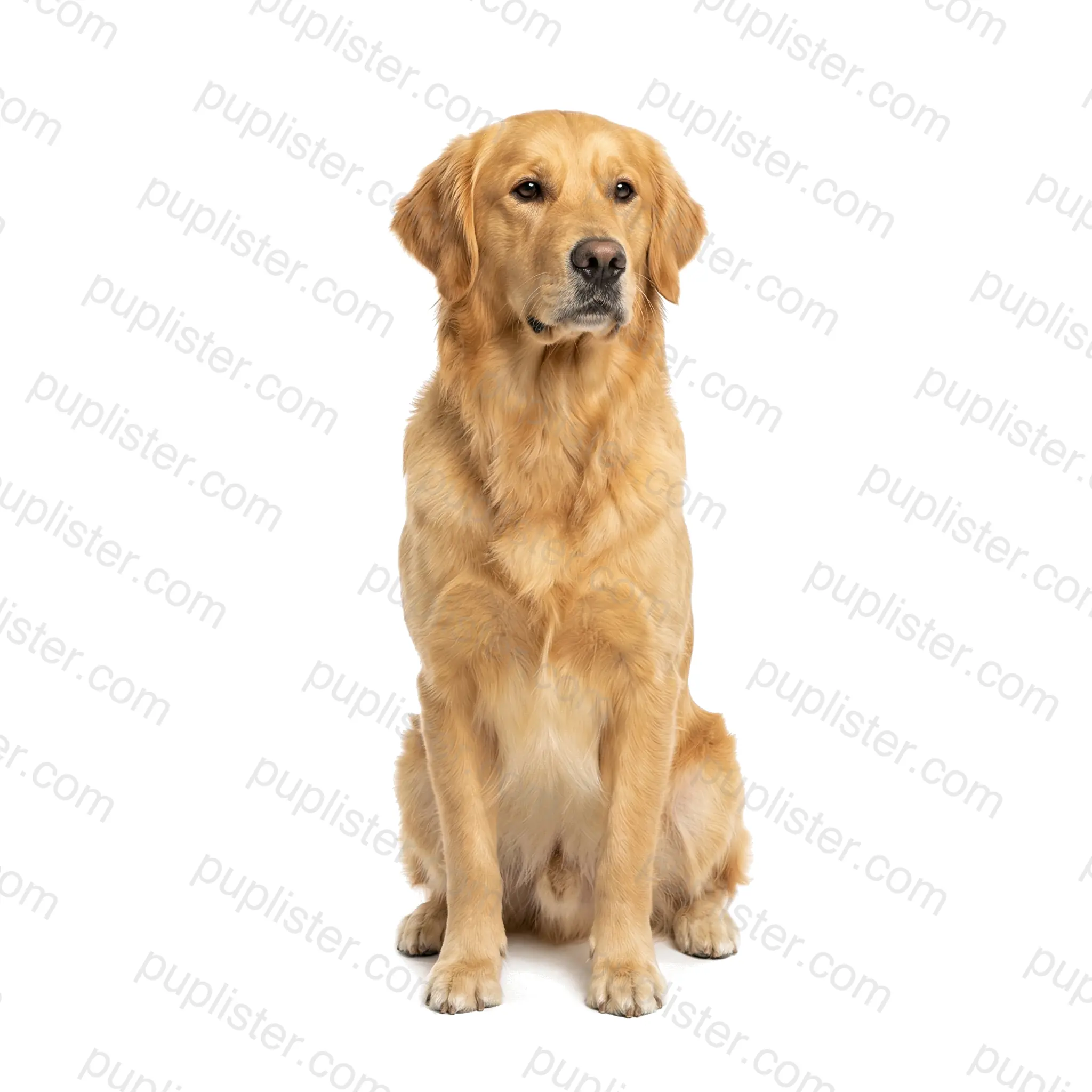
The Golden Retriever was developed in the Scottish Highlands by Lord Tweedmouth during the mid-19th century, who crossed a Yellow Retriever with the now-extinct Tweed Water Spaniel to create the ultimate waterfowl hunting companion. Standing 21.5–24 inches tall and weighing 55–75 pounds, these iconic dogs wear a lustrous, water-repellent double coat in shades ranging from light cream to deep gold. Their gentle expression, athletic build, and flowing feathered coat have made them one of the three most popular breeds in America for decades running.

Temperament & Personality

Golden Retrievers are the gold standard of family dogs — trustworthy, patient, and endlessly forgiving with children of all ages. They possess an innate desire to please that makes them exceptionally trainable and a joy to live with, whether as a first-time owner's companion or a seasoned handler's working partner. Their friendly, tolerant attitude extends to strangers, other dogs, and household pets — they seem to genuinely believe every person and animal they meet is a friend.

Pros

  • Universally gentle temperament — consistently ranked among the best breeds for families with children
  • Highly intelligent and eager to please — excel in obedience, therapy, service, and search and rescue
  • Patient and forgiving nature makes them ideal for first-time dog owners
  • Social and friendly with virtually everyone — dogs, cats, strangers, and guests alike

Cons

  • Cancer affects approximately 60% of Golden Retrievers — the highest rate of any breed
  • Heavy shedding year-round with seasonal coat blows that cover furniture and clothing
  • Prone to hip and elbow dysplasia, heart disease, and eye conditions
  • Mouthy breed — will carry and chew objects constantly, especially during puppyhood

There's a reason Goldens are America's favorite — find Golden Retrievers looking for homes on Puplister.

Golden Retriever Quick Facts

Size
55–75 lbs, 21–24 in
Lifespan
10–12 years
Exercise
High
Grooming
Moderate
Good with Kids
Yes
Good with Pets
Yes

Is the Golden Retriever right for you?

Answer 5 quick questions to see how well this breed matches your lifestyle.

Take the Quiz

Available Golden Retrievers

Honeysuckle
Young

Golden Retriever / Labrador Retriever

Matty's Heart & Soul Animal Rescue · Robbinsdale, MN
Lucy
Adult
Lucy
M

Border Collie / Golden Retriever

Street Paws · Locust Grove, GA
Sweetie
Adult

Golden Retriever / Siberian Husky

Alaskan Animal Rescue Friends · Anchorage, AK
Dandelion
Young

Golden Retriever / Mixed

To Love A Canine Rescue · Kimberton, PA
Angelica
Baby

Golden Retriever

Harris County Pets · Houston, TX
Alex
Baby
Alex
S

Golden Retriever

Mountain Pet Rescue · Winter Park, CO
Colby
Baby
Colby
S

Golden Retriever

Mountain Pet Rescue · Winter Park, CO
Chloe
Baby
Chloe
S

Golden Retriever / German Shepherd Dog

Mountain Pet Rescue · Winter Park, CO
Evan
Baby
Evan
S

Golden Retriever

Mountain Pet Rescue · Winter Park, CO
Breezy
Baby
Breezy
S

Golden Retriever

Mountain Pet Rescue · Winter Park, CO
Eliza
Baby
Eliza
S

Golden Retriever

Harris County Pets · Houston, TX

Related Breeds

Doberman Pinscher

21 pets available

About the Doberman Pinscher Created by German tax collector Karl Friedrich Louis Dobermann in the 1890s, the Doberman Pinscher was engineered to be the ideal personal protection dog — combining speed, strength, intelligence, and unwavering loyalty. Standing 24–28 inches tall and weighing 60–100 pounds, this sleek, powerful breed has a short, smooth coat in black, red, blue, or fawn — always with distinctive rust markings. The Doberman's athletic, wedge-shaped silhouette and alert expression project an air of nobility and capability that few breeds can match.Temperament & PersonalityDobermans are often called "velcro dogs" for their intense devotion to their owners — they want to be by your side at all times and are remarkably attuned to household dynamics. Beneath their imposing exterior lies a sensitive, affectionate dog that thrives on companionship and wilts under harsh treatment. They are naturally protective without being aggressive and are surprisingly gentle and patient with children in their own family.ProsRanked as the 5th most intelligent dog breed — learns new commands in under 5 repetitionsExceptional natural guard dog — protective instincts require no specialized trainingMinimal grooming needs — short coat stays clean with occasional brushingAthletic and versatile — excels in Schutzhund, obedience, agility, and therapy workConsProne to dilated cardiomyopathy — the leading cause of death in the breed, affecting up to 58%Susceptible to von Willebrand's disease, a blood clotting disorderCan develop separation anxiety and destructive behaviors if left alone for long periodsRequires firm, experienced handling — not suitable for passive or first-time ownersLooking for a devoted protector and loyal family companion? Explore Doberman Pinschers on Puplister.

Wirehaired Pointing Griffon

5 pets available

1

About the Wirehaired Pointing Griffon The Wirehaired Pointing Griffon was developed in the late 19th century by Dutch breeder Eduard Karel Korthals, who meticulously crossed French and German griffons, setters, spaniels, and pointers to create what he considered the "supreme gundog." These medium-sized sporting dogs stand 20 to 24 inches tall and weigh 50 to 70 pounds, with a robust build that balances power with agility. Their distinctive coat features a harsh, wiry outer layer over a dense, water-resistant undercoat — typically in steel gray with brown markings, though roan, brown, and white and brown patterns also occur. Temperament & Personality Wirehaired Pointing Griffons are eager, devoted, and remarkably trainable — often called the "supreme gundog" not just for their versatile field skills but for their cooperative, people-focused temperament. They are gentle and patient with children, friendly with other dogs, and form strong bonds with every family member rather than fixating on a single person. Their enthusiasm for both work and play, combined with a gentle disposition, makes them outstanding all-around family companions for active households. Pros Versatile sporting dog — points, retrieves, and works in water and thick cover equally wellLow-shedding wiry coat suitable for allergy-conscious ownersDevoted and affectionate family dog with a gentle, trainable natureAdaptable and eager to please — excels in multiple canine sports and disciplines Cons High exercise requirements — needs vigorous daily activity and mental stimulationCoat requires regular hand-stripping or professional grooming to maintain textureCan become anxious, clingy, or destructive without adequate exercise and companionshipProne to hip dysplasia, progressive retinal atrophy, and ear infections The Wirehaired Pointing Griffon is a rare treasure among sporting breeds — see if one is available on Puplister.

Papillon
Papillon Dog

2 pets available

1

About the Papillon The Papillon — French for "butterfly," referring to its elegant fringed ears — traces its lineage to European toy spaniels depicted in Renaissance paintings as far back as the 16th century. These dainty yet sturdy dogs weigh just 5 to 10 pounds and stand 8 to 11 inches tall, ranking among the smallest of all breeds. Their long, silky, single-layer coat is white with patches of any color, and the breed also has a drop-eared variety known as the Phalène. Temperament & Personality Papillons are remarkably intelligent, lively, and confident — consistently ranked among the top 10 smartest dog breeds despite their diminutive stature. They are friendly and affectionate with their families, though they can be reserved with strangers until properly introduced. Papillons do well with gentle older children but may be too delicate for rough play with toddlers, and they often get along with other pets when socialized early. Pros Exceptionally intelligent and excels in obedience and agility competitionsNo undercoat means less shedding and easier maintenance than many breedsHardy and athletic despite tiny size — enjoys long walks and active playLong lifespan of 14 to 16 years with generally robust health Cons Fragile bone structure makes them vulnerable to injury from falls or rough handlingCan be yappy and difficult to quiet without early trainingSusceptible to patellar luxation, dental issues, and open fontanelsMay develop "small dog syndrome" if not given consistent boundaries Want a tiny dog with big brains and even bigger personality? Discover Papillons looking for homes on Puplister.

Cavalier King Charles Spaniel

4 pets available

2

About the Cavalier King Charles Spaniel The Cavalier King Charles Spaniel traces its heritage to the toy spaniels beloved by English royalty — King Charles II was so devoted to the breed that it bears his name. Standing 12–13 inches tall and weighing 13–18 pounds, the Cavalier is a graceful, well-balanced toy spaniel with large, round, dark eyes and a gentle, melting expression. Their silky, medium-length coat comes in four distinct color patterns — Blenheim (chestnut and white), tricolor, black-and-tan, and ruby — and features elegant feathering on the ears, chest, legs, and tail.Temperament & PersonalityCavaliers are gentle, affectionate, and remarkably adaptable — they are equally happy curled up on a lap or joining their owner for a brisk walk in the park. They are one of the most universally friendly breeds, greeting strangers, children, other dogs, and even cats with a wagging tail and a joyful expression. Their sweet, eager-to-please nature makes them excellent therapy dogs and wonderful companions for seniors, families, and first-time dog owners alike.ProsExceptionally gentle and affectionate — one of the best lap dogs and therapy dogs availableHighly adaptable to various lifestyles — equally content in apartments or country homesFriendly with everyone — strangers, children, other dogs, and catsEasy to train with positive reinforcement due to their eager-to-please temperamentConsExtremely prone to mitral valve disease — nearly all Cavaliers develop heart murmurs by age 10Susceptible to syringomyelia, a painful neurological condition caused by skull malformationCannot be trusted off-leash due to spaniel hunting instincts and lack of street awarenessProne to separation anxiety — they do not cope well being left alone for extended periodsFew breeds match the Cavalier's gentle, loving spirit — find adoptable Cavalier King Charles Spaniels on Puplister and experience their magic firsthand.

Related Articles

Frequently Asked Questions

What are the key traits of a Golden Retriever?
The Golden Retriever is known for being friendly, reliable, trustworthy and kind.
How many Golden Retrievers are available for adoption?
There are currently 23 Golden Retrievers available for adoption on Puplister. Browse the listings above to find your perfect match.
How do I adopt a Golden Retriever from Puplister?
To adopt a Golden Retriever, browse the available listings on this page, click on a pet you're interested in, and contact the shelter directly through their profile page.