Golden Retriever Golden Retriever

Golden Retriever

1
Friendly Reliable Trustworthy Kind

About the Golden Retriever

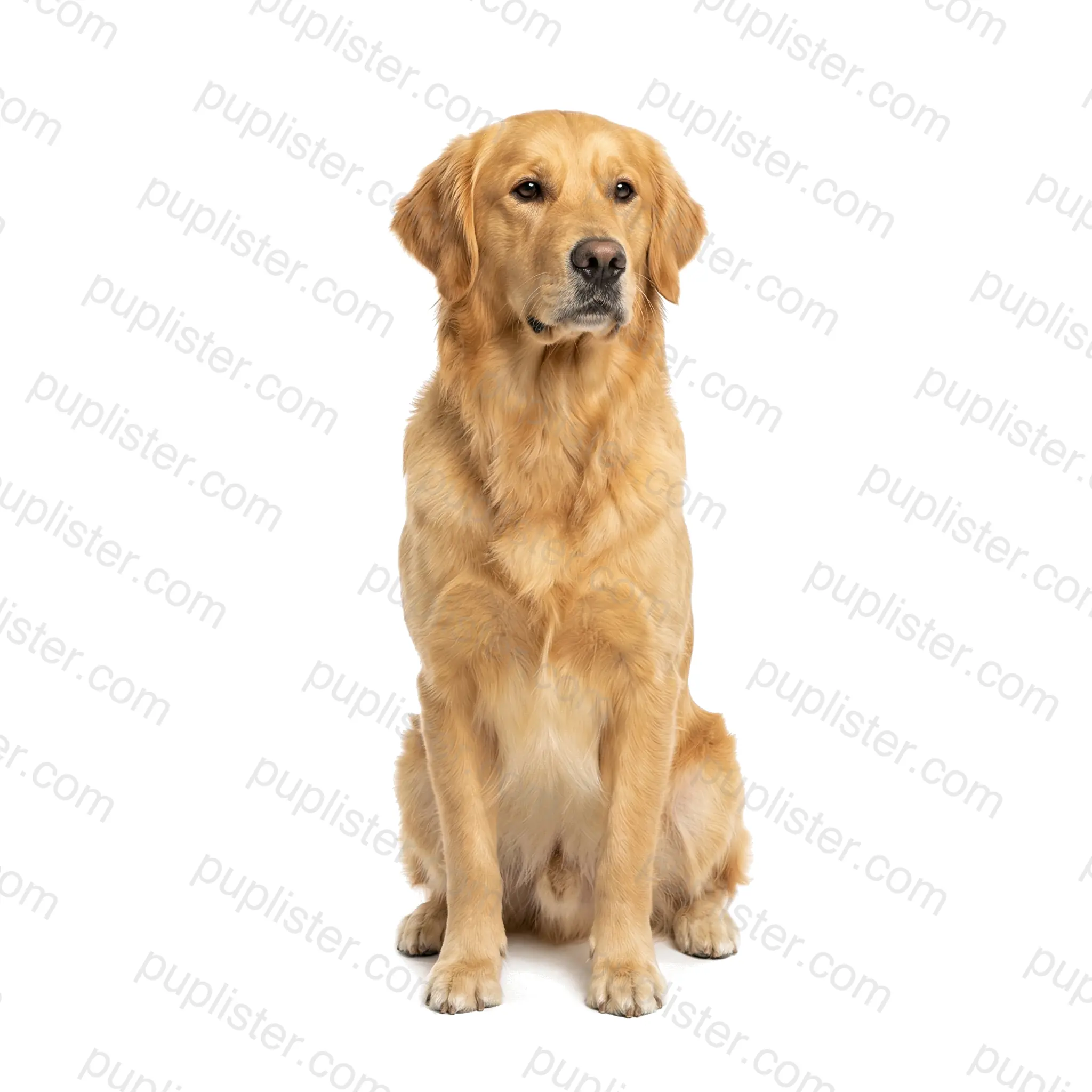
The Golden Retriever was developed in the Scottish Highlands by Lord Tweedmouth during the mid-19th century, who crossed a Yellow Retriever with the now-extinct Tweed Water Spaniel to create the ultimate waterfowl hunting companion. Standing 21.5–24 inches tall and weighing 55–75 pounds, these iconic dogs wear a lustrous, water-repellent double coat in shades ranging from light cream to deep gold. Their gentle expression, athletic build, and flowing feathered coat have made them one of the three most popular breeds in America for decades running.

Temperament & Personality

Golden Retrievers are the gold standard of family dogs — trustworthy, patient, and endlessly forgiving with children of all ages. They possess an innate desire to please that makes them exceptionally trainable and a joy to live with, whether as a first-time owner's companion or a seasoned handler's working partner. Their friendly, tolerant attitude extends to strangers, other dogs, and household pets — they seem to genuinely believe every person and animal they meet is a friend.

Pros

  • Universally gentle temperament — consistently ranked among the best breeds for families with children
  • Highly intelligent and eager to please — excel in obedience, therapy, service, and search and rescue
  • Patient and forgiving nature makes them ideal for first-time dog owners
  • Social and friendly with virtually everyone — dogs, cats, strangers, and guests alike

Cons

  • Cancer affects approximately 60% of Golden Retrievers — the highest rate of any breed
  • Heavy shedding year-round with seasonal coat blows that cover furniture and clothing
  • Prone to hip and elbow dysplasia, heart disease, and eye conditions
  • Mouthy breed — will carry and chew objects constantly, especially during puppyhood

There's a reason Goldens are America's favorite — find Golden Retrievers looking for homes on Puplister.

Golden Retriever Quick Facts

Size
55–75 lbs, 21–24 in
Lifespan
10–12 years
Exercise
High
Grooming
Moderate
Good with Kids
Yes
Good with Pets
Yes

Is the Golden Retriever right for you?

Answer 5 quick questions to see how well this breed matches your lifestyle.

Take the Quiz

Available Golden Retrievers

Honeysuckle
Young

Golden Retriever / Labrador Retriever

Matty's Heart & Soul Animal Rescue · Robbinsdale, MN
Lucy
Adult
Lucy
M

Border Collie / Golden Retriever

Street Paws · Locust Grove, GA
Sweetie
Adult

Golden Retriever / Siberian Husky

Alaskan Animal Rescue Friends · Anchorage, AK
Dandelion
Young

Golden Retriever / Mixed

To Love A Canine Rescue · Kimberton, PA
Angelica
Baby

Golden Retriever

Harris County Pets · Houston, TX
Alex
Baby
Alex
S

Golden Retriever

Mountain Pet Rescue · Winter Park, CO
Colby
Baby
Colby
S

Golden Retriever

Mountain Pet Rescue · Winter Park, CO
Chloe
Baby
Chloe
S

Golden Retriever / German Shepherd Dog

Mountain Pet Rescue · Winter Park, CO
Evan
Baby
Evan
S

Golden Retriever

Mountain Pet Rescue · Winter Park, CO
Breezy
Baby
Breezy
S

Golden Retriever

Mountain Pet Rescue · Winter Park, CO
Eliza
Baby
Eliza
S

Golden Retriever

Harris County Pets · Houston, TX

Related Breeds

Poodle
Poodle Dog

28 pets available

2

About the Poodle The Poodle — despite its association with France — likely originated in Germany as a water retriever, with the name derived from the German "pudeln" meaning "to splash." The breed comes in three AKC-recognized sizes: Standard (over 15 inches, 40 to 70 pounds), Miniature (10 to 15 inches, 10 to 15 pounds), and Toy (under 10 inches, 4 to 6 pounds). Their dense, curly, single-layer coat is virtually non-shedding and comes in a wide array of solid colors including white, black, apricot, silver, blue, and café au lait. Temperament & Personality Poodles are among the most intelligent dog breeds in the world — ranked second only to the Border Collie — with an exceptional ability to learn commands and solve problems. All three sizes are active, proud, and eager to please, forming strong bonds with their families and excelling in virtually every canine sport and discipline. They are generally good with children and other pets, with Standards being the most laid-back and Toys tending to be the most sensitive. Pros Non-shedding coat produces less dander — widely recommended for allergy sufferersExceptionally intelligent and versatile — excels in obedience, agility, and therapy workThree size varieties allow matching to nearly any living situationAthletic and energetic with excellent longevity across all sizes Cons Coat requires professional grooming every 4 to 6 weeks without exceptionProne to hip dysplasia (Standards), epilepsy, and Addison's diseaseCan develop separation anxiety and neurotic behaviors without mental stimulationSensitive temperament requires gentle, consistent training methods Whether you prefer Standard, Miniature, or Toy — your perfect Poodle match could be on Puplister right now.

Border Terrier

4 pets available

About the Border Terrier The Border Terrier hails from the border country between England and Scotland, where it was bred to bolt foxes from their dens while keeping pace with mounted hunters and their hounds. One of the smaller terrier breeds, it stands 12–15 inches tall and weighs 11.5–15.5 pounds, with a compact, narrow body designed to squeeze into fox burrows. Their distinctive otter-shaped head and wiry, weather-resistant double coat — which comes in red, grizzle-and-tan, blue-and-tan, or wheaten — give them a charmingly scruffy appearance.Temperament & PersonalityBorder Terriers are affectionate, plucky, and adaptable — they have all the tenacity of a terrier but with a softer, more biddable temperament that makes them excellent family companions. They are good with children and generally get along better with other dogs than many terrier breeds. However, their strong prey drive means they cannot be trusted around small animals like hamsters, rabbits, or guinea pigs.ProsAdaptable to both country and city living — they adjust well to apartments with adequate exerciseMore trainable and less confrontational than many terrier breedsLow-shedding wiry coat that requires only periodic hand-strippingRobust and healthy with a long lifespan of 12–15 yearsConsStrong prey drive — they will chase squirrels, cats, and small animals relentlesslyCan be expert diggers and escape artists if left in a yard unsupervisedHand-stripping the coat is time-consuming, and clipping changes the coat texture permanentlyProne to canine epileptoid cramping syndrome (Spike's disease) and heart defectsThese scrappy, lovable terriers make wonderful companions — discover adoptable Border Terriers on Puplister.

Shetland Sheepdog

3 pets available

About the Shetland Sheepdog The Shetland Sheepdog — or "Sheltie" — was developed on Scotland's remote Shetland Islands, where harsh conditions favored smaller, efficient herding dogs that could thrive on limited resources. Standing 13 to 16 inches tall and weighing 15 to 25 pounds, Shelties resemble a miniature Rough Collie but are a distinct breed with their own standard and lineage. Their abundant double coat features a long, straight outer layer and dense undercoat, coming in sable, black, and blue merle — all typically with white and tan markings. Temperament & Personality Shetland Sheepdogs are incredibly intelligent, sensitive, and eager to please — consistently ranked among the top 10 most trainable dog breeds in the world. They are devoted to their families and particularly gentle with children, often forming an especially strong bond with one household member. Shelties can be reserved with strangers and may bark to alert their family, but their sensitivity and willingness to learn make them wonderful companions for patient, attentive owners. Pros Exceptionally intelligent — excels in agility, obedience, and herding competitionsGentle, affectionate, and outstanding with childrenCompact size with all the beauty and grace of a CollieLoyal and deeply bonded to their family Cons Heavy shedding — the dense double coat requires frequent brushing and sheds year-roundProne to excessive barking, especially when excited or alertingSusceptible to Collie eye anomaly, hip dysplasia, and dermatomyositisCan be timid and fearful without proper early socialization Shelties combine beauty, brains, and devotion in one elegant package — explore Shetland Sheepdog adoption options on Puplister.

Saint Bernard

1 pet available

About the Saint Bernard The Saint Bernard originated in the Swiss Alps at the Great St. Bernard Hospice, where monks bred these massive dogs for over 1,000 years to locate and rescue travelers lost in snowstorms along the treacherous mountain pass. Males typically stand 28 to 30 inches tall and weigh 140 to 180 pounds, though individuals exceeding 200 pounds are not uncommon. Their coat comes in two varieties — short-haired (smooth) and long-haired (rough) — both in white with red, mahogany, brindle, or brown markings. Temperament & Personality Saint Bernards are gentle, patient, and extraordinarily tolerant — their legendary devotion to humans extends to being remarkably careful and nurturing around children despite their massive size. They are friendly with strangers, other dogs, and household pets, possessing a calm, unflappable demeanor that makes them wonderful therapy dogs. While not aggressive, their sheer size and deep bark are often enough to deter unwanted visitors. Pros Exceptionally gentle and patient — one of the best giant breeds for families with childrenCalm, low-energy indoor demeanor despite enormous sizeFriendly and non-aggressive toward people and other animalsImposing presence provides natural deterrent without guard training Cons Legendary drooling — especially the loose-lipped, heavy-jowled individualsShort lifespan of 8 to 10 years, with some living even lessProne to hip and elbow dysplasia, bloat, osteosarcoma, and dilated cardiomyopathyEnormous food costs and substantial space requirements for comfortable living Few breeds embody devotion quite like the Saint Bernard — find one in need of a loving home on Puplister.

Related Articles

Frequently Asked Questions

What are the key traits of a Golden Retriever?
The Golden Retriever is known for being friendly, reliable, trustworthy and kind.
How many Golden Retrievers are available for adoption?
There are currently 23 Golden Retrievers available for adoption on Puplister. Browse the listings above to find your perfect match.
How do I adopt a Golden Retriever from Puplister?
To adopt a Golden Retriever, browse the available listings on this page, click on a pet you're interested in, and contact the shelter directly through their profile page.