Great Pyrenees Great Pyrenees

Great Pyrenees

2
Calm Patient Gentle Protective

About the Great Pyrenees

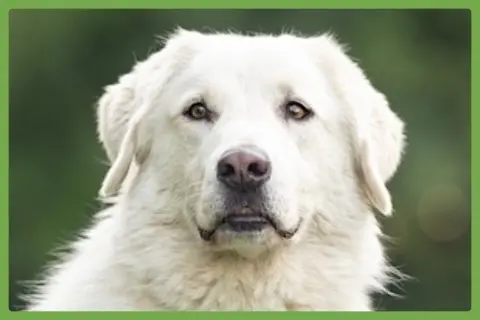
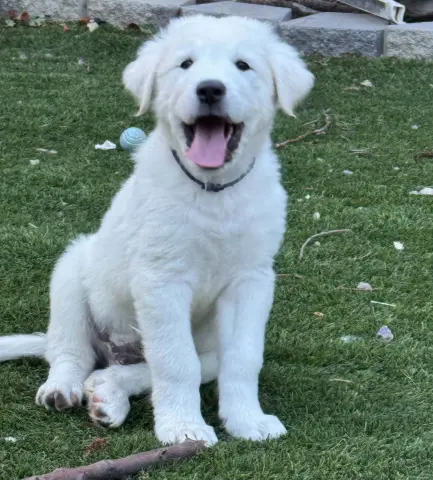
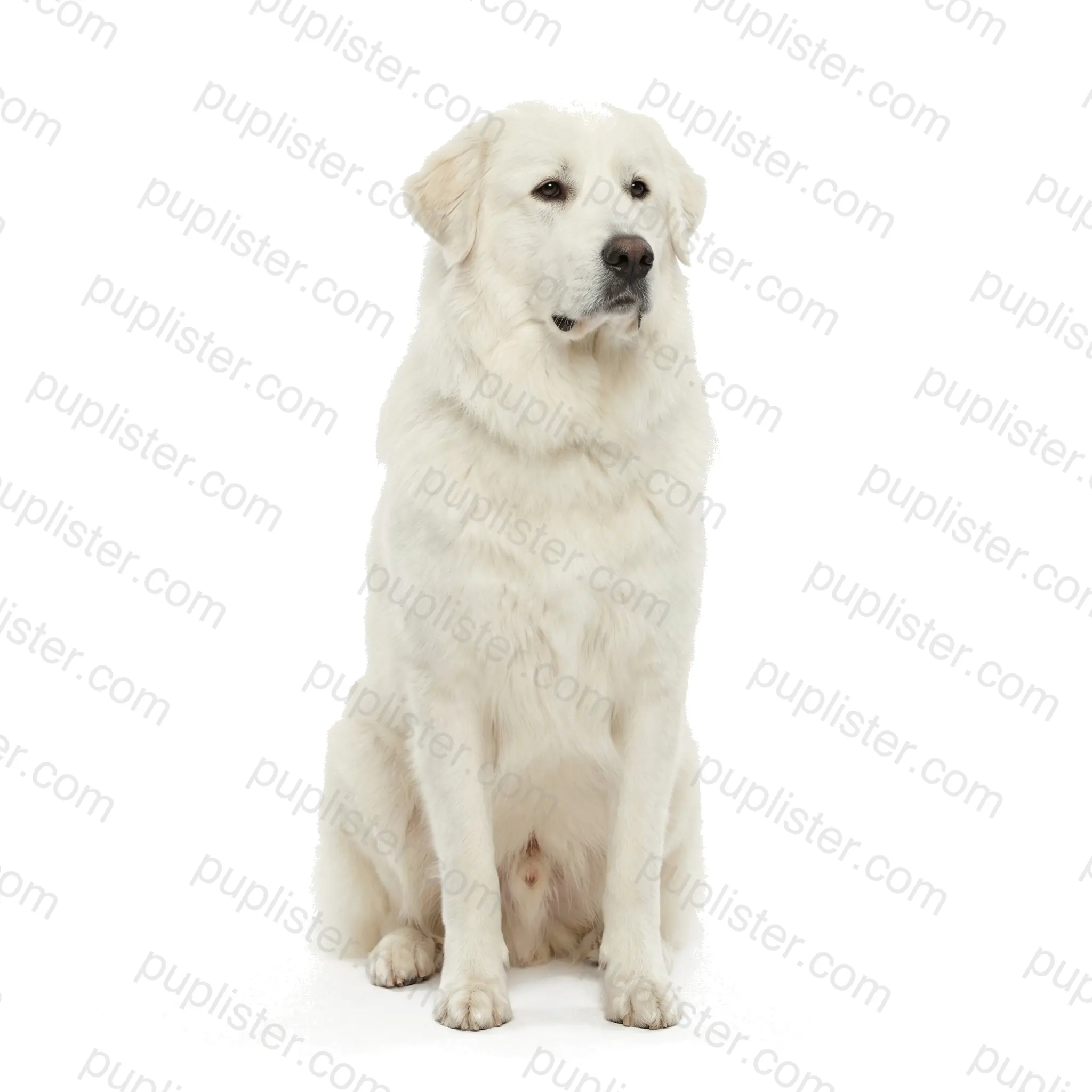
The Great Pyrenees — named for the Pyrenees Mountains between France and Spain where they guarded flocks for centuries — is a majestic, powerful livestock guardian with roots stretching back thousands of years to ancient Asia Minor. Standing 25–32 inches tall and weighing 85–115 pounds, these imposing dogs wear a thick, weather-resistant double coat that is predominantly white, sometimes with markings of badger, gray, reddish-brown, or tan. Their calm, regal bearing and abundant white coat give them an almost bear-like appearance that commands respect.

Temperament & Personality

Great Pyrenees are independent, patient, and serenely confident — bred for millennia to make their own decisions while guarding flocks without human direction. They are gentle and affectionate with their families, particularly protective of children, whom they tend to view as part of their "flock." However, their independent guardian nature means they are not eager-to-please dogs — they will consider your commands and decide whether compliance serves their protective mission.

Pros

  • Exceptional livestock and property guardian — naturally protective without aggression training
  • Gentle and patient with children — instinctively nurturing toward young family members
  • Calm, low-energy indoors — content to rest and observe during the day
  • Thick coat insulates against both extreme cold and moderate heat

Cons

  • Notorious wanderers — will roam far from home if not contained by secure fencing
  • Heavy nocturnal barking — bred to bark at predators through the night, which disturbs neighbors
  • Extremely independent and stubborn — among the most difficult breeds to obedience train
  • Massive shedding — the thick undercoat blows seasonally and produces enormous quantities of loose fur

If you have the space and patience for a noble guardian, find Great Pyrenees on Puplister today.
Great Pyrenees Quick Facts

Size
85–160 lbs, 25–32 in
Lifespan
10–12 years
Exercise
Moderate
Grooming
High
Good with Kids
Yes
Good with Pets
Yes

Is the Great Pyrenees right for you?

Answer 5 quick questions to see how well this breed matches your lifestyle.

Take the Quiz

Available Great Pyrenees

Beckett
Baby

Great Pyrenees / Labrador Retriever

Animal House Shelter · Huntley, IL
Jinx
Young
Jinx
L

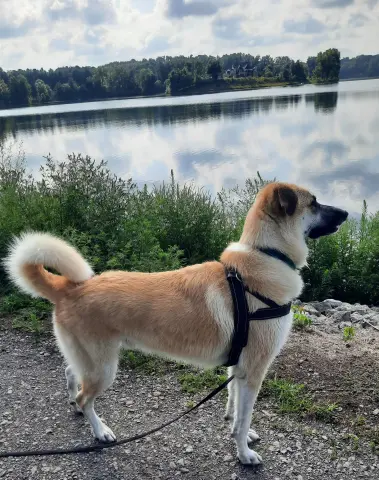
Siberian Husky / Great Pyrenees

Lucky Tales Rescue · Fort Thomas, KY
Delilah
Adult

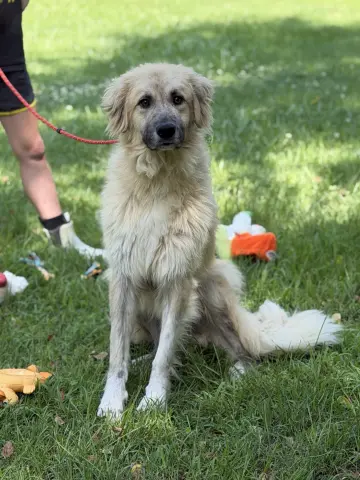
Great Pyrenees / Mixed

Tail Waggers 911 · Grafton, WI
Mj
Baby
Mj
S

Great Pyrenees / Flat-Coated Retriever

Animal House Shelter · Huntley, IL
Colt
Baby
Colt
L

Great Pyrenees / Flat-Coated Retriever

Animal House Shelter · Huntley, IL
Verbena
Baby

Labrador Retriever / Great Pyrenees

The Humane Society Of Elmore County · Wetumpka, AL
Leon
Adult
Leon
L

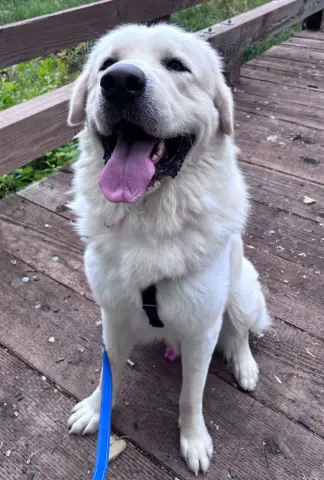
Great Pyrenees

National Great Pyrenees Rescue · Beacon, NY
Gus
Adult
Gus
XL

Great Pyrenees

National Great Pyrenees Rescue · Beacon, NY
Hudson
Adult
Hudson
M

Great Pyrenees / Mixed

Our Pack Animal Rescue · New London, WI
Olly
Young
Olly
L

Great Pyrenees

Kern County Animal Control Department · Bakersfield, CA
Nelson
Adult
Nelson
M

Labrador Retriever / Great Pyrenees

Adams County Animal Shelter · Brighton, CO

Related Breeds

Treeing Walker Coonhound

9 pets available

2

About the Treeing Walker Coonhound The Treeing Walker Coonhound was developed in the United States from Walker Foxhounds in the mid-20th century, selectively bred for their exceptional ability to trail game and "tree" raccoons by chasing them up a tree and baying until the hunter arrives. These elegant, athletic hounds stand 20 to 27 inches tall and weigh 50 to 70 pounds, with a lean, muscular build and the classic tricolor pattern — white, black, and tan — reminiscent of their foxhound ancestry. Their short, smooth coat is dense and protective, well-suited for long hours working through brush and rough terrain. Temperament & Personality Treeing Walker Coonhounds are confident, intelligent, and affable — possessing a friendly, sociable nature that makes them enjoyable companions both in the field and at home. They are gentle with children, typically welcoming to strangers, and usually get along well with other dogs, especially those they've been raised with. Their hunting instincts run deep, however, and they can switch from couch potato to tireless tracker the moment an interesting scent crosses their path. Pros Friendly, easygoing temperament — excellent with families and other dogsLow-maintenance coat needing only weekly brushingSuperb endurance for hiking, running, and outdoor adventuresGenerally healthy breed with a lifespan of 12 to 13 years Cons Extremely vocal — loud baying and howling are a defining breed traitPowerful scent drive makes off-leash reliability very challengingRequires substantial daily exercise — bored Walkers can be destructiveProne to ear infections and hip dysplasia Treeing Walker Coonhounds bring athletic grace and a sweet disposition to any home — explore available listings on Puplister.

Bulldog
Bulldog Dog

16 pets available

1

About the Bulldog The Bulldog — also known as the English Bulldog — traces its ancestry to 13th-century England, where its predecessors were used in the brutal sport of bull-baiting before the practice was outlawed in 1835. Today's Bulldog stands 14–15 inches tall and weighs 40–50 pounds, with a wide, low-slung, heavy-set body, a massive short-faced head, and the breed's trademark underbite and wrinkled face. Their short, smooth coat comes in red, white, fawn, fallow, and various brindle patterns, requiring minimal grooming beyond regular wrinkle cleaning.Temperament & PersonalityModern Bulldogs are gentle, dignified, and surprisingly affectionate — a far cry from their fierce bull-baiting ancestors. They are calm, patient, and excellent with children, earning them a reputation as one of the most dependable and predictable family companions. Bulldogs are sociable with other pets and typically friendly with strangers, though they can be courageous and protective when they sense a genuine threat to their family.ProsCalm, low-energy temperament — perfectly content with short walks and lots of couch timeExcellent apartment dog due to compact size and minimal exercise requirementsPatient and gentle with children, making them outstanding family petsMinimal grooming needs with their short, easy-care coatConsSevere brachycephalic syndrome causes chronic breathing difficulties, snoring, and heat intoleranceExtremely prone to health problems — including hip dysplasia, cherry eye, skin fold infections, and spinal issuesCannot tolerate heat or vigorous exercise and is at high risk of heatstrokeExpensive to own due to frequent veterinary visits and potential for costly surgical interventionsBulldogs may have special needs, but they repay every ounce of care with unwavering devotion — find adoptable Bulldogs on Puplister.

Siberian Husky

102 pets available

4

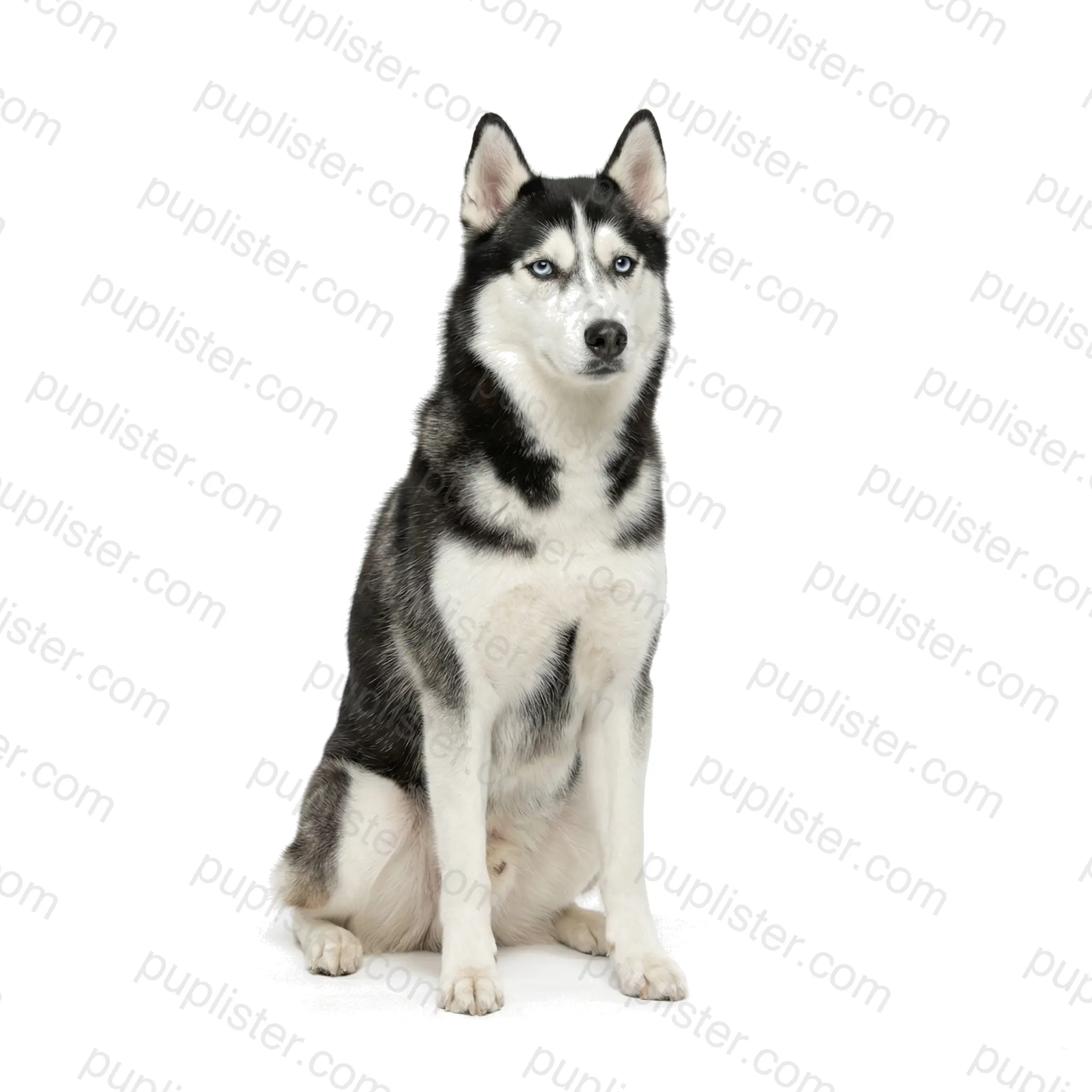
About the Siberian Husky The Siberian Husky was developed over thousands of years by the Chukchi people of northeastern Siberia as an endurance sled dog capable of pulling light loads over vast frozen distances in extreme cold. These athletic, medium-sized dogs stand 20 to 23.5 inches tall and weigh 35 to 60 pounds, with a graceful, effortless gait that reflects their incredible stamina. Their thick double coat comes in virtually every color from pure white to black, often with striking facial markings, and their eyes can be brown, blue, or even one of each (heterochromia). Temperament & Personality Siberian Huskies are friendly, outgoing, and mischievous — pack-oriented dogs that love people and make terrible guard dogs because they greet everyone like a long-lost friend. They are playful and gentle with children and generally good with other dogs, though their high prey drive makes them a risk around cats and small animals. Huskies are intelligent but famously independent, preferring to make their own decisions rather than follow commands — a trait that requires patience and humor from their owners. Pros Friendly, social, and gentle with children and strangers alikeNaturally clean with little doggy odor — self-grooming like a catOutstanding endurance athlete for running, hiking, and winter sportsHealthy breed with a lifespan of 12 to 14 years Cons Extreme shedding — blows the entire undercoat twice yearly in massive quantitiesLegendary escape artists — can jump fences, dig under them, and open latchesStrong prey drive makes them dangerous around cats, rabbits, and small animalsNot suited for hot climates and requires air conditioning in warm regions The Siberian Husky's adventurous spirit and stunning beauty are irresistible — find Huskies seeking forever homes on Puplister.

Saint Bernard

1 pet available

About the Saint Bernard The Saint Bernard originated in the Swiss Alps at the Great St. Bernard Hospice, where monks bred these massive dogs for over 1,000 years to locate and rescue travelers lost in snowstorms along the treacherous mountain pass. Males typically stand 28 to 30 inches tall and weigh 140 to 180 pounds, though individuals exceeding 200 pounds are not uncommon. Their coat comes in two varieties — short-haired (smooth) and long-haired (rough) — both in white with red, mahogany, brindle, or brown markings. Temperament & Personality Saint Bernards are gentle, patient, and extraordinarily tolerant — their legendary devotion to humans extends to being remarkably careful and nurturing around children despite their massive size. They are friendly with strangers, other dogs, and household pets, possessing a calm, unflappable demeanor that makes them wonderful therapy dogs. While not aggressive, their sheer size and deep bark are often enough to deter unwanted visitors. Pros Exceptionally gentle and patient — one of the best giant breeds for families with childrenCalm, low-energy indoor demeanor despite enormous sizeFriendly and non-aggressive toward people and other animalsImposing presence provides natural deterrent without guard training Cons Legendary drooling — especially the loose-lipped, heavy-jowled individualsShort lifespan of 8 to 10 years, with some living even lessProne to hip and elbow dysplasia, bloat, osteosarcoma, and dilated cardiomyopathyEnormous food costs and substantial space requirements for comfortable living Few breeds embody devotion quite like the Saint Bernard — find one in need of a loving home on Puplister.

Related Articles

Frequently Asked Questions

What are the key traits of a Great Pyrenees?
The Great Pyrenees is known for being calm, patient, gentle and protective.
How many Great Pyrenees are available for adoption?
There are currently 23 Great Pyrenees available for adoption on Puplister. Browse the listings above to find your perfect match.
How do I adopt a Great Pyrenees from Puplister?
To adopt a Great Pyrenees, browse the available listings on this page, click on a pet you're interested in, and contact the shelter directly through their profile page.