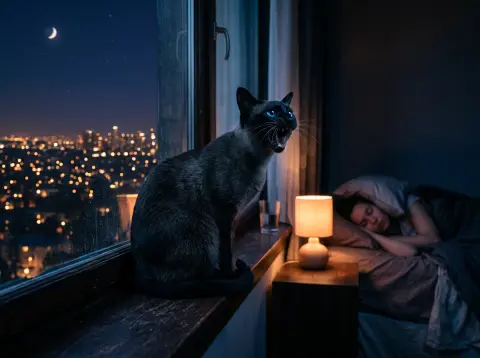
Adopted Cat Meowing All Night: How to Stop It
Adopted cat meowing all night? Discover why it happens, how to create a calm environment, and a realistic timeline to quiet nighttime meows.
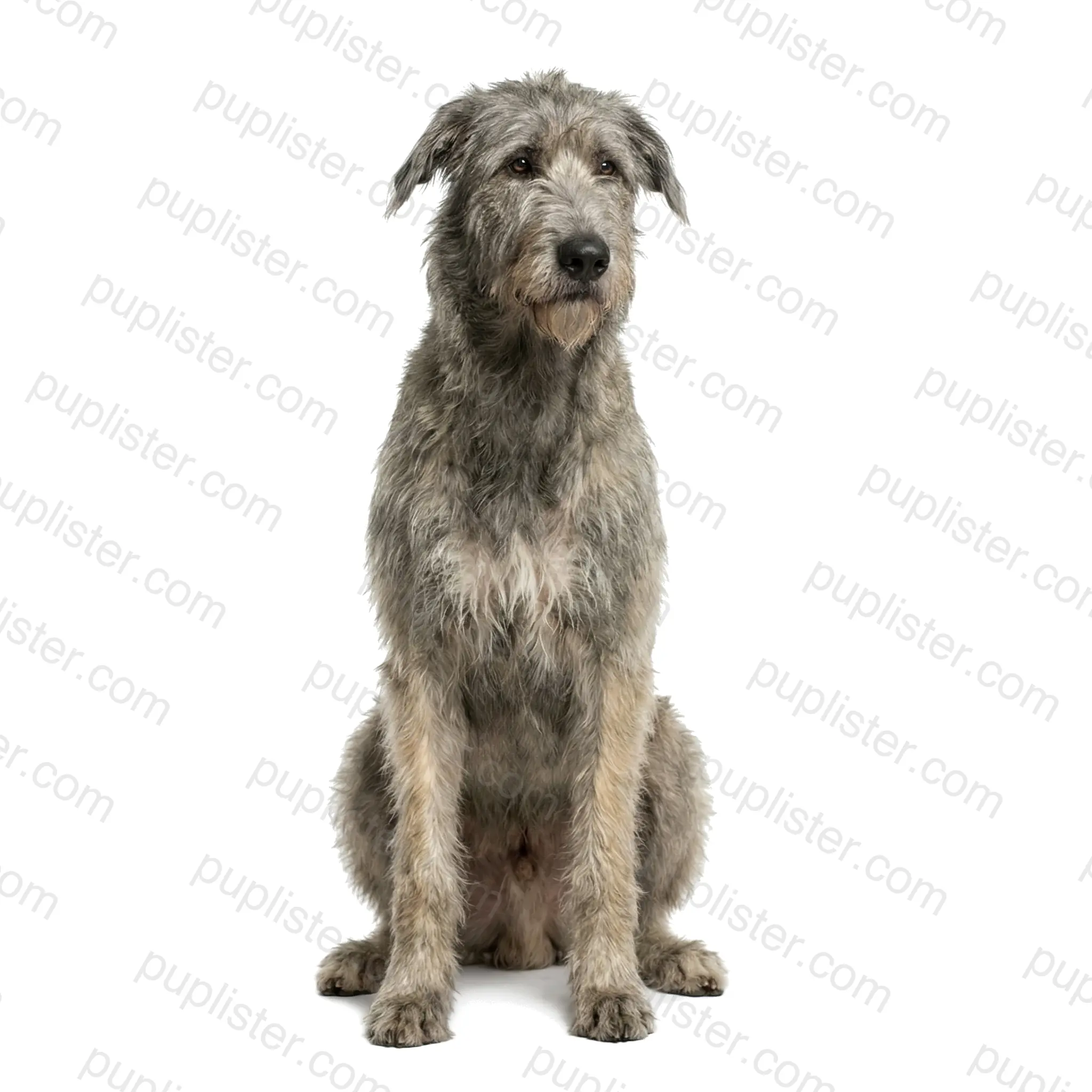
The Irish Wolfhound — the tallest of all dog breeds — was originally bred in ancient Ireland to hunt wolves and Irish elk, with references to the breed appearing in Roman records as early as 391 AD. Standing a minimum of 30–32 inches tall (many reach 34–35 inches) and weighing 105–180 pounds, these gentle giants have a rough, wiry coat in gray, brindle, red, black, white, and fawn. Despite nearly going extinct in the 19th century, dedicated breeders — most notably Captain George Augustus Graham — revived the breed using Great Dane, Scottish Deerhound, and Borzoi crosses.
Irish Wolfhounds are remarkably gentle and easygoing despite their formidable size — they carry themselves with a quiet dignity that belies their ancient warrior heritage. They are affectionate and loyal with their families, typically good with children, and generally accepting of other dogs and even cats when raised together. Despite their history as fierce hunters, modern Irish Wolfhounds are too gentle and friendly to serve as effective guard dogs.
Open your heart and home to a magnificent Irish Wolfhound — find available dogs on Puplister.
Answer 5 quick questions to see how well this breed matches your lifestyle.
Check back soon or browse all dogs.
1 pet available
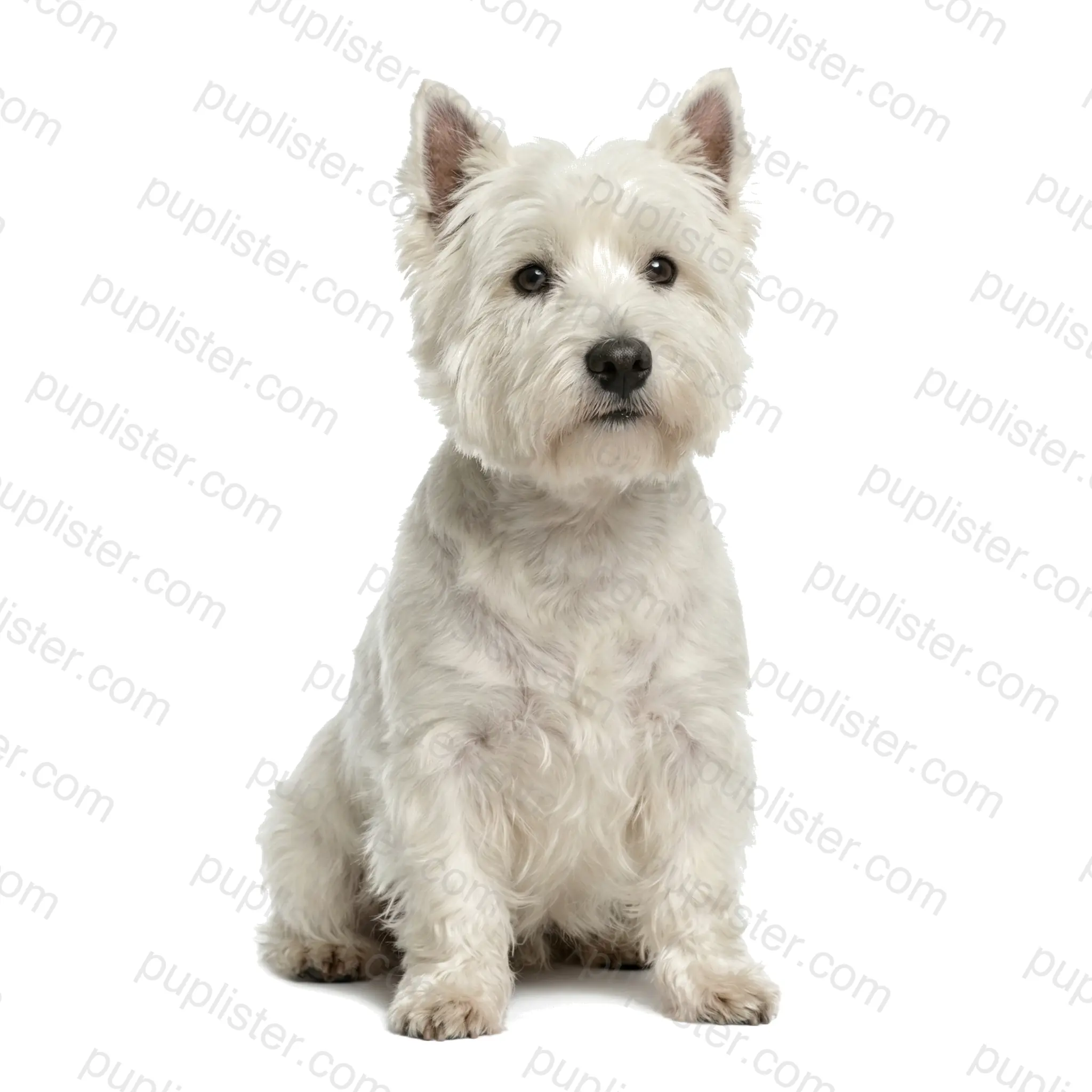
About the West Highland White Terrier The West Highland White Terrier — universally known as the "Westie" — was developed in Scotland's western highlands during the 19th century, selectively bred from Cairn Terrier stock for its white coat to be more visible against the dark highland terrain while hunting foxes, badgers, and rats. These sturdy little dogs stand 10 to 11 inches tall and weigh 15 to 20 pounds, with a compact, balanced build and surprisingly strong legs for their size. Their double coat features a hard, straight white outer layer and a soft, dense undercoat — always pure white without exception. Temperament & Personality Westies are confident, entertaining, and surprisingly tough — carrying the classic terrier self-assurance in a friendly, less aggressive package than many of their terrier relatives. They are affectionate with their families, generally good with older children, and possess an independent, adventurous spirit that keeps life interesting. Westies are social dogs that enjoy meeting people, though they can be assertive with other dogs and retain a strong instinct to chase anything that moves. Pros Sturdy and adaptable — thrives in apartments, suburbs, and country settingsFriendly and sociable without the extreme aggression of some terrier breedsPortable size with a big, confident personalityAlert watchdog that will reliably announce visitors Cons Prone to atopic dermatitis and skin allergies — one of the most affected breedsCoat requires regular professional grooming or hand-stripping every 6 to 8 weeksCan be stubborn and willful during training — responds best to positive methodsTendency to dig and bark, especially when bored or left in the yard Westies bring Scottish charm and terrier spirit into every home — find your white-coated companion on Puplister.
3 pets available
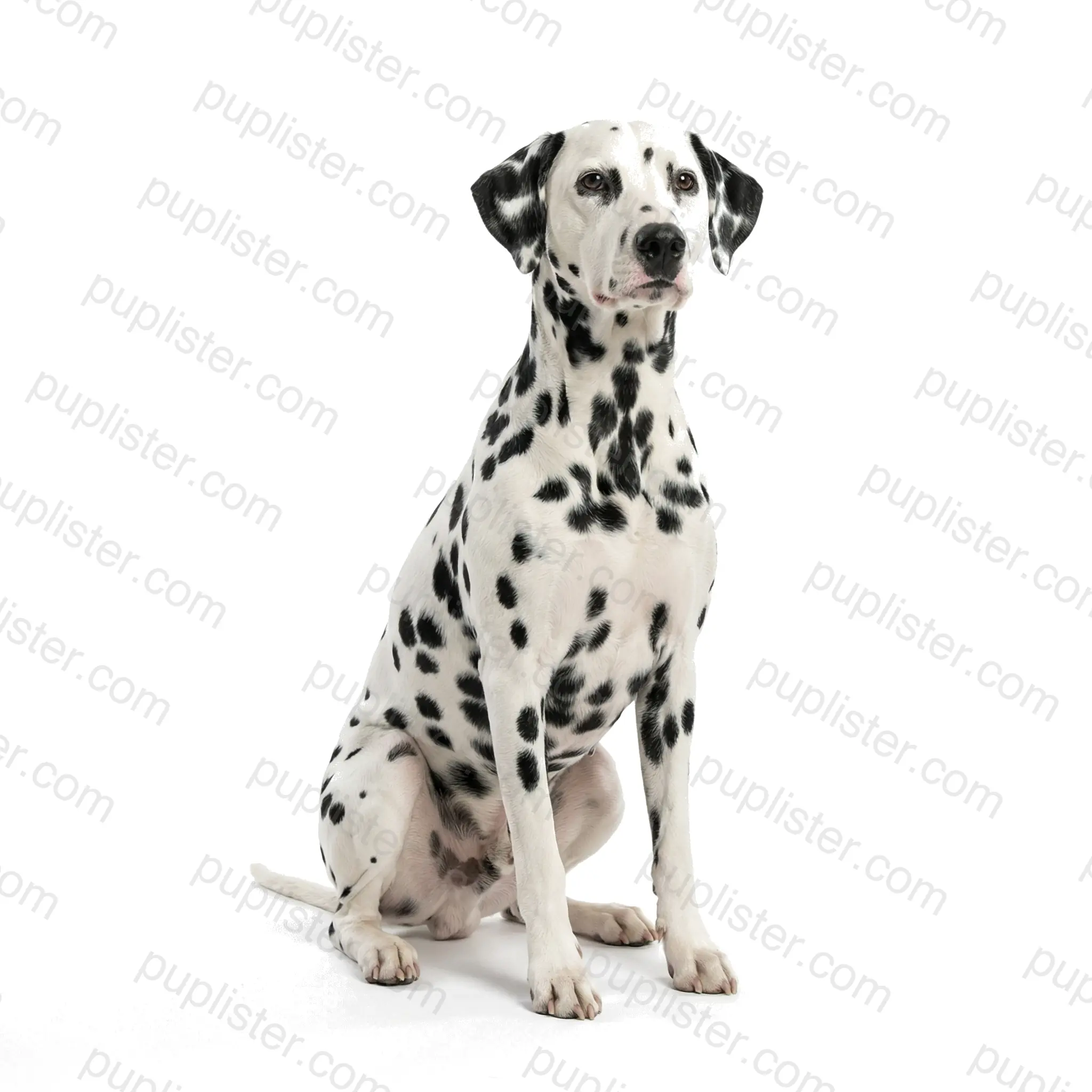
1About the Dalmatian The Dalmatian is one of the most recognizable breeds on earth — known for its striking white coat adorned with black or liver-colored spots that are as unique as fingerprints. Standing 19–24 inches tall and weighing 45–70 pounds, this athletic breed has a storied history as a carriage dog, firehouse mascot, and circus performer across Europe. Dalmatian puppies are born completely white, with their signature spots developing gradually over the first few weeks of life.Temperament & PersonalityDalmatians are high-energy, exuberant dogs with an almost inexhaustible drive to run, play, and explore. They form strong bonds with their families and can be wonderful companions for active households, though their boisterous nature may overwhelm toddlers and elderly family members. They tend to be reserved — sometimes standoffish — with strangers and require thorough socialization to prevent timidity or nervousness.ProsOutstanding running and cycling companions — built for sustained endurance over long distancesShort, dense coat is easy to maintain with weekly brushingNaturally clean dogs with minimal doggy odorIntelligent and versatile — excel in agility, obedience, and road trialsConsApproximately 30% of Dalmatians are affected by hereditary deafness — unilateral or bilateralUnique urinary system produces uric acid instead of urea, predisposing them to kidney and bladder stonesSheds heavily year-round — white hairs embed in furniture and clothing persistentlyRequires 1–2 hours of vigorous exercise daily or develops destructive behaviorsAn active lifestyle and a spotted best friend — find Dalmatians available for adoption on Puplister.
2 pets available
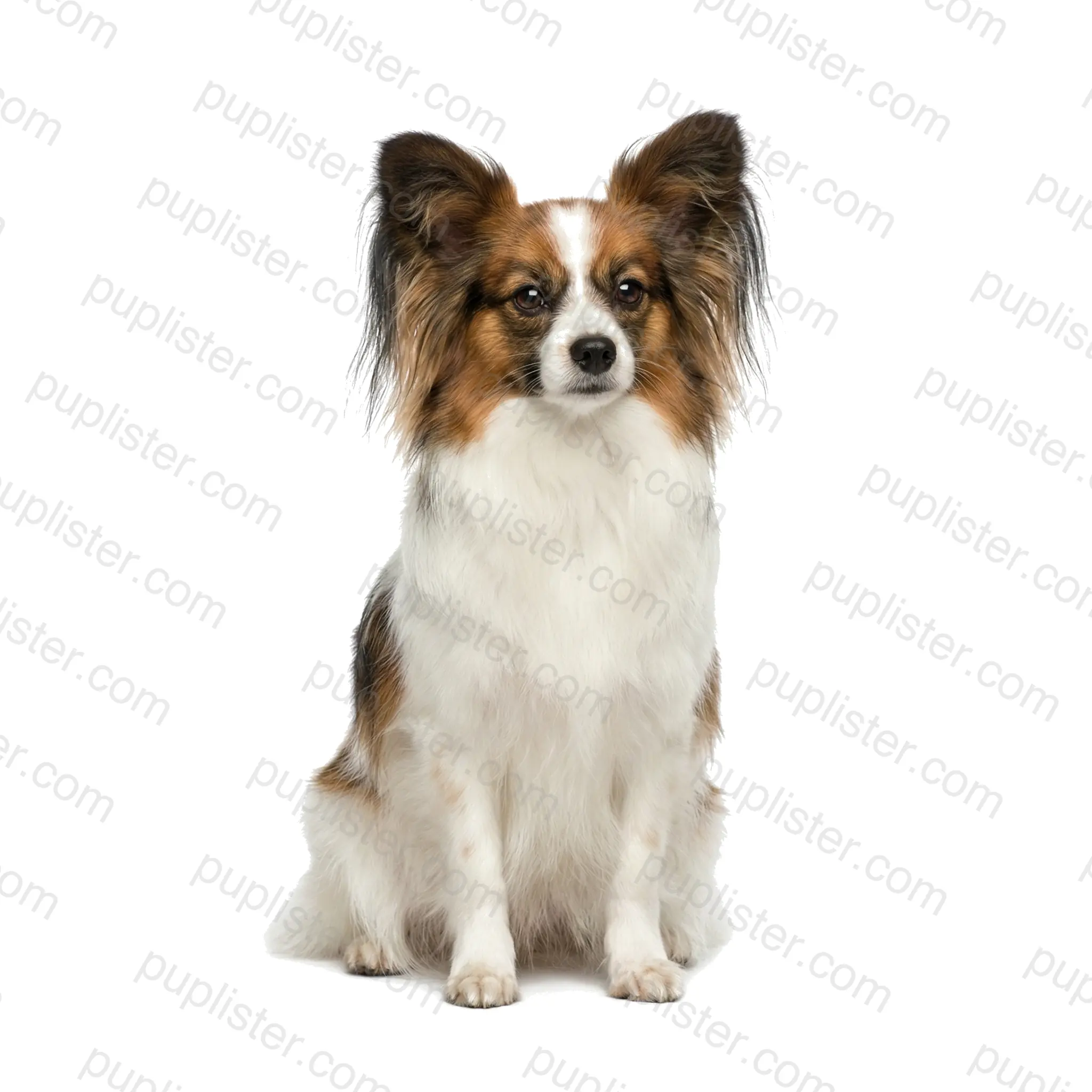
About the Papillon The Papillon — French for "butterfly," referring to its elegant fringed ears — traces its lineage to European toy spaniels depicted in Renaissance paintings as far back as the 16th century. These dainty yet sturdy dogs weigh just 5 to 10 pounds and stand 8 to 11 inches tall, ranking among the smallest of all breeds. Their long, silky, single-layer coat is white with patches of any color, and the breed also has a drop-eared variety known as the Phalène. Temperament & Personality Papillons are remarkably intelligent, lively, and confident — consistently ranked among the top 10 smartest dog breeds despite their diminutive stature. They are friendly and affectionate with their families, though they can be reserved with strangers until properly introduced. Papillons do well with gentle older children but may be too delicate for rough play with toddlers, and they often get along with other pets when socialized early. Pros Exceptionally intelligent and excels in obedience and agility competitionsNo undercoat means less shedding and easier maintenance than many breedsHardy and athletic despite tiny size — enjoys long walks and active playLong lifespan of 14 to 16 years with generally robust health Cons Fragile bone structure makes them vulnerable to injury from falls or rough handlingCan be yappy and difficult to quiet without early trainingSusceptible to patellar luxation, dental issues, and open fontanelsMay develop "small dog syndrome" if not given consistent boundaries Want a tiny dog with big brains and even bigger personality? Discover Papillons looking for homes on Puplister.
3 pets available
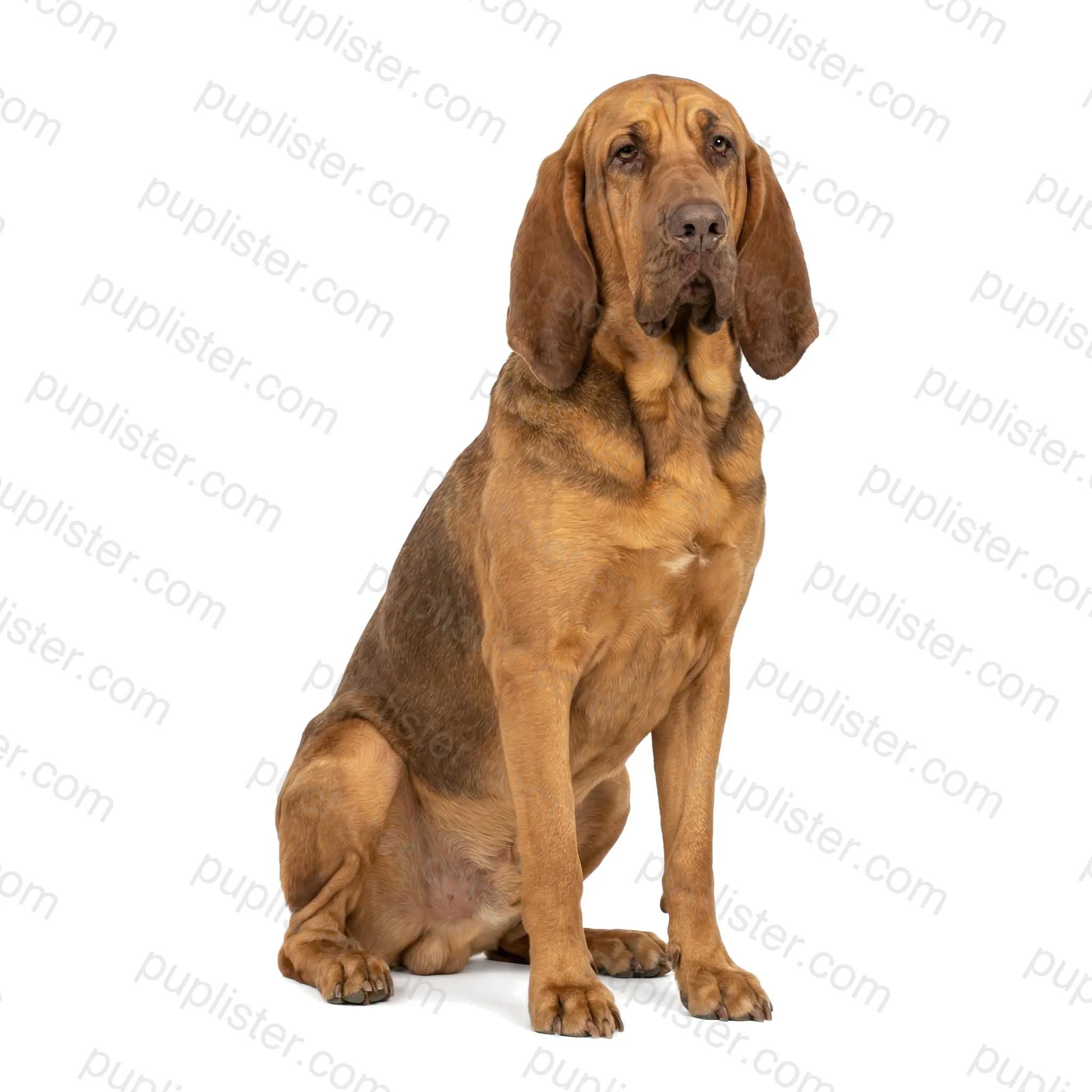
1About the Bloodhound The Bloodhound is a scent hound of unparalleled tracking ability, with origins dating back over a thousand years to monasteries in medieval Belgium and France. These large, noble dogs stand 23–27 inches tall and weigh 80–110 pounds, with a loose-skinned, powerful build and famously droopy ears and facial folds that help channel scent toward their nose. Their short, dense coat comes in black-and-tan, liver-and-tan, and red, requiring minimal grooming beyond regular wrinkle cleaning.Temperament & PersonalityBloodhounds are gentle, patient, and affectionate — despite their imposing size, they are among the most docile and tolerant of all breeds. They are wonderful with children and other animals, displaying remarkable patience even with rough handling from toddlers. However, when they catch an interesting scent, they become single-minded and nearly impossible to redirect — they have been known to follow a trail for over 130 miles.ProsPossesses the most powerful nose in the canine world — their trailing results are admissible in courtGentle, patient, and affectionate with all family members including young childrenExcellent with other dogs and household petsCalm and easygoing indoors, content to lounge when not workingConsCopious drooling — their loose jowls produce significant slobber, especially after eating and drinkingStrong, determined pullers on leash who can be nearly impossible to control when trailing a scentProne to bloat, hip and elbow dysplasia, and ear infections due to their long, pendulous earsRelatively short lifespan of 10–12 years and susceptible to skin fold dermatitisThese gentle giants have hearts as big as their noses — explore adoptable Bloodhounds on Puplister today.
Adopted cat meowing all night? Discover why it happens, how to create a calm environment, and a realistic timeline to quiet nighttime meows.
Is your adopted cat not eating? Learn the causes, from stress to past trauma, and discover practical solutions to get your new feline friend eating again.
Is your new cat hiding and won't come out? It's normal, but proactive steps can help. Learn how to build trust with your shy adopted cat.
Discover how long it takes for a rescue cat to feel at home with our experienced guide, covering the 3-3-3 rule and actionable tips.