Labradoodle Labradoodle

Labradoodle

1
Friendly Intelligent Sociable Gentle

About the Labradoodle

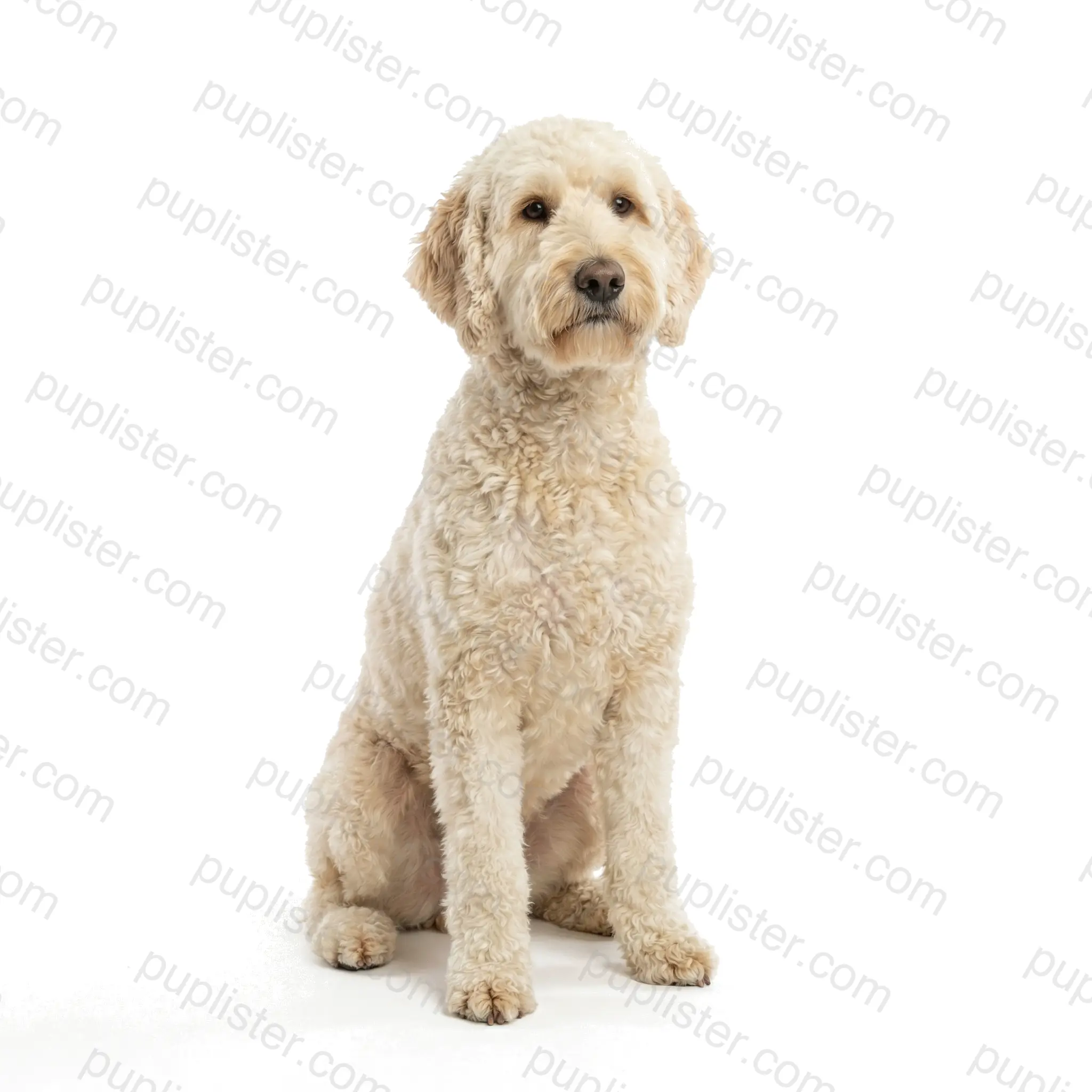
The Labradoodle was first intentionally bred in 1989 by Wally Conron of the Royal Guide Dogs Association of Australia, who crossed a Standard Poodle with a Labrador Retriever to create a guide dog suitable for a visually impaired woman whose husband had dog allergies. They vary widely in size — Miniature (15–25 pounds), Medium (30–45 pounds), and Standard (50–65 pounds) — and their coats range from flat and hair-like to loose waves to tight curls, in colors including cream, gold, chocolate, black, red, and parti-color. As a crossbreed, their appearance and temperament are less predictable than purebred dogs.

Temperament & Personality

Labradoodles typically combine the Labrador's friendly eagerness with the Poodle's intelligence and playfulness — resulting in an enthusiastic, sociable, and highly trainable companion. They are generally excellent with children and other pets, inheriting the Labrador's patience and the Poodle's gentleness in equal measure. Their energetic, joyful nature and intuitive emotional awareness have made them popular therapy and assistance dogs worldwide.

Pros

  • Many individuals have low-shedding coats — particularly those with curlier, Poodle-influenced hair
  • Intelligent and highly trainable — inherits strong work ethic from both parent breeds
  • Friendly, social temperament makes them excellent family and therapy dogs
  • Available in multiple sizes to suit different living environments and lifestyle needs

Cons

  • Coat type is unpredictable — no guarantee of hypoallergenic qualities, especially in first-generation crosses
  • Requires regular professional grooming every 6–8 weeks regardless of coat type
  • No breed standard — significant variation in size, temperament, and appearance within litters
  • Can inherit health problems from both parent breeds — hip dysplasia, eye disease, and Addison's disease

A lovable Labradoodle could be your perfect family addition — find available dogs on Puplister today.

Labradoodle Quick Facts

Size
15–65 lbs, 14–24 in
Lifespan
12–14 years
Exercise
High
Grooming
Moderate
Good with Kids
Yes
Good with Pets
Yes

Is the Labradoodle right for you?

Answer 5 quick questions to see how well this breed matches your lifestyle.

Take the Quiz

Available Labradoodles

Lala
Young
Lala
L

Labradoodle

Canine Companions Rescue Center · Clarkston, MI
Laddie
Adult
Laddie
L

Labradoodle

Wags And Whiskers Animal Rescue · Farmington, MN

Related Breeds

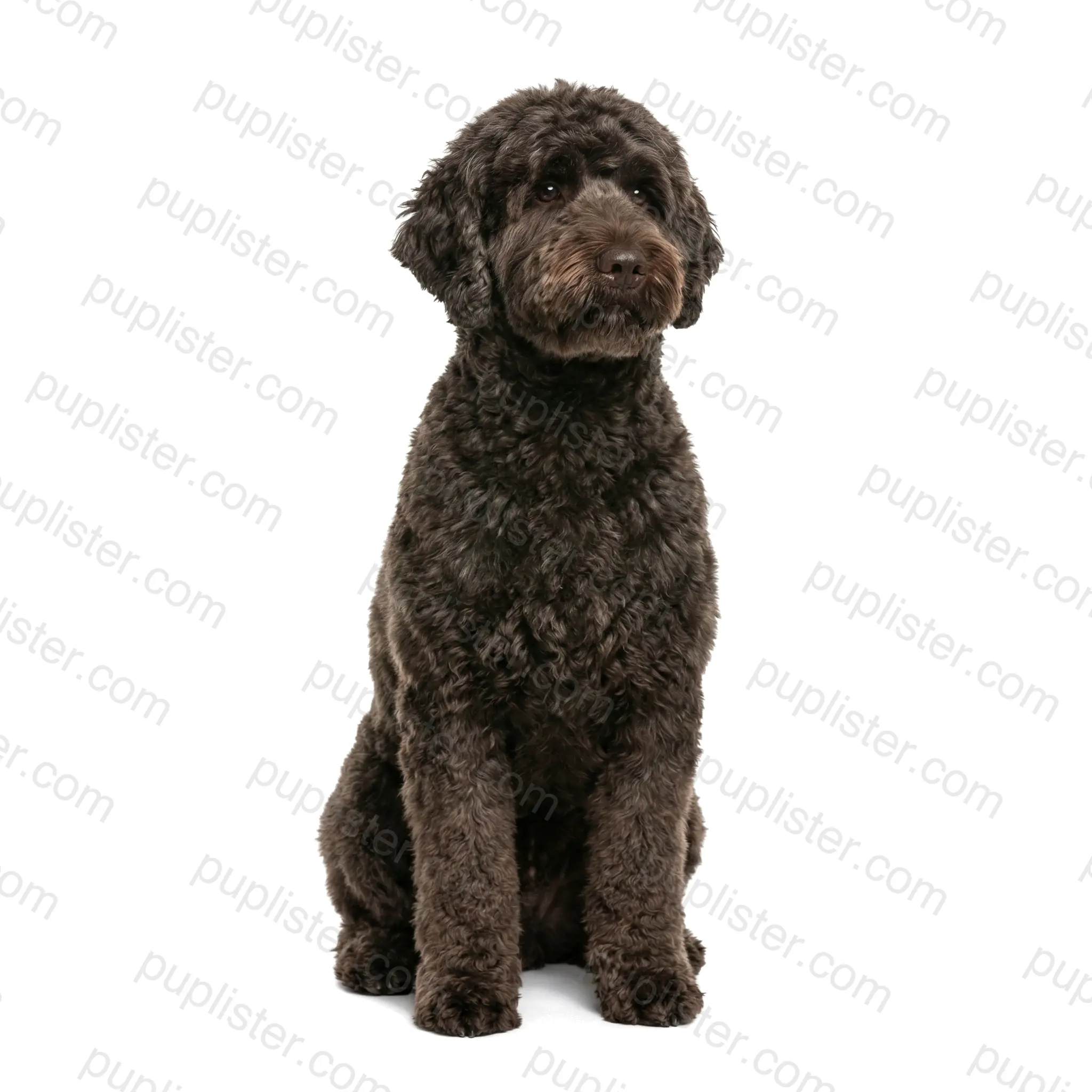
Portuguese Water Dog

1 pet available

About the Portuguese Water Dog The Portuguese Water Dog was developed centuries ago along Portugal's coast, where it served as an indispensable fisherman's companion — herding fish into nets, retrieving lost tackle, and swimming messages between boats. These robust, medium-sized dogs stand 17 to 23 inches tall and weigh 35 to 60 pounds, with a strong, muscular build optimized for swimming. Their coat comes in two varieties — curly or wavy — in black, white, brown, or combinations thereof, and grows continuously like human hair rather than shedding seasonally. Temperament & Personality Portuguese Water Dogs are spirited, obedient, and deeply bonded to their families — they thrive on being included in activities and do not do well relegated to the backyard. They are playful and patient with children, typically friendly with other dogs, and possess an enthusiasm for life that is both infectious and demanding. Their intelligence and eagerness to work make them highly trainable, though they need a job or purpose to remain content. Pros Low-shedding, hypoallergenic-type coat suitable for many allergy sufferersOutstanding swimming ability and love of water activitiesHighly trainable, biddable, and eager to pleaseRobust health with a lifespan of 11 to 13 years Cons High exercise demands — needs vigorous daily activity including swimming when possibleCoat requires regular professional grooming every 4 to 6 weeksCan become mouthy and destructive if under-stimulated or left alone too longProne to hip dysplasia, progressive retinal atrophy, and GM1 storage disease A water-loving, people-devoted companion awaits — explore Portuguese Water Dog listings on Puplister.

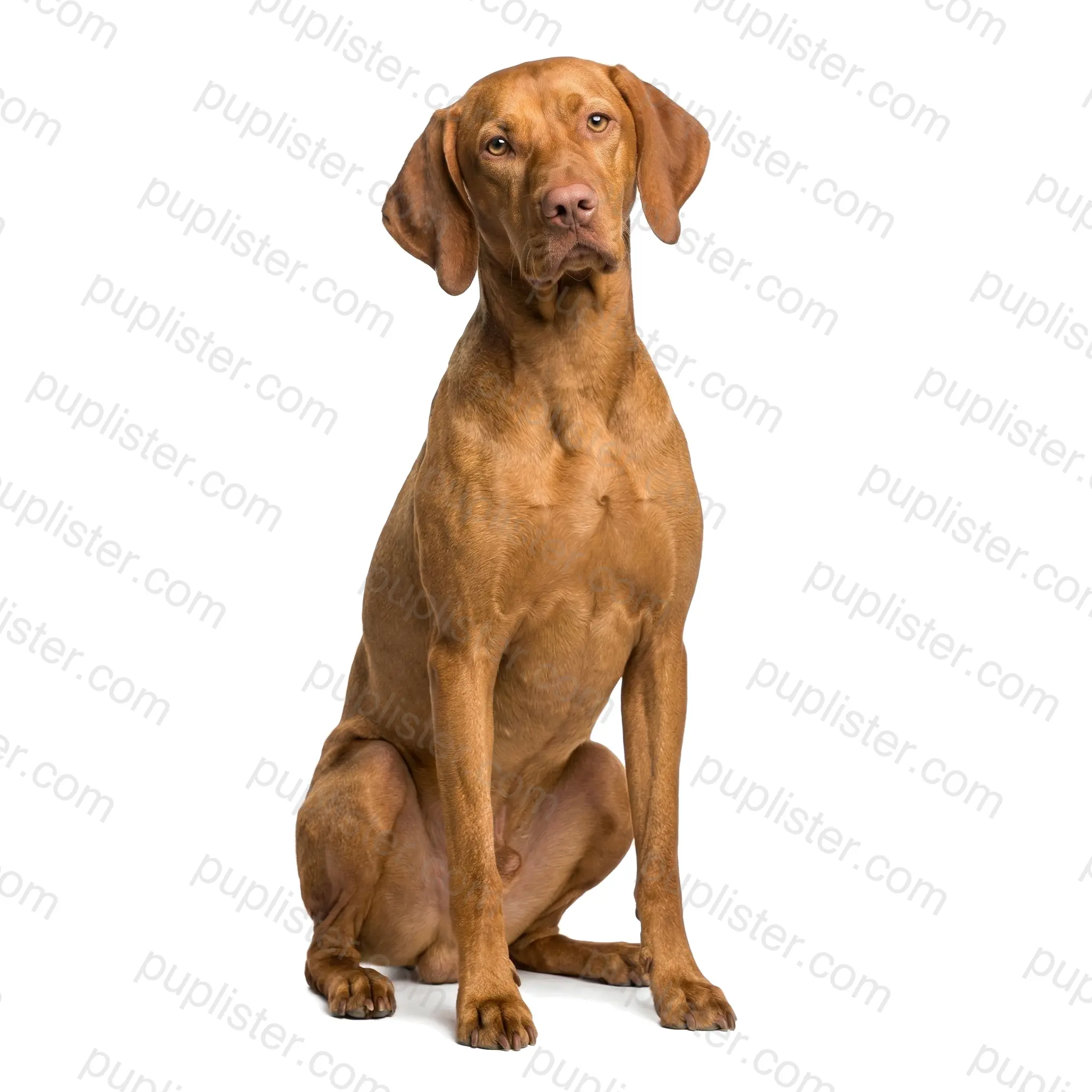
Vizsla
Vizsla Dog

2 pets available

About the Vizsla The Vizsla is Hungary's national dog, with origins tracing back over 1,000 years to the Magyar tribes who settled the Carpathian Basin and needed a versatile pointer-retriever for the plains. These lean, athletic dogs stand 21 to 24 inches tall and weigh 44 to 60 pounds, with a distinctively sleek, muscular build and an elegant, ground-covering gait. Their short, smooth coat comes exclusively in various shades of golden rust — from sandy gold to deep russet — with no undercoat, giving them a clean, low-maintenance appearance. Temperament & Personality Vizslas are affectionate, energetic, and extraordinarily people-oriented — often called "Velcro dogs" because they want to be in constant physical contact with their owners. They are gentle and patient with children, friendly with other dogs, and possess a sensitivity that makes them responsive to their family's moods. Vizslas form such intense bonds that they can suffer severe separation anxiety if left alone regularly — they truly need to be included in daily family life. Pros Exceptionally affectionate and forms deep, devoted bonds with familyVersatile athlete — excels in hunting, agility, dock diving, and trackingLow-maintenance coat with minimal shedding and no doggy odorGentle, sensitive nature makes them excellent therapy dogs Cons Severe separation anxiety — cannot tolerate being left alone for long periodsExtremely high exercise needs — requires 1 to 2 hours of vigorous activity dailyProne to epilepsy, hip dysplasia, and lymphosarcomaThin coat and low body fat make them uncomfortable in cold weather If you want a devoted, athletic companion who'll never leave your side, find your Vizsla on Puplister.

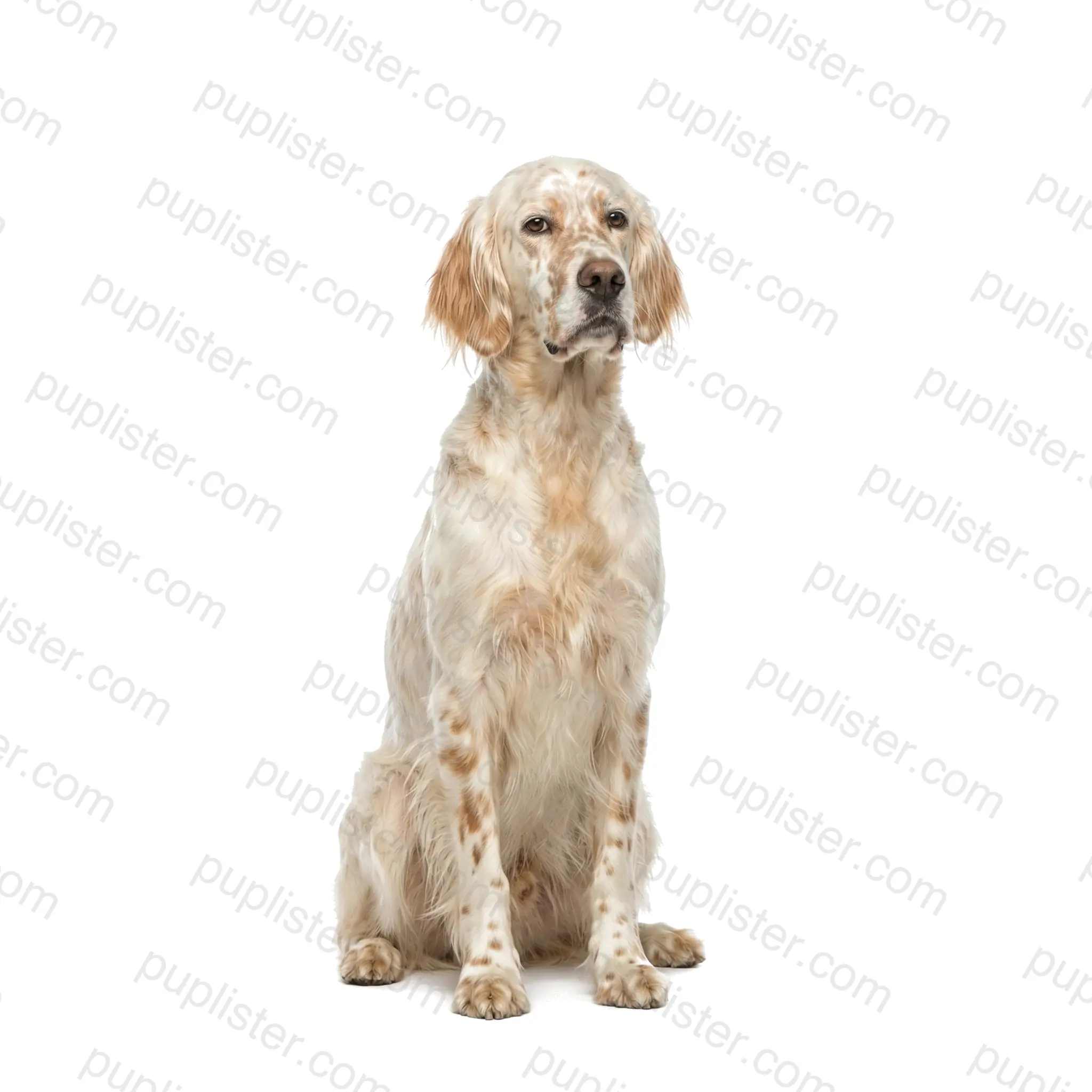
English Setter

2 pets available

1

About the English Setter The English Setter is one of the oldest gun dog breeds — developed in England over 400 years ago to locate game birds by crouching or "setting" to indicate their position. Standing 23–27 inches tall and weighing 45–80 pounds, these graceful dogs are renowned for their beautiful feathered coat in distinctive "belton" patterns — blue belton, orange belton, tricolor, lemon belton, and liver belton. Their elegant appearance, with long, silky ears and a gently flowing coat, has earned them the title of the most beautiful sporting breed.Temperament & PersonalityEnglish Setters are gentle, sweet-natured dogs with a calm indoor demeanor that belies their energetic field abilities. They are exceptionally good with children — patient and tolerant even with rough toddler play — and generally accepting of other dogs and household pets. Their affectionate, people-oriented nature makes them poor kennel dogs; they need to live as part of the family to thrive emotionally.ProsOne of the gentlest sporting breeds — excellent with children of all ages and other petsCalm and quiet indoors when given adequate outdoor exerciseFriendly toward strangers — makes a welcoming family dog without guarding tendenciesVersatile field dog that transitions beautifully from hunting companion to couch cuddlerConsFeathered coat requires regular grooming — brushing 3–4 times weekly to prevent tanglesProne to elbow dysplasia, hypothyroidism, and congenital deafnessStrong hunting instincts — will bolt after birds and small animals if not in a secure areaCan be slow to mature mentally — puppy-like behavior often persists until age 3 or beyondDiscover the beauty and gentleness of the English Setter — find one waiting for a home on Puplister.

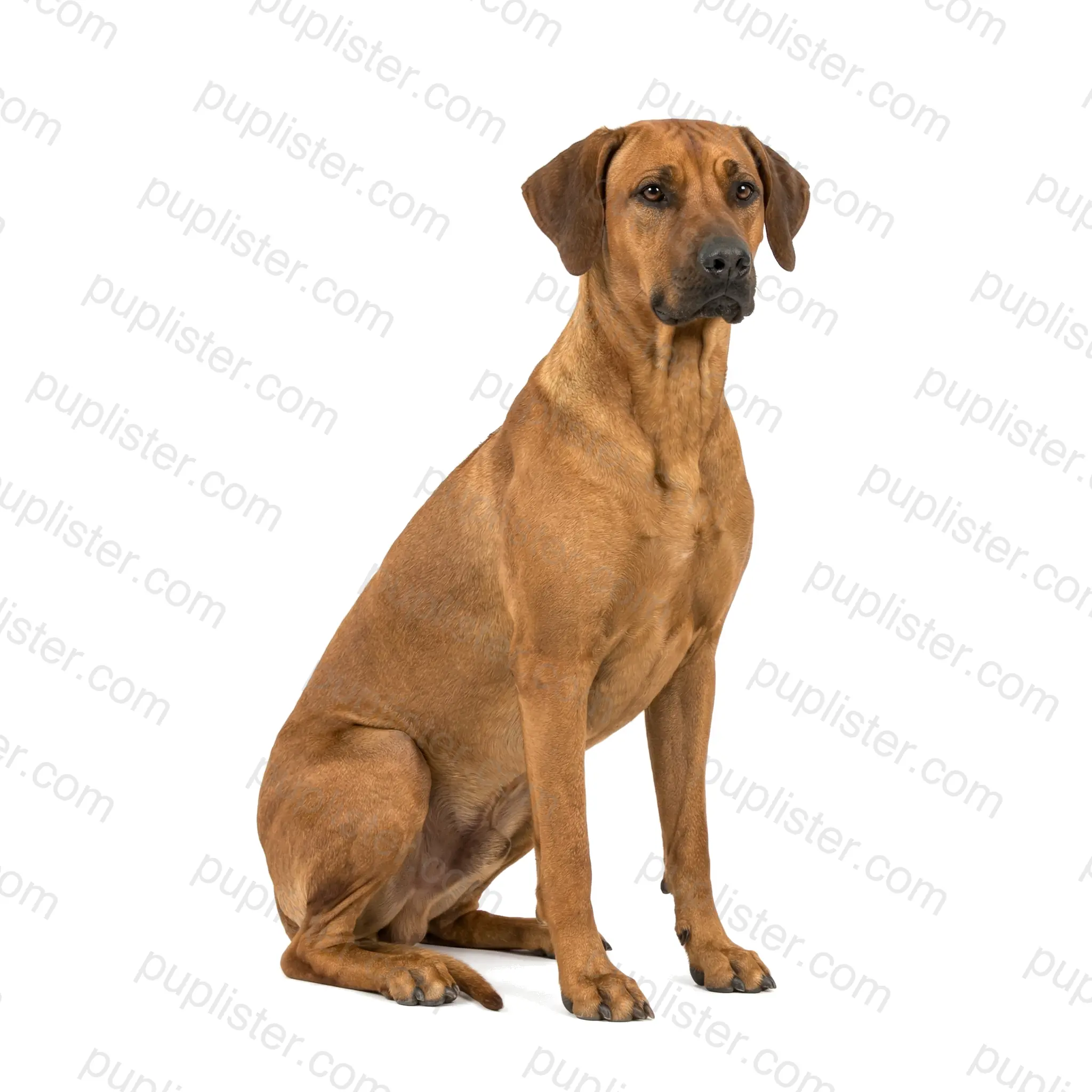
Rhodesian Ridgeback

8 pets available

About the Rhodesian Ridgeback The Rhodesian Ridgeback was developed in southern Africa by European settlers who crossed their dogs with the semi-domesticated ridged hunting dogs of the Khoikhoi people, creating a versatile hunter capable of tracking and holding lions at bay. These powerful, athletic dogs stand 24 to 27 inches tall and weigh 70 to 85 pounds, with a sleek, muscular physique built for speed and endurance. Their short, dense coat is light wheaten to red wheaten, and the breed's hallmark is a distinctive ridge of hair growing in the opposite direction along the spine. Temperament & Personality Rhodesian Ridgebacks are dignified, strong-willed, and intensely loyal — they form deep bonds with their families while maintaining an aloof independence with strangers. They are gentle and patient with children in their own household but possess a powerful protective instinct that requires experienced handling and thorough socialization. Ridgebacks are not typically aggressive but have a commanding presence and will not back down from a challenge if provoked. Pros Athletic and versatile — excels as a running, hiking, and lure coursing partnerLow-maintenance coat with minimal shedding and grooming needsNaturally clean breed with little doggy odorQuiet and dignified — rarely barks without good reason Cons Strong-willed and dominant — requires experienced, confident ownershipHigh prey drive makes them a risk around cats and small animalsProne to dermoid sinus (a congenital spinal defect unique to the breed), hip dysplasia, and bloatCan be destructive and escape-prone if under-exercised or bored The Rhodesian Ridgeback is a majestic, loyal guardian for the right home — find yours on Puplister.

Related Articles

Frequently Asked Questions

What are the key traits of a Labradoodle?
The Labradoodle is known for being friendly, intelligent, sociable and gentle.
How many Labradoodles are available for adoption?
There are currently 2 Labradoodles available for adoption on Puplister. Browse the listings above to find your perfect match.
How do I adopt a Labradoodle from Puplister?
To adopt a Labradoodle, browse the available listings on this page, click on a pet you're interested in, and contact the shelter directly through their profile page.