Labrador Retriever Labrador Retriever

Labrador Retriever

353
Friendly Outgoing Active Gentle

About the Labrador Retriever

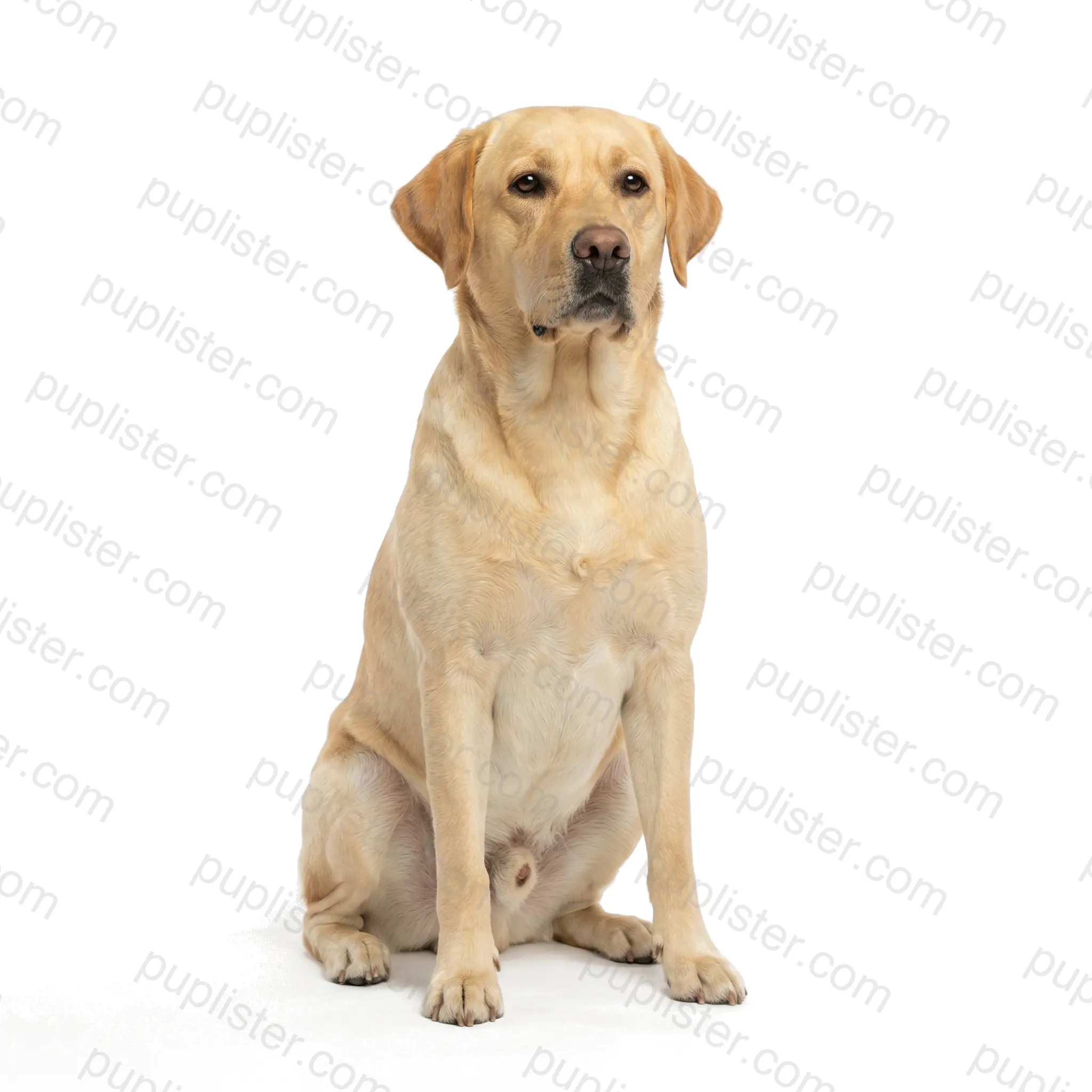
The Labrador Retriever has been America's most popular dog breed for over three decades — and for good reason. Originally bred in Newfoundland, Canada, during the early 19th century to help fishermen haul nets and retrieve catch from the icy North Atlantic, the breed was refined in England into the versatile sporting dog we know today. Labs stand 21.5–24.5 inches tall and weigh 55–80 pounds, with a short, dense, water-resistant double coat in three recognized colors: black, yellow (ranging from fox-red to pale cream), and chocolate.

Temperament & Personality

Labrador Retrievers are friendly, outgoing, and high-spirited — they greet nearly every person, dog, and situation with unbridled enthusiasm and a wagging tail. They are exceptionally patient and gentle with children, making them one of the most trusted family dogs in the world. Labs are also remarkably intelligent and eager to please, which is why they dominate as guide dogs, search-and-rescue dogs, therapy dogs, and detection dogs across dozens of working disciplines.

Pros

  • Outstanding family dog — patient, gentle, and naturally good with children of all ages
  • Highly trainable and eager to please — consistently ranks among the most obedient breeds
  • Versatile and adaptable — equally at home on the couch, in the field, or in the water
  • Friendly and social temperament — gets along well with other dogs, cats, and strangers

Cons

  • Heavy shedding year-round with major seasonal blowouts — not suited for allergy sufferers
  • Prone to obesity — Labs are notoriously food-motivated and will eat anything not locked away
  • High energy in the first 2–3 years — requires substantial daily exercise to prevent destructive behavior
  • Susceptible to hip and elbow dysplasia, exercise-induced collapse, and progressive retinal atrophy

There's a reason the Lab is the world's favorite dog — discover adoptable Labrador Retrievers on Puplister today.

Labrador Retriever Quick Facts

Size
55–80 lbs, 21–25 in
Lifespan
10–12 years
Exercise
High
Grooming
Moderate
Good with Kids
Yes
Good with Pets
Yes

Is the Labrador Retriever right for you?

Answer 5 quick questions to see how well this breed matches your lifestyle.

Take the Quiz

Available Labrador Retrievers

Professor Red
Baby 3

Labrador Retriever

Paws Of Hertford County · Murfreesboro, NC
Max
Adult 2
Max
L

Labrador Retriever

Doggie Harmony · Atlanta, GA
Stormy
Baby 1
Stormy
S

Labrador Retriever / Mixed

Crossing Paths Animal Rescue · Yardley, PA
Bismark
Baby 2

Labrador Retriever / German Shepherd Dog

Midwest Animal Rescue & Services · Brooklyn Park, MN
Fargo
Baby 1
Fargo
L

Labrador Retriever / German Shepherd Dog

Midwest Animal Rescue & Services · Brooklyn Park, MN
Atlas
Young 2
Atlas
M

Australian Cattle Dog / Labrador Retriever

Humane Society Of North Central Arkansas · Mountain Home, AR
Emmaline
Baby 1

Border Collie / Labrador Retriever

Crossing Paths Animal Rescue · Yardley, PA
Buddy
Adult 2
Buddy
L

Labrador Retriever

Labrador Retriever Rescue Of Fresno · Clovis, CA

Related Breeds

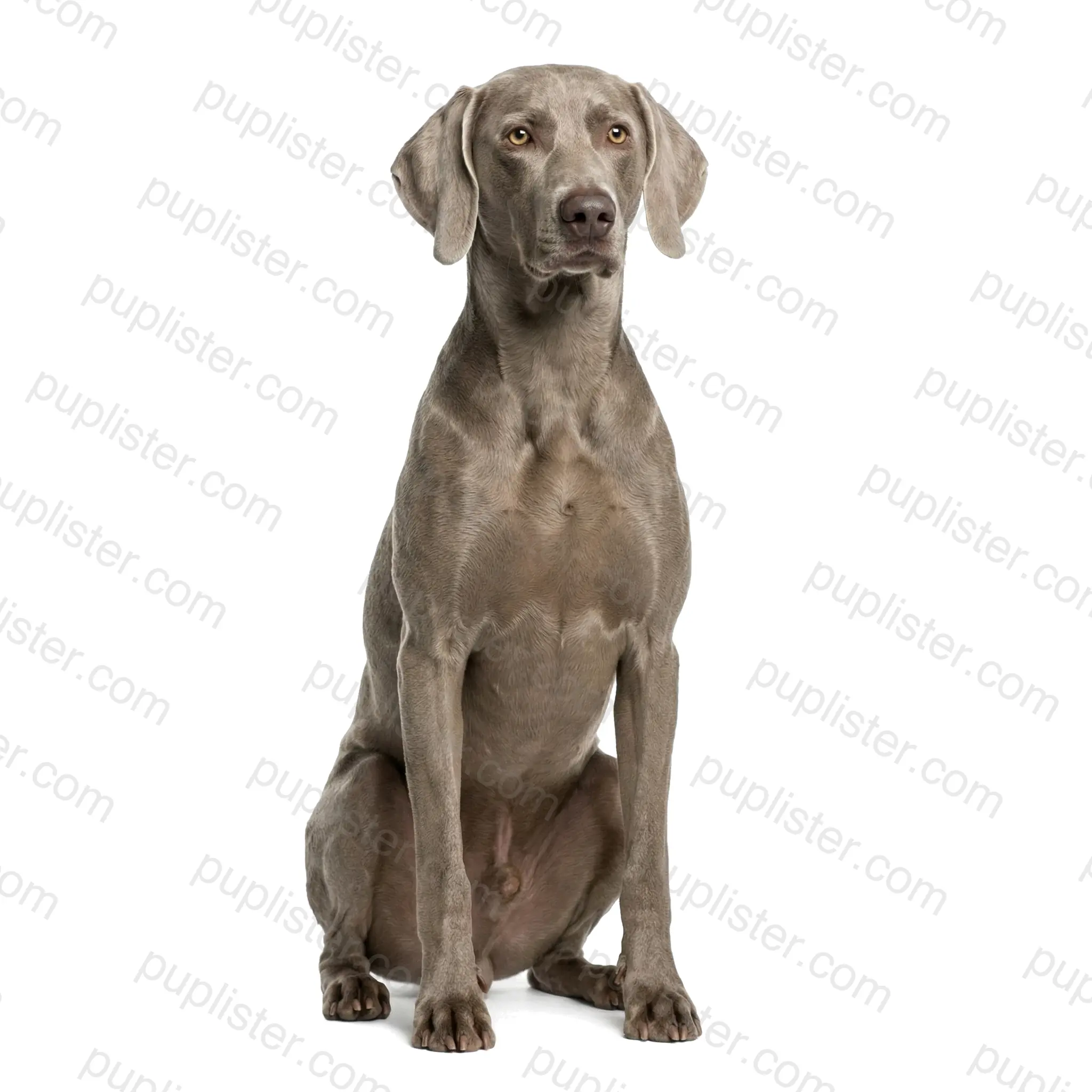
Weimaraner

18 pets available

19

About the Weimaraner The Weimaraner was developed in the early 19th century at the court of Weimar in Germany, where nobles bred these dogs to hunt large game — boar, bear, and deer — before transitioning them to bird dog duties as large game became scarce. These striking, athletic dogs stand 23 to 27 inches tall and weigh 55 to 90 pounds, with a sleek, powerful build designed for speed and endurance. Their distinctive short, smooth coat comes in shades of mouse-gray to silver-gray — earning them the nickname "Gray Ghost" — complemented by striking amber or blue-gray eyes. Temperament & Personality Weimaraners are fearless, friendly, and intensely devoted to their families — they crave human companionship and do not do well as kennel or outdoor-only dogs. They are energetic and playful with children, generally sociable with other dogs, and possess an intelligence that demands both physical and mental outlets. Without adequate exercise and attention, Weimaraners become anxious, destructive, and can develop severe behavioral problems. Pros Strikingly beautiful with an unmistakable silver-gray appearanceVersatile sporting dog — excellent for hunting, running, and competitive eventsHighly intelligent and trainable with consistent, positive methodsShort coat requires minimal grooming and sheds only moderately Cons Extreme separation anxiety — one of the most prone breeds to this conditionRequires intense daily exercise — 2 or more hours of vigorous activity is typicalProne to bloat (gastric torsion), hip dysplasia, and hyperuricosuriaCan be destructive on a grand scale when bored or anxious — has been known to eat through drywall The "Gray Ghost" is a magnificent companion for the active and committed — discover Weimaraners on Puplister.

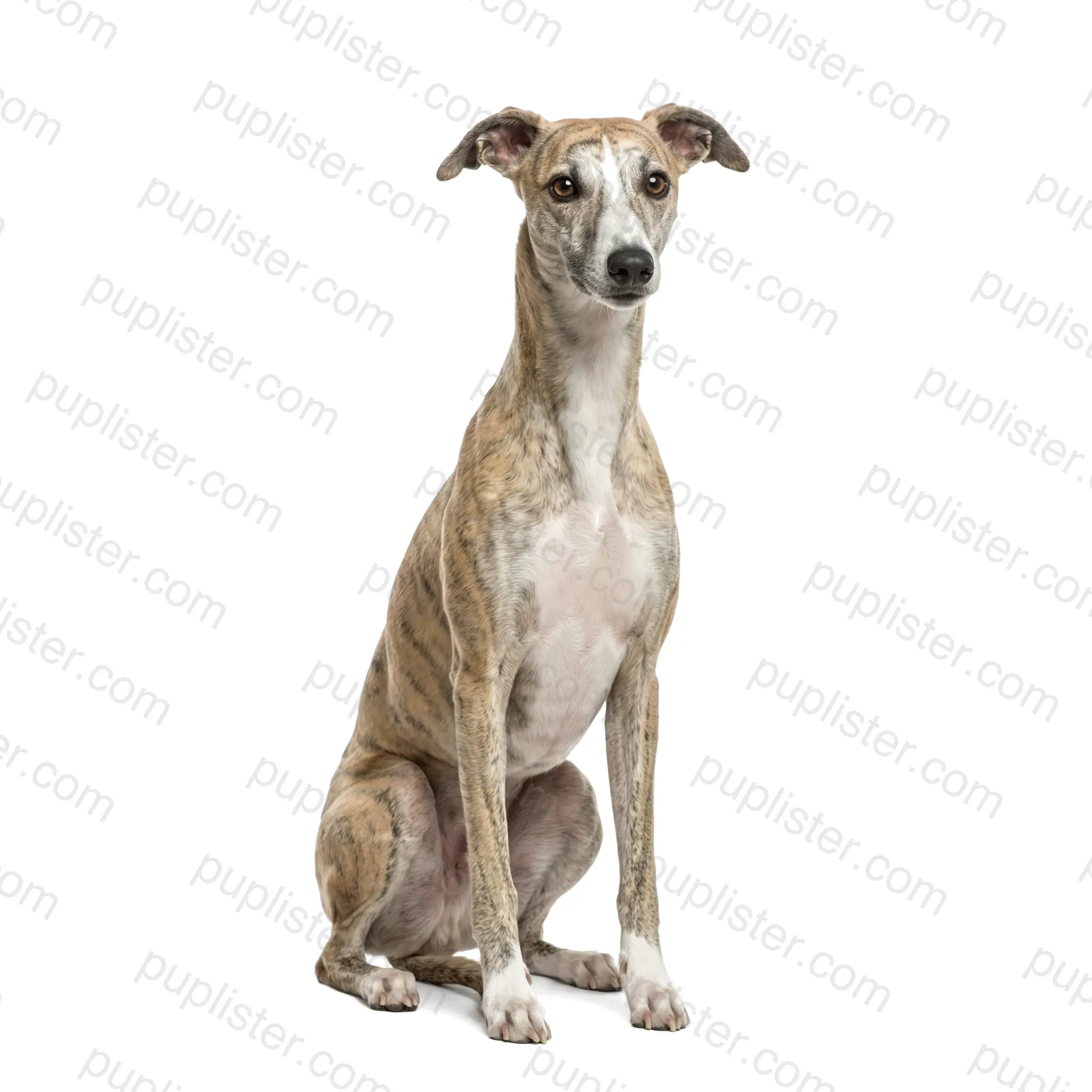
Whippet
Whippet Dog

21 pets available

10

About the Whippet The Whippet was developed in Victorian England by coal miners and mill workers who bred small Greyhounds with terriers to create an affordable racing and rabbit-coursing dog — earning the nickname "the poor man's racehorse." These elegant sighthounds stand 18 to 22 inches tall and weigh 25 to 40 pounds, with a streamlined, aerodynamic build capable of reaching speeds up to 35 miles per hour. Their short, smooth coat comes in virtually any color or pattern and lies close to the body, accentuating their graceful, muscular contours. Temperament & Personality Whippets are gentle, quiet, and remarkably calm indoors — often spending hours draped elegantly across furniture in poses that would make a greyhound proud. They are affectionate and sensitive with their families, good with children (though their slender build makes them vulnerable to rough play), and generally friendly with other dogs. Despite their sprinting ability, Whippets are surprisingly low-energy at home and are often described as the ideal apartment dog for owners who enjoy outdoor exercise. Pros Extremely calm and quiet indoors — one of the most unobtrusive housematesShort, low-maintenance coat with minimal shedding and no doggy odorGentle, affectionate nature — rarely aggressive toward people or other dogsHealthy breed with a long lifespan of 12 to 15 years Cons Intense prey drive — will chase and potentially catch small animals including catsThin skin and low body fat make them sensitive to cold and prone to scrapesCannot be trusted off-leash in unfenced areas — once they run, they cannot hear youSusceptible to anesthesia sensitivity and cardiac arrhythmias Whippets are the perfect blend of couch companion and outdoor athlete — find one looking for a home on Puplister.

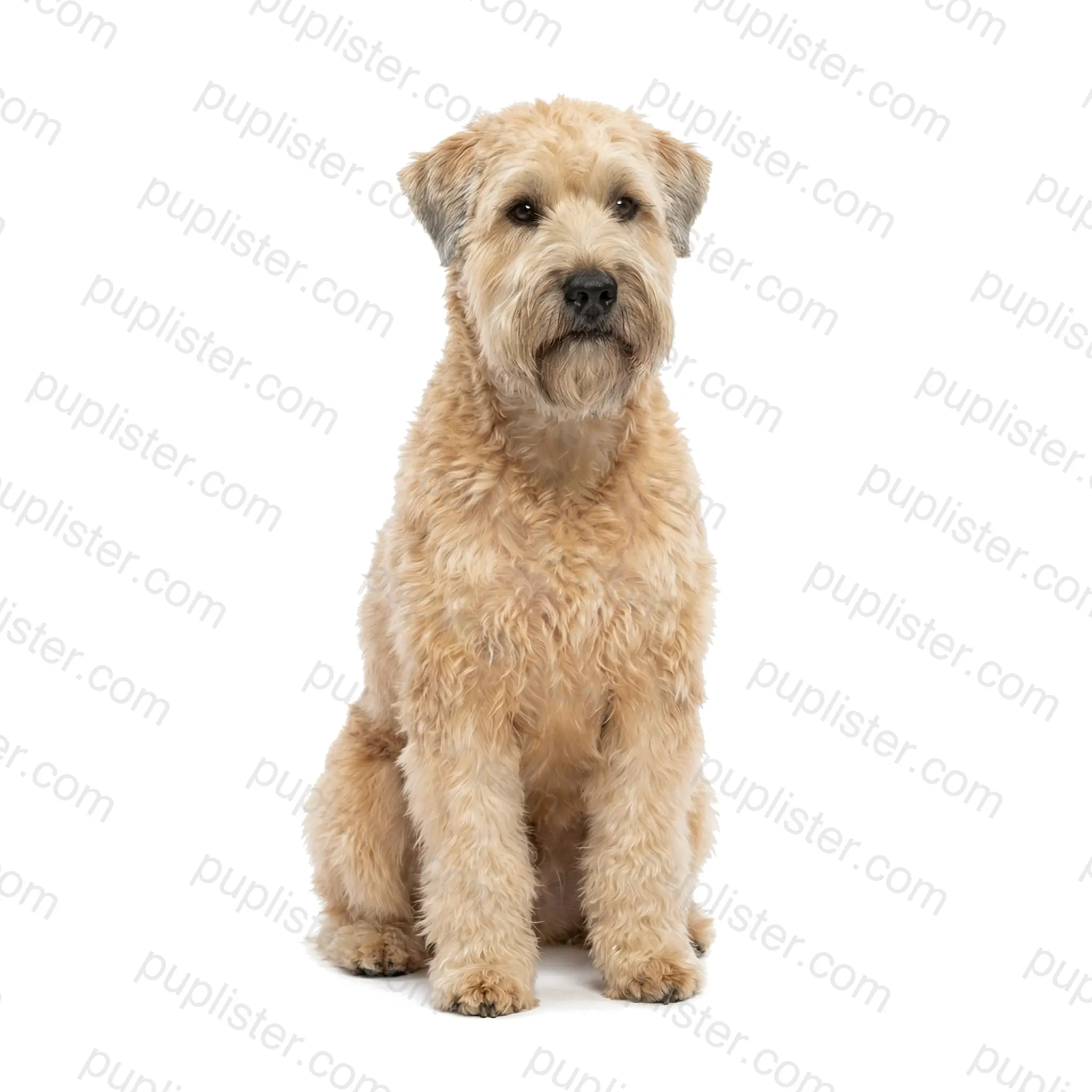
Soft Coated Wheaten Terrier

10 pets available

30

About the Soft Coated Wheaten Terrier The Soft Coated Wheaten Terrier originated in Ireland over 200 years ago as an all-purpose farm dog — herding livestock, guarding property, and dispatching vermin, earning it the nickname "the poor man's wolfhound." These medium-sized dogs stand 17 to 19 inches tall and weigh 30 to 40 pounds, with a sturdy, compact build beneath their distinctive coat. Their single-layer, silky, wavy coat matures from a dark puppy color to its signature warm wheaten gold by about two years of age — and unlike most terriers, it is soft rather than wiry. Temperament & Personality Soft Coated Wheaten Terriers are exuberant, affectionate, and joyful — known for their characteristic "Wheaten greeting" where they enthusiastically jump up to lick faces, which can be endearing or problematic depending on the recipient. They are deeply devoted to their families, excellent with children, and more tolerant of other dogs than many terrier breeds. Their happy, bouncy energy remains well into adulthood, and they approach life with an infectious enthusiasm that brightens any household. Pros Single coat sheds minimally — more suitable for allergy-sensitive householdsFriendly and exuberant — loves people and gets along with children and other dogsLess aggressive and territorial than many other terrier breedsVersatile and athletic — enjoys agility, hiking, and active family life Cons Coat requires daily brushing and regular professional grooming to prevent mattingProne to protein-losing nephropathy and protein-losing enteropathy — serious breed-specific conditionsJumping and exuberant greeting behavior can be difficult to manageCan be stubborn during training and requires patient, consistent methods The Wheaten Terrier's joyful spirit and soft golden coat are hard to resist — discover available Wheatens on Puplister.

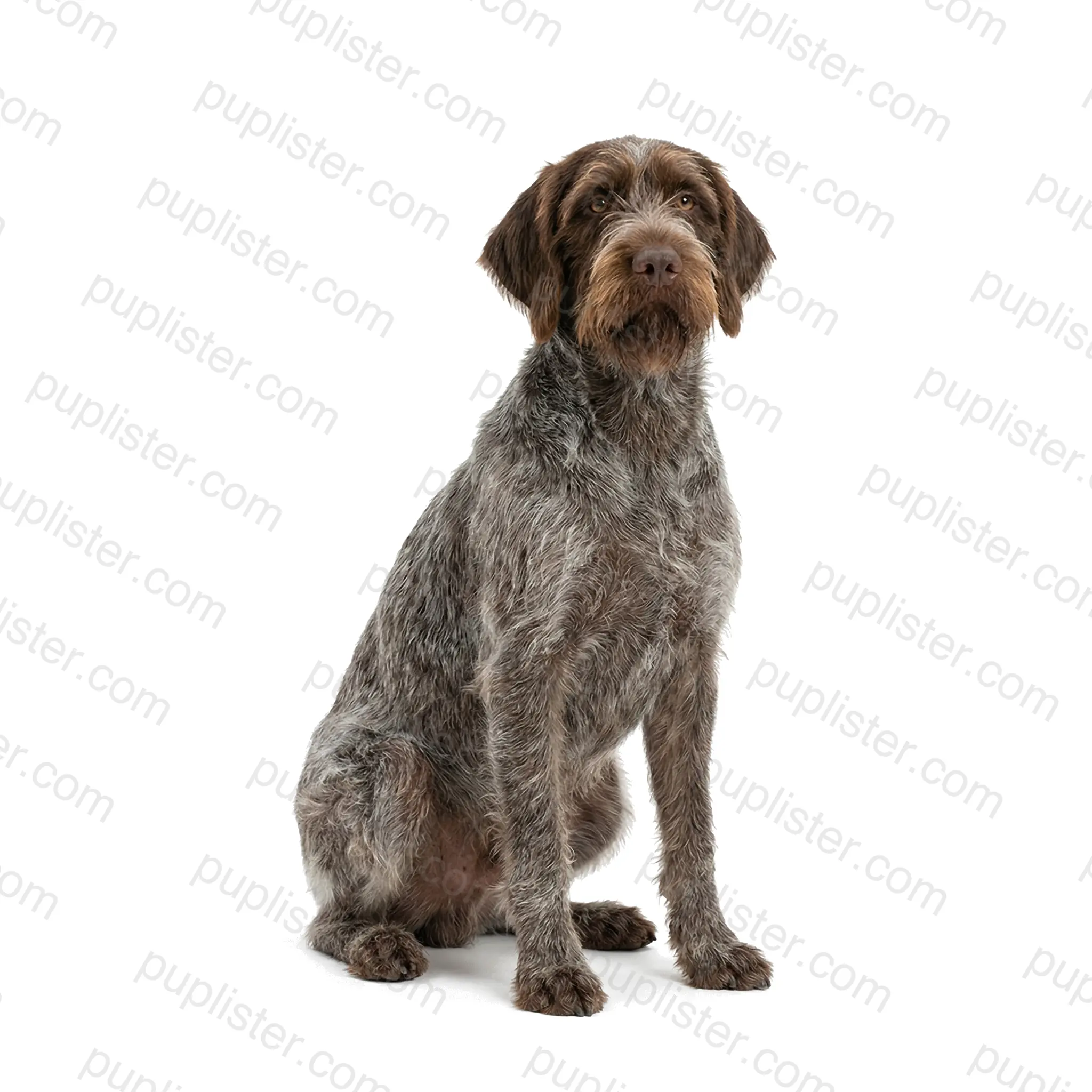
Wirehaired Pointing Griffon

6 pets available

5

About the Wirehaired Pointing Griffon The Wirehaired Pointing Griffon was developed in the late 19th century by Dutch breeder Eduard Karel Korthals, who meticulously crossed French and German griffons, setters, spaniels, and pointers to create what he considered the "supreme gundog." These medium-sized sporting dogs stand 20 to 24 inches tall and weigh 50 to 70 pounds, with a robust build that balances power with agility. Their distinctive coat features a harsh, wiry outer layer over a dense, water-resistant undercoat — typically in steel gray with brown markings, though roan, brown, and white and brown patterns also occur. Temperament & Personality Wirehaired Pointing Griffons are eager, devoted, and remarkably trainable — often called the "supreme gundog" not just for their versatile field skills but for their cooperative, people-focused temperament. They are gentle and patient with children, friendly with other dogs, and form strong bonds with every family member rather than fixating on a single person. Their enthusiasm for both work and play, combined with a gentle disposition, makes them outstanding all-around family companions for active households. Pros Versatile sporting dog — points, retrieves, and works in water and thick cover equally wellLow-shedding wiry coat suitable for allergy-conscious ownersDevoted and affectionate family dog with a gentle, trainable natureAdaptable and eager to please — excels in multiple canine sports and disciplines Cons High exercise requirements — needs vigorous daily activity and mental stimulationCoat requires regular hand-stripping or professional grooming to maintain textureCan become anxious, clingy, or destructive without adequate exercise and companionshipProne to hip dysplasia, progressive retinal atrophy, and ear infections The Wirehaired Pointing Griffon is a rare treasure among sporting breeds — see if one is available on Puplister.

Related Articles

Frequently Asked Questions

What are the key traits of a Labrador Retriever?
The Labrador Retriever is known for being friendly, outgoing, active and gentle.
How many Labrador Retrievers are available for adoption?
There are currently 1495 Labrador Retrievers available for adoption on Puplister. Browse the listings above to find your perfect match.
How do I adopt a Labrador Retriever from Puplister?
To adopt a Labrador Retriever, browse the available listings on this page, click on a pet you're interested in, and contact the shelter directly through their profile page.