Adopted Cat Meowing All Night: How to Stop It
Adopted cat meowing all night? Discover why it happens, how to create a calm environment, and a realistic timeline to quiet nighttime meows.
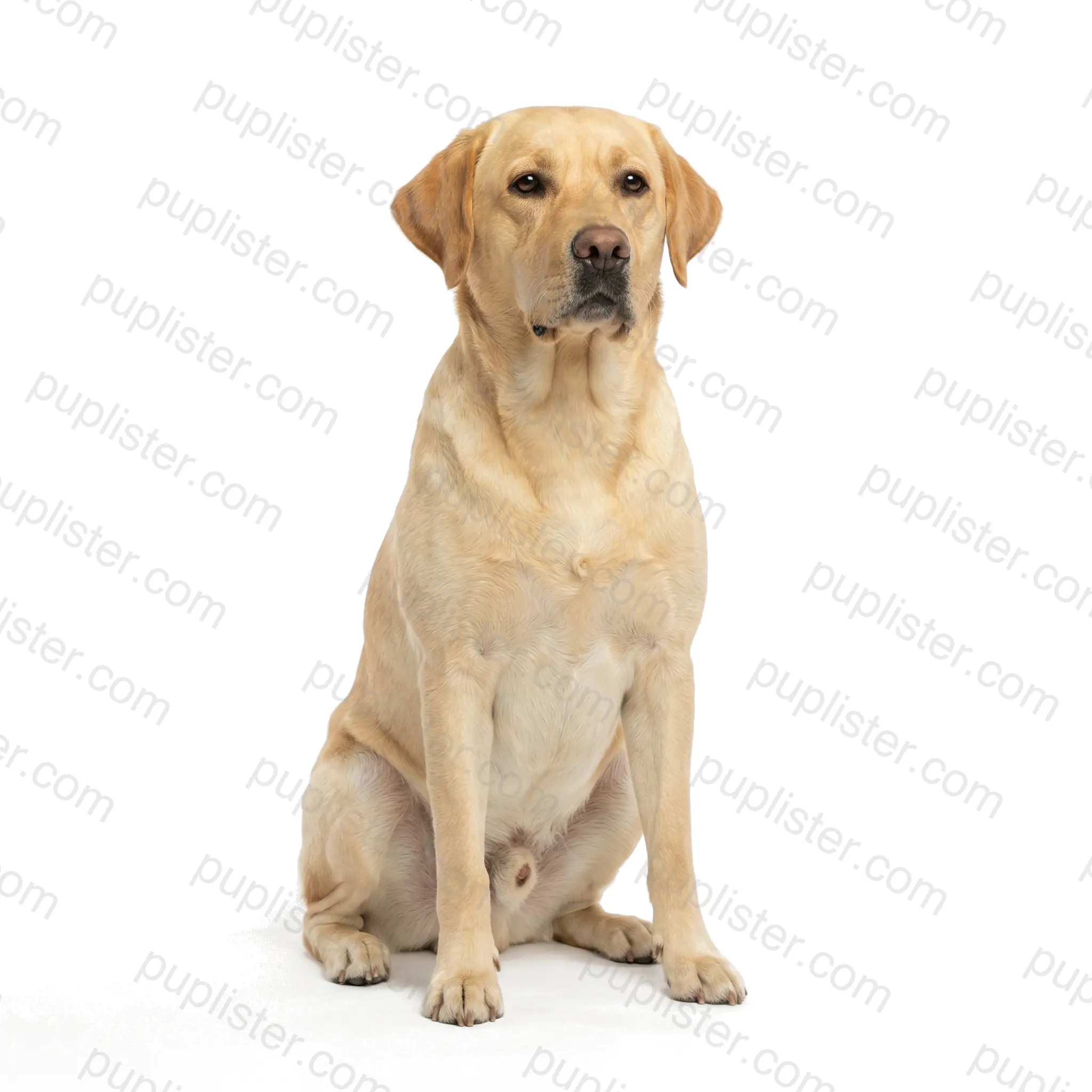
The Labrador Retriever has been America's most popular dog breed for over three decades — and for good reason. Originally bred in Newfoundland, Canada, during the early 19th century to help fishermen haul nets and retrieve catch from the icy North Atlantic, the breed was refined in England into the versatile sporting dog we know today. Labs stand 21.5–24.5 inches tall and weigh 55–80 pounds, with a short, dense, water-resistant double coat in three recognized colors: black, yellow (ranging from fox-red to pale cream), and chocolate.
Labrador Retrievers are friendly, outgoing, and high-spirited — they greet nearly every person, dog, and situation with unbridled enthusiasm and a wagging tail. They are exceptionally patient and gentle with children, making them one of the most trusted family dogs in the world. Labs are also remarkably intelligent and eager to please, which is why they dominate as guide dogs, search-and-rescue dogs, therapy dogs, and detection dogs across dozens of working disciplines.
There's a reason the Lab is the world's favorite dog — discover adoptable Labrador Retrievers on Puplister today.
Answer 5 quick questions to see how well this breed matches your lifestyle.
Labrador Retriever / Mixed
21 pets available
2About the Maltese The Maltese is one of the most ancient toy breeds — pampered by royalty and aristocrats across the Mediterranean for at least 2,000 years, with origins possibly linked to the island of Malta, though their exact birthplace remains debated by historians. Standing 7–9 inches tall and weighing just 4–7 pounds, these delicate dogs are draped in a stunning floor-length coat of pure, silky white hair that flows like a mantle — completely lacking an undercoat, which gives the hair its signature straight, silky texture. Their dark, round eyes and black button nose set against the brilliant white coat create a face of undeniable charm.Temperament & PersonalityMaltese are lively, playful, and remarkably fearless for their tiny size — they carry themselves with an aristocratic confidence that has charmed dog lovers for millennia. They are deeply devoted to their owners and thrive on attention, often developing a charming repertoire of tricks and antics to keep the spotlight on themselves. While generally friendly, they can be suspicious of strangers and intolerant of rough handling, making them better suited to households with older children or adults.ProsHypoallergenic coat — no undercoat means minimal shedding and reduced allergen productionCompact size and low exercise needs — thrives in apartments and small living spacesLong lifespan of 12–15 years with many individuals living well beyond thatPlayful and entertaining personality without the hyperactivity of many small breedsConsLuxurious white coat requires daily brushing, frequent baths, and professional grooming to prevent tangles and stainingProne to tear staining — reddish-brown streaks below the eyes require constant maintenanceSusceptible to dental disease, patellar luxation, and liver shunt — a congenital condition common in the breedCan develop small dog syndrome with excessive barking and snappiness if overindulged and under-trainedA Maltese could bring centuries of royal companionship into your home — explore adoptable Maltese dogs on Puplister.
1 pet available
About the Airedale Terrier Known as the "King of Terriers," the Airedale is the largest of all terrier breeds, standing 21–23 inches at the shoulder and weighing 40–65 pounds. Developed in the Aire Valley of Yorkshire, England, during the mid-19th century, the breed was originally used for hunting otters, rats, and other vermin along riverbanks. The Airedale sports a dense, wiry coat in a distinctive tan-and-black saddle pattern that is low-shedding but requires regular hand-stripping or clipping to maintain its texture.Temperament & PersonalityAiredales are bold, confident, and endlessly energetic — they approach life with a terrier's tenacity and a larger dog's courage. They are playful and affectionate with their families, including children, and often serve as devoted watchdogs. However, they can be strong-willed and may try to assert dominance over other dogs, so early socialization is key.ProsVersatile working dog — excels in obedience, agility, and even search-and-rescueLow-shedding, wiry coat suitable for allergy-conscious householdsLoyal protector with natural guarding instinctsHighly intelligent and quick to learn new commands and tricksConsRequires significant daily exercise and mental stimulation to prevent destructive behaviorCan be stubborn and independent, making training a challenge for novice ownersProne to digging — they will excavate your yard if left unsupervisedSusceptible to hip dysplasia and skin allergies that may require ongoing veterinary careReady to welcome the King of Terriers into your home? Search for adoptable Airedale Terriers on Puplister today.

9 pets available
2About the Mastiff The English Mastiff is one of the most ancient and massive dog breeds, with roots tracing back over 2,000 years to ancient Britain and possibly earlier Molosser-type dogs of Asia. Males commonly weigh 160 to 230 pounds and stand 30 inches or taller at the shoulder, making them among the heaviest domestic dogs in the world. Their short, dense double coat comes in fawn, apricot, or brindle — always with a distinctive dark mask on the face. Temperament & Personality Despite their imposing size, Mastiffs are famously gentle, calm, and deeply loyal — often called "gentle giants" with good reason. They are patient and protective with children in their family, though their sheer mass means supervision around small kids is wise. Mastiffs tend to be reserved with strangers but rarely aggressive, preferring to position themselves between their family and any perceived threat. Pros Naturally protective without needing guard trainingSurprisingly low energy indoors — content to lounge for hoursGentle and patient temperament ideal for familiesShort coat requires only basic weekly brushing Cons Massive food bills — adult Mastiffs eat 6 to 10 cups of food dailyShorter lifespan of 6 to 10 years typical of giant breedsProne to hip dysplasia, bloat (gastric torsion), and heart conditionsExcessive drooling is a constant reality with this breed Ready to welcome a magnificent gentle giant into your home? Explore Mastiff adoption opportunities on Puplister.
1 pet available
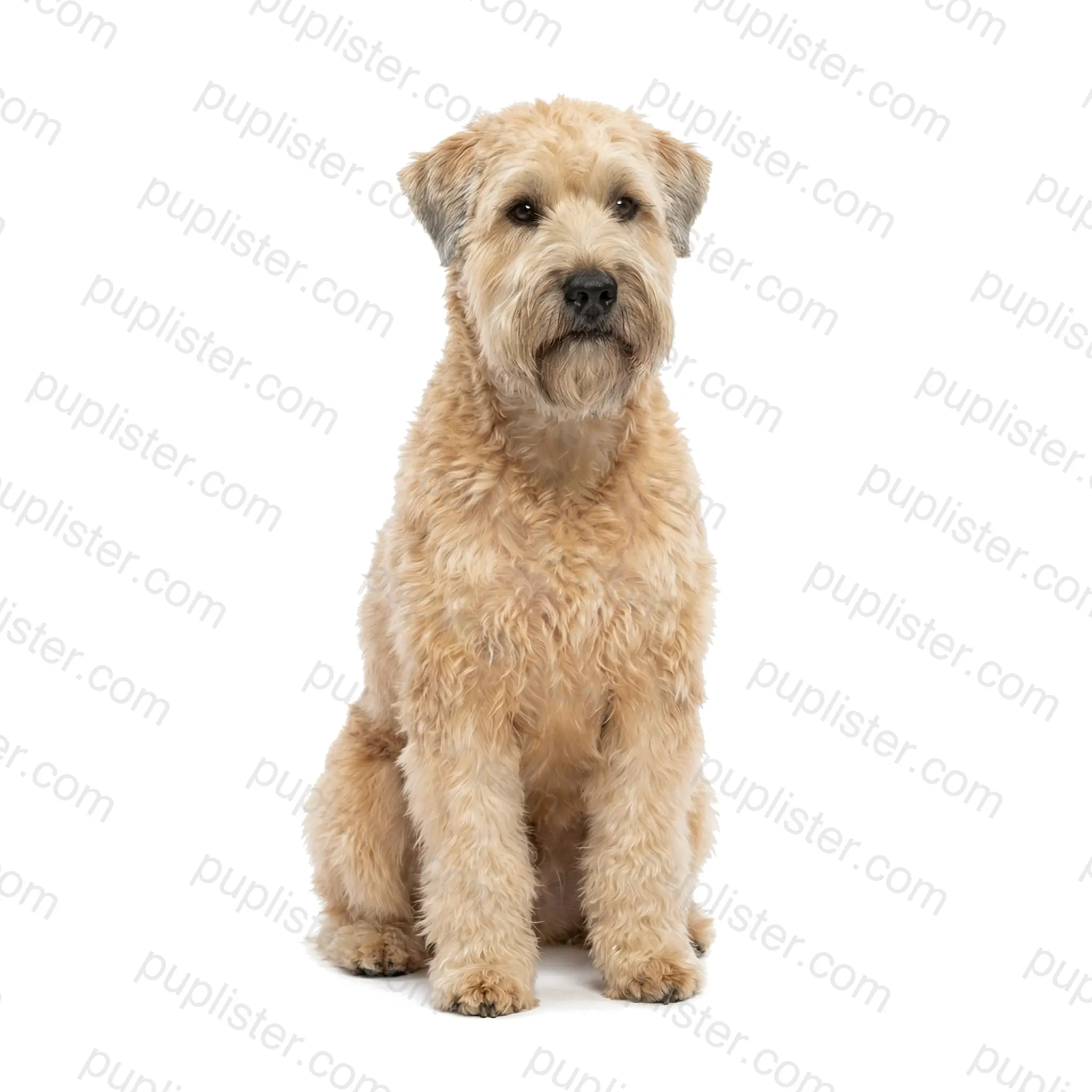
About the Portuguese Water Dog The Portuguese Water Dog was developed centuries ago along Portugal's coast, where it served as an indispensable fisherman's companion — herding fish into nets, retrieving lost tackle, and swimming messages between boats. These robust, medium-sized dogs stand 17 to 23 inches tall and weigh 35 to 60 pounds, with a strong, muscular build optimized for swimming. Their coat comes in two varieties — curly or wavy — in black, white, brown, or combinations thereof, and grows continuously like human hair rather than shedding seasonally. Temperament & Personality Portuguese Water Dogs are spirited, obedient, and deeply bonded to their families — they thrive on being included in activities and do not do well relegated to the backyard. They are playful and patient with children, typically friendly with other dogs, and possess an enthusiasm for life that is both infectious and demanding. Their intelligence and eagerness to work make them highly trainable, though they need a job or purpose to remain content. Pros Low-shedding, hypoallergenic-type coat suitable for many allergy sufferersOutstanding swimming ability and love of water activitiesHighly trainable, biddable, and eager to pleaseRobust health with a lifespan of 11 to 13 years Cons High exercise demands — needs vigorous daily activity including swimming when possibleCoat requires regular professional grooming every 4 to 6 weeksCan become mouthy and destructive if under-stimulated or left alone too longProne to hip dysplasia, progressive retinal atrophy, and GM1 storage disease A water-loving, people-devoted companion awaits — explore Portuguese Water Dog listings on Puplister.
Adopted cat meowing all night? Discover why it happens, how to create a calm environment, and a realistic timeline to quiet nighttime meows.
Is your adopted cat not eating? Learn the causes, from stress to past trauma, and discover practical solutions to get your new feline friend eating again.
Is your new cat hiding and won't come out? It's normal, but proactive steps can help. Learn how to build trust with your shy adopted cat.
Discover how long it takes for a rescue cat to feel at home with our experienced guide, covering the 3-3-3 rule and actionable tips.