Cheapest Ways to Adopt a Dog Near You
Discover the cheapest ways to adopt a dog near you, from understanding the real value of adoption fees to insider tips for finding low-cost dogs.
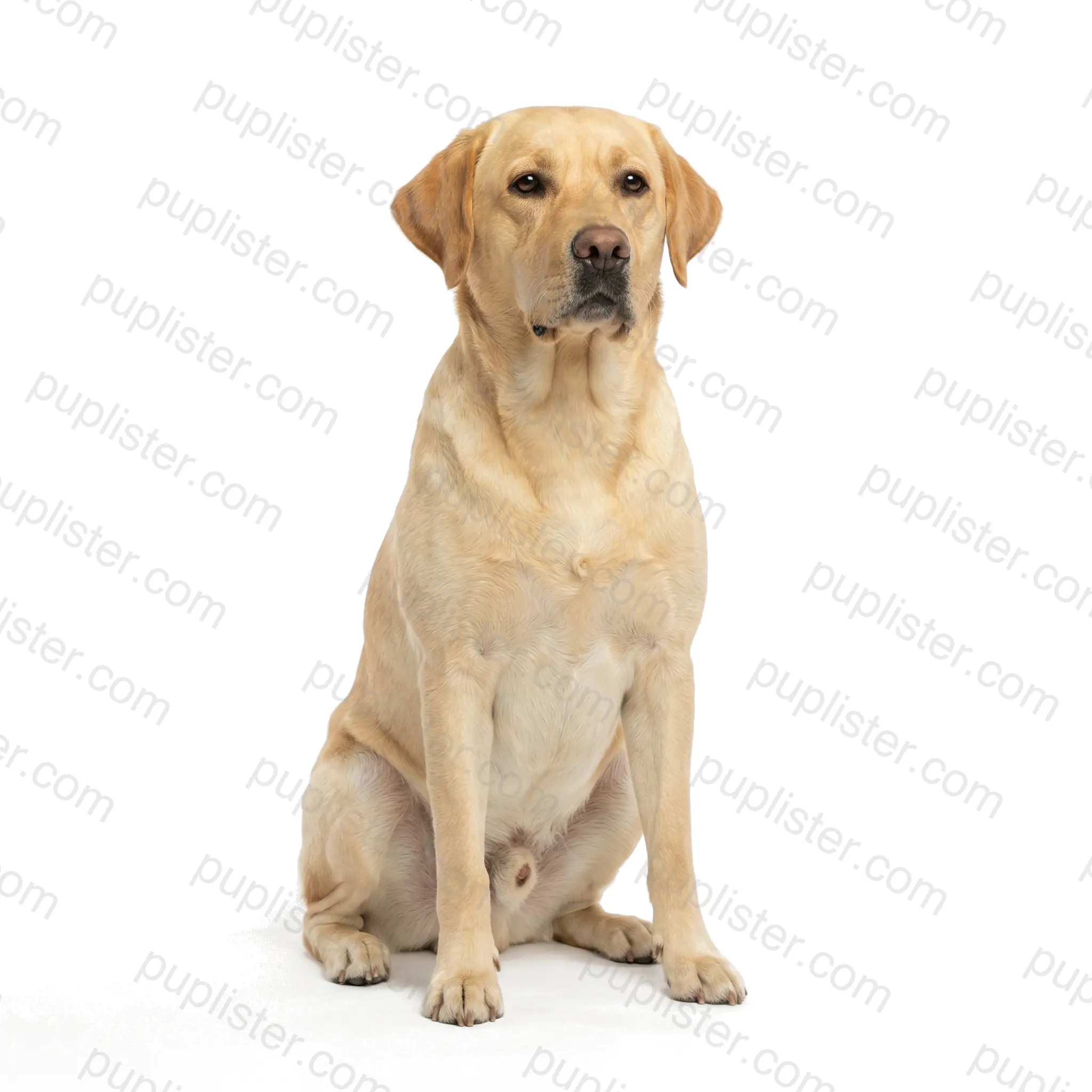
The Labrador Retriever has been America's most popular dog breed for over three decades — and for good reason. Originally bred in Newfoundland, Canada, during the early 19th century to help fishermen haul nets and retrieve catch from the icy North Atlantic, the breed was refined in England into the versatile sporting dog we know today. Labs stand 21.5–24.5 inches tall and weigh 55–80 pounds, with a short, dense, water-resistant double coat in three recognized colors: black, yellow (ranging from fox-red to pale cream), and chocolate.
Labrador Retrievers are friendly, outgoing, and high-spirited — they greet nearly every person, dog, and situation with unbridled enthusiasm and a wagging tail. They are exceptionally patient and gentle with children, making them one of the most trusted family dogs in the world. Labs are also remarkably intelligent and eager to please, which is why they dominate as guide dogs, search-and-rescue dogs, therapy dogs, and detection dogs across dozens of working disciplines.
There's a reason the Lab is the world's favorite dog — discover adoptable Labrador Retrievers on Puplister today.
Answer 5 quick questions to see how well this breed matches your lifestyle.
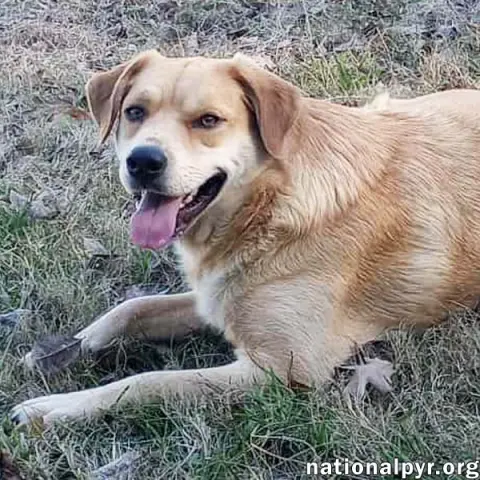
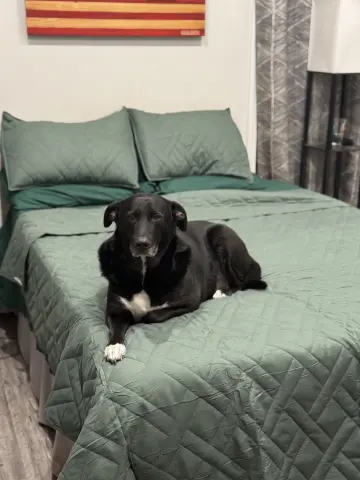
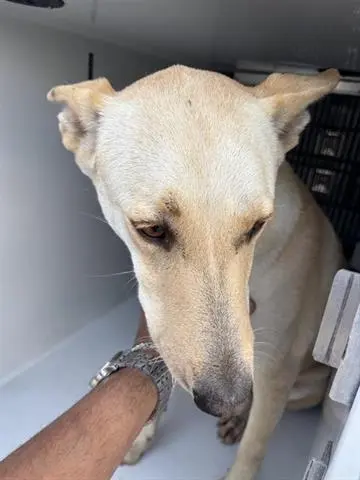
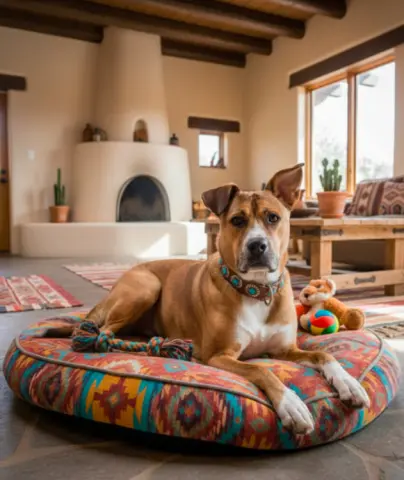
Labrador Retriever / American Staffordshire Terrier
Labrador Retriever / American Pit Bull Terrier
Mixed / Labrador Retriever
5 pets available
About the Alaskan Malamute The Alaskan Malamute is one of the oldest Arctic sled dog breeds, developed by the Mahlemut Inuit people of northwestern Alaska for hauling heavy loads across vast frozen landscapes. These powerful dogs stand 23–25 inches tall and weigh 75–100 pounds, with a sturdy, well-muscled frame built for endurance rather than speed. Their dense double coat — featuring colors like gray-and-white, sable-and-white, and all-white — is designed to withstand temperatures well below zero.Temperament & PersonalityMalamutes are friendly, affectionate, and pack-oriented — they thrive on human companionship and genuinely love being part of the family. Unlike their Husky cousins, Malamutes tend to be more calm and dignified, though they retain a playful streak well into adulthood. They are generally good with children but possess a strong prey drive toward smaller animals, and their pack mentality can lead to dominance challenges with other dogs.ProsAffectionate and people-oriented — they adore spending time with their familyExcellent hiking and outdoor adventure companion with remarkable enduranceFriendly disposition toward humans, including strangersStrong work ethic makes them excel in weight-pulling and carting activitiesConsExtreme shedding — the dense undercoat blows out twice yearly, producing massive amounts of furNot suited for warm climates and can overheat easilyNotorious escape artists — they can dig under or climb over fencesProne to hip dysplasia, cataracts, and hypothyroidismLooking for a loyal adventure partner? Check out adoptable Alaskan Malamutes on Puplister and start your journey together.
16 pets available
About the Pembroke Welsh Corgi The Pembroke Welsh Corgi originated in Pembrokeshire, Wales, around the 10th century — brought by Flemish weavers and refined into an agile cattle-herding dog. These low-set, athletic dogs stand 10 to 12 inches tall and weigh 25 to 30 pounds, with surprisingly powerful legs and a deep chest for their compact frame. Their medium-length, weather-resistant double coat comes in red, sable, fawn, or black and tan, often with characteristic white markings. Temperament & Personality Pembroke Welsh Corgis are bold, outgoing, and surprisingly athletic — combining the work ethic of a herding dog with the affectionate nature of a devoted companion. They are intelligent and eager to please, making them highly trainable, and they typically adore children and other pets in the household. Their herding instinct may lead them to nip at heels during play, a behavior that should be redirected early through training. Pros Highly intelligent and eager to learn — excels in obedience and herding trialsManageable size with the personality and athleticism of a much larger dogAdaptable to apartments, houses, and farms alikeAffectionate and entertaining — known for their expressive faces and playful antics Cons Heavy shedding year-round with massive blowouts twice yearlyProne to obesity, which severely exacerbates spinal issues in their long backsSusceptible to intervertebral disc disease, hip dysplasia, and degenerative myelopathyHerding instinct can lead to nipping at children's ankles and chasing moving objects Corgis have captured hearts worldwide — and yours might be waiting on Puplister right now.
5 pets available
About the Saint Bernard The Saint Bernard originated in the Swiss Alps at the Great St. Bernard Hospice, where monks bred these massive dogs for over 1,000 years to locate and rescue travelers lost in snowstorms along the treacherous mountain pass. Males typically stand 28 to 30 inches tall and weigh 140 to 180 pounds, though individuals exceeding 200 pounds are not uncommon. Their coat comes in two varieties — short-haired (smooth) and long-haired (rough) — both in white with red, mahogany, brindle, or brown markings. Temperament & Personality Saint Bernards are gentle, patient, and extraordinarily tolerant — their legendary devotion to humans extends to being remarkably careful and nurturing around children despite their massive size. They are friendly with strangers, other dogs, and household pets, possessing a calm, unflappable demeanor that makes them wonderful therapy dogs. While not aggressive, their sheer size and deep bark are often enough to deter unwanted visitors. Pros Exceptionally gentle and patient — one of the best giant breeds for families with childrenCalm, low-energy indoor demeanor despite enormous sizeFriendly and non-aggressive toward people and other animalsImposing presence provides natural deterrent without guard training Cons Legendary drooling — especially the loose-lipped, heavy-jowled individualsShort lifespan of 8 to 10 years, with some living even lessProne to hip and elbow dysplasia, bloat, osteosarcoma, and dilated cardiomyopathyEnormous food costs and substantial space requirements for comfortable living Few breeds embody devotion quite like the Saint Bernard — find one in need of a loving home on Puplister.
66 pets available
About the Dachshund The Dachshund — affectionately known as the "wiener dog" — was developed in Germany over 300 years ago to hunt badgers in their underground dens, which explains their uniquely elongated body and short, powerful legs. They come in two sizes — Standard (16–32 pounds) and Miniature (under 11 pounds) — and three coat types: smooth, longhaired, and wirehaired, each with its own personality nuances. Their color palette is remarkably varied, including red, black and tan, chocolate, dapple, brindle, and piebald patterns.Temperament & PersonalityDachshunds are bold, clever, and remarkably stubborn — a combination that makes them endlessly entertaining and occasionally infuriating. They're fiercely loyal to their families and can be surprisingly courageous watchdogs, barking with the intensity of a dog three times their size. While affectionate with their people, they can be wary of strangers and may not tolerate rough handling from young children.ProsCompact size and moderate exercise needs make them excellent apartment companionsBold, entertaining personality — constantly amusing their owners with clownish anticsLong lifespan of 12–16 years with proper care and weight managementWirehaired variety sheds minimally and is well-suited for allergy-conscious homesConsExtremely prone to intervertebral disc disease — 1 in 4 will experience back problemsNotoriously difficult to housebreak — often takes 6+ months of consistent trainingStrong prey drive and tunneling instinct — will dig up gardens and chase small animals relentlesslyProne to obesity, which dramatically increases the risk of spinal injuriesCharmed by these spirited little hounds? Find Dachshunds seeking loving homes on Puplister today.
Discover the cheapest ways to adopt a dog near you, from understanding the real value of adoption fees to insider tips for finding low-cost dogs.
Learn the easy steps to transfer dog microchip after adoption. This guide covers finding info, contacting registries, and overcoming common hurdles.
Understand the full dog adoption costs beyond the initial fee, including ongoing care, unexpected expenses, and a 5-year financial forecast.
Foster-to-adopt offers a trial period to see if a dog is the right fit, bridging temporary care and permanent adoption for a happy home.