Cheapest Ways to Adopt a Dog Near You
Discover the cheapest ways to adopt a dog near you, from understanding the real value of adoption fees to insider tips for finding low-cost dogs.
The Labrador Retriever has been America's most popular dog breed for over three decades — and for good reason. Originally bred in Newfoundland, Canada, during the early 19th century to help fishermen haul nets and retrieve catch from the icy North Atlantic, the breed was refined in England into the versatile sporting dog we know today. Labs stand 21.5–24.5 inches tall and weigh 55–80 pounds, with a short, dense, water-resistant double coat in three recognized colors: black, yellow (ranging from fox-red to pale cream), and chocolate.
Labrador Retrievers are friendly, outgoing, and high-spirited — they greet nearly every person, dog, and situation with unbridled enthusiasm and a wagging tail. They are exceptionally patient and gentle with children, making them one of the most trusted family dogs in the world. Labs are also remarkably intelligent and eager to please, which is why they dominate as guide dogs, search-and-rescue dogs, therapy dogs, and detection dogs across dozens of working disciplines.
There's a reason the Lab is the world's favorite dog — discover adoptable Labrador Retrievers on Puplister today.
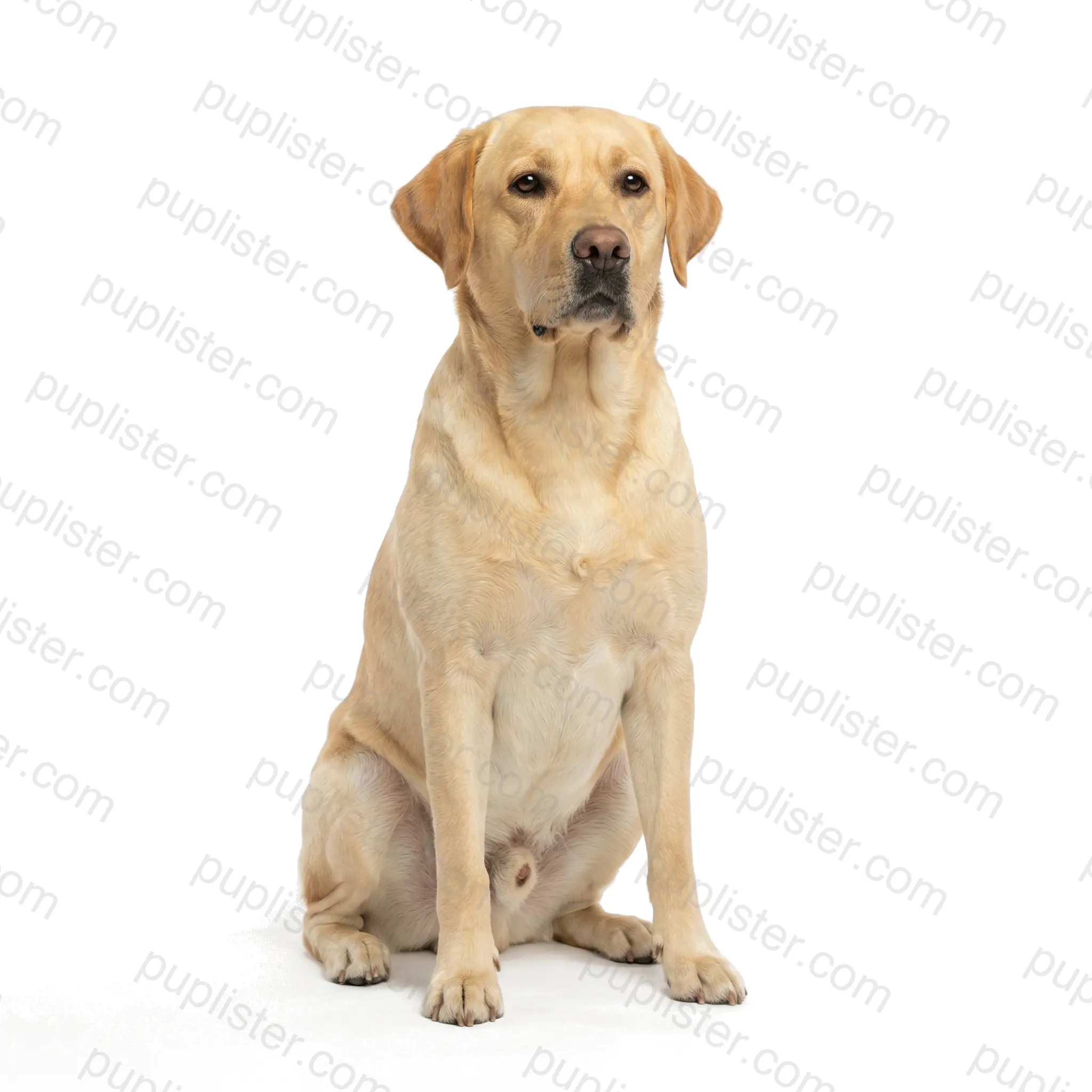
Answer 5 quick questions to see how well this breed matches your lifestyle.
Labrador Retriever / Mixed
Labrador Retriever / American Pit Bull Terrier
1 pet available
About the Labradoodle The Labradoodle was first intentionally bred in 1989 by Wally Conron of the Royal Guide Dogs Association of Australia, who crossed a Standard Poodle with a Labrador Retriever to create a guide dog suitable for a visually impaired woman whose husband had dog allergies. They vary widely in size — Miniature (15–25 pounds), Medium (30–45 pounds), and Standard (50–65 pounds) — and their coats range from flat and hair-like to loose waves to tight curls, in colors including cream, gold, chocolate, black, red, and parti-color. As a crossbreed, their appearance and temperament are less predictable than purebred dogs.Temperament & PersonalityLabradoodles typically combine the Labrador's friendly eagerness with the Poodle's intelligence and playfulness — resulting in an enthusiastic, sociable, and highly trainable companion. They are generally excellent with children and other pets, inheriting the Labrador's patience and the Poodle's gentleness in equal measure. Their energetic, joyful nature and intuitive emotional awareness have made them popular therapy and assistance dogs worldwide.ProsMany individuals have low-shedding coats — particularly those with curlier, Poodle-influenced hairIntelligent and highly trainable — inherits strong work ethic from both parent breedsFriendly, social temperament makes them excellent family and therapy dogsAvailable in multiple sizes to suit different living environments and lifestyle needsConsCoat type is unpredictable — no guarantee of hypoallergenic qualities, especially in first-generation crossesRequires regular professional grooming every 6–8 weeks regardless of coat typeNo breed standard — significant variation in size, temperament, and appearance within littersCan inherit health problems from both parent breeds — hip dysplasia, eye disease, and Addison's diseaseA lovable Labradoodle could be your perfect family addition — find available dogs on Puplister today.
692 pets available
About the American Pit Bull Terrier The American Pit Bull Terrier traces its roots to 19th-century England, where Bulldogs and Terriers were crossed to create a dog combining strength with agility. Standing 17–21 inches tall and weighing 30–60 pounds, the APBT is a medium-sized, solidly built dog with a broad chest and well-defined musculature. Their short, glossy coat comes in virtually every color and pattern — including blue, red, brindle, and merle — and is exceptionally easy to maintain.Temperament & PersonalityDespite their often-misunderstood reputation, American Pit Bull Terriers are among the most people-oriented breeds — they are affectionate, eager to please, and frequently described as "nanny dogs" for their gentleness with children. They are intelligent, loyal, and enthusiastic about training when given positive reinforcement. However, some individuals may exhibit dog-selectivity, and responsible ownership includes understanding their terrier-driven tenacity.ProsExtremely affectionate and loyal — they bond deeply with every family memberHighly trainable and eager to please, excelling in obedience and noseworkLow grooming needs with their short, easy-care coatAthletic and energetic — outstanding companion for active lifestylesConsSubject to breed-specific legislation and housing restrictions in many areasMay develop dog-selectivity, requiring careful management around other dogsStrong and powerful — not ideal for physically frail ownersProne to skin allergies, hip dysplasia, and congenital heart diseaseThese loving, misunderstood dogs deserve wonderful homes — browse adoptable Pit Bull Terriers on Puplister today.
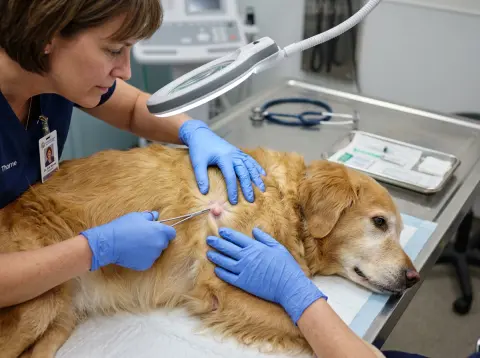
17 pets available
About the Boston Terrier The Boston Terrier — affectionately known as the "American Gentleman" — was developed in Boston, Massachusetts, in the late 1800s from crosses between English Bulldogs and white English Terriers. Standing 15–17 inches tall and weighing 12–25 pounds, they come in three weight classes and sport a compact, well-proportioned build with a distinctive tuxedo-like coat pattern. Their short, smooth coat appears in black-and-white, brindle-and-white, or seal-and-white — always with the characteristic white blaze, muzzle band, and chest marking.Temperament & PersonalityBoston Terriers are lively, intelligent, and brimming with personality — they have a wonderful sense of humor and seem to know exactly how to make their owners laugh. They are exceptionally friendly with people of all ages, including children and seniors, and typically get along well with other dogs and cats. Their moderate energy level and adaptable nature make them equally happy on a brisk walk or curled up on the couch.ProsPerfect apartment dog — compact size, moderate exercise needs, and minimal barkingFriendly and sociable with virtually everyone, including strangers and other petsLow-maintenance coat requiring only occasional brushingHighly adaptable temperament that suits first-time owners and experienced dog people alikeConsBrachycephalic (flat-faced) structure causes breathing difficulties, snoring, and heat intoleranceProne to eye injuries and conditions like cataracts, cherry eye, and corneal ulcersCan be stubborn about housetraining despite their intelligenceSusceptible to patellar luxation and spinal issues due to their compact buildBoston Terriers are the perfect blend of charm and companionship — find adoptable Boston Terriers on Puplister now.
8 pets available
About the Bullmastiff The Bullmastiff was developed in 19th-century England by crossing Bulldogs with Mastiffs — the goal was a powerful, silent guardian capable of tracking and pinning poachers on large estates without mauling them. Standing 24–27 inches tall and weighing 100–130 pounds, the Bullmastiff is a massive, muscular dog with a broad head, dark muzzle, and an imposing physical presence. Their short, dense coat comes in fawn, red, or brindle — always with a black mask — and sheds moderately with minimal grooming requirements.Temperament & PersonalityBullmastiffs are confident, loyal, and naturally protective — they are alert guardians who rely on their size and intimidating presence rather than excessive barking to deter intruders. Despite their imposing appearance, they are gentle and affectionate with their families, showing particular patience and tenderness with children. They are typically calm and quiet indoors, content to lie at their owner's feet, but they can be territorial with unfamiliar dogs and require early, consistent socialization.ProsNaturally protective — their imposing presence alone is an effective deterrentSurprisingly low-energy indoors, adapting well to a calm household routineGentle and affectionate with family members, including childrenMinimal grooming needs with their short, easy-care coatConsShort lifespan averaging only 7–9 yearsProne to bloat, hip and elbow dysplasia, lymphoma, and mast cell tumorsSignificant drooling, especially around mealtimes and in warm weatherTheir sheer size and strength require an experienced owner capable of managing 100+ pounds of dogA Bullmastiff offers protection and companionship in equal measure — explore adoptable Bullmastiffs on Puplister and find your gentle giant.
Discover the cheapest ways to adopt a dog near you, from understanding the real value of adoption fees to insider tips for finding low-cost dogs.
Learn the easy steps to transfer dog microchip after adoption. This guide covers finding info, contacting registries, and overcoming common hurdles.
Understand the full dog adoption costs beyond the initial fee, including ongoing care, unexpected expenses, and a 5-year financial forecast.
Foster-to-adopt offers a trial period to see if a dog is the right fit, bridging temporary care and permanent adoption for a happy home.