Adopted Cat Meowing All Night: How to Stop It
Adopted cat meowing all night? Discover why it happens, how to create a calm environment, and a realistic timeline to quiet nighttime meows.
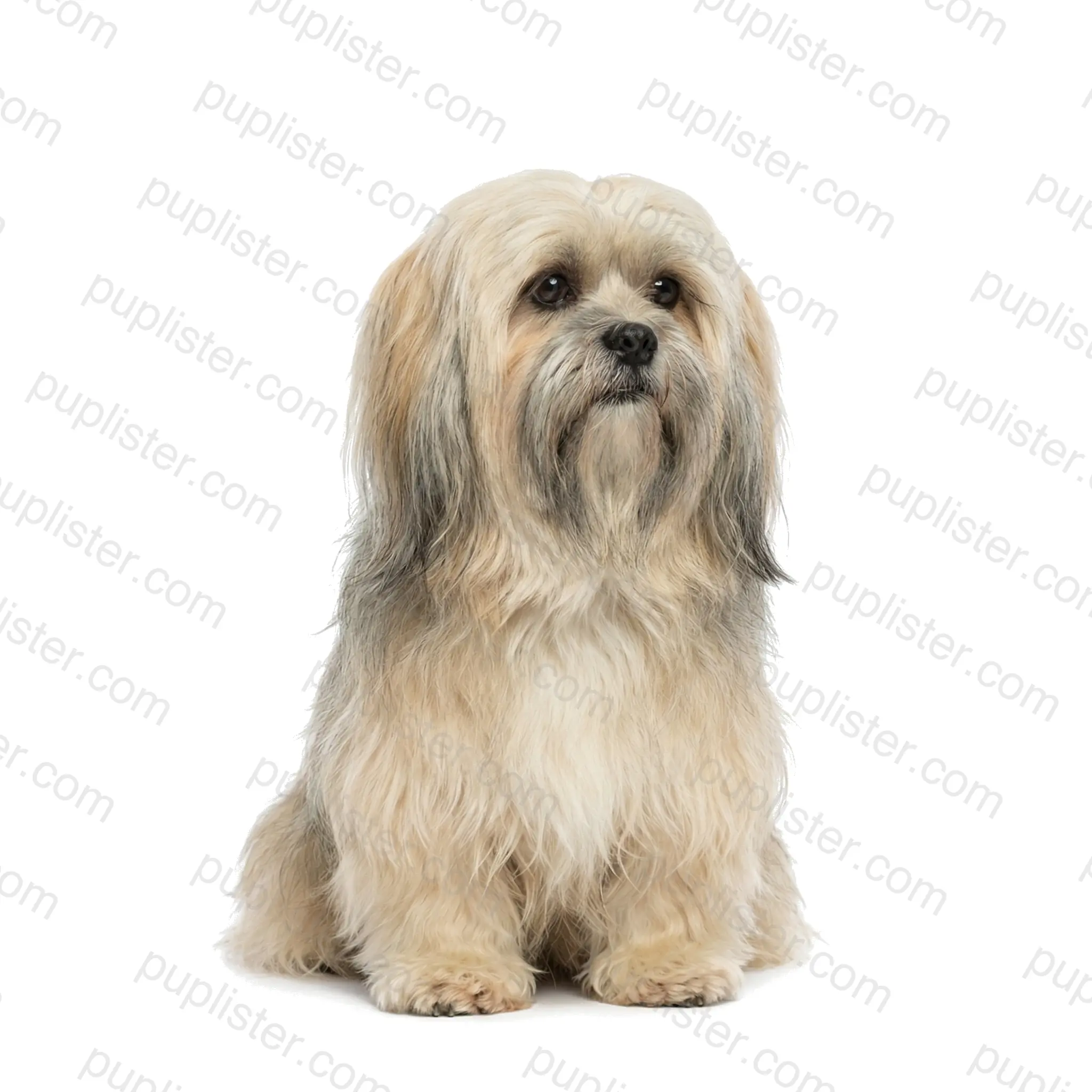
The Lhasa Apso — named after the sacred city of Lhasa in Tibet — served as an interior sentinel in Buddhist monasteries and noble households for over a thousand years, alerting monks to intruders with their sharp, penetrating bark. Standing 10–11 inches tall and weighing 12–18 pounds, these sturdy little dogs have a dense, floor-length double coat that parts down the middle of the back and comes in a wide range of colors including gold, cream, honey, smoke, slate, white, black, and parti-color. Their heavy coat, developed to insulate against Tibet's harsh mountain climate, gives them a dramatically different appearance from most toy breeds.
Lhasa Apsos are independent, assertive, and surprisingly tough-minded — they are companion dogs with the heart of a watchdog and the confidence of a much larger breed. They are devoted and affectionate with their chosen family but maintain a regal aloofness with strangers that can take time to warm up from. Unlike many small breeds, Lhasas are not typically needy or clingy — they enjoy companionship on their own terms and are content to watch from across the room.
Discover the ancient charm and loyal spirit of the Lhasa Apso — find one waiting for you on Puplister.
Answer 5 quick questions to see how well this breed matches your lifestyle.
16 pets available
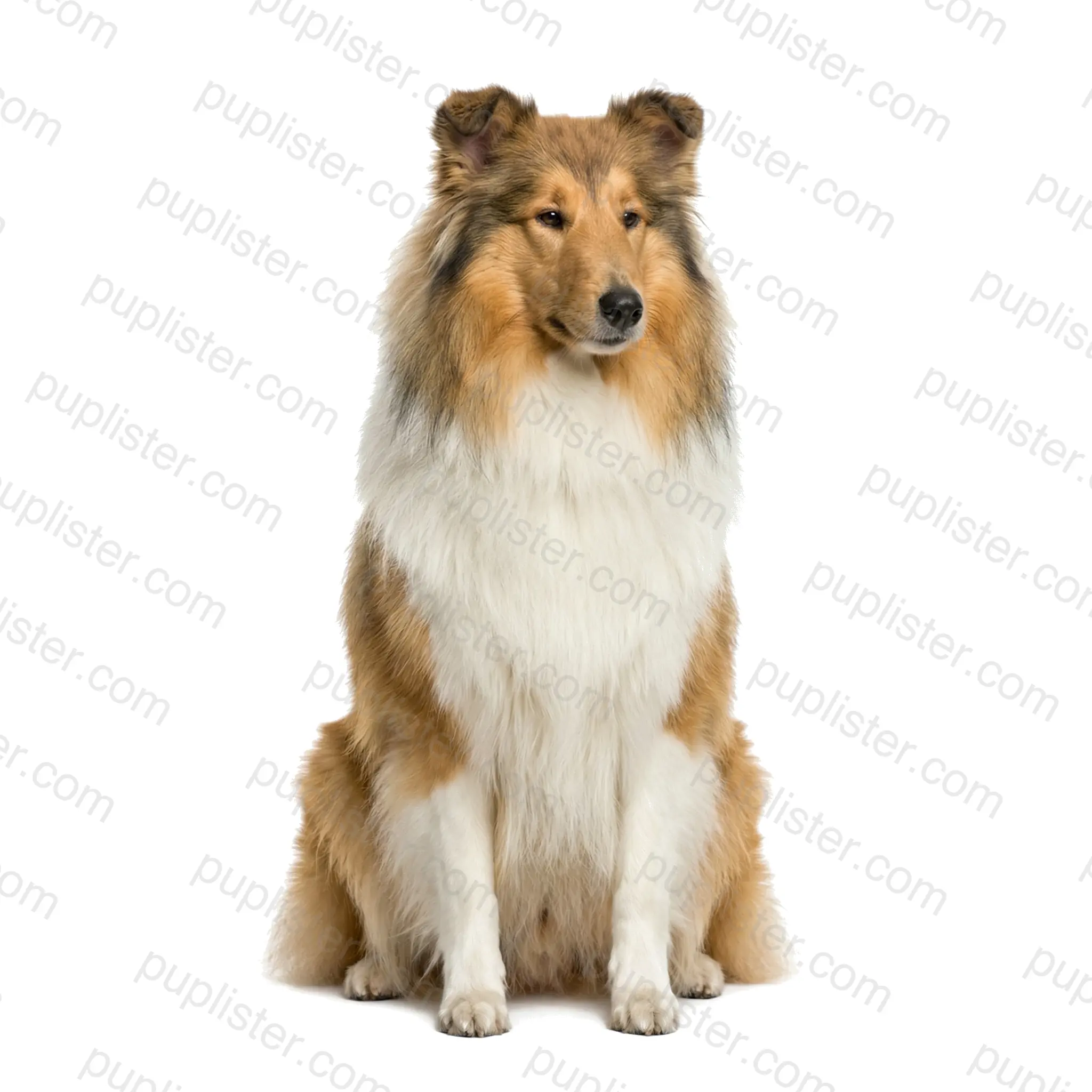
About the Collie The Collie — immortalized by the fictional Lassie — originated in Scotland and northern England as a supremely capable herding dog guarding flocks across rugged highland terrain. Standing 22–26 inches tall and weighing 50–75 pounds, the breed comes in two coat varieties — the iconic Rough Collie with its abundant mane and the sleeker Smooth Collie — in sable and white, tricolor, blue merle, and white colorations. Their wedge-shaped head, almond eyes, and graceful build give them an unmistakable elegance among herding breeds.Temperament & PersonalityCollies are among the most gentle and devoted of all breeds — known for their uncanny ability to sense their family's emotions and respond with quiet comfort. They are exceptionally patient with children and often take on a protective, nurturing role with the youngest family members. While friendly toward strangers, they'll alert you to anything unusual with a distinctive bark — though excessive barking can develop without training.ProsOne of the most naturally gentle and trustworthy breeds with children of all agesHighly intelligent and responsive to training — learn commands with minimal repetitionModerate exercise needs — satisfied with daily walks and yard play rather than intense activityClean dogs with little doggy odor despite their abundant coatsConsRough variety sheds heavily year-round and requires thorough brushing 2–3 times weeklyProne to Collie Eye Anomaly — a hereditary condition affecting up to 70% of the breedCan develop nuisance barking if bored or left alone frequentlySensitive to many common veterinary drugs due to the MDR1 gene mutationBring home a loyal and graceful Collie — explore adoptable Collies waiting for families on Puplister.
28 pets available
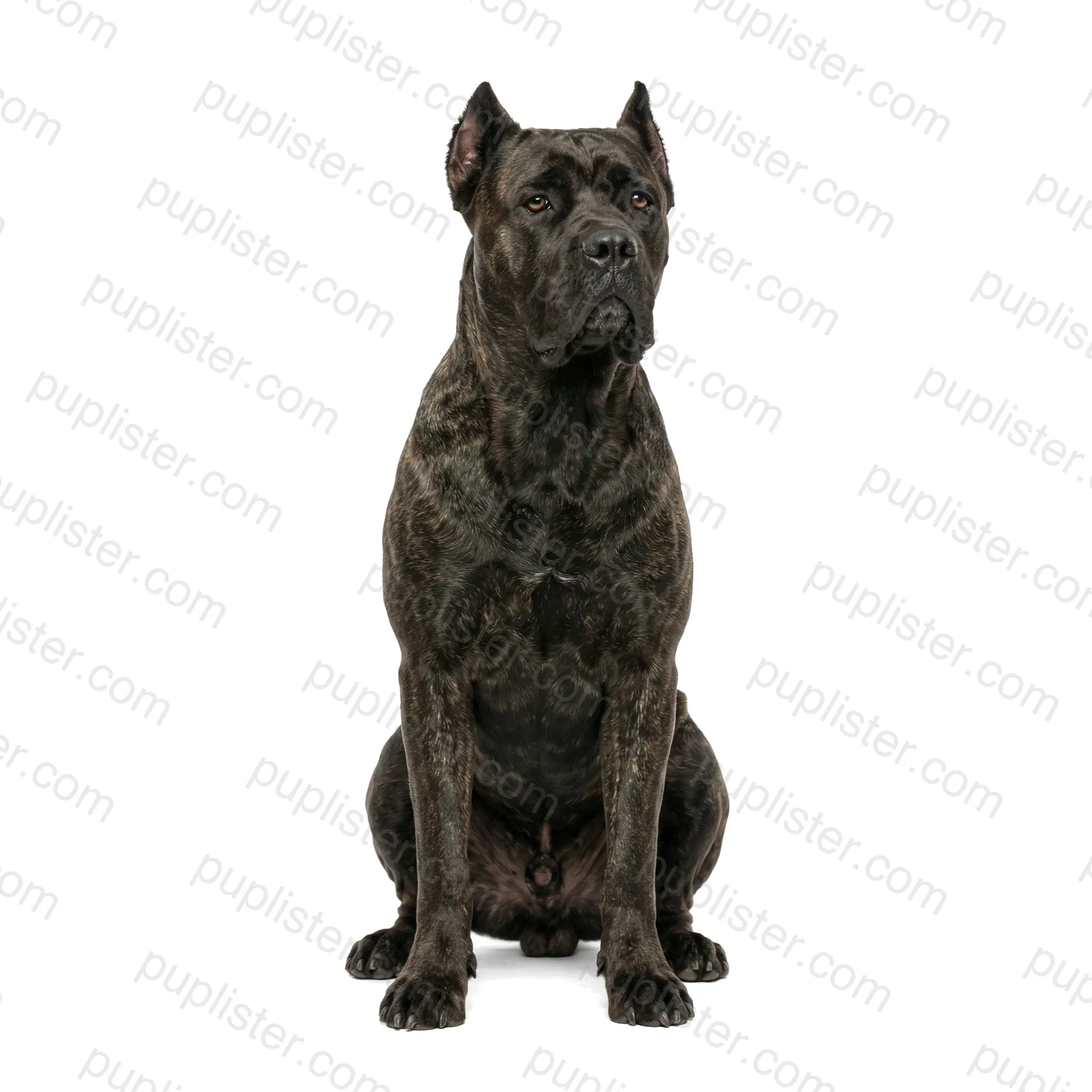
About the Cane Corso The Cane Corso is an ancient Italian mastiff breed whose lineage traces directly to the Roman canis pugnaces — war dogs that accompanied legions into battle. Standing 23.5–27.5 inches tall and weighing 90–120 pounds, the Cane Corso is a large, athletic, and muscular dog that is notably more agile and less bulky than other mastiff breeds. Their short, stiff, double-layered coat comes in black, gray, fawn, red, and brindle — often with a black or gray mask — and requires minimal grooming.Temperament & PersonalityCane Corsos are intelligent, loyal, and intensely protective — they are working dogs at heart, bred to guard property, livestock, and families with quiet confidence and unwavering vigilance. They bond deeply with their owners and are affectionate and gentle within the family circle, but they are naturally suspicious of strangers and can be assertive with other dogs. This is emphatically not a breed for inexperienced owners — they require firm, consistent leadership and extensive socialization from puppyhood.ProsExceptional guardian — their protective instincts are reliable and deeply ingrainedMore athletic and agile than other mastiff breeds, capable of true working performanceLoyal and affectionate with family — surprisingly gentle with children they've been raised withLow-maintenance coat with minimal grooming needsConsRequires an experienced, confident owner who can establish and maintain leadershipCan be dog-aggressive and territorial without thorough socializationProne to hip dysplasia, bloat, cherry eye, and idiopathic epilepsyTheir size and strength can make them dangerous if improperly trained or handledFor the right owner, a Cane Corso is an unparalleled companion and protector — find adoptable Cane Corsos on Puplister.
60 pets available
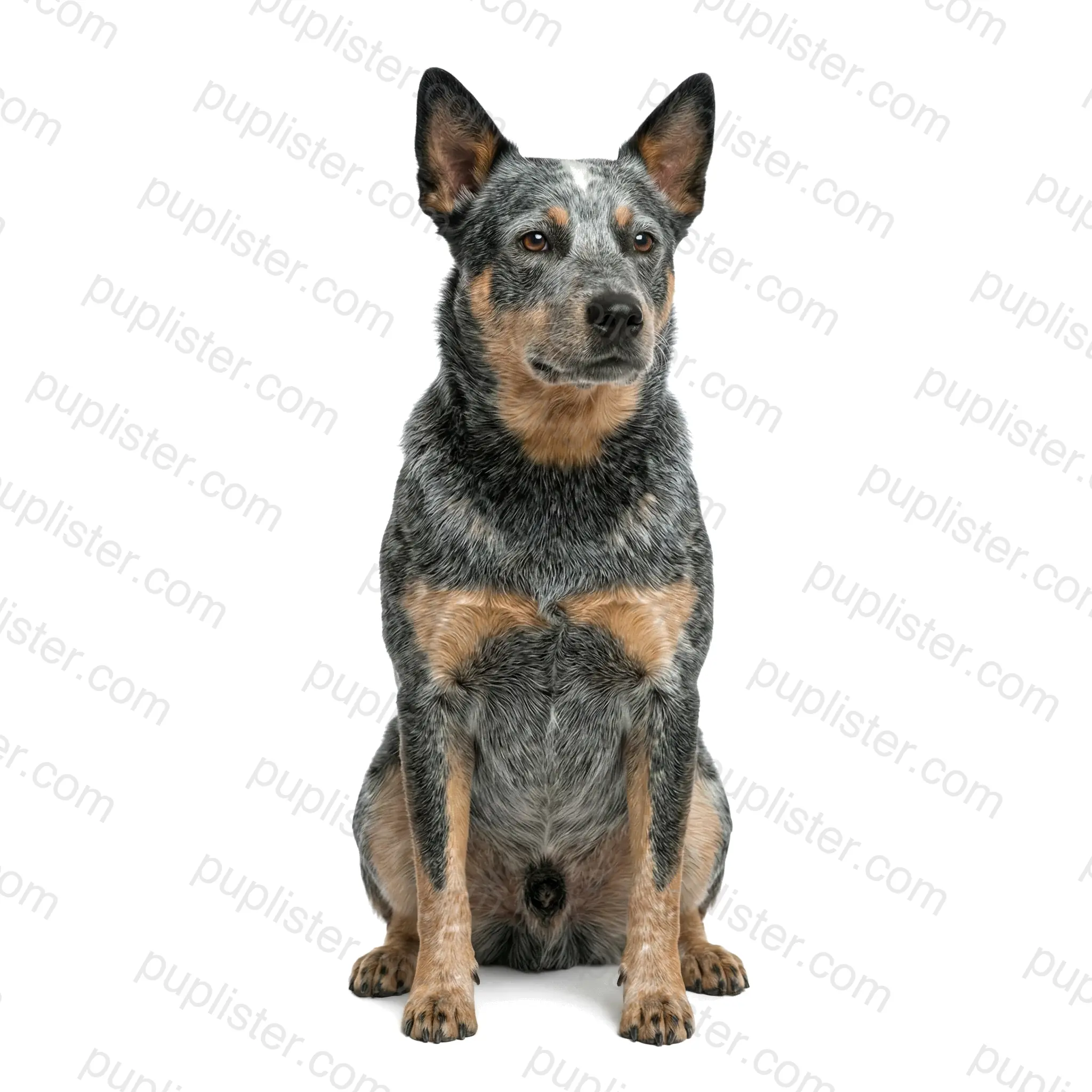
About the Australian Cattle Dog The Australian Cattle Dog — also known as the Blue Heeler or Red Heeler — was developed in 19th-century Australia by crossing native Dingoes with Collies and Dalmatians to create the ultimate cattle-herding dog. Compact and muscular, they stand 17–20 inches tall and weigh 35–50 pounds, with a sturdy build designed for all-day work in harsh outback conditions. Their distinctive short double coat comes in two color patterns — blue or blue-mottled and red speckled — and sheds moderately year-round.Temperament & PersonalityAustralian Cattle Dogs are intensely loyal, highly intelligent, and tireless workers — they need a job to do or they will invent one, often to their owner's dismay. They bond deeply with one person and can be velcro dogs, following their favorite human everywhere. They are naturally cautious with strangers and may nip at heels — a herding instinct that needs to be redirected — but they are fiercely devoted companions for active owners.ProsExceptionally intelligent and trainable — they excel in agility, herding trials, and obedienceHardy and healthy with a long lifespan averaging 12–16 yearsCompact size makes them manageable while still being robust enough for outdoor workLow grooming requirements with their short, weather-resistant coatConsExtremely high energy — requires 1–2 hours of vigorous exercise dailyTendency to nip and herd children, other pets, and even adultsCan become destructive, anxious, or obsessive without adequate mental stimulationProne to progressive retinal atrophy, deafness, and hip dysplasiaThink you can keep up with an Australian Cattle Dog? Find your energetic companion on Puplister.
8 pets available
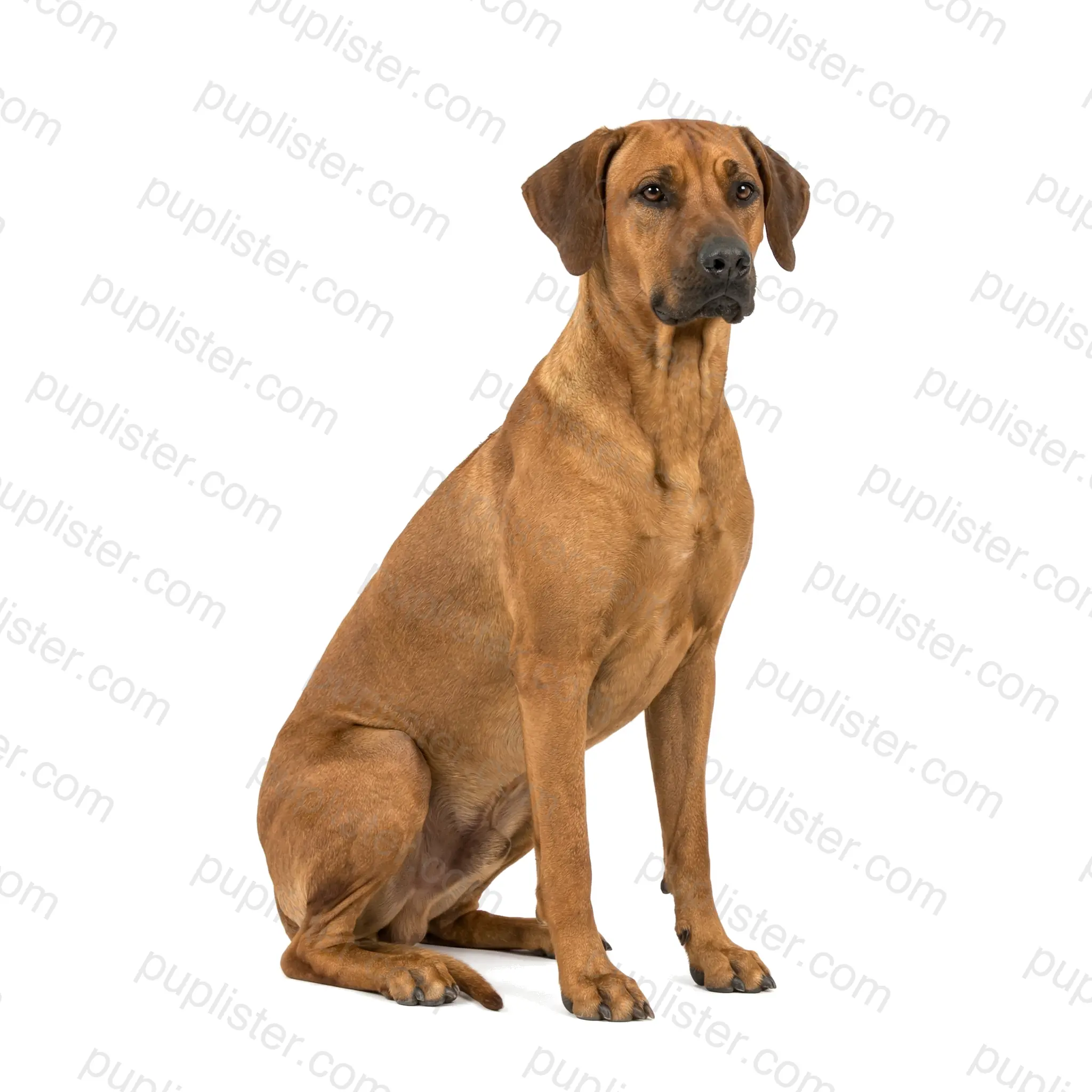
About the Rhodesian Ridgeback The Rhodesian Ridgeback was developed in southern Africa by European settlers who crossed their dogs with the semi-domesticated ridged hunting dogs of the Khoikhoi people, creating a versatile hunter capable of tracking and holding lions at bay. These powerful, athletic dogs stand 24 to 27 inches tall and weigh 70 to 85 pounds, with a sleek, muscular physique built for speed and endurance. Their short, dense coat is light wheaten to red wheaten, and the breed's hallmark is a distinctive ridge of hair growing in the opposite direction along the spine. Temperament & Personality Rhodesian Ridgebacks are dignified, strong-willed, and intensely loyal — they form deep bonds with their families while maintaining an aloof independence with strangers. They are gentle and patient with children in their own household but possess a powerful protective instinct that requires experienced handling and thorough socialization. Ridgebacks are not typically aggressive but have a commanding presence and will not back down from a challenge if provoked. Pros Athletic and versatile — excels as a running, hiking, and lure coursing partnerLow-maintenance coat with minimal shedding and grooming needsNaturally clean breed with little doggy odorQuiet and dignified — rarely barks without good reason Cons Strong-willed and dominant — requires experienced, confident ownershipHigh prey drive makes them a risk around cats and small animalsProne to dermoid sinus (a congenital spinal defect unique to the breed), hip dysplasia, and bloatCan be destructive and escape-prone if under-exercised or bored The Rhodesian Ridgeback is a majestic, loyal guardian for the right home — find yours on Puplister.
Adopted cat meowing all night? Discover why it happens, how to create a calm environment, and a realistic timeline to quiet nighttime meows.
Is your adopted cat not eating? Learn the causes, from stress to past trauma, and discover practical solutions to get your new feline friend eating again.
Is your new cat hiding and won't come out? It's normal, but proactive steps can help. Learn how to build trust with your shy adopted cat.
Discover how long it takes for a rescue cat to feel at home with our experienced guide, covering the 3-3-3 rule and actionable tips.