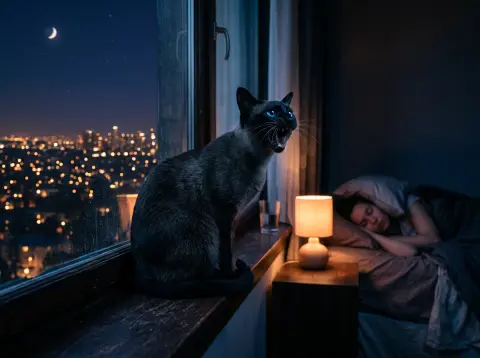
Adopted Cat Meowing All Night: How to Stop It
Adopted cat meowing all night? Discover why it happens, how to create a calm environment, and a realistic timeline to quiet nighttime meows.
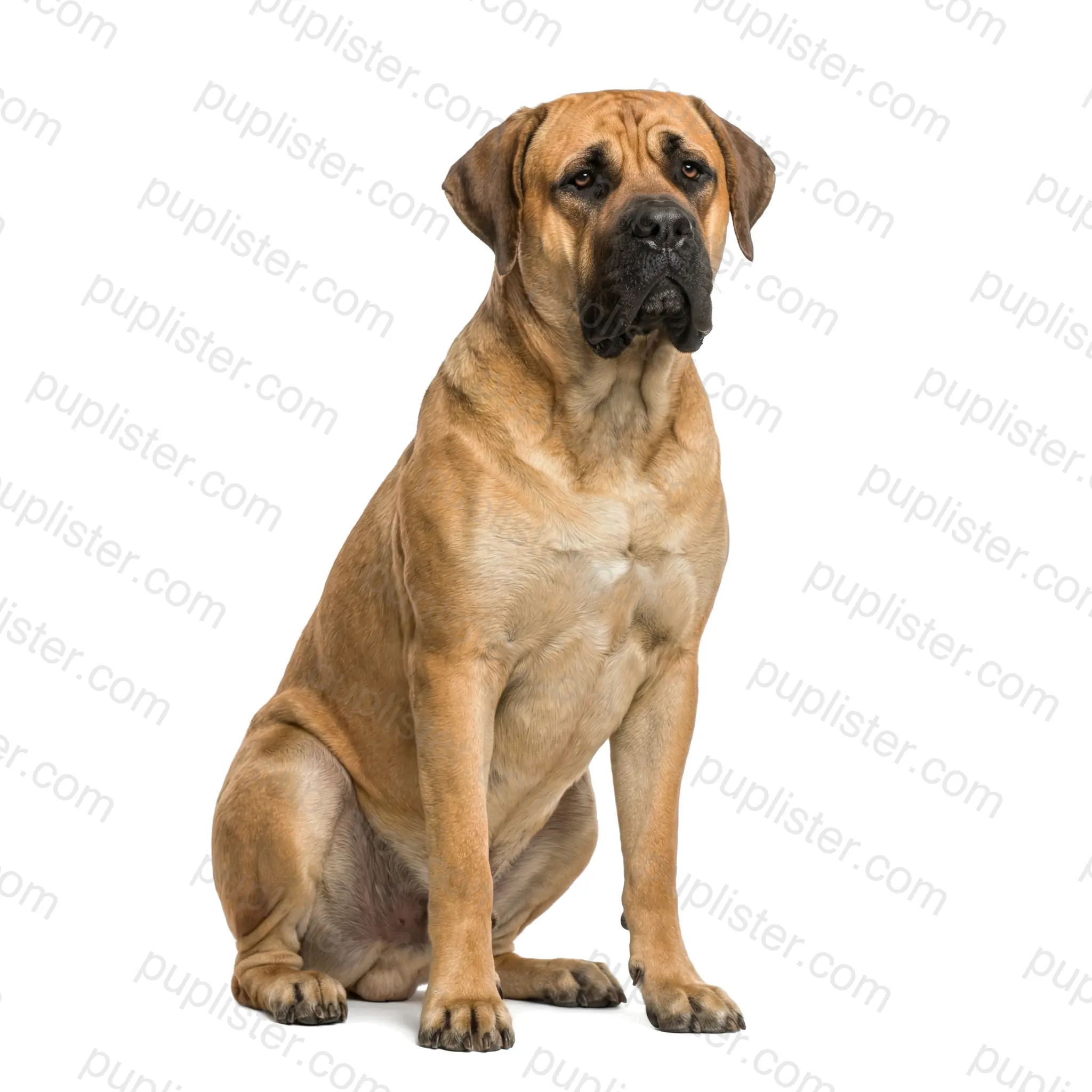
The English Mastiff is one of the most ancient and massive dog breeds, with roots tracing back over 2,000 years to ancient Britain and possibly earlier Molosser-type dogs of Asia. Males commonly weigh 160 to 230 pounds and stand 30 inches or taller at the shoulder, making them among the heaviest domestic dogs in the world. Their short, dense double coat comes in fawn, apricot, or brindle — always with a distinctive dark mask on the face.
Despite their imposing size, Mastiffs are famously gentle, calm, and deeply loyal — often called "gentle giants" with good reason. They are patient and protective with children in their family, though their sheer mass means supervision around small kids is wise. Mastiffs tend to be reserved with strangers but rarely aggressive, preferring to position themselves between their family and any perceived threat.
Ready to welcome a magnificent gentle giant into your home? Explore Mastiff adoption opportunities on Puplister.
Answer 5 quick questions to see how well this breed matches your lifestyle.
8 pets available
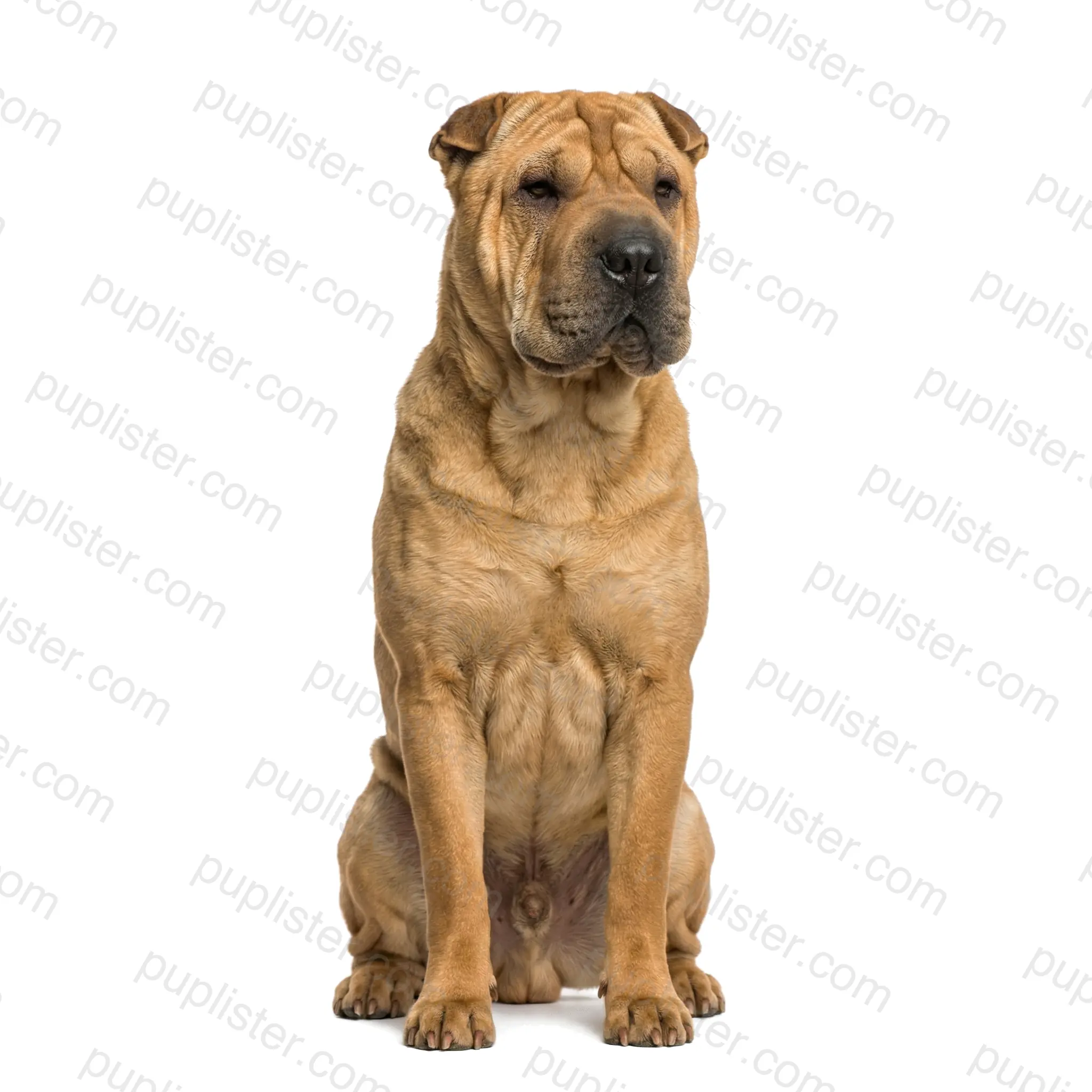
1About the Shar-Pei The Chinese Shar-Pei is an ancient breed dating back over 2,000 years to the Han Dynasty in southern China, where it served as a versatile farm dog — guarding property, herding livestock, and even fighting in pits. These distinctive medium-sized dogs stand 18 to 20 inches tall and weigh 45 to 60 pounds, with a broad, hippopotamus-like muzzle and a blue-black tongue shared only with the Chow Chow. Their loose, deeply wrinkled skin and harsh, sandpaper-textured coat (the name literally means "sand skin") come in solid colors including fawn, red, black, chocolate, blue, and cream. Temperament & Personality Shar-Peis are calm, independent, and deeply devoted to their families — forming powerful bonds while remaining aloof and suspicious of strangers, which makes them excellent natural guardians. They tend to be clean, quiet dogs at home, often compared to cats in their self-sufficient demeanor. However, they can be territorial with other dogs, especially those of the same sex, and early socialization is critical to prevent aggression. Pros Naturally clean and quiet — easily housetrained and rarely barks without causeLoyal and protective without needing guard trainingCalm indoor demeanor suitable for apartment livingUnique, striking appearance that draws admiration everywhere Cons Shar-Pei Fever (autoinflammatory disease) is a serious breed-specific health riskSkin folds require regular cleaning to prevent infections and dermatitisProne to entropion (eyelids rolling inward), ear infections, and hypothyroidismCan be dog-aggressive and requires early, ongoing socialization The Shar-Pei's distinctive looks and devoted nature make it truly unforgettable — find available Shar-Peis on Puplister.
6 pets available
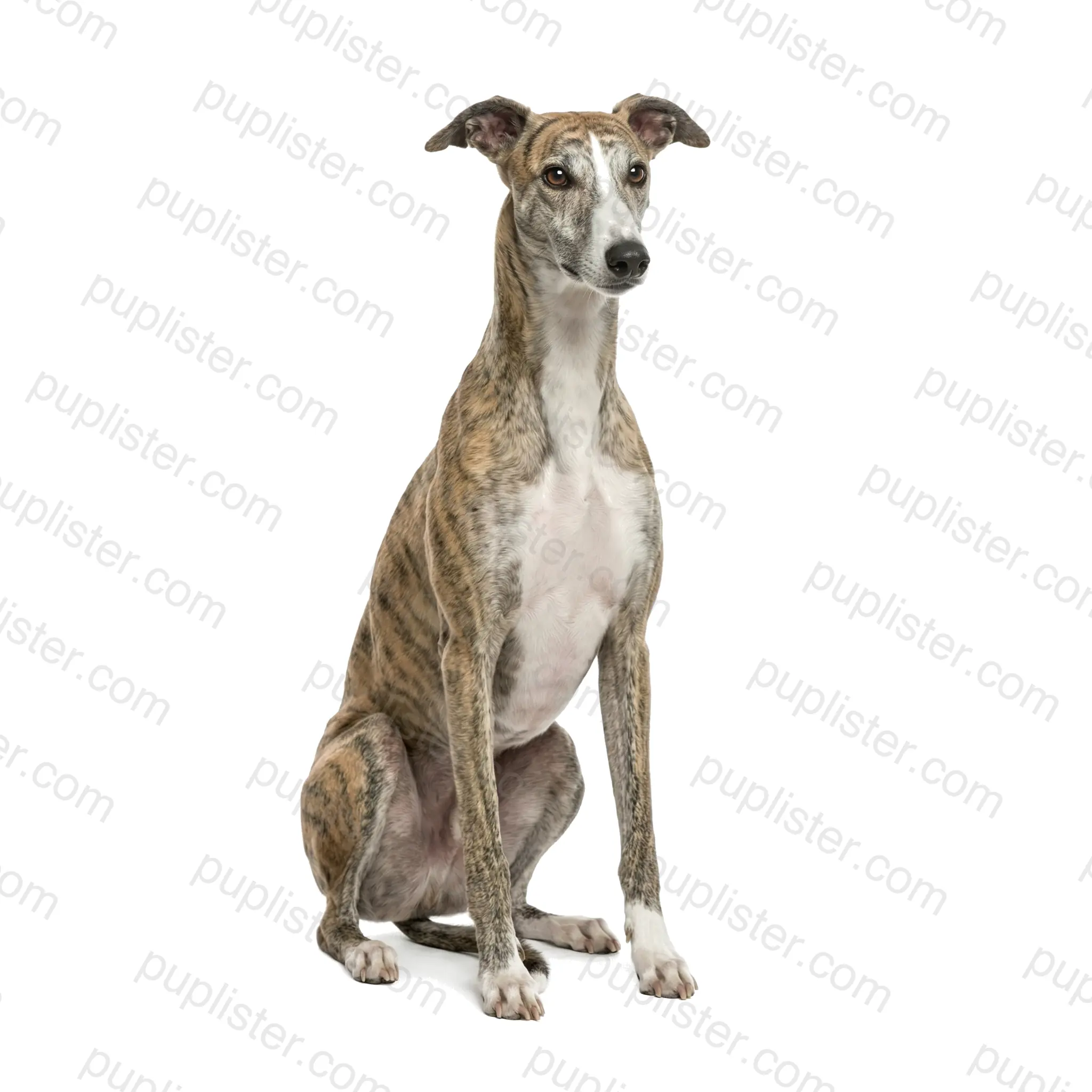
About the Greyhound The Greyhound is one of the most ancient breeds — depicted in Egyptian tomb art dating back 5,000 years and prized by nobility throughout history for their unmatched speed and grace. Standing 27–30 inches tall and weighing 60–70 pounds, these aerodynamic athletes can reach speeds of 45 miles per hour, making them the fastest dog breed in the world. Their short, smooth coat comes in virtually every color and pattern, including black, white, fawn, red, blue, brindle, and various combinations.Temperament & PersonalityGreyhounds are gentle, quiet, and surprisingly lazy — the ultimate couch potatoes who happen to be world-class sprinters. They are sweet-natured and sensitive dogs that form deep bonds with their owners and are typically good with older children who respect their space. Many retired racing Greyhounds adapt beautifully to home life, though they may need time to learn household basics like stairs, glass doors, and slippery floors.ProsRemarkably calm and quiet indoors — content to sleep 18+ hours a day on the couchLow-maintenance coat — virtually no grooming needs and minimal sheddingGentle, non-aggressive temperament — rarely bark and never show hostility toward peopleMany retired racers are available for adoption — giving these athletes a well-deserved second careerConsStrong prey drive — cannot be trusted off-leash and may chase small dogs, cats, and wildlifeThin skin and minimal body fat make them susceptible to cuts, cold temperatures, and pressure soresSensitive to anesthesia and many common medications due to low body fat percentageProne to osteosarcoma, bloat, and dental disease — especially in retired racing dogsGive a graceful Greyhound the retirement they deserve — browse adoptable Greyhounds on Puplister.
12 pets available
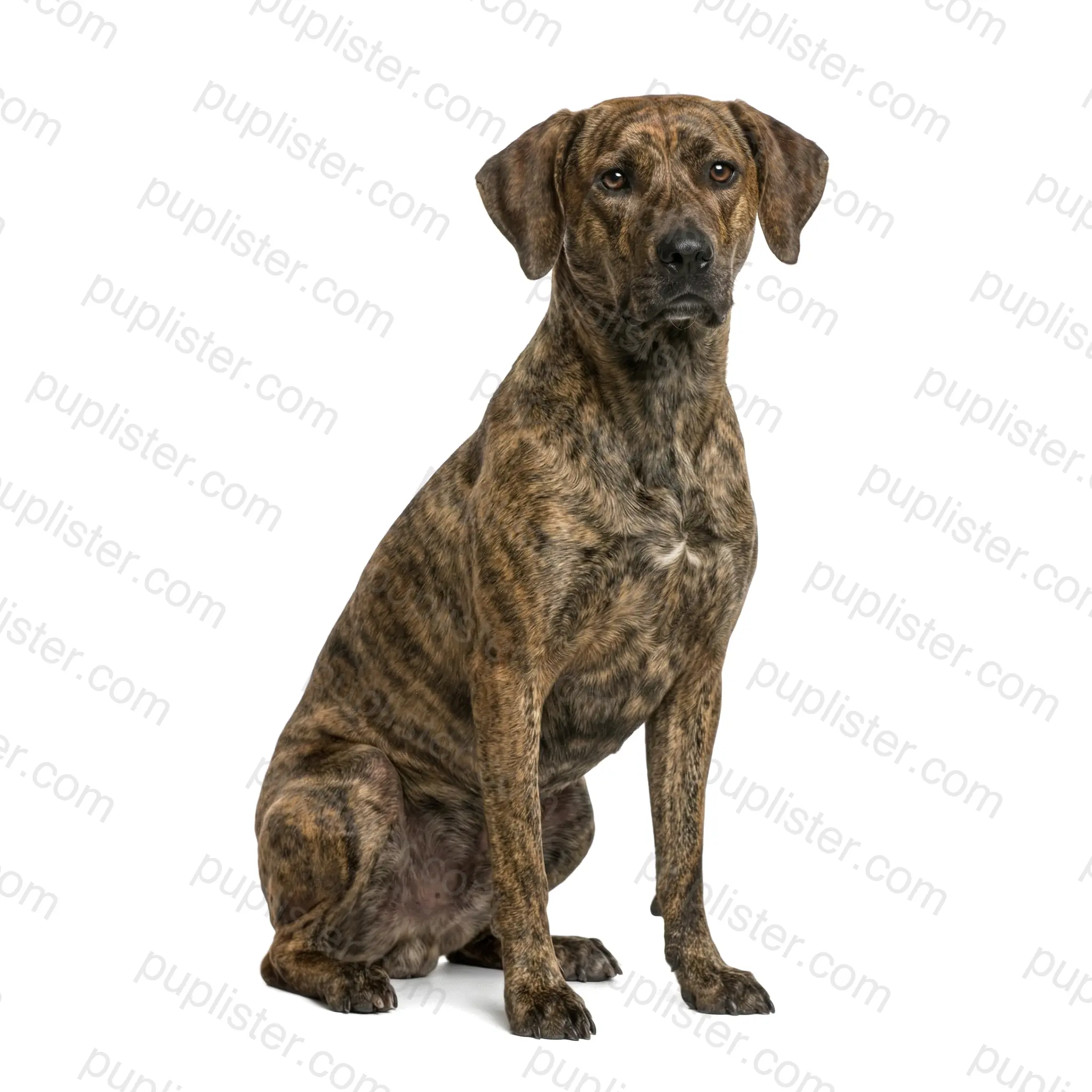
About the Plott Hound The Plott Hound is the official state dog of North Carolina, descended from Hanoverian Schweisshunds brought to the Appalachian Mountains by German immigrant Johannes Plott in 1750. These athletic, muscular hounds stand 20 to 25 inches tall and weigh 40 to 60 pounds, built for endurance and tenacity on the trail. Their short to medium-length, glossy coat is most commonly brindle — ranging from yellow to chocolate to black brindle — though solid colors also occur. Temperament & Personality Plott Hounds are courageous, loyal, and determined — originally bred to track and tree bears, they possess a tenacious drive that can be both impressive and challenging. With their families, they are affectionate, eager to please, and surprisingly gentle, often forming deep bonds with their primary caretaker. They generally do well with children and other dogs, especially when raised together, though their strong prey drive means caution around cats and small animals. Pros Exceptional stamina and athleticism for hiking and outdoor adventuresLoyal and protective without being overly aggressive toward peopleLow-maintenance coat that requires only occasional brushingHealthier than many purebreds with a lifespan of 12 to 14 years Cons Loud, baying voice that carries long distances — not suited for noise-sensitive neighborhoodsStrong prey drive makes reliable off-leash recall very difficultCan be stubborn and single-minded when tracking a scentRequires substantial daily exercise — at least 60 minutes of vigorous activity The Plott Hound is a hidden gem among sporting breeds — discover one looking for a forever home on Puplister.
36 pets available
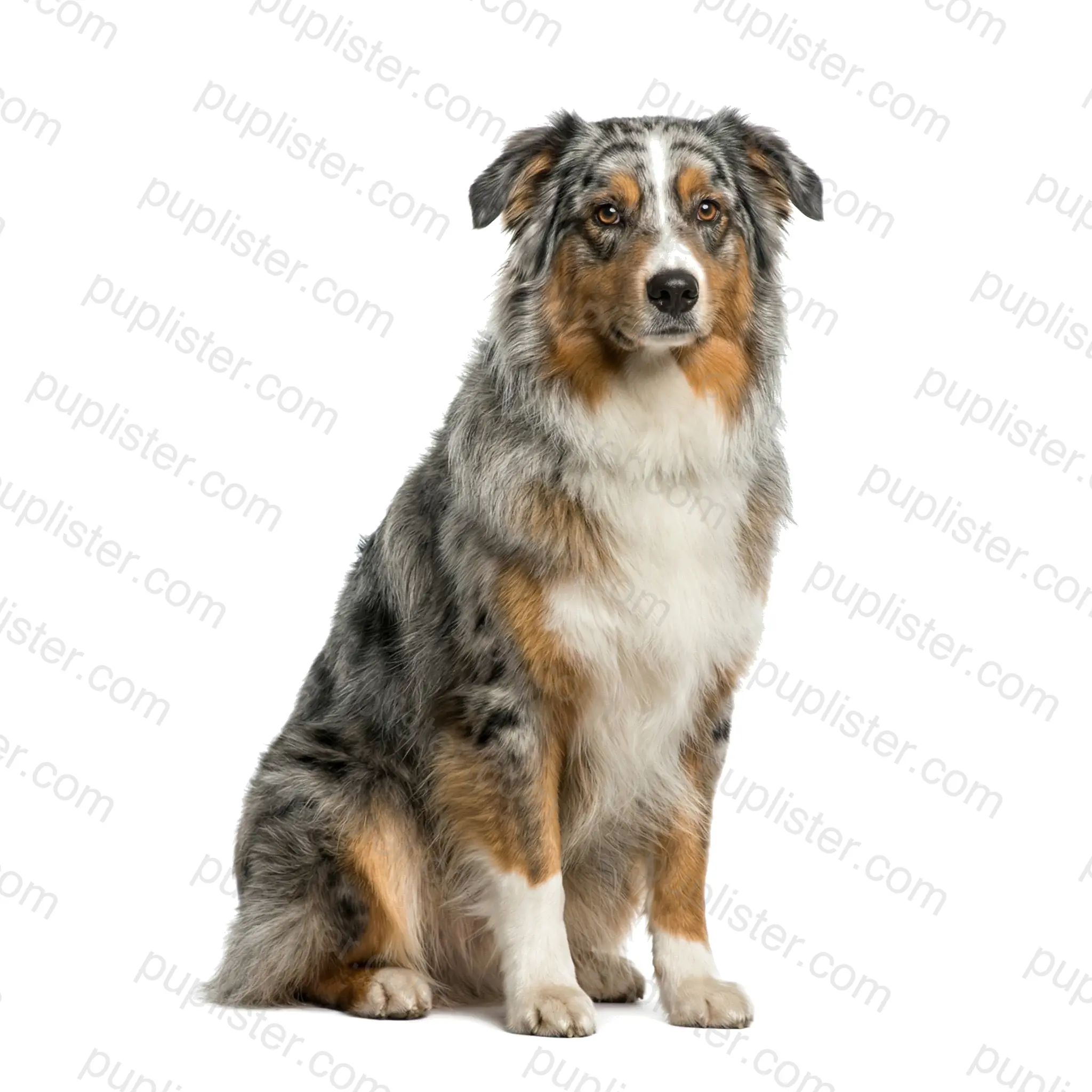
About the Australian Shepherd Despite its name, the Australian Shepherd was actually developed in the western United States during the 19th century, likely from Basque shepherd dogs that passed through Australia on their way to America. These versatile herding dogs stand 18–23 inches tall and weigh 40–65 pounds, with a medium-length double coat that comes in four recognized colors — black, blue merle, red, and red merle — often with striking copper and white markings. Their coats are weather-resistant and require regular brushing to manage moderate-to-heavy shedding.Temperament & PersonalityAustralian Shepherds are brilliant, energetic, and deeply devoted to their families — they thrive when given a purpose and can become anxious or destructive without one. They are excellent with children, often naturally herding and watching over younger family members. Aussies are typically friendly with other dogs but can be reserved with strangers, and their intelligence makes them exceptionally responsive to training.ProsOne of the most intelligent and trainable breeds — excels in agility, flyball, and herdingLoyal and affectionate family companion who bonds closely with all household membersVersatile working dog adaptable to ranch life, sport, or active suburban livingBeautiful, eye-catching coat with striking color variations including heterochromiaConsDemands extensive daily exercise and mental engagement — easily 1–2 hours minimumHeavy shedding, especially during seasonal coat changesMay herd children, cats, and other pets by nipping at heelsProne to epilepsy, hip dysplasia, and the MDR1 gene mutation affecting drug sensitivityAussies are incredible partners for active families — discover adoptable Australian Shepherds waiting for you on Puplister.
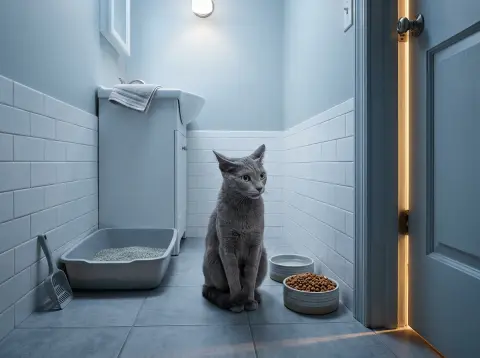
Adopted cat meowing all night? Discover why it happens, how to create a calm environment, and a realistic timeline to quiet nighttime meows.
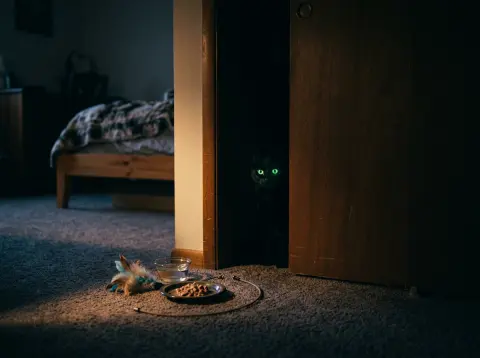
Is your adopted cat not eating? Learn the causes, from stress to past trauma, and discover practical solutions to get your new feline friend eating again.
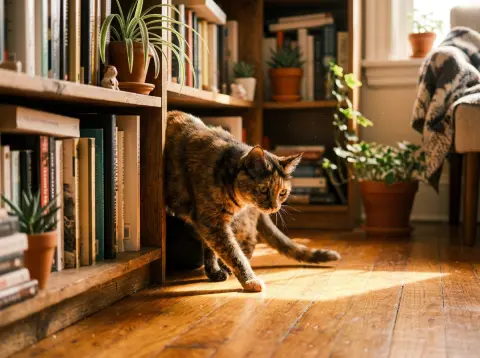
Is your new cat hiding and won't come out? It's normal, but proactive steps can help. Learn how to build trust with your shy adopted cat.
Discover how long it takes for a rescue cat to feel at home with our experienced guide, covering the 3-3-3 rule and actionable tips.