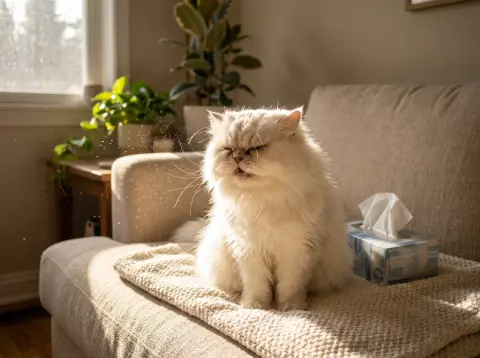
Cat Losing Hair in Patches: Causes and Fixes
Is your cat losing hair in patches? Discover common causes, from stress to parasites, and expert fixes to help your feline friend recover.
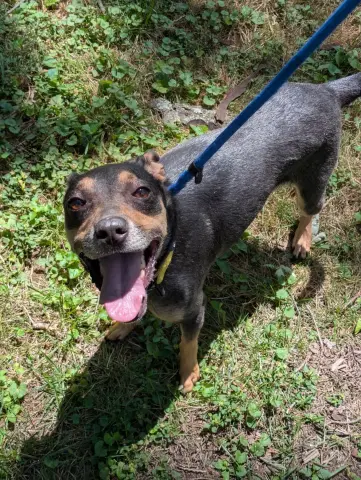
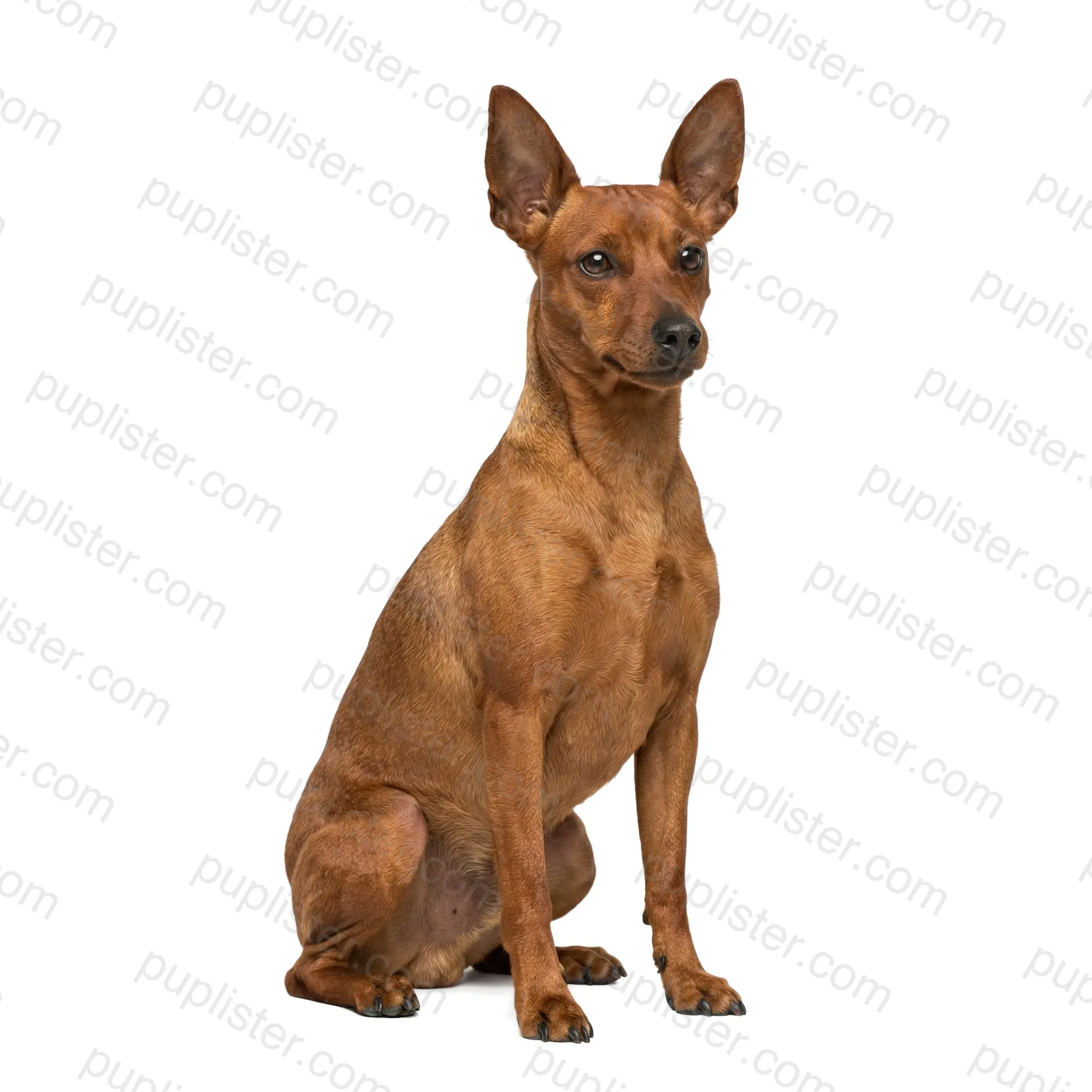
The Miniature Pinscher — affectionately called the "Min Pin" — originated in Germany several centuries ago, likely bred from a combination of Dachshunds and Italian Greyhounds. Standing 10 to 12.5 inches tall and weighing 8 to 12 pounds, these spirited dogs are far older than the Doberman and are not simply a scaled-down version of that breed. Their sleek, smooth coat comes in red, stag red, black and tan, or chocolate and tan with a naturally glossy sheen.
Miniature Pinschers are bold, energetic, and remarkably self-assured — often described as having a big-dog attitude in a toy-sized body. They are entertaining and devoted to their owners but can be independent and stubborn during training sessions. Min Pins generally do well with older children and can coexist with other dogs, though they may try to assert dominance over much larger breeds.
Think a fearless little companion with endless personality is right for you? Search for Miniature Pinschers available on Puplister.
Answer 5 quick questions to see how well this breed matches your lifestyle.
7 pets available
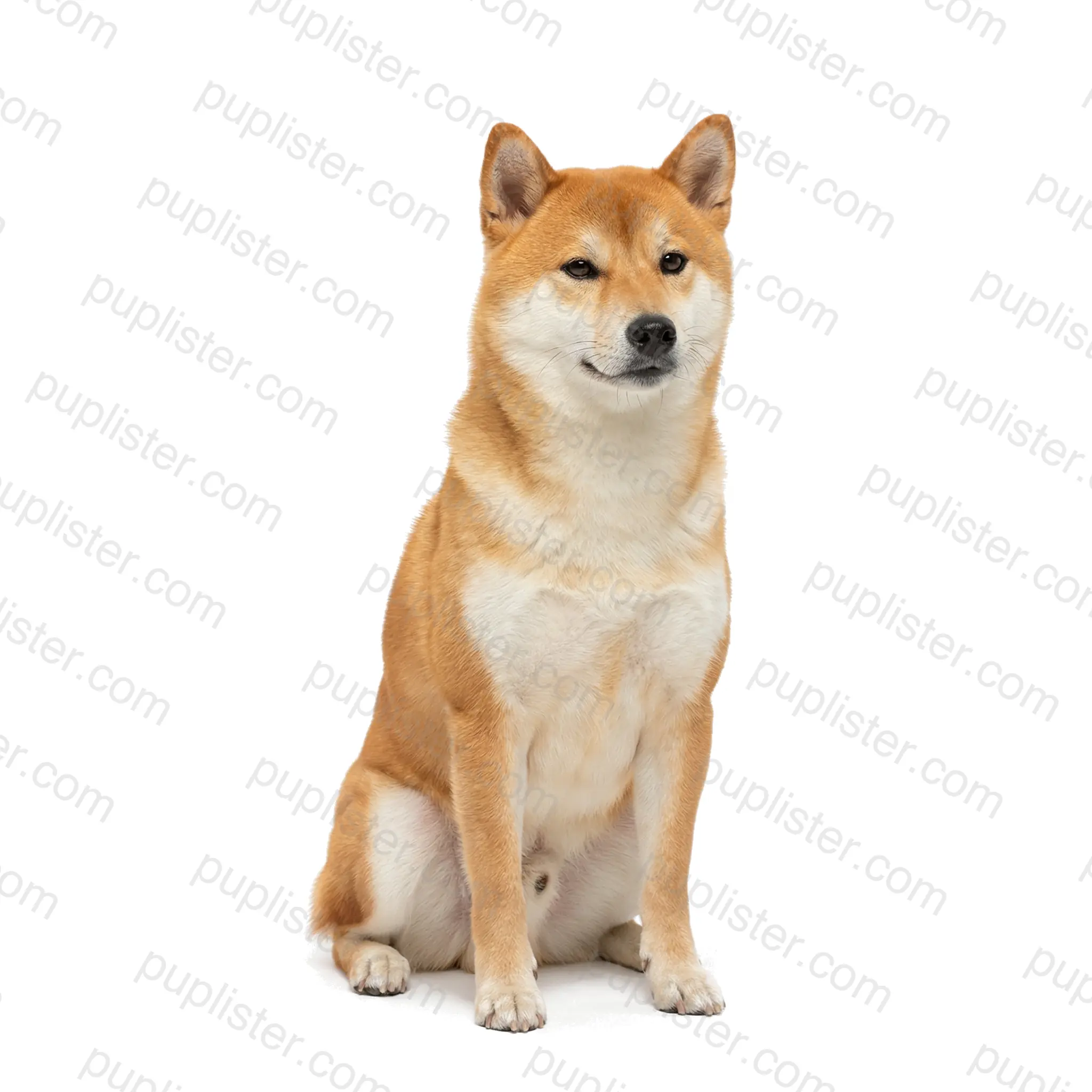
22About the Shiba Inu The Shiba Inu is Japan's oldest and smallest native breed, originally bred to flush birds and small game in the dense mountain underbrush — "shiba" may refer to brushwood or the breed's red color, while "inu" simply means dog. These compact, agile dogs stand 13.5 to 16.5 inches tall and weigh 17 to 23 pounds, with a fox-like face, small triangular ears, and a curled tail. Their stiff, plush double coat comes in red, sesame, black and tan, or cream, with distinctive "urajiro" (cream to white ventral markings). Temperament & Personality Shiba Inus are bold, alert, and fiercely independent — often described as more cat-like than dog-like in their self-possession and fastidious grooming habits. They are loyal to their families but on their own terms, and their strong-willed nature means they do not blindly follow commands. Shibas are known for the infamous "Shiba scream" — a loud, distinctive vocalization produced when displeased or overjoyed — and they can be aloof with strangers and sometimes aggressive toward other dogs. Pros Naturally clean and almost cat-like — easy to housetrain and self-groomingCompact, manageable size for apartments with adequate exerciseLoyal and devoted to their family once trust is establishedHealthy breed with a long lifespan of 13 to 16 years Cons Extremely independent and stubborn — not recommended for first-time ownersStrong prey drive and unreliable recall make off-leash freedom riskyCan be possessive of food, toys, and territory (resource guarding)Prone to allergies, patellar luxation, and hip dysplasia The Shiba Inu's spirited independence and striking looks have won fans worldwide — discover Shibas on Puplister.
4 pets available
12About the Vizsla The Vizsla is Hungary's national dog, with origins tracing back over 1,000 years to the Magyar tribes who settled the Carpathian Basin and needed a versatile pointer-retriever for the plains. These lean, athletic dogs stand 21 to 24 inches tall and weigh 44 to 60 pounds, with a distinctively sleek, muscular build and an elegant, ground-covering gait. Their short, smooth coat comes exclusively in various shades of golden rust — from sandy gold to deep russet — with no undercoat, giving them a clean, low-maintenance appearance. Temperament & Personality Vizslas are affectionate, energetic, and extraordinarily people-oriented — often called "Velcro dogs" because they want to be in constant physical contact with their owners. They are gentle and patient with children, friendly with other dogs, and possess a sensitivity that makes them responsive to their family's moods. Vizslas form such intense bonds that they can suffer severe separation anxiety if left alone regularly — they truly need to be included in daily family life. Pros Exceptionally affectionate and forms deep, devoted bonds with familyVersatile athlete — excels in hunting, agility, dock diving, and trackingLow-maintenance coat with minimal shedding and no doggy odorGentle, sensitive nature makes them excellent therapy dogs Cons Severe separation anxiety — cannot tolerate being left alone for long periodsExtremely high exercise needs — requires 1 to 2 hours of vigorous activity dailyProne to epilepsy, hip dysplasia, and lymphosarcomaThin coat and low body fat make them uncomfortable in cold weather If you want a devoted, athletic companion who'll never leave your side, find your Vizsla on Puplister.
5 pets available
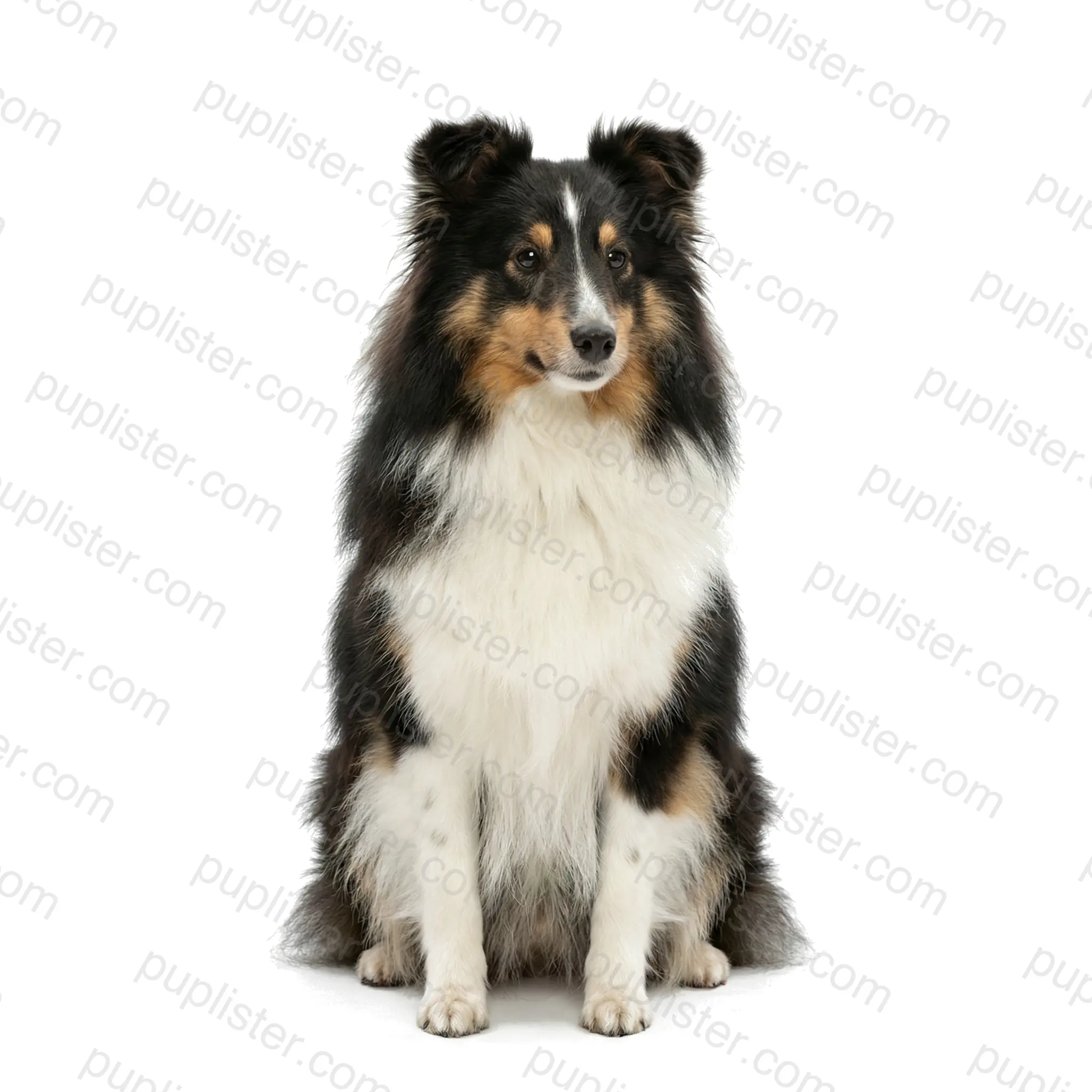
15About the Shetland Sheepdog The Shetland Sheepdog — or "Sheltie" — was developed on Scotland's remote Shetland Islands, where harsh conditions favored smaller, efficient herding dogs that could thrive on limited resources. Standing 13 to 16 inches tall and weighing 15 to 25 pounds, Shelties resemble a miniature Rough Collie but are a distinct breed with their own standard and lineage. Their abundant double coat features a long, straight outer layer and dense undercoat, coming in sable, black, and blue merle — all typically with white and tan markings. Temperament & Personality Shetland Sheepdogs are incredibly intelligent, sensitive, and eager to please — consistently ranked among the top 10 most trainable dog breeds in the world. They are devoted to their families and particularly gentle with children, often forming an especially strong bond with one household member. Shelties can be reserved with strangers and may bark to alert their family, but their sensitivity and willingness to learn make them wonderful companions for patient, attentive owners. Pros Exceptionally intelligent — excels in agility, obedience, and herding competitionsGentle, affectionate, and outstanding with childrenCompact size with all the beauty and grace of a CollieLoyal and deeply bonded to their family Cons Heavy shedding — the dense double coat requires frequent brushing and sheds year-roundProne to excessive barking, especially when excited or alertingSusceptible to Collie eye anomaly, hip dysplasia, and dermatomyositisCan be timid and fearful without proper early socialization Shelties combine beauty, brains, and devotion in one elegant package — explore Shetland Sheepdog adoption options on Puplister.
2 pets available
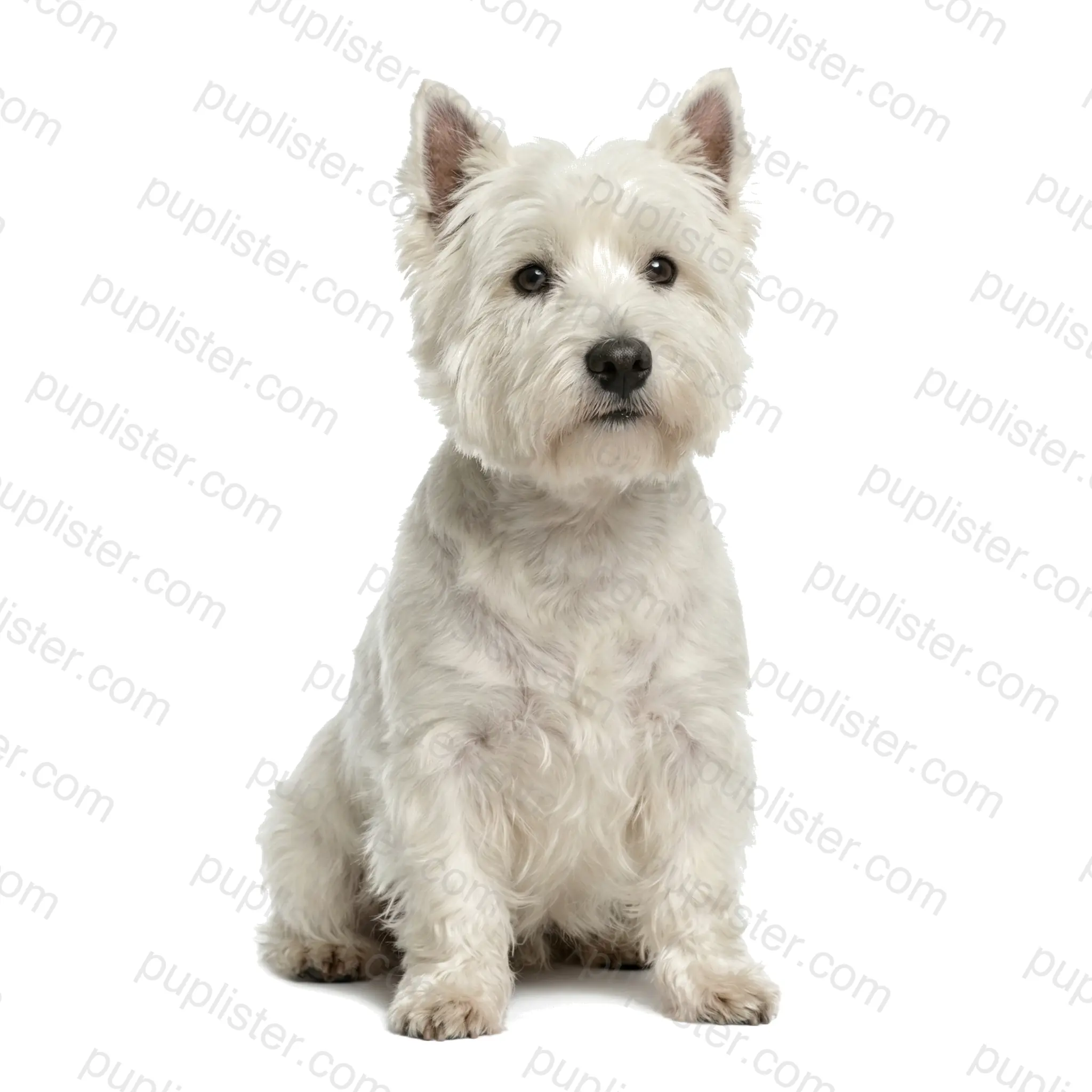
15About the West Highland White Terrier The West Highland White Terrier — universally known as the "Westie" — was developed in Scotland's western highlands during the 19th century, selectively bred from Cairn Terrier stock for its white coat to be more visible against the dark highland terrain while hunting foxes, badgers, and rats. These sturdy little dogs stand 10 to 11 inches tall and weigh 15 to 20 pounds, with a compact, balanced build and surprisingly strong legs for their size. Their double coat features a hard, straight white outer layer and a soft, dense undercoat — always pure white without exception. Temperament & Personality Westies are confident, entertaining, and surprisingly tough — carrying the classic terrier self-assurance in a friendly, less aggressive package than many of their terrier relatives. They are affectionate with their families, generally good with older children, and possess an independent, adventurous spirit that keeps life interesting. Westies are social dogs that enjoy meeting people, though they can be assertive with other dogs and retain a strong instinct to chase anything that moves. Pros Sturdy and adaptable — thrives in apartments, suburbs, and country settingsFriendly and sociable without the extreme aggression of some terrier breedsPortable size with a big, confident personalityAlert watchdog that will reliably announce visitors Cons Prone to atopic dermatitis and skin allergies — one of the most affected breedsCoat requires regular professional grooming or hand-stripping every 6 to 8 weeksCan be stubborn and willful during training — responds best to positive methodsTendency to dig and bark, especially when bored or left in the yard Westies bring Scottish charm and terrier spirit into every home — find your white-coated companion on Puplister.
Is your cat losing hair in patches? Discover common causes, from stress to parasites, and expert fixes to help your feline friend recover.
Is your rescue dog peeing in the house? Learn common causes, a 30-day potty training plan, and expert fixes for house-soiling issues.
Is your cat sneezing a lot? Learn common causes, from URIs to stress, and when to seek vet care for your cat's sneezing.
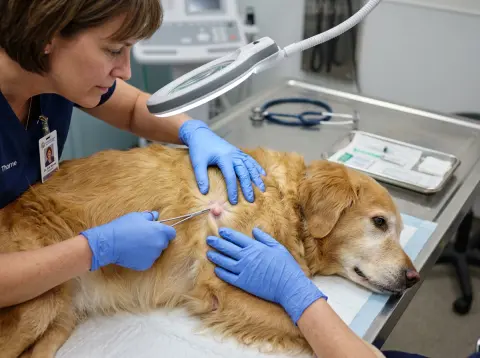
Found a lump on your dog? Learn when to worry and when to wait for a lump on my dog, especially for adopted pets with unknown histories.