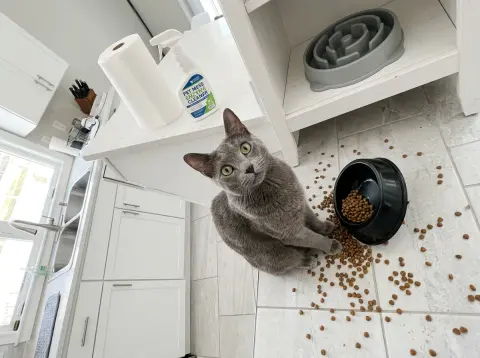
Adopted Cat Meowing All Night: How to Stop It
Adopted cat meowing all night? Discover why it happens, how to create a calm environment, and a realistic timeline to quiet nighttime meows.
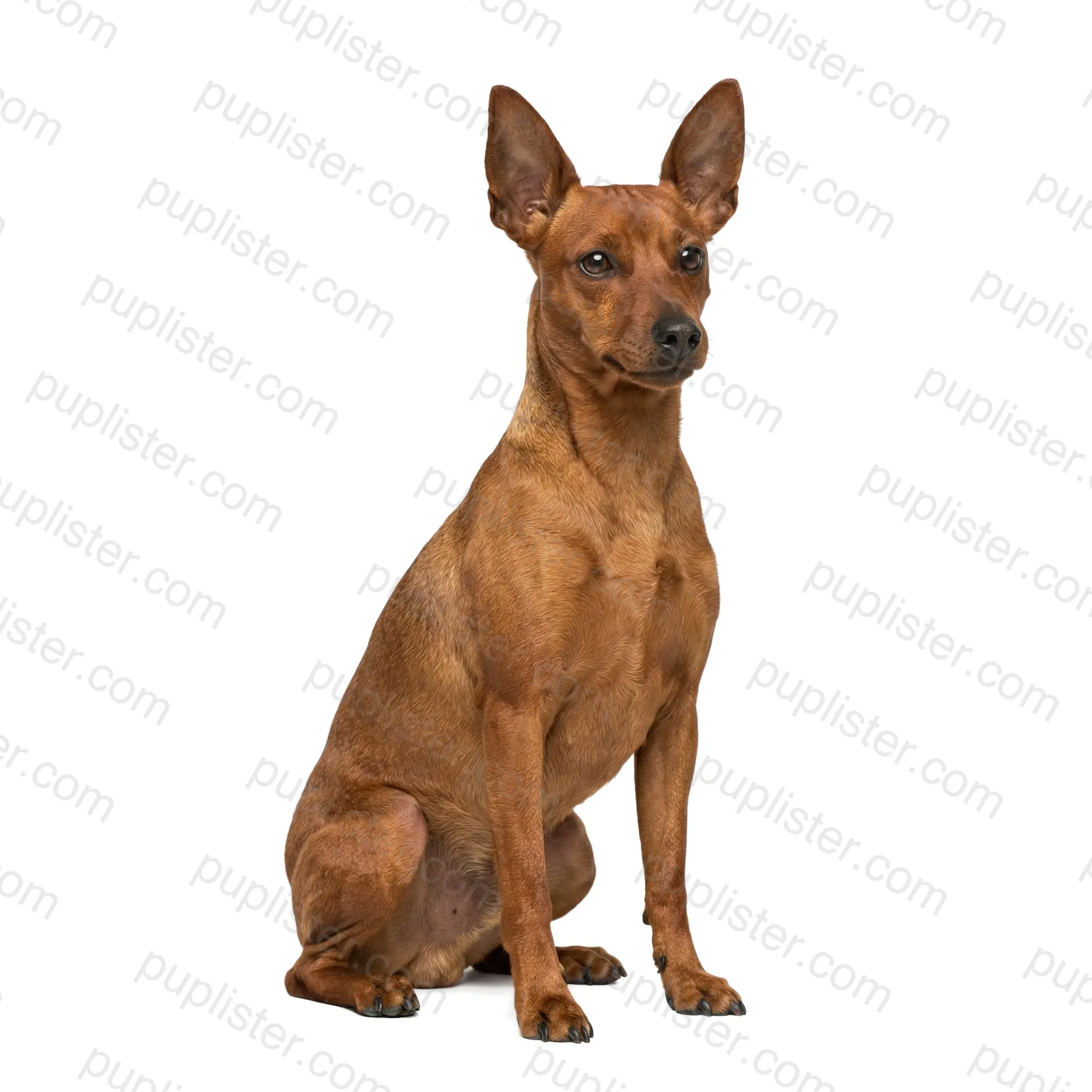
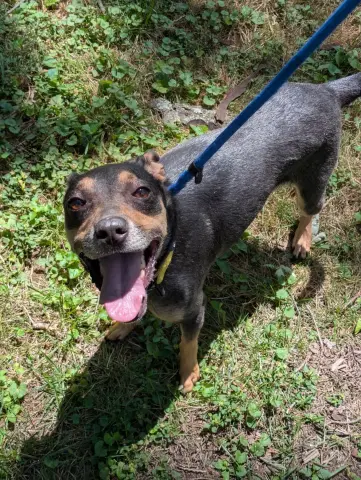
The Miniature Pinscher — affectionately called the "Min Pin" — originated in Germany several centuries ago, likely bred from a combination of Dachshunds and Italian Greyhounds. Standing 10 to 12.5 inches tall and weighing 8 to 12 pounds, these spirited dogs are far older than the Doberman and are not simply a scaled-down version of that breed. Their sleek, smooth coat comes in red, stag red, black and tan, or chocolate and tan with a naturally glossy sheen.
Miniature Pinschers are bold, energetic, and remarkably self-assured — often described as having a big-dog attitude in a toy-sized body. They are entertaining and devoted to their owners but can be independent and stubborn during training sessions. Min Pins generally do well with older children and can coexist with other dogs, though they may try to assert dominance over much larger breeds.
Think a fearless little companion with endless personality is right for you? Search for Miniature Pinschers available on Puplister.
Answer 5 quick questions to see how well this breed matches your lifestyle.
4 pets available
2About the Cavalier King Charles Spaniel The Cavalier King Charles Spaniel traces its heritage to the toy spaniels beloved by English royalty — King Charles II was so devoted to the breed that it bears his name. Standing 12–13 inches tall and weighing 13–18 pounds, the Cavalier is a graceful, well-balanced toy spaniel with large, round, dark eyes and a gentle, melting expression. Their silky, medium-length coat comes in four distinct color patterns — Blenheim (chestnut and white), tricolor, black-and-tan, and ruby — and features elegant feathering on the ears, chest, legs, and tail.Temperament & PersonalityCavaliers are gentle, affectionate, and remarkably adaptable — they are equally happy curled up on a lap or joining their owner for a brisk walk in the park. They are one of the most universally friendly breeds, greeting strangers, children, other dogs, and even cats with a wagging tail and a joyful expression. Their sweet, eager-to-please nature makes them excellent therapy dogs and wonderful companions for seniors, families, and first-time dog owners alike.ProsExceptionally gentle and affectionate — one of the best lap dogs and therapy dogs availableHighly adaptable to various lifestyles — equally content in apartments or country homesFriendly with everyone — strangers, children, other dogs, and catsEasy to train with positive reinforcement due to their eager-to-please temperamentConsExtremely prone to mitral valve disease — nearly all Cavaliers develop heart murmurs by age 10Susceptible to syringomyelia, a painful neurological condition caused by skull malformationCannot be trusted off-leash due to spaniel hunting instincts and lack of street awarenessProne to separation anxiety — they do not cope well being left alone for extended periodsFew breeds match the Cavalier's gentle, loving spirit — find adoptable Cavalier King Charles Spaniels on Puplister and experience their magic firsthand.
8 pets available
1About the Shar-Pei The Chinese Shar-Pei is an ancient breed dating back over 2,000 years to the Han Dynasty in southern China, where it served as a versatile farm dog — guarding property, herding livestock, and even fighting in pits. These distinctive medium-sized dogs stand 18 to 20 inches tall and weigh 45 to 60 pounds, with a broad, hippopotamus-like muzzle and a blue-black tongue shared only with the Chow Chow. Their loose, deeply wrinkled skin and harsh, sandpaper-textured coat (the name literally means "sand skin") come in solid colors including fawn, red, black, chocolate, blue, and cream. Temperament & Personality Shar-Peis are calm, independent, and deeply devoted to their families — forming powerful bonds while remaining aloof and suspicious of strangers, which makes them excellent natural guardians. They tend to be clean, quiet dogs at home, often compared to cats in their self-sufficient demeanor. However, they can be territorial with other dogs, especially those of the same sex, and early socialization is critical to prevent aggression. Pros Naturally clean and quiet — easily housetrained and rarely barks without causeLoyal and protective without needing guard trainingCalm indoor demeanor suitable for apartment livingUnique, striking appearance that draws admiration everywhere Cons Shar-Pei Fever (autoinflammatory disease) is a serious breed-specific health riskSkin folds require regular cleaning to prevent infections and dermatitisProne to entropion (eyelids rolling inward), ear infections, and hypothyroidismCan be dog-aggressive and requires early, ongoing socialization The Shar-Pei's distinctive looks and devoted nature make it truly unforgettable — find available Shar-Peis on Puplister.
2 pets available
About the German Shorthaired Pointer The German Shorthaired Pointer — or GSP — was developed in 19th-century Germany as the ultimate versatile hunting dog, capable of pointing, retrieving, and tracking game on land and in water. Standing 21–25 inches tall and weighing 45–70 pounds, this athletic breed has a short, dense, water-repellent coat in distinctive liver and white patterns — solid liver, liver and white ticked, liver and white patched, or liver roan. Their streamlined, muscular build and noble head profile reflect generations of careful breeding for both form and function.Temperament & PersonalityGerman Shorthaired Pointers are enthusiastic, affectionate, and virtually tireless — they approach every activity with full commitment and boundless energy. They are wonderful family dogs that thrive on inclusion in all household activities and are genuinely good-natured with children and other dogs. However, their intensity and need for purpose mean they are not suited to sedentary households — a bored GSP can become remarkably destructive.ProsOne of the most versatile sporting dogs — hunts, swims, runs, and retrieves with equal proficiencyEasy-care coat that sheds moderately and requires only weekly brushingFriendly and affectionate with family — forms strong bonds with every household memberExcellent health and longevity for a large breed — typically 12–14 yearsConsExtremely high energy — needs 1–2 hours of vigorous exercise daily at minimumStrong prey drive makes them unreliable off-leash and dangerous around cats and small petsCan be jumpy and mouthy during adolescence — takes 2–3 years to fully matureProne to separation anxiety and will howl, dig, and chew if left alone too longActive families and outdoor enthusiasts — your ideal companion awaits among GSPs on Puplister.
6 pets available
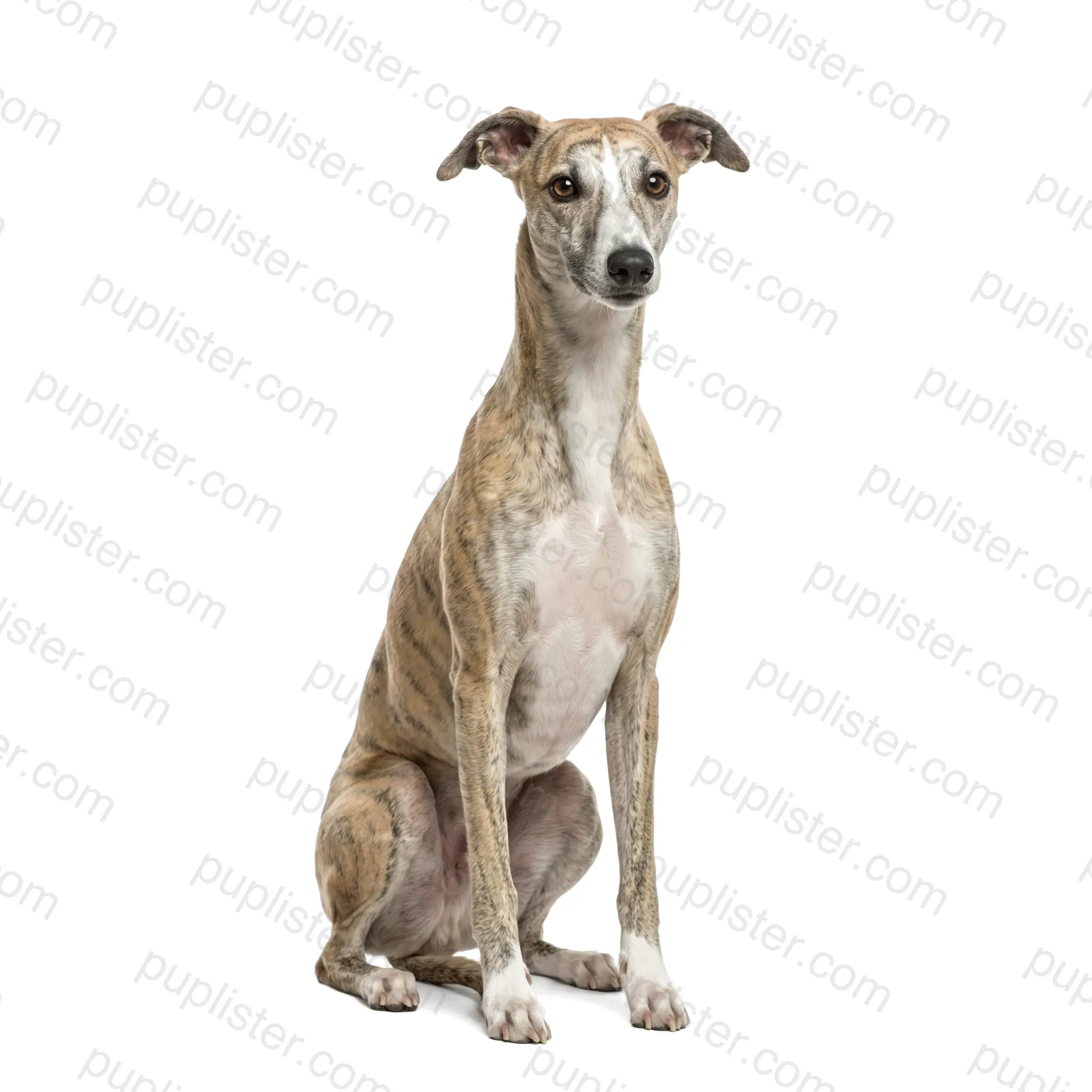
About the Greyhound The Greyhound is one of the most ancient breeds — depicted in Egyptian tomb art dating back 5,000 years and prized by nobility throughout history for their unmatched speed and grace. Standing 27–30 inches tall and weighing 60–70 pounds, these aerodynamic athletes can reach speeds of 45 miles per hour, making them the fastest dog breed in the world. Their short, smooth coat comes in virtually every color and pattern, including black, white, fawn, red, blue, brindle, and various combinations.Temperament & PersonalityGreyhounds are gentle, quiet, and surprisingly lazy — the ultimate couch potatoes who happen to be world-class sprinters. They are sweet-natured and sensitive dogs that form deep bonds with their owners and are typically good with older children who respect their space. Many retired racing Greyhounds adapt beautifully to home life, though they may need time to learn household basics like stairs, glass doors, and slippery floors.ProsRemarkably calm and quiet indoors — content to sleep 18+ hours a day on the couchLow-maintenance coat — virtually no grooming needs and minimal sheddingGentle, non-aggressive temperament — rarely bark and never show hostility toward peopleMany retired racers are available for adoption — giving these athletes a well-deserved second careerConsStrong prey drive — cannot be trusted off-leash and may chase small dogs, cats, and wildlifeThin skin and minimal body fat make them susceptible to cuts, cold temperatures, and pressure soresSensitive to anesthesia and many common medications due to low body fat percentageProne to osteosarcoma, bloat, and dental disease — especially in retired racing dogsGive a graceful Greyhound the retirement they deserve — browse adoptable Greyhounds on Puplister.
Adopted cat meowing all night? Discover why it happens, how to create a calm environment, and a realistic timeline to quiet nighttime meows.
Is your adopted cat not eating? Learn the causes, from stress to past trauma, and discover practical solutions to get your new feline friend eating again.
Is your new cat hiding and won't come out? It's normal, but proactive steps can help. Learn how to build trust with your shy adopted cat.
Discover how long it takes for a rescue cat to feel at home with our experienced guide, covering the 3-3-3 rule and actionable tips.