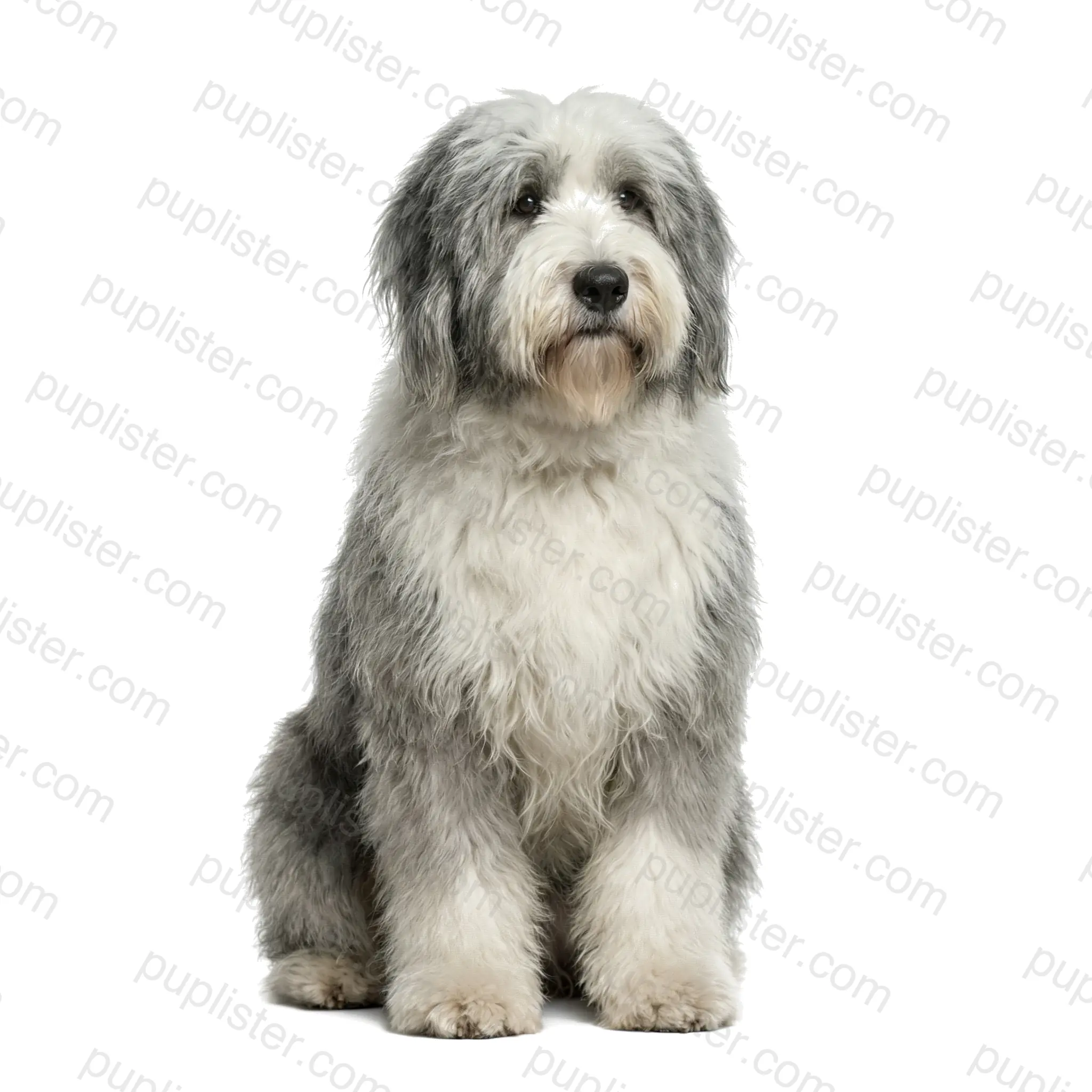
Old English Sheepdog Old English Sheepdog

Old English Sheepdog

Playful Adaptable Gentle Social

About the Old English Sheepdog

The Old English Sheepdog — sometimes called the "Bobtail" — was developed in the early 19th century in England's western counties as a drover's dog for moving cattle and sheep to market. These large, athletic dogs stand 21 inches and up, typically weighing 60 to 100 pounds, with a distinctive rolling, bear-like gait. Their profuse, shaggy double coat in blue, gray, blue merle, or grizzle — always with white markings — is one of the most recognizable in the dog world.

Temperament & Personality

Old English Sheepdogs are gentle, adaptable, and blessed with a wonderful clownish sense of humor that makes them natural entertainers. They are devoted to their families, excellent with children — often herding them gently — and generally friendly toward other pets. Their intelligence and eagerness to engage make them responsive to training, though they do have an independent streak typical of herding breeds.

Pros

  • Gentle, playful nature makes them outstanding family companions
  • Adaptable to various living situations when exercise needs are met
  • Natural herding instinct provides built-in watchfulness over children
  • Social and friendly demeanor with both people and other animals

Cons

  • Extremely high grooming demands — coat requires thorough brushing 3 to 4 times weekly minimum
  • Prone to hip dysplasia, autoimmune thyroiditis, and exercise-induced collapse
  • Heavy shedding and tendency to track dirt, leaves, and moisture indoors
  • Can develop separation anxiety and become destructive when left alone

Charmed by the shaggy, lovable Bobtail? Browse Old English Sheepdog adoption listings on Puplister now.

Old English Sheepdog Quick Facts

Size
60–100 lbs, 21–24 in
Lifespan
10–12 years
Exercise
Moderate
Grooming
Very High
Good with Kids
Yes
Good with Pets
Yes

Is the Old English Sheepdog right for you?

Answer 5 quick questions to see how well this breed matches your lifestyle.

Take the Quiz

Available Old English Sheepdogs

No dogs available right now

Check back soon or browse all dogs.

Browse All Dogs

Related Breeds

Greyhound
Greyhound Dog

6 pets available

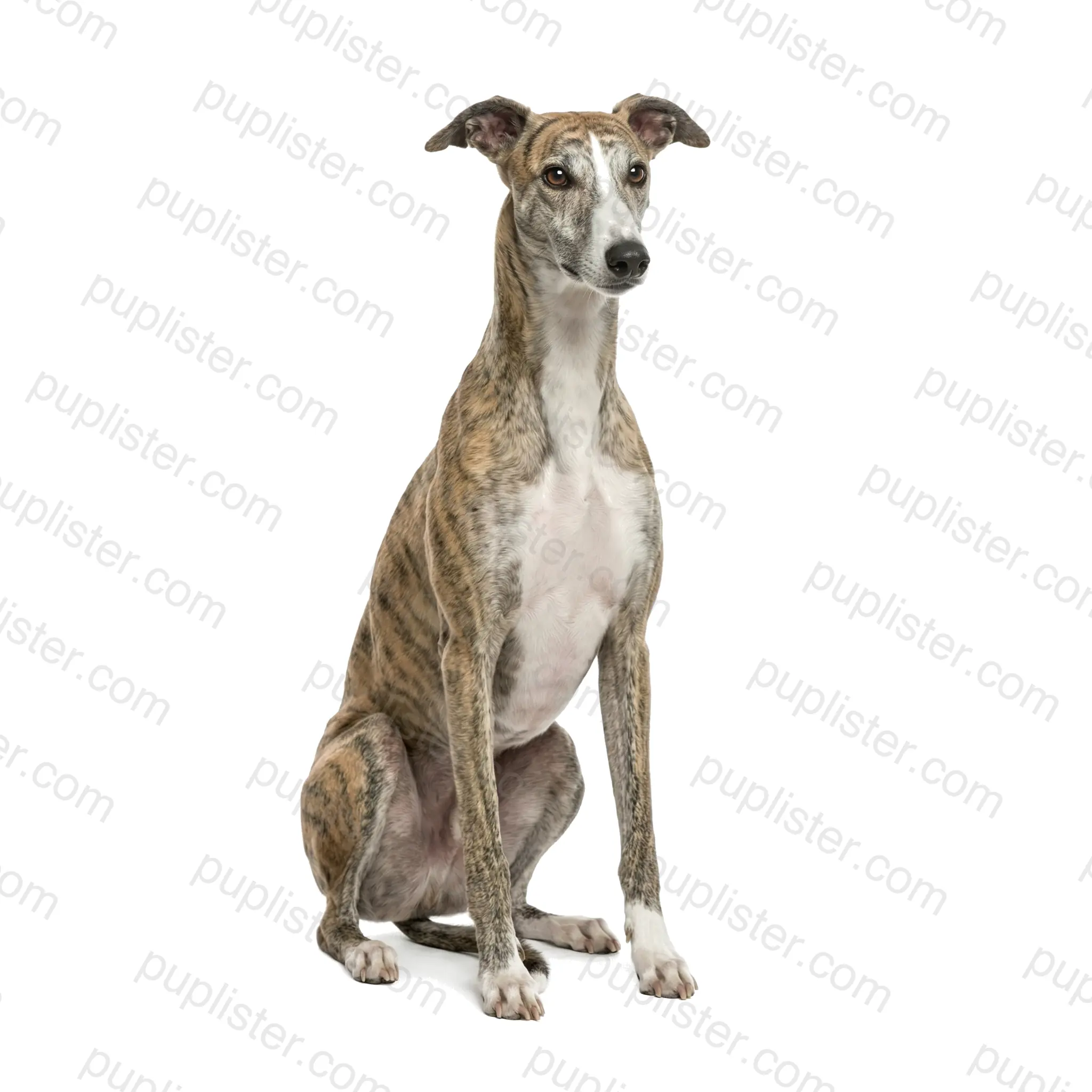
About the Greyhound The Greyhound is one of the most ancient breeds — depicted in Egyptian tomb art dating back 5,000 years and prized by nobility throughout history for their unmatched speed and grace. Standing 27–30 inches tall and weighing 60–70 pounds, these aerodynamic athletes can reach speeds of 45 miles per hour, making them the fastest dog breed in the world. Their short, smooth coat comes in virtually every color and pattern, including black, white, fawn, red, blue, brindle, and various combinations.Temperament & PersonalityGreyhounds are gentle, quiet, and surprisingly lazy — the ultimate couch potatoes who happen to be world-class sprinters. They are sweet-natured and sensitive dogs that form deep bonds with their owners and are typically good with older children who respect their space. Many retired racing Greyhounds adapt beautifully to home life, though they may need time to learn household basics like stairs, glass doors, and slippery floors.ProsRemarkably calm and quiet indoors — content to sleep 18+ hours a day on the couchLow-maintenance coat — virtually no grooming needs and minimal sheddingGentle, non-aggressive temperament — rarely bark and never show hostility toward peopleMany retired racers are available for adoption — giving these athletes a well-deserved second careerConsStrong prey drive — cannot be trusted off-leash and may chase small dogs, cats, and wildlifeThin skin and minimal body fat make them susceptible to cuts, cold temperatures, and pressure soresSensitive to anesthesia and many common medications due to low body fat percentageProne to osteosarcoma, bloat, and dental disease — especially in retired racing dogsGive a graceful Greyhound the retirement they deserve — browse adoptable Greyhounds on Puplister.
Dalmatian
Dalmatian Dog

3 pets available

1

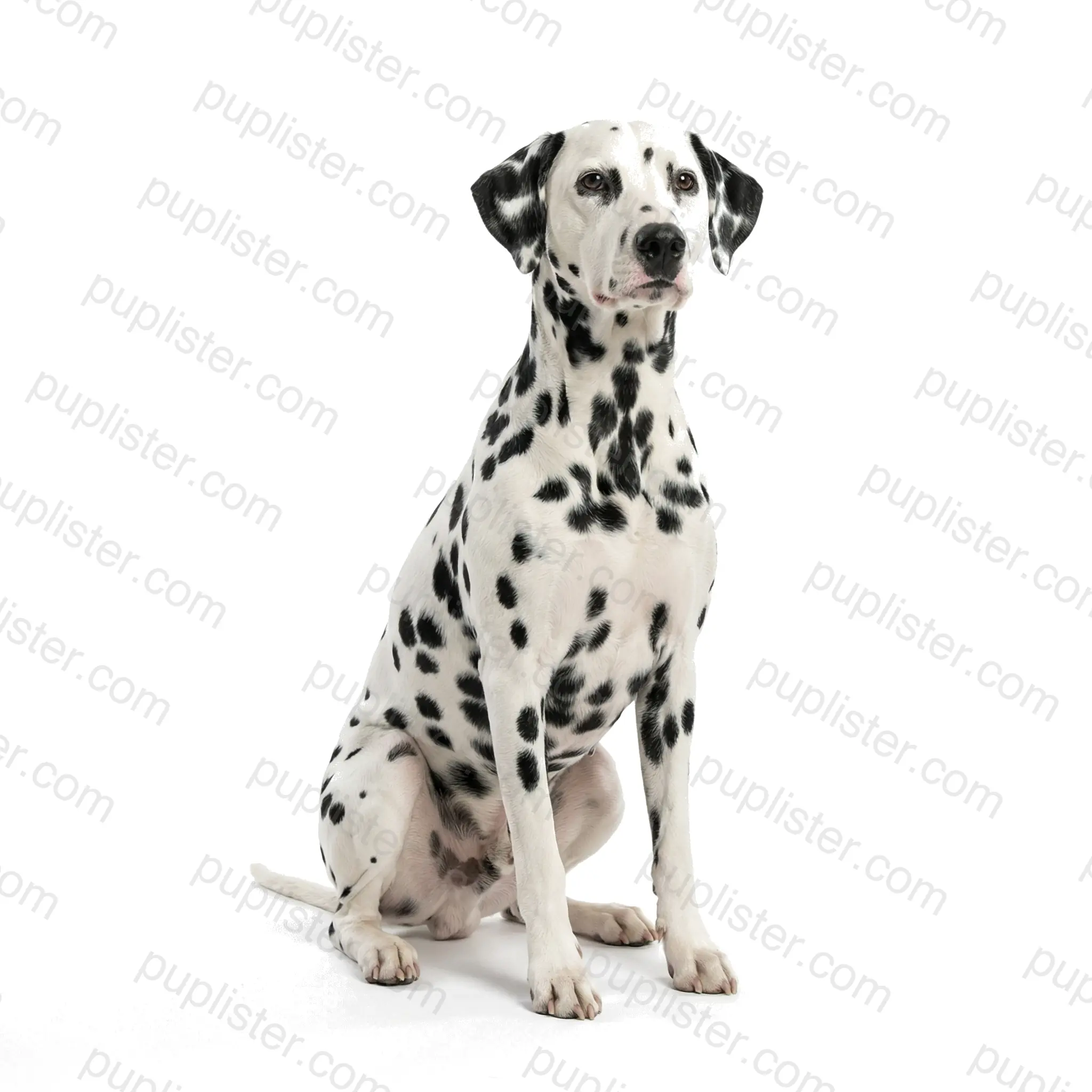
About the Dalmatian The Dalmatian is one of the most recognizable breeds on earth — known for its striking white coat adorned with black or liver-colored spots that are as unique as fingerprints. Standing 19–24 inches tall and weighing 45–70 pounds, this athletic breed has a storied history as a carriage dog, firehouse mascot, and circus performer across Europe. Dalmatian puppies are born completely white, with their signature spots developing gradually over the first few weeks of life.Temperament & PersonalityDalmatians are high-energy, exuberant dogs with an almost inexhaustible drive to run, play, and explore. They form strong bonds with their families and can be wonderful companions for active households, though their boisterous nature may overwhelm toddlers and elderly family members. They tend to be reserved — sometimes standoffish — with strangers and require thorough socialization to prevent timidity or nervousness.ProsOutstanding running and cycling companions — built for sustained endurance over long distancesShort, dense coat is easy to maintain with weekly brushingNaturally clean dogs with minimal doggy odorIntelligent and versatile — excel in agility, obedience, and road trialsConsApproximately 30% of Dalmatians are affected by hereditary deafness — unilateral or bilateralUnique urinary system produces uric acid instead of urea, predisposing them to kidney and bladder stonesSheds heavily year-round — white hairs embed in furniture and clothing persistentlyRequires 1–2 hours of vigorous exercise daily or develops destructive behaviorsAn active lifestyle and a spotted best friend — find Dalmatians available for adoption on Puplister.

Lhasa Apso

1 pet available

1

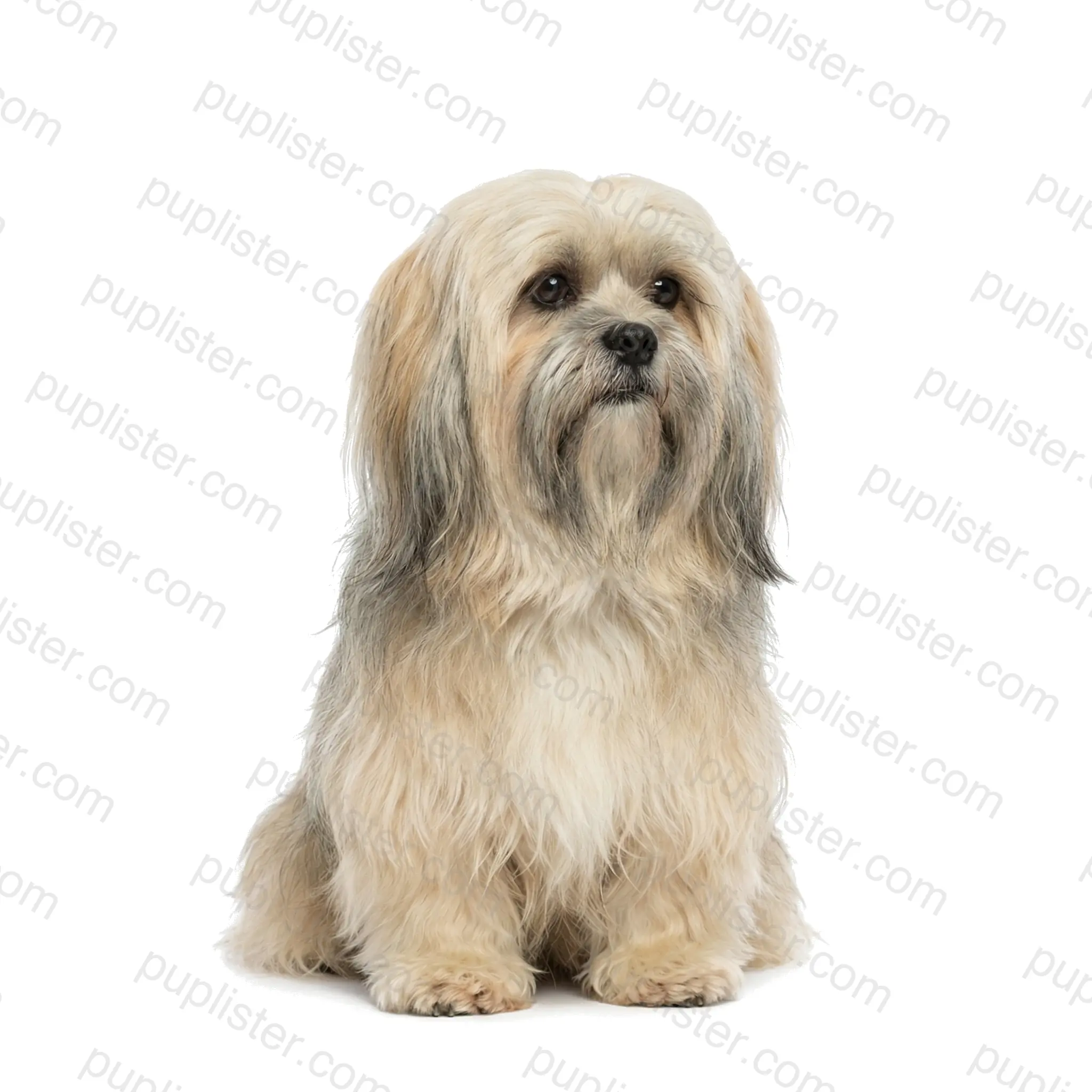
About the Lhasa Apso The Lhasa Apso — named after the sacred city of Lhasa in Tibet — served as an interior sentinel in Buddhist monasteries and noble households for over a thousand years, alerting monks to intruders with their sharp, penetrating bark. Standing 10–11 inches tall and weighing 12–18 pounds, these sturdy little dogs have a dense, floor-length double coat that parts down the middle of the back and comes in a wide range of colors including gold, cream, honey, smoke, slate, white, black, and parti-color. Their heavy coat, developed to insulate against Tibet's harsh mountain climate, gives them a dramatically different appearance from most toy breeds.Temperament & PersonalityLhasa Apsos are independent, assertive, and surprisingly tough-minded — they are companion dogs with the heart of a watchdog and the confidence of a much larger breed. They are devoted and affectionate with their chosen family but maintain a regal aloofness with strangers that can take time to warm up from. Unlike many small breeds, Lhasas are not typically needy or clingy — they enjoy companionship on their own terms and are content to watch from across the room.ProsExcellent watchdogs — keen hearing and a sharp, authoritative bark that belies their small sizeIndependent nature means they handle alone time better than most companion breedsLong lifespan of 12–15 years — one of the healthiest and hardiest small breedsHypoallergenic coat sheds minimally — well-suited for allergy-conscious householdsConsLong coat demands daily brushing and regular professional grooming — or must be kept in a puppy clipCan be stubborn and difficult to train — their independent streak resists repetitive drillsTendency toward small dog syndrome — may become snappy or dominant without firm, consistent boundariesProne to kidney disease, cherry eye, and dry eye — regular veterinary monitoring is importantDiscover the ancient charm and loyal spirit of the Lhasa Apso — find one waiting for you on Puplister.

Border Collie

33 pets available

1

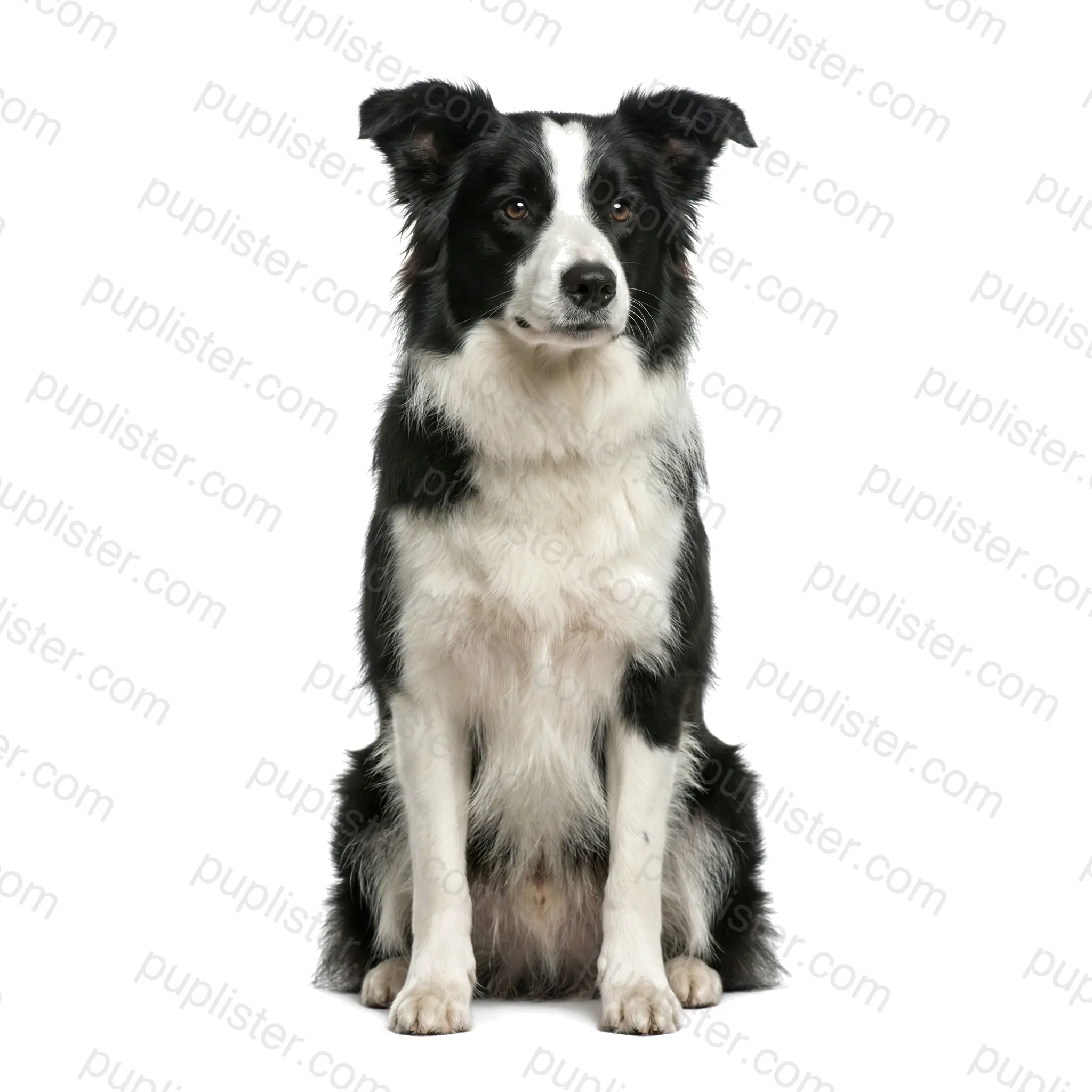
About the Border Collie The Border Collie originated in the border region between Scotland and England, where it was refined over centuries into what many consider the most intelligent and capable herding dog in the world. Standing 18–22 inches tall and weighing 30–55 pounds, the Border Collie is a medium-sized, athletic dog with an intense, focused expression and a characteristic crouching herding stance. Their coat comes in two varieties — rough (medium-length) and smooth (short) — and appears in a wide range of colors and patterns, with black-and-white being the most iconic.Temperament & PersonalityBorder Collies are extraordinarily intelligent, driven, and sensitive — they are widely regarded as the smartest dog breed, capable of learning hundreds of words and complex sequences of commands. They are deeply devoted to their families and can be wonderful with children, though they may try to herd them. Their intense need for mental and physical stimulation means they are best suited for owners who can provide daily training, work, or competitive sport — a bored Border Collie is a destructive Border Collie.ProsConsidered the most intelligent dog breed — unmatched learning ability and problem-solving skillsExcels in virtually every canine sport — agility, flyball, disc dog, herding trials, and obedienceDeeply loyal and attuned to their owner's emotions and body languageGenerally healthy breed with a lifespan of 12–15 yearsConsRequires an extraordinary amount of daily mental and physical exercise — easily 2+ hoursCan develop neurotic behaviors — obsessive staring, shadow chasing, spinning — without adequate stimulationHerding instinct may cause them to nip at children, joggers, and cyclistsProne to epilepsy, Collie eye anomaly, and hip dysplasiaIf you're ready for the most rewarding canine partnership of your life, find adoptable Border Collies on Puplister.

Related Articles

Frequently Asked Questions

What are the key traits of a Old English Sheepdog?
The Old English Sheepdog is known for being playful, adaptable, gentle and social.
How many Old English Sheepdogs are available for adoption?
There are currently 0 Old English Sheepdogs available for adoption on Puplister. Browse the listings above to find your perfect match.
How do I adopt a Old English Sheepdog from Puplister?
To adopt a Old English Sheepdog, browse the available listings on this page, click on a pet you're interested in, and contact the shelter directly through their profile page.