Adopted Cat Meowing All Night: How to Stop It
Adopted cat meowing all night? Discover why it happens, how to create a calm environment, and a realistic timeline to quiet nighttime meows.
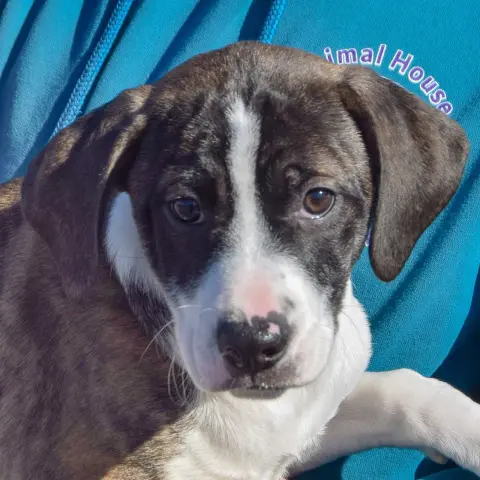
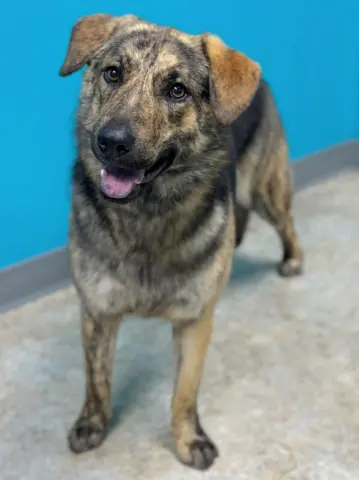
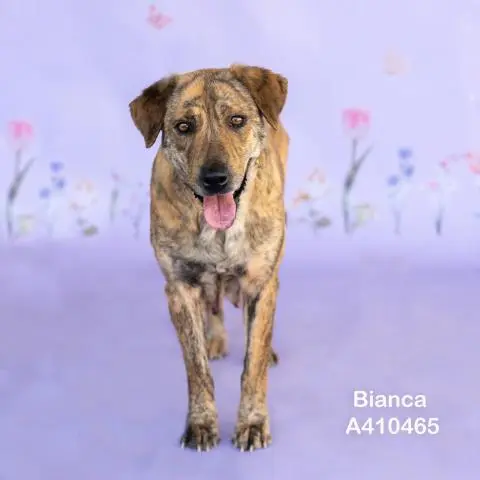
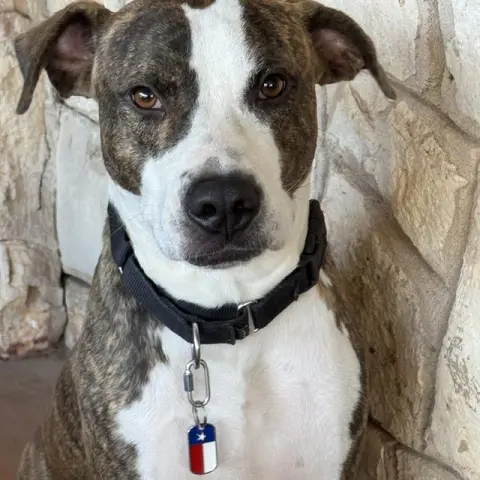
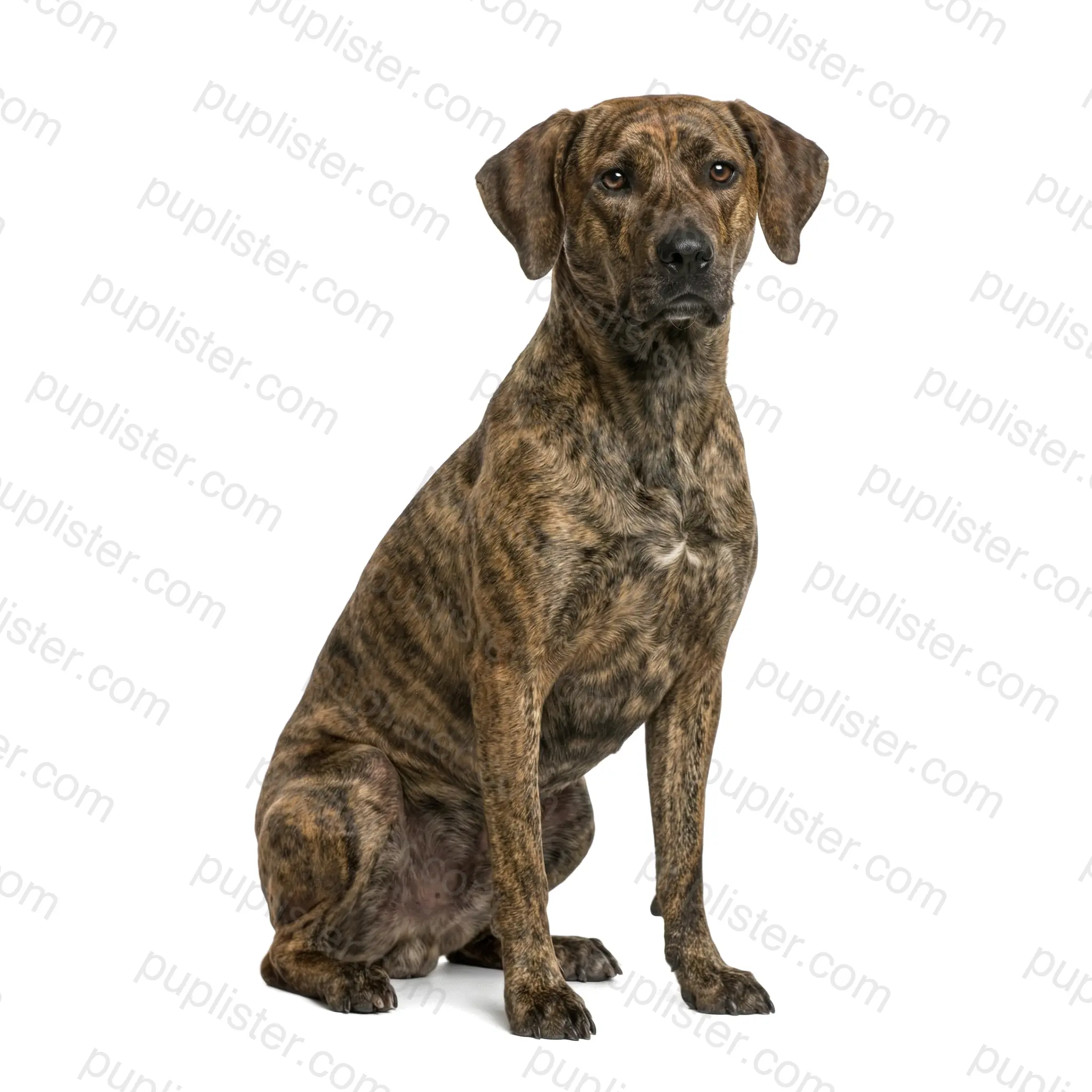
The Plott Hound is the official state dog of North Carolina, descended from Hanoverian Schweisshunds brought to the Appalachian Mountains by German immigrant Johannes Plott in 1750. These athletic, muscular hounds stand 20 to 25 inches tall and weigh 40 to 60 pounds, built for endurance and tenacity on the trail. Their short to medium-length, glossy coat is most commonly brindle — ranging from yellow to chocolate to black brindle — though solid colors also occur.
Plott Hounds are courageous, loyal, and determined — originally bred to track and tree bears, they possess a tenacious drive that can be both impressive and challenging. With their families, they are affectionate, eager to please, and surprisingly gentle, often forming deep bonds with their primary caretaker. They generally do well with children and other dogs, especially when raised together, though their strong prey drive means caution around cats and small animals.
The Plott Hound is a hidden gem among sporting breeds — discover one looking for a forever home on Puplister.
Answer 5 quick questions to see how well this breed matches your lifestyle.
Plott Hound / Doberman Pinscher
1 pet available
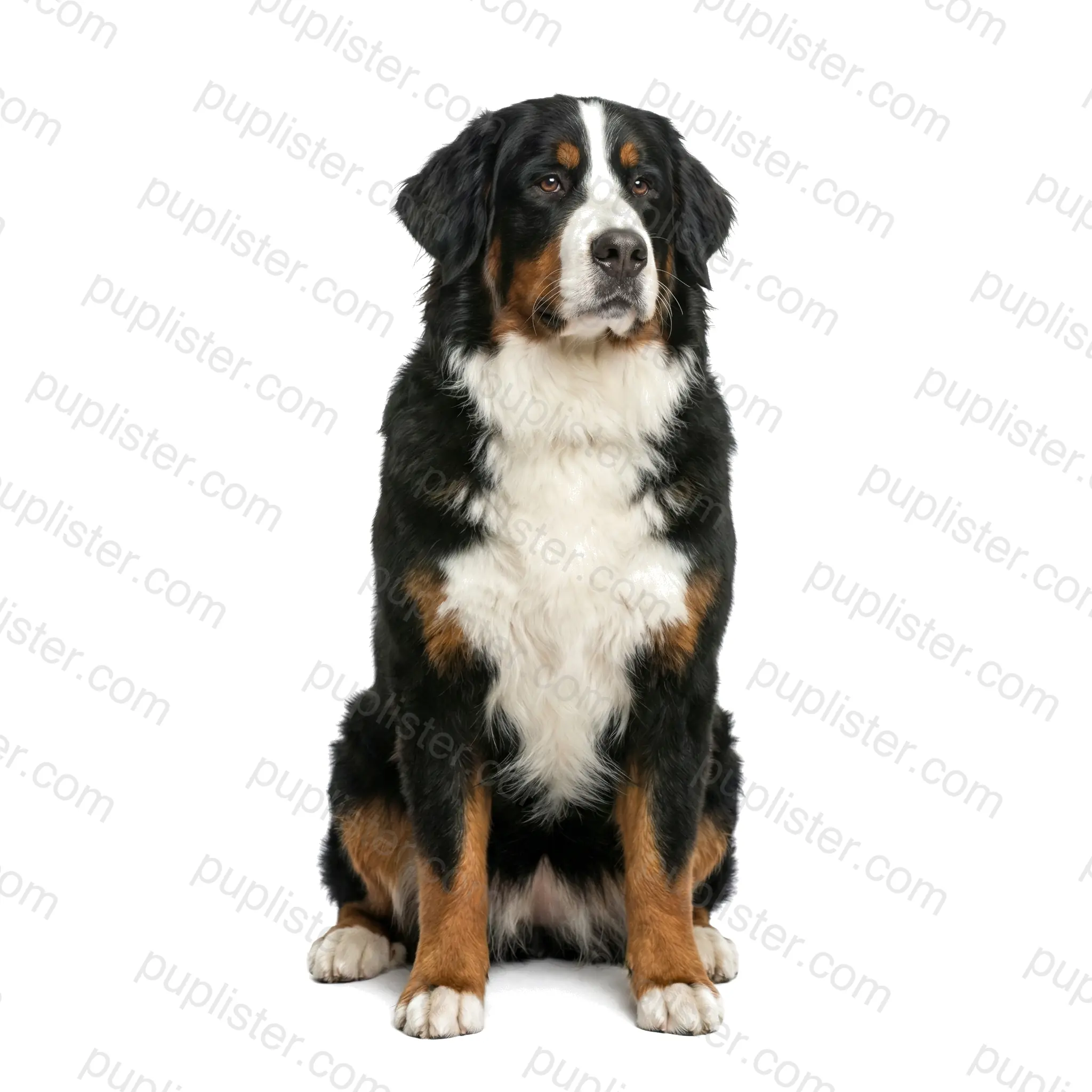
About the Bernese Mountain Dog The Bernese Mountain Dog — or Berner — originated in the Swiss Alps near the city of Bern, where it served as a versatile farm dog capable of drafting, herding, and guarding. These gentle giants stand 23–27.5 inches tall and weigh 70–115 pounds, with a sturdy, well-balanced frame built for mountain work. Their striking tri-color coat — jet black with rich rust and crisp white markings — is long, thick, and slightly wavy, designed to insulate against harsh alpine winters.Temperament & PersonalityBerners are calm, affectionate, and exceptionally good-natured — they are one of the most family-friendly large breeds, renowned for their patience and gentleness with children. They are eager to please and respond well to positive training methods, though they mature slowly and retain puppyish behavior longer than many breeds. They are friendly with other dogs and even cats, and their calm demeanor makes them excellent therapy dogs.ProsExceptionally gentle and patient with children — a true family dogEager to please and highly trainable with positive reinforcementCalm, steady temperament that adapts well to household routinesBeautiful, majestic appearance that commands admiration wherever they goConsTragically short lifespan — averaging only 6–8 years due to high cancer ratesHeavy shedding, especially during seasonal changes, requiring frequent groomingProne to hip and elbow dysplasia, histiocytic sarcoma, and bloatLarge size and drooling tendencies make them poorly suited for small living spacesBerners fill homes with warmth and love — discover adoptable Bernese Mountain Dogs on Puplister and welcome one into your family.
28 pets available
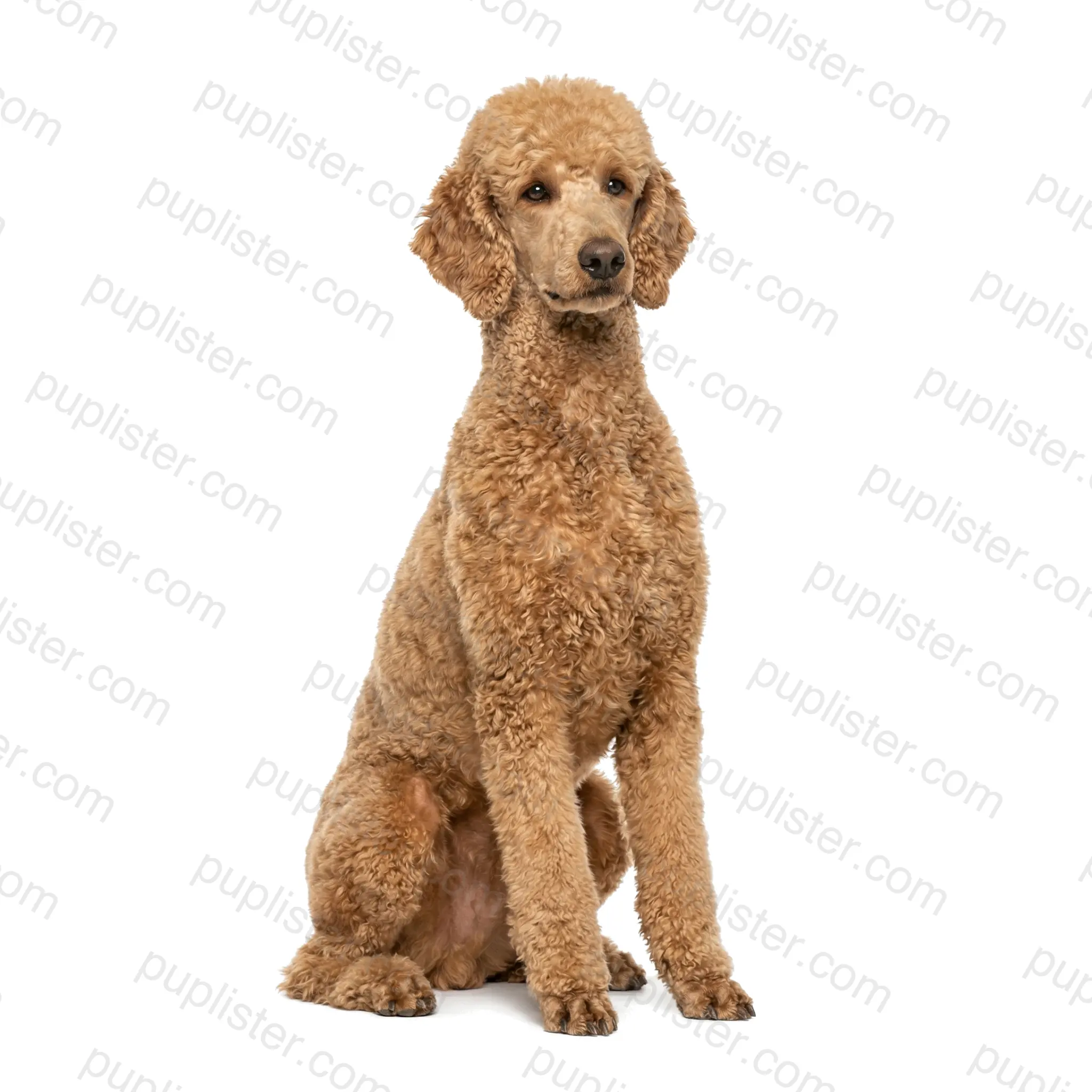
2About the Poodle The Poodle — despite its association with France — likely originated in Germany as a water retriever, with the name derived from the German "pudeln" meaning "to splash." The breed comes in three AKC-recognized sizes: Standard (over 15 inches, 40 to 70 pounds), Miniature (10 to 15 inches, 10 to 15 pounds), and Toy (under 10 inches, 4 to 6 pounds). Their dense, curly, single-layer coat is virtually non-shedding and comes in a wide array of solid colors including white, black, apricot, silver, blue, and café au lait. Temperament & Personality Poodles are among the most intelligent dog breeds in the world — ranked second only to the Border Collie — with an exceptional ability to learn commands and solve problems. All three sizes are active, proud, and eager to please, forming strong bonds with their families and excelling in virtually every canine sport and discipline. They are generally good with children and other pets, with Standards being the most laid-back and Toys tending to be the most sensitive. Pros Non-shedding coat produces less dander — widely recommended for allergy sufferersExceptionally intelligent and versatile — excels in obedience, agility, and therapy workThree size varieties allow matching to nearly any living situationAthletic and energetic with excellent longevity across all sizes Cons Coat requires professional grooming every 4 to 6 weeks without exceptionProne to hip dysplasia (Standards), epilepsy, and Addison's diseaseCan develop separation anxiety and neurotic behaviors without mental stimulationSensitive temperament requires gentle, consistent training methods Whether you prefer Standard, Miniature, or Toy — your perfect Poodle match could be on Puplister right now.
36 pets available
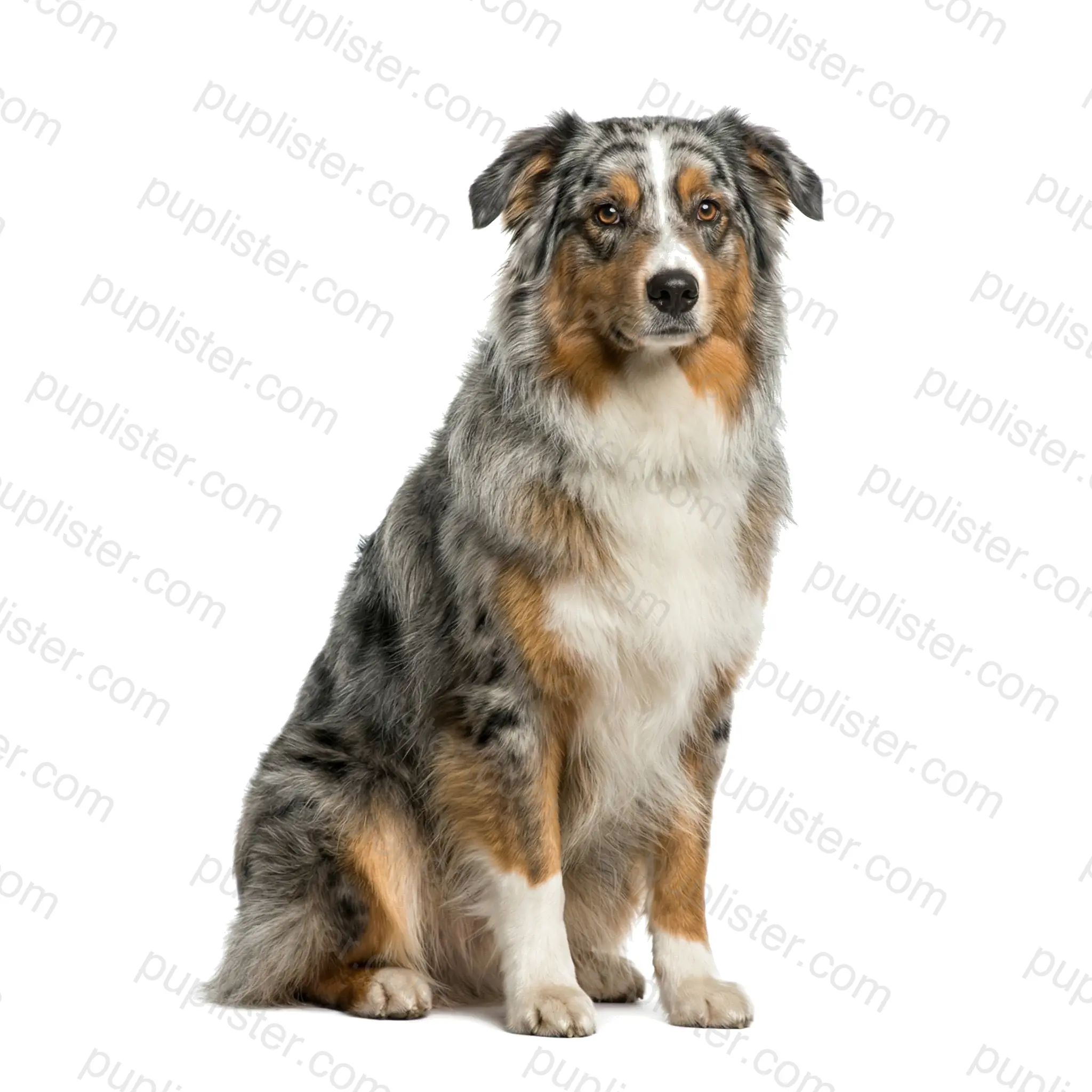
About the Australian Shepherd Despite its name, the Australian Shepherd was actually developed in the western United States during the 19th century, likely from Basque shepherd dogs that passed through Australia on their way to America. These versatile herding dogs stand 18–23 inches tall and weigh 40–65 pounds, with a medium-length double coat that comes in four recognized colors — black, blue merle, red, and red merle — often with striking copper and white markings. Their coats are weather-resistant and require regular brushing to manage moderate-to-heavy shedding.Temperament & PersonalityAustralian Shepherds are brilliant, energetic, and deeply devoted to their families — they thrive when given a purpose and can become anxious or destructive without one. They are excellent with children, often naturally herding and watching over younger family members. Aussies are typically friendly with other dogs but can be reserved with strangers, and their intelligence makes them exceptionally responsive to training.ProsOne of the most intelligent and trainable breeds — excels in agility, flyball, and herdingLoyal and affectionate family companion who bonds closely with all household membersVersatile working dog adaptable to ranch life, sport, or active suburban livingBeautiful, eye-catching coat with striking color variations including heterochromiaConsDemands extensive daily exercise and mental engagement — easily 1–2 hours minimumHeavy shedding, especially during seasonal coat changesMay herd children, cats, and other pets by nipping at heelsProne to epilepsy, hip dysplasia, and the MDR1 gene mutation affecting drug sensitivityAussies are incredible partners for active families — discover adoptable Australian Shepherds waiting for you on Puplister.
3 pets available
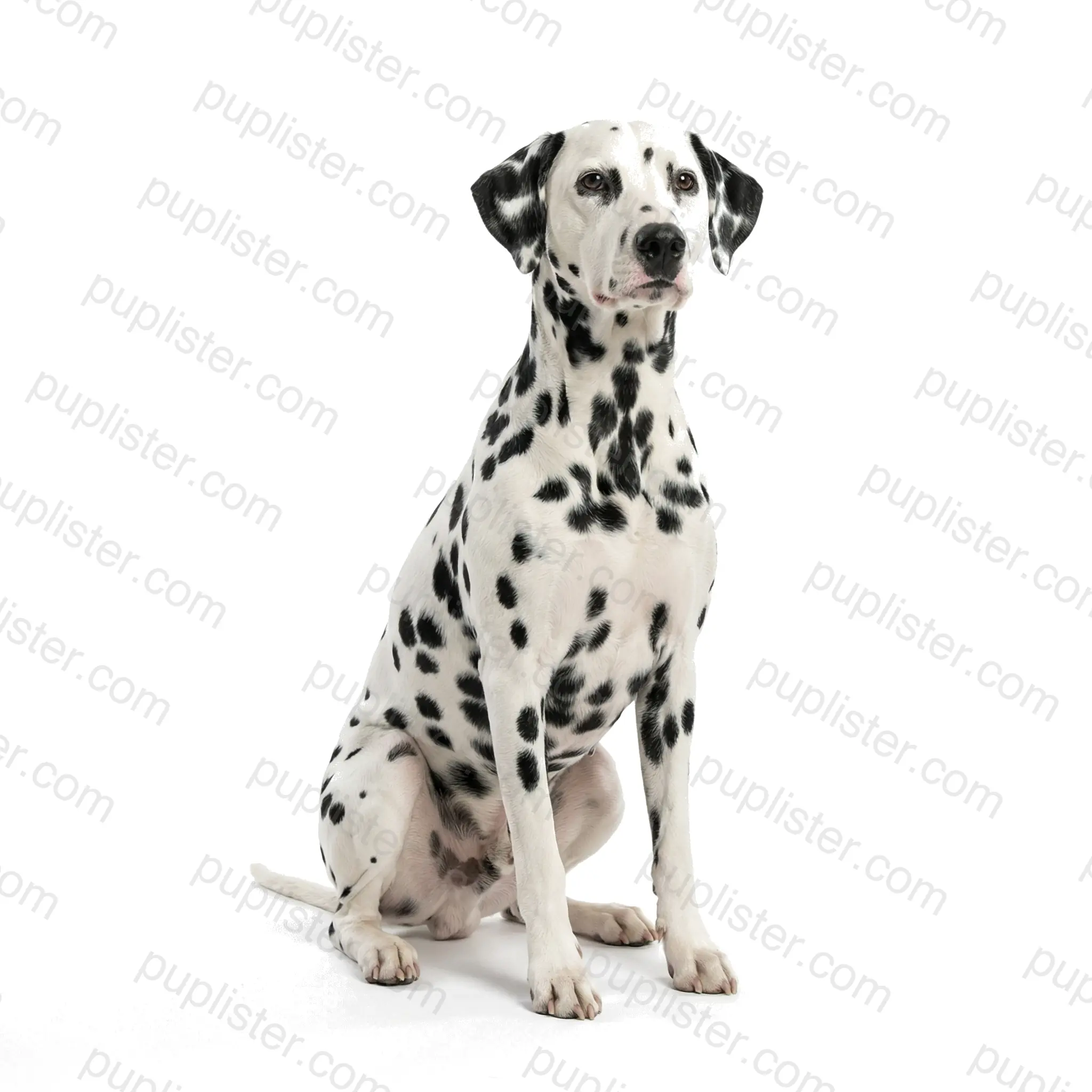
1About the Dalmatian The Dalmatian is one of the most recognizable breeds on earth — known for its striking white coat adorned with black or liver-colored spots that are as unique as fingerprints. Standing 19–24 inches tall and weighing 45–70 pounds, this athletic breed has a storied history as a carriage dog, firehouse mascot, and circus performer across Europe. Dalmatian puppies are born completely white, with their signature spots developing gradually over the first few weeks of life.Temperament & PersonalityDalmatians are high-energy, exuberant dogs with an almost inexhaustible drive to run, play, and explore. They form strong bonds with their families and can be wonderful companions for active households, though their boisterous nature may overwhelm toddlers and elderly family members. They tend to be reserved — sometimes standoffish — with strangers and require thorough socialization to prevent timidity or nervousness.ProsOutstanding running and cycling companions — built for sustained endurance over long distancesShort, dense coat is easy to maintain with weekly brushingNaturally clean dogs with minimal doggy odorIntelligent and versatile — excel in agility, obedience, and road trialsConsApproximately 30% of Dalmatians are affected by hereditary deafness — unilateral or bilateralUnique urinary system produces uric acid instead of urea, predisposing them to kidney and bladder stonesSheds heavily year-round — white hairs embed in furniture and clothing persistentlyRequires 1–2 hours of vigorous exercise daily or develops destructive behaviorsAn active lifestyle and a spotted best friend — find Dalmatians available for adoption on Puplister.
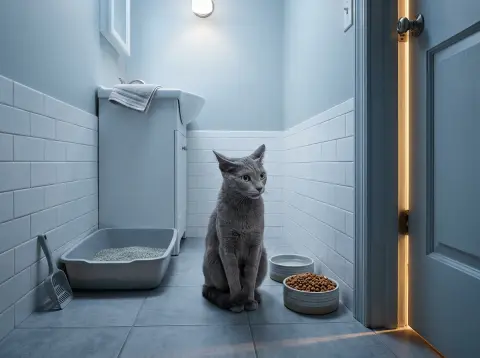
Adopted cat meowing all night? Discover why it happens, how to create a calm environment, and a realistic timeline to quiet nighttime meows.
Is your adopted cat not eating? Learn the causes, from stress to past trauma, and discover practical solutions to get your new feline friend eating again.
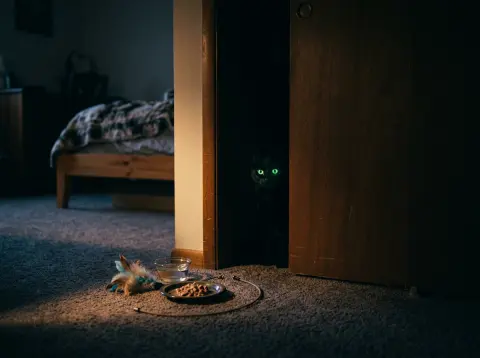
Is your new cat hiding and won't come out? It's normal, but proactive steps can help. Learn how to build trust with your shy adopted cat.
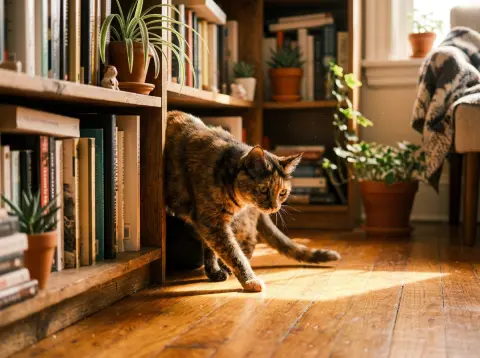
Discover how long it takes for a rescue cat to feel at home with our experienced guide, covering the 3-3-3 rule and actionable tips.