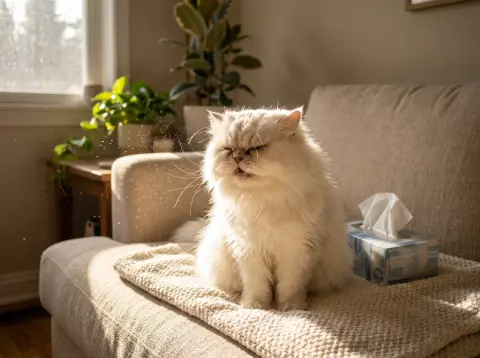
Adopted Cat Meowing All Night: How to Stop It
Adopted cat meowing all night? Discover why it happens, how to create a calm environment, and a realistic timeline to quiet nighttime meows.
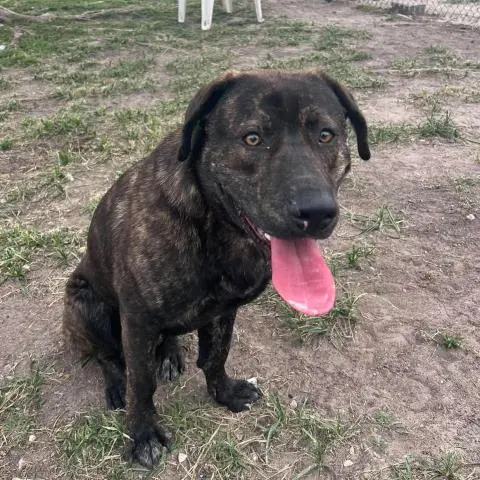
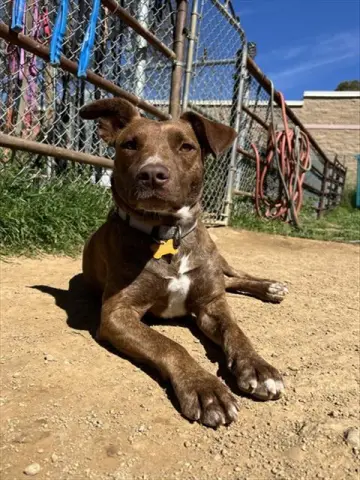
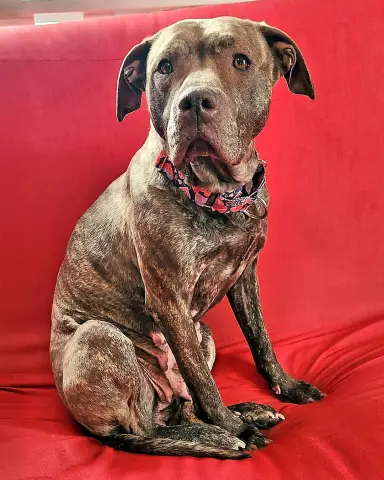
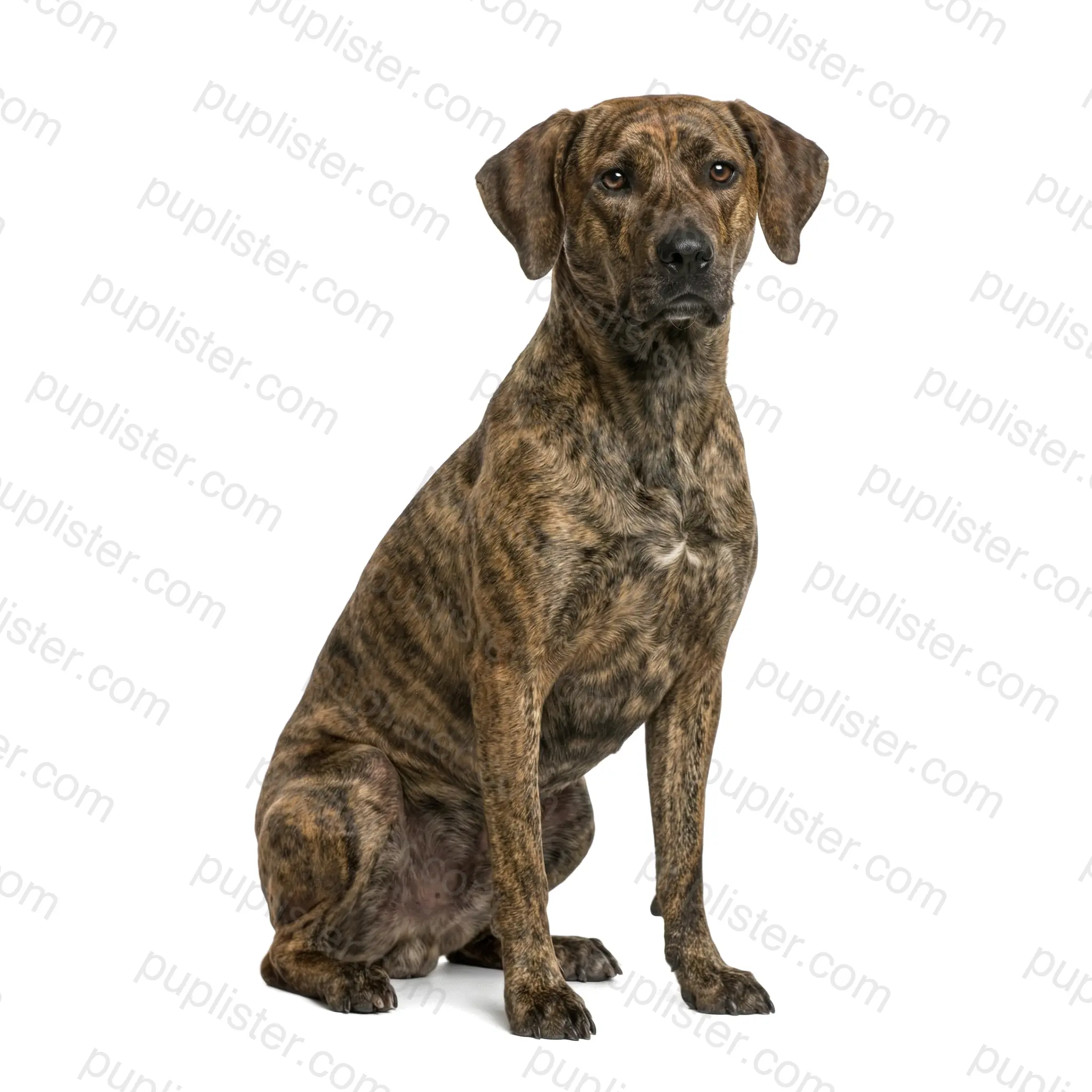
The Plott Hound is the official state dog of North Carolina, descended from Hanoverian Schweisshunds brought to the Appalachian Mountains by German immigrant Johannes Plott in 1750. These athletic, muscular hounds stand 20 to 25 inches tall and weigh 40 to 60 pounds, built for endurance and tenacity on the trail. Their short to medium-length, glossy coat is most commonly brindle — ranging from yellow to chocolate to black brindle — though solid colors also occur.
Plott Hounds are courageous, loyal, and determined — originally bred to track and tree bears, they possess a tenacious drive that can be both impressive and challenging. With their families, they are affectionate, eager to please, and surprisingly gentle, often forming deep bonds with their primary caretaker. They generally do well with children and other dogs, especially when raised together, though their strong prey drive means caution around cats and small animals.
The Plott Hound is a hidden gem among sporting breeds — discover one looking for a forever home on Puplister.
Answer 5 quick questions to see how well this breed matches your lifestyle.
1 pet available
About the Bernese Mountain Dog The Bernese Mountain Dog — or Berner — originated in the Swiss Alps near the city of Bern, where it served as a versatile farm dog capable of drafting, herding, and guarding. These gentle giants stand 23–27.5 inches tall and weigh 70–115 pounds, with a sturdy, well-balanced frame built for mountain work. Their striking tri-color coat — jet black with rich rust and crisp white markings — is long, thick, and slightly wavy, designed to insulate against harsh alpine winters.Temperament & PersonalityBerners are calm, affectionate, and exceptionally good-natured — they are one of the most family-friendly large breeds, renowned for their patience and gentleness with children. They are eager to please and respond well to positive training methods, though they mature slowly and retain puppyish behavior longer than many breeds. They are friendly with other dogs and even cats, and their calm demeanor makes them excellent therapy dogs.ProsExceptionally gentle and patient with children — a true family dogEager to please and highly trainable with positive reinforcementCalm, steady temperament that adapts well to household routinesBeautiful, majestic appearance that commands admiration wherever they goConsTragically short lifespan — averaging only 6–8 years due to high cancer ratesHeavy shedding, especially during seasonal changes, requiring frequent groomingProne to hip and elbow dysplasia, histiocytic sarcoma, and bloatLarge size and drooling tendencies make them poorly suited for small living spacesBerners fill homes with warmth and love — discover adoptable Bernese Mountain Dogs on Puplister and welcome one into your family.
14 pets available
2About the Miniature Pinscher The Miniature Pinscher — affectionately called the "Min Pin" — originated in Germany several centuries ago, likely bred from a combination of Dachshunds and Italian Greyhounds. Standing 10 to 12.5 inches tall and weighing 8 to 12 pounds, these spirited dogs are far older than the Doberman and are not simply a scaled-down version of that breed. Their sleek, smooth coat comes in red, stag red, black and tan, or chocolate and tan with a naturally glossy sheen. Temperament & Personality Miniature Pinschers are bold, energetic, and remarkably self-assured — often described as having a big-dog attitude in a toy-sized body. They are entertaining and devoted to their owners but can be independent and stubborn during training sessions. Min Pins generally do well with older children and can coexist with other dogs, though they may try to assert dominance over much larger breeds. Pros Minimal grooming needed thanks to their short, smooth coatExcellent watchdog with an alert, vocal natureCompact size perfect for apartment and urban livingHighly energetic and entertaining companion for active owners Cons Notorious escape artists — can squeeze through small gaps and jump surprisingly highProne to patellar luxation and Legg-Calvé-Perthes diseaseStubborn streak makes housetraining more challenging than averageHigh prey drive means unreliable off-leash in unfenced areas Think a fearless little companion with endless personality is right for you? Search for Miniature Pinschers available on Puplister.
17 pets available
1About the Collie The Collie — immortalized by the fictional Lassie — originated in Scotland and northern England as a supremely capable herding dog guarding flocks across rugged highland terrain. Standing 22–26 inches tall and weighing 50–75 pounds, the breed comes in two coat varieties — the iconic Rough Collie with its abundant mane and the sleeker Smooth Collie — in sable and white, tricolor, blue merle, and white colorations. Their wedge-shaped head, almond eyes, and graceful build give them an unmistakable elegance among herding breeds.Temperament & PersonalityCollies are among the most gentle and devoted of all breeds — known for their uncanny ability to sense their family's emotions and respond with quiet comfort. They are exceptionally patient with children and often take on a protective, nurturing role with the youngest family members. While friendly toward strangers, they'll alert you to anything unusual with a distinctive bark — though excessive barking can develop without training.ProsOne of the most naturally gentle and trustworthy breeds with children of all agesHighly intelligent and responsive to training — learn commands with minimal repetitionModerate exercise needs — satisfied with daily walks and yard play rather than intense activityClean dogs with little doggy odor despite their abundant coatsConsRough variety sheds heavily year-round and requires thorough brushing 2–3 times weeklyProne to Collie Eye Anomaly — a hereditary condition affecting up to 70% of the breedCan develop nuisance barking if bored or left alone frequentlySensitive to many common veterinary drugs due to the MDR1 gene mutationBring home a loyal and graceful Collie — explore adoptable Collies waiting for families on Puplister.
1 pet available
1About the Lhasa Apso The Lhasa Apso — named after the sacred city of Lhasa in Tibet — served as an interior sentinel in Buddhist monasteries and noble households for over a thousand years, alerting monks to intruders with their sharp, penetrating bark. Standing 10–11 inches tall and weighing 12–18 pounds, these sturdy little dogs have a dense, floor-length double coat that parts down the middle of the back and comes in a wide range of colors including gold, cream, honey, smoke, slate, white, black, and parti-color. Their heavy coat, developed to insulate against Tibet's harsh mountain climate, gives them a dramatically different appearance from most toy breeds.Temperament & PersonalityLhasa Apsos are independent, assertive, and surprisingly tough-minded — they are companion dogs with the heart of a watchdog and the confidence of a much larger breed. They are devoted and affectionate with their chosen family but maintain a regal aloofness with strangers that can take time to warm up from. Unlike many small breeds, Lhasas are not typically needy or clingy — they enjoy companionship on their own terms and are content to watch from across the room.ProsExcellent watchdogs — keen hearing and a sharp, authoritative bark that belies their small sizeIndependent nature means they handle alone time better than most companion breedsLong lifespan of 12–15 years — one of the healthiest and hardiest small breedsHypoallergenic coat sheds minimally — well-suited for allergy-conscious householdsConsLong coat demands daily brushing and regular professional grooming — or must be kept in a puppy clipCan be stubborn and difficult to train — their independent streak resists repetitive drillsTendency toward small dog syndrome — may become snappy or dominant without firm, consistent boundariesProne to kidney disease, cherry eye, and dry eye — regular veterinary monitoring is importantDiscover the ancient charm and loyal spirit of the Lhasa Apso — find one waiting for you on Puplister.
Adopted cat meowing all night? Discover why it happens, how to create a calm environment, and a realistic timeline to quiet nighttime meows.
Is your adopted cat not eating? Learn the causes, from stress to past trauma, and discover practical solutions to get your new feline friend eating again.
Is your new cat hiding and won't come out? It's normal, but proactive steps can help. Learn how to build trust with your shy adopted cat.
Discover how long it takes for a rescue cat to feel at home with our experienced guide, covering the 3-3-3 rule and actionable tips.