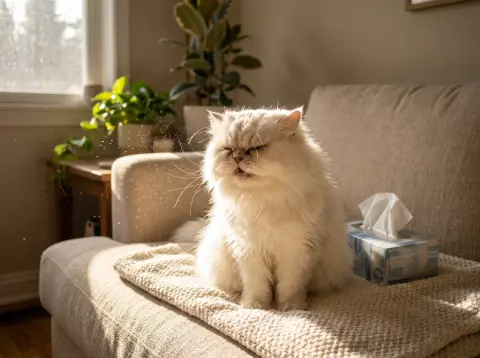
Adopted Cat Meowing All Night: How to Stop It
Adopted cat meowing all night? Discover why it happens, how to create a calm environment, and a realistic timeline to quiet nighttime meows.
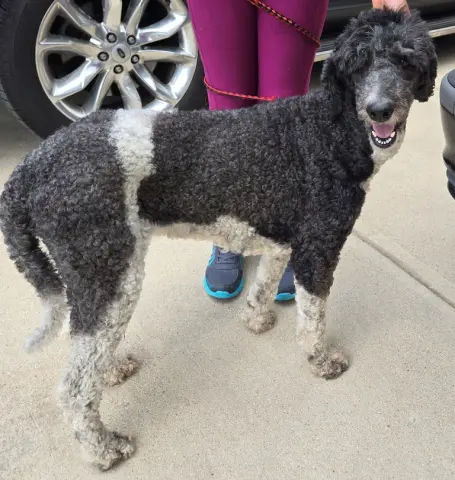
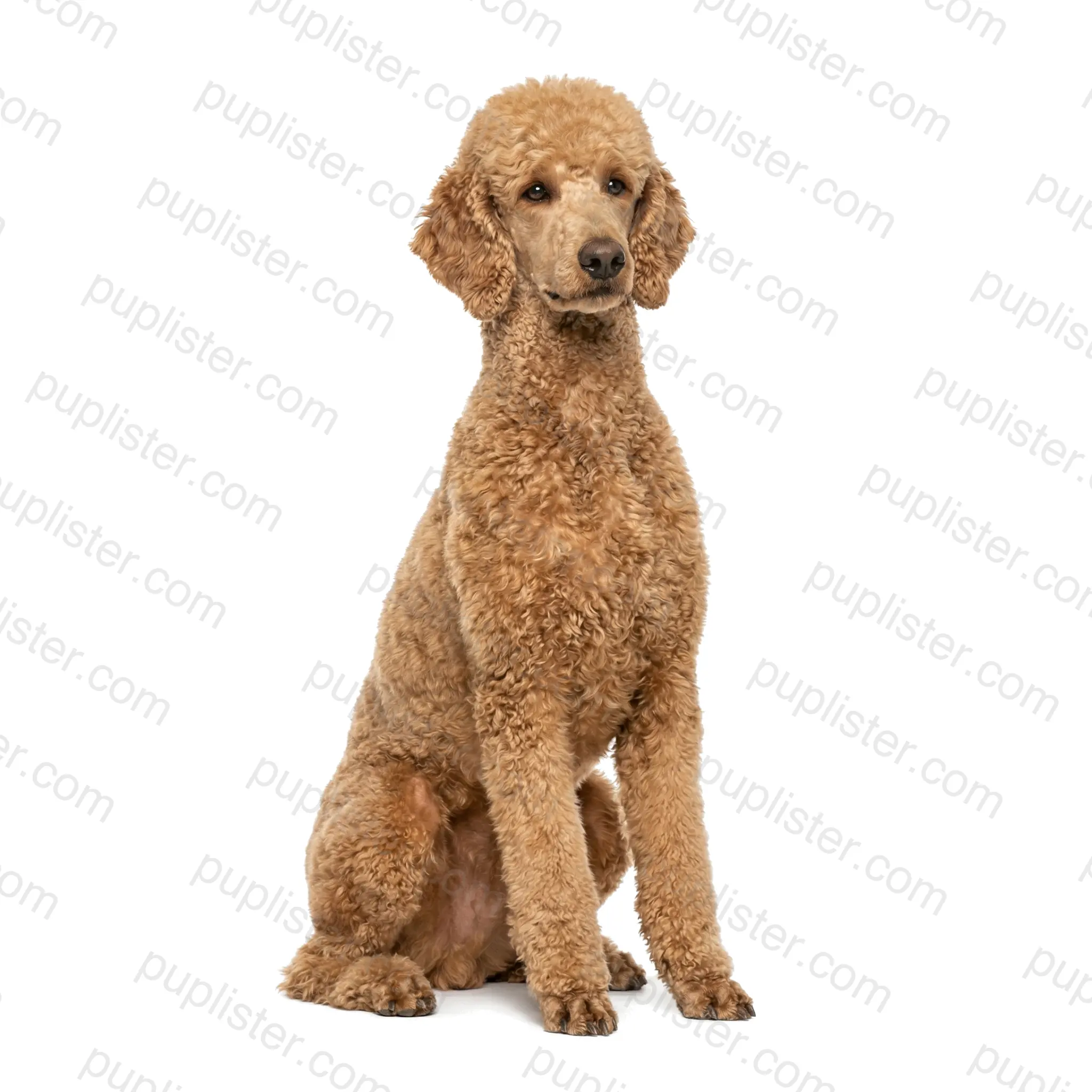
The Poodle — despite its association with France — likely originated in Germany as a water retriever, with the name derived from the German "pudeln" meaning "to splash." The breed comes in three AKC-recognized sizes: Standard (over 15 inches, 40 to 70 pounds), Miniature (10 to 15 inches, 10 to 15 pounds), and Toy (under 10 inches, 4 to 6 pounds). Their dense, curly, single-layer coat is virtually non-shedding and comes in a wide array of solid colors including white, black, apricot, silver, blue, and café au lait.
Poodles are among the most intelligent dog breeds in the world — ranked second only to the Border Collie — with an exceptional ability to learn commands and solve problems. All three sizes are active, proud, and eager to please, forming strong bonds with their families and excelling in virtually every canine sport and discipline. They are generally good with children and other pets, with Standards being the most laid-back and Toys tending to be the most sensitive.
Whether you prefer Standard, Miniature, or Toy — your perfect Poodle match could be on Puplister right now.
Answer 5 quick questions to see how well this breed matches your lifestyle.
1 pet available
About the Airedale Terrier Known as the "King of Terriers," the Airedale is the largest of all terrier breeds, standing 21–23 inches at the shoulder and weighing 40–65 pounds. Developed in the Aire Valley of Yorkshire, England, during the mid-19th century, the breed was originally used for hunting otters, rats, and other vermin along riverbanks. The Airedale sports a dense, wiry coat in a distinctive tan-and-black saddle pattern that is low-shedding but requires regular hand-stripping or clipping to maintain its texture.Temperament & PersonalityAiredales are bold, confident, and endlessly energetic — they approach life with a terrier's tenacity and a larger dog's courage. They are playful and affectionate with their families, including children, and often serve as devoted watchdogs. However, they can be strong-willed and may try to assert dominance over other dogs, so early socialization is key.ProsVersatile working dog — excels in obedience, agility, and even search-and-rescueLow-shedding, wiry coat suitable for allergy-conscious householdsLoyal protector with natural guarding instinctsHighly intelligent and quick to learn new commands and tricksConsRequires significant daily exercise and mental stimulation to prevent destructive behaviorCan be stubborn and independent, making training a challenge for novice ownersProne to digging — they will excavate your yard if left unsupervisedSusceptible to hip dysplasia and skin allergies that may require ongoing veterinary careReady to welcome the King of Terriers into your home? Search for adoptable Airedale Terriers on Puplister today.
1 pet available
About the Norwegian Elkhound The Norwegian Elkhound is one of the oldest European breeds, with archaeological evidence dating its partnership with humans back over 6,000 years in Scandinavia. These medium-sized spitz-type dogs stand 19.5 to 20.5 inches tall and weigh 48 to 55 pounds, built for endurance in rugged terrain. Their dense, silver-gray double coat with black-tipped guard hairs and lighter undercoat provided vital insulation against harsh Nordic winters. Temperament & Personality Norwegian Elkhounds are bold, independent, and deeply loyal — bred to track moose and hold them at bay while alerting hunters with their distinctive bark. They are affectionate and playful with family members, including children, and possess a dignified confidence around strangers. Their independent nature means they think for themselves, which can be both endearing and challenging during training. Pros Hardy constitution with excellent stamina for hiking and outdoor adventuresLoyal and protective family companion with natural watchdog instinctsAdapts well to cold climates and enjoys winter activitiesRelatively healthy breed with a lifespan of 12 to 15 years Cons Heavy seasonal shedding — blows coat twice yearly in massive amountsIndependent and stubborn, requiring patient and consistent trainingHigh barking tendency — bred to bark while tracking gameProne to hip dysplasia, progressive retinal atrophy, and Fanconi syndrome If you love the outdoors and want a steadfast Nordic companion, explore Norwegian Elkhound listings on Puplister.
21 pets available
1About the Rat Terrier The Rat Terrier is an American original, developed in the early 20th century on farms across the United States by crossing Fox Terriers with Beagles, Whippets, Italian Greyhounds, and other breeds. They come in two sizes — Miniature (10 to 13 inches, 10 to 18 pounds) and Standard (13 to 18 inches, 12 to 25 pounds) — both with a compact, elegant build. Their short, smooth coat is always pied (white with patches of one or more other colors), and President Theodore Roosevelt is credited with naming the breed after his own terrier cleared the White House of rats. Temperament & Personality Rat Terriers are intelligent, curious, and remarkably versatile — combining terrier tenacity with a more biddable, people-oriented temperament than many of their terrier cousins. They bond deeply with their families and are generally good with children, often choosing one person as their particular favorite. Rat Terriers tend to be less dog-aggressive than other terriers, though they retain a strong prey drive toward rodents and small animals. Pros Excellent farm and homestead dog with natural pest control abilitiesMore trainable and less stubborn than most terrier breedsMinimal grooming needs — short coat requires only occasional brushingGenerally healthy breed with a long lifespan of 12 to 18 years Cons Can be diggers — will excavate impressive holes in gardens and yardsHigh energy level requires daily exercise and mental engagementProne to patellar luxation, hip dysplasia, and cardiac issuesMay be wary of strangers and needs early socialization to prevent timidity A Rat Terrier could be the spirited, loyal companion your household needs — find one on Puplister today.
316 pets available
4About the American Pit Bull Terrier The American Pit Bull Terrier traces its roots to 19th-century England, where Bulldogs and Terriers were crossed to create a dog combining strength with agility. Standing 17–21 inches tall and weighing 30–60 pounds, the APBT is a medium-sized, solidly built dog with a broad chest and well-defined musculature. Their short, glossy coat comes in virtually every color and pattern — including blue, red, brindle, and merle — and is exceptionally easy to maintain.Temperament & PersonalityDespite their often-misunderstood reputation, American Pit Bull Terriers are among the most people-oriented breeds — they are affectionate, eager to please, and frequently described as "nanny dogs" for their gentleness with children. They are intelligent, loyal, and enthusiastic about training when given positive reinforcement. However, some individuals may exhibit dog-selectivity, and responsible ownership includes understanding their terrier-driven tenacity.ProsExtremely affectionate and loyal — they bond deeply with every family memberHighly trainable and eager to please, excelling in obedience and noseworkLow grooming needs with their short, easy-care coatAthletic and energetic — outstanding companion for active lifestylesConsSubject to breed-specific legislation and housing restrictions in many areasMay develop dog-selectivity, requiring careful management around other dogsStrong and powerful — not ideal for physically frail ownersProne to skin allergies, hip dysplasia, and congenital heart diseaseThese loving, misunderstood dogs deserve wonderful homes — browse adoptable Pit Bull Terriers on Puplister today.
Adopted cat meowing all night? Discover why it happens, how to create a calm environment, and a realistic timeline to quiet nighttime meows.
Is your adopted cat not eating? Learn the causes, from stress to past trauma, and discover practical solutions to get your new feline friend eating again.
Is your new cat hiding and won't come out? It's normal, but proactive steps can help. Learn how to build trust with your shy adopted cat.
Discover how long it takes for a rescue cat to feel at home with our experienced guide, covering the 3-3-3 rule and actionable tips.