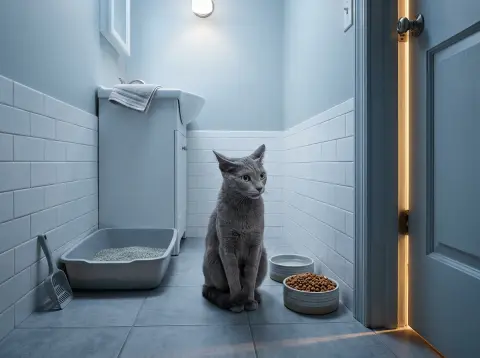
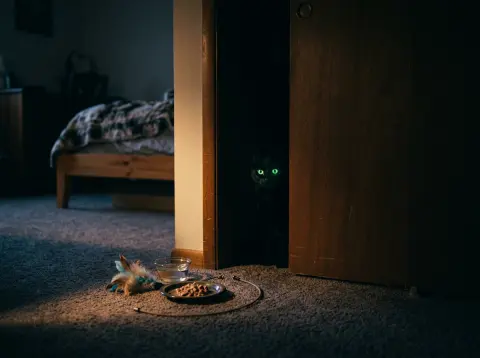
Adopted Cat Meowing All Night: How to Stop It
Adopted cat meowing all night? Discover why it happens, how to create a calm environment, and a realistic timeline to quiet nighttime meows.
The Pug is one of the oldest toy breeds, originating in China around 400 BC as prized companions of Buddhist monks and later Chinese emperors. These compact, square-proportioned dogs weigh 14 to 18 pounds and stand 10 to 13 inches tall, with a distinctively wrinkled face, large round eyes, and a tightly curled tail. Their smooth, short double coat comes in fawn (with a black mask) or solid black — and despite its short length, it sheds prolifically.
Pugs live to love and be loved — they are charming, mischievous, and remarkably attuned to their owners' emotions, making them outstanding companion dogs. They get along wonderfully with children, other dogs, and even cats, possessing a sociable nature that makes them the life of any gathering. Pugs are playful without being hyperactive, and their clownish antics provide endless entertainment for their families.
Pugs bring joy wherever they go — find your wrinkly-faced soulmate waiting on Puplister.
Answer 5 quick questions to see how well this breed matches your lifestyle.
9 pets available
1About the Mastiff The English Mastiff is one of the most ancient and massive dog breeds, with roots tracing back over 2,000 years to ancient Britain and possibly earlier Molosser-type dogs of Asia. Males commonly weigh 160 to 230 pounds and stand 30 inches or taller at the shoulder, making them among the heaviest domestic dogs in the world. Their short, dense double coat comes in fawn, apricot, or brindle — always with a distinctive dark mask on the face. Temperament & Personality Despite their imposing size, Mastiffs are famously gentle, calm, and deeply loyal — often called "gentle giants" with good reason. They are patient and protective with children in their family, though their sheer mass means supervision around small kids is wise. Mastiffs tend to be reserved with strangers but rarely aggressive, preferring to position themselves between their family and any perceived threat. Pros Naturally protective without needing guard trainingSurprisingly low energy indoors — content to lounge for hoursGentle and patient temperament ideal for familiesShort coat requires only basic weekly brushing Cons Massive food bills — adult Mastiffs eat 6 to 10 cups of food dailyShorter lifespan of 6 to 10 years typical of giant breedsProne to hip dysplasia, bloat (gastric torsion), and heart conditionsExcessive drooling is a constant reality with this breed Ready to welcome a magnificent gentle giant into your home? Explore Mastiff adoption opportunities on Puplister.
295 pets available
4About the Labrador Retriever The Labrador Retriever has been America's most popular dog breed for over three decades — and for good reason. Originally bred in Newfoundland, Canada, during the early 19th century to help fishermen haul nets and retrieve catch from the icy North Atlantic, the breed was refined in England into the versatile sporting dog we know today. Labs stand 21.5–24.5 inches tall and weigh 55–80 pounds, with a short, dense, water-resistant double coat in three recognized colors: black, yellow (ranging from fox-red to pale cream), and chocolate.Temperament & PersonalityLabrador Retrievers are friendly, outgoing, and high-spirited — they greet nearly every person, dog, and situation with unbridled enthusiasm and a wagging tail. They are exceptionally patient and gentle with children, making them one of the most trusted family dogs in the world. Labs are also remarkably intelligent and eager to please, which is why they dominate as guide dogs, search-and-rescue dogs, therapy dogs, and detection dogs across dozens of working disciplines.ProsOutstanding family dog — patient, gentle, and naturally good with children of all agesHighly trainable and eager to please — consistently ranks among the most obedient breedsVersatile and adaptable — equally at home on the couch, in the field, or in the waterFriendly and social temperament — gets along well with other dogs, cats, and strangersConsHeavy shedding year-round with major seasonal blowouts — not suited for allergy sufferersProne to obesity — Labs are notoriously food-motivated and will eat anything not locked awayHigh energy in the first 2–3 years — requires substantial daily exercise to prevent destructive behaviorSusceptible to hip and elbow dysplasia, exercise-induced collapse, and progressive retinal atrophyThere's a reason the Lab is the world's favorite dog — discover adoptable Labrador Retrievers on Puplister today.

1 pet available
1About the Lhasa Apso The Lhasa Apso — named after the sacred city of Lhasa in Tibet — served as an interior sentinel in Buddhist monasteries and noble households for over a thousand years, alerting monks to intruders with their sharp, penetrating bark. Standing 10–11 inches tall and weighing 12–18 pounds, these sturdy little dogs have a dense, floor-length double coat that parts down the middle of the back and comes in a wide range of colors including gold, cream, honey, smoke, slate, white, black, and parti-color. Their heavy coat, developed to insulate against Tibet's harsh mountain climate, gives them a dramatically different appearance from most toy breeds.Temperament & PersonalityLhasa Apsos are independent, assertive, and surprisingly tough-minded — they are companion dogs with the heart of a watchdog and the confidence of a much larger breed. They are devoted and affectionate with their chosen family but maintain a regal aloofness with strangers that can take time to warm up from. Unlike many small breeds, Lhasas are not typically needy or clingy — they enjoy companionship on their own terms and are content to watch from across the room.ProsExcellent watchdogs — keen hearing and a sharp, authoritative bark that belies their small sizeIndependent nature means they handle alone time better than most companion breedsLong lifespan of 12–15 years — one of the healthiest and hardiest small breedsHypoallergenic coat sheds minimally — well-suited for allergy-conscious householdsConsLong coat demands daily brushing and regular professional grooming — or must be kept in a puppy clipCan be stubborn and difficult to train — their independent streak resists repetitive drillsTendency toward small dog syndrome — may become snappy or dominant without firm, consistent boundariesProne to kidney disease, cherry eye, and dry eye — regular veterinary monitoring is importantDiscover the ancient charm and loyal spirit of the Lhasa Apso — find one waiting for you on Puplister.
4 pets available
About the Border Terrier The Border Terrier hails from the border country between England and Scotland, where it was bred to bolt foxes from their dens while keeping pace with mounted hunters and their hounds. One of the smaller terrier breeds, it stands 12–15 inches tall and weighs 11.5–15.5 pounds, with a compact, narrow body designed to squeeze into fox burrows. Their distinctive otter-shaped head and wiry, weather-resistant double coat — which comes in red, grizzle-and-tan, blue-and-tan, or wheaten — give them a charmingly scruffy appearance.Temperament & PersonalityBorder Terriers are affectionate, plucky, and adaptable — they have all the tenacity of a terrier but with a softer, more biddable temperament that makes them excellent family companions. They are good with children and generally get along better with other dogs than many terrier breeds. However, their strong prey drive means they cannot be trusted around small animals like hamsters, rabbits, or guinea pigs.ProsAdaptable to both country and city living — they adjust well to apartments with adequate exerciseMore trainable and less confrontational than many terrier breedsLow-shedding wiry coat that requires only periodic hand-strippingRobust and healthy with a long lifespan of 12–15 yearsConsStrong prey drive — they will chase squirrels, cats, and small animals relentlesslyCan be expert diggers and escape artists if left in a yard unsupervisedHand-stripping the coat is time-consuming, and clipping changes the coat texture permanentlyProne to canine epileptoid cramping syndrome (Spike's disease) and heart defectsThese scrappy, lovable terriers make wonderful companions — discover adoptable Border Terriers on Puplister.
Adopted cat meowing all night? Discover why it happens, how to create a calm environment, and a realistic timeline to quiet nighttime meows.
Is your adopted cat not eating? Learn the causes, from stress to past trauma, and discover practical solutions to get your new feline friend eating again.
Is your new cat hiding and won't come out? It's normal, but proactive steps can help. Learn how to build trust with your shy adopted cat.
Discover how long it takes for a rescue cat to feel at home with our experienced guide, covering the 3-3-3 rule and actionable tips.