Cheapest Ways to Adopt a Dog Near You
Discover the cheapest ways to adopt a dog near you, from understanding the real value of adoption fees to insider tips for finding low-cost dogs.
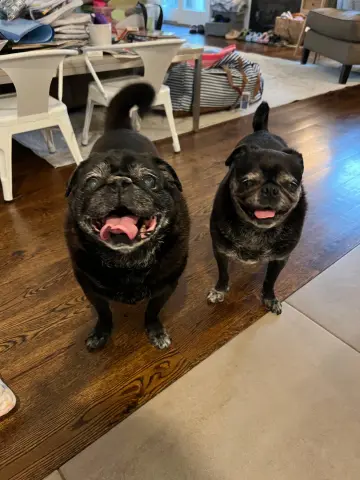
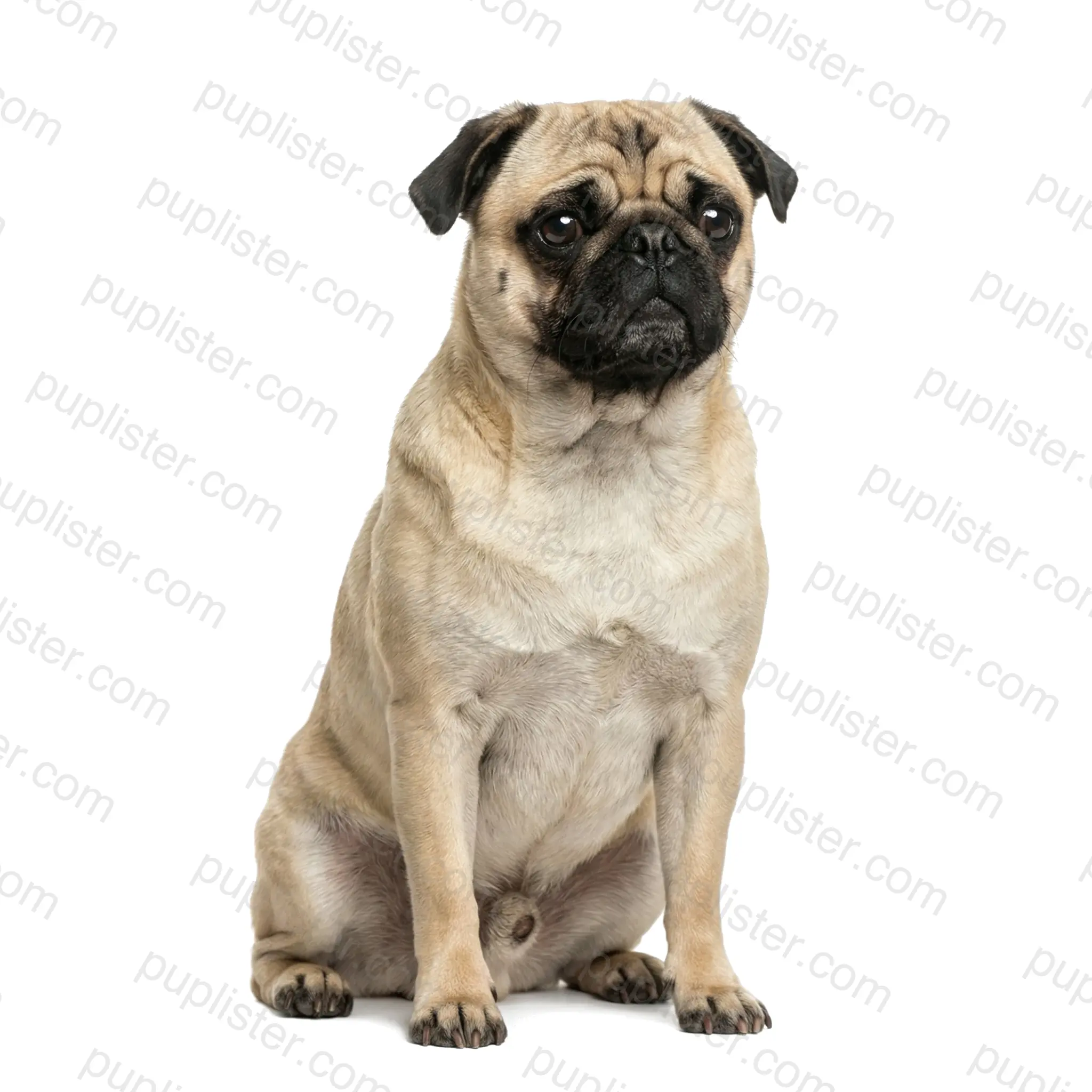
The Pug is one of the oldest toy breeds, originating in China around 400 BC as prized companions of Buddhist monks and later Chinese emperors. These compact, square-proportioned dogs weigh 14 to 18 pounds and stand 10 to 13 inches tall, with a distinctively wrinkled face, large round eyes, and a tightly curled tail. Their smooth, short double coat comes in fawn (with a black mask) or solid black — and despite its short length, it sheds prolifically.
Pugs live to love and be loved — they are charming, mischievous, and remarkably attuned to their owners' emotions, making them outstanding companion dogs. They get along wonderfully with children, other dogs, and even cats, possessing a sociable nature that makes them the life of any gathering. Pugs are playful without being hyperactive, and their clownish antics provide endless entertainment for their families.
Pugs bring joy wherever they go — find your wrinkly-faced soulmate waiting on Puplister.
Answer 5 quick questions to see how well this breed matches your lifestyle.
30 pets available
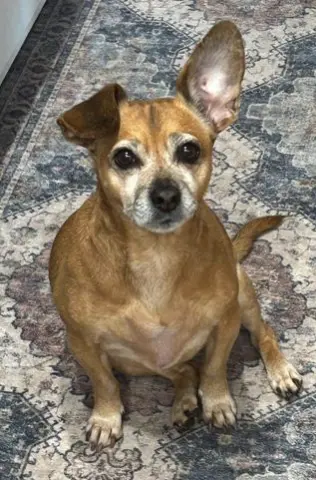
About the Rat Terrier The Rat Terrier is an American original, developed in the early 20th century on farms across the United States by crossing Fox Terriers with Beagles, Whippets, Italian Greyhounds, and other breeds. They come in two sizes — Miniature (10 to 13 inches, 10 to 18 pounds) and Standard (13 to 18 inches, 12 to 25 pounds) — both with a compact, elegant build. Their short, smooth coat is always pied (white with patches of one or more other colors), and President Theodore Roosevelt is credited with naming the breed after his own terrier cleared the White House of rats. Temperament & Personality Rat Terriers are intelligent, curious, and remarkably versatile — combining terrier tenacity with a more biddable, people-oriented temperament than many of their terrier cousins. They bond deeply with their families and are generally good with children, often choosing one person as their particular favorite. Rat Terriers tend to be less dog-aggressive than other terriers, though they retain a strong prey drive toward rodents and small animals. Pros Excellent farm and homestead dog with natural pest control abilitiesMore trainable and less stubborn than most terrier breedsMinimal grooming needs — short coat requires only occasional brushingGenerally healthy breed with a long lifespan of 12 to 18 years Cons Can be diggers — will excavate impressive holes in gardens and yardsHigh energy level requires daily exercise and mental engagementProne to patellar luxation, hip dysplasia, and cardiac issuesMay be wary of strangers and needs early socialization to prevent timidity A Rat Terrier could be the spirited, loyal companion your household needs — find one on Puplister today.
22 pets available
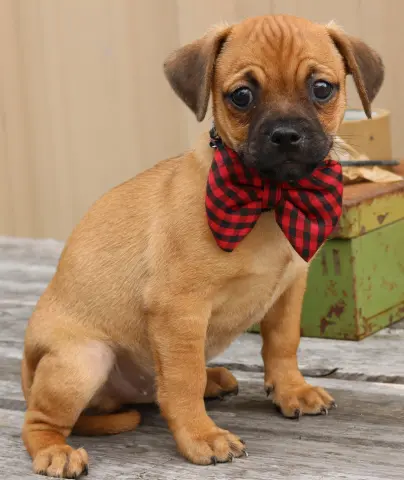
About the Jack Russell Terrier The Jack Russell Terrier was developed in 19th-century England by Reverend John Russell, who bred a strain of fox-working terriers designed to bolt foxes from their dens without injuring them. Standing 10–15 inches tall and weighing 13–17 pounds, these compact, muscular terriers have a predominantly white coat — smooth, rough, or broken — with tan, black, or tricolor markings. Their small size is deceptive — Jack Russells pack the energy, drive, and determination of a dog twice their size into a remarkably athletic frame.Temperament & PersonalityJack Russell Terriers are fearless, intense, and almost comically confident — they live life at full throttle and expect their owners to keep up. They are clever problem-solvers with an independent streak that makes them entertaining but challenging to manage for inexperienced owners. While loyal and affectionate with their families, their terrier temperament means they can be snappy with young children and combative with other dogs.ProsExceptional athleticism — excel in agility, flyball, and barn hunt competitionsHardy, healthy breed with a long lifespan of 13–16 years and few genetic health issuesSmall enough for apartment living but robust enough for outdoor adventuresAlert and vigilant watchdogs — nothing escapes their noticeConsAstonishing energy level — requires far more exercise than most owners expect from a small dogCan jump up to 5 feet high and dig under fences — expert escape artistsStrong prey drive and aggression toward small animals — not safe with cats, rabbits, or rodentsStubborn and independent — can be difficult to train despite high intelligenceIf you want a small dog with a big personality and boundless energy, search Jack Russells on Puplister.
16 pets available
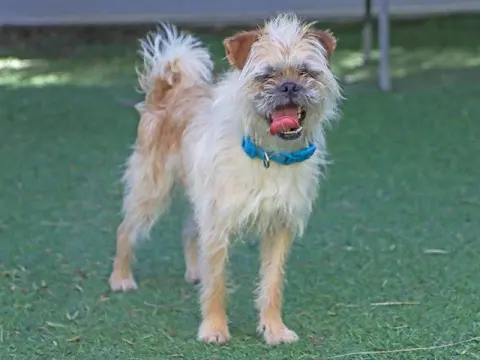
About the Pomeranian The Pomeranian descends from large sled-pulling spitz dogs of Iceland and Lapland, selectively bred down to toy size in the Pomerania region of northeastern Europe during the 18th and 19th centuries — Queen Victoria famously popularized the smaller variety. These tiny dogs weigh just 3 to 7 pounds and stand 6 to 7 inches tall, yet carry themselves with unmistakable confidence. Their magnificent double coat — a dense undercoat beneath a profuse, standoff outer coat — comes in nearly every color and pattern imaginable, with orange and red being most popular. Temperament & Personality Pomeranians are vivacious, bold, and surprisingly commanding for their size — they have no concept of how small they are and will happily try to boss around much larger dogs. They are devoted to their owners and can be excellent companions for singles and seniors, though they may be too fragile and snappy for homes with very young children. Poms are intelligent and curious, learning tricks quickly, but they also have a strong independent streak inherited from their spitz ancestry. Pros Tiny size makes them ideal for apartment living and travelAlert and vocal watchdog — always aware of surroundingsIntelligent and responsive to training with positive methodsLong lifespan of 12 to 16 years with proper care Cons Profuse shedding — the fluffy coat requires brushing several times weeklyProne to luxating patella, tracheal collapse, and severe dental diseaseFragile bones easily injured by falls, rough handling, or being stepped onExcessive barking can become a serious behavioral issue without training These tiny furballs pack enormous personality — find Pomeranians seeking loving homes on Puplister.
46 pets available
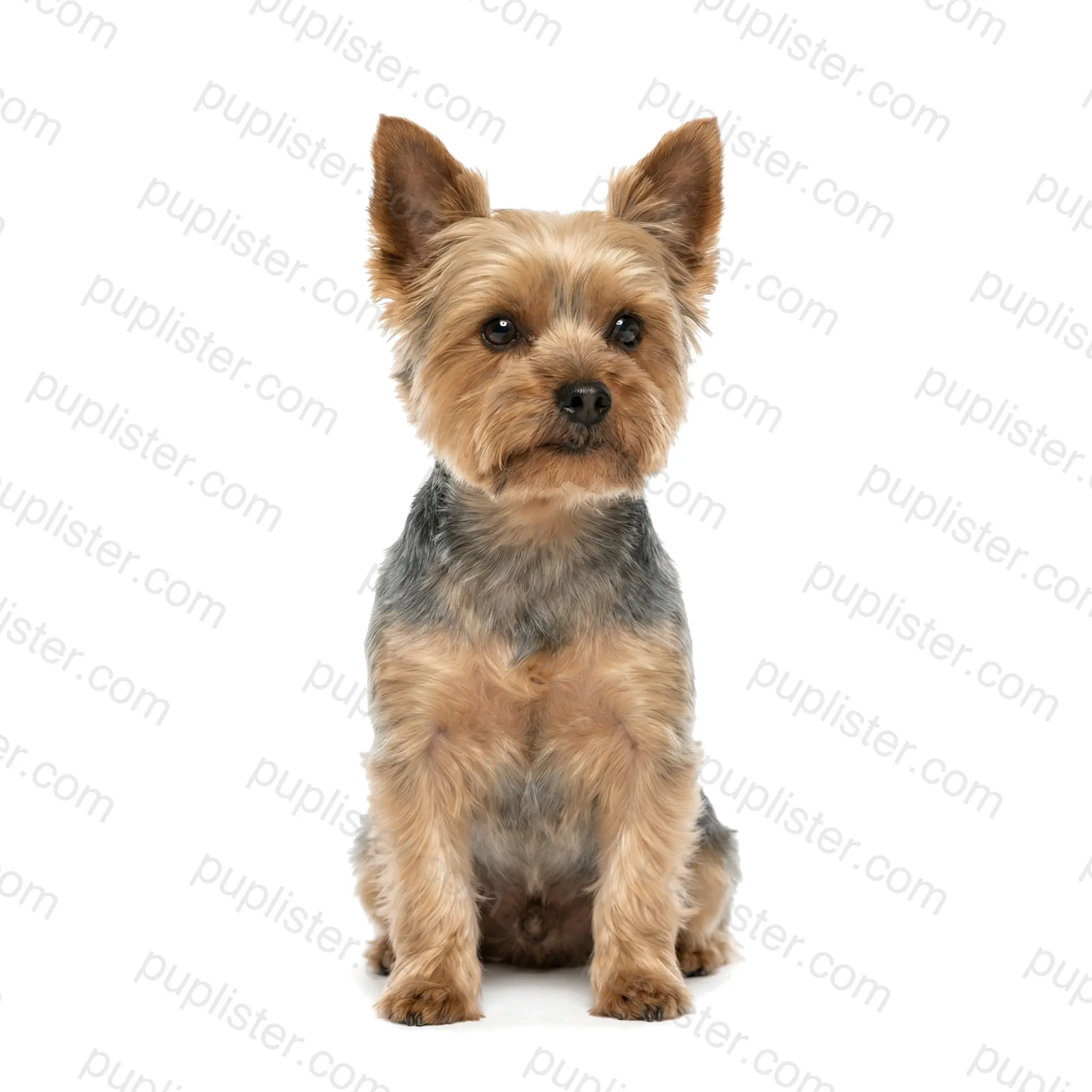
About the Yorkshire Terrier The Yorkshire Terrier was developed in the mid-19th century in the English counties of Yorkshire and Lancashire by working-class weavers who bred small terriers to catch rats in textile mills and coal mines. Despite their current status as a glamorous toy breed, these feisty dogs retain every bit of their terrier courage in a tiny 7-pound, 7-to-8-inch frame. Their signature floor-length, silky coat is steel blue on the body and rich golden tan on the head and legs — a single-layer coat that grows continuously and is remarkably similar to human hair in texture. Temperament & Personality Yorkshire Terriers are bold, confident, and fiercely loyal — they carry themselves with a self-importance that far exceeds their diminutive stature, never hesitating to challenge dogs ten times their size. They are deeply attached to their owners and can be wonderful companions for adults and older children, though their small size and feisty temperament make them a poor fit for rough play with toddlers. Yorkies are intelligent, curious, and entertaining, bringing big-dog energy and attitude to the smallest package in the terrier world. Pros Minimal shedding — silky coat is more similar to hair than furTiny size ideal for apartments, travel, and urban livingBold watchdog temperament — always alert to unusual activityLong lifespan of 11 to 15 years with proper care Cons Fragile — easily injured by falls, being sat on, or rough handlingLong coat demands daily brushing or regular professional groomingProne to tracheal collapse, patellar luxation, portosystemic shunt, and dental diseaseCan be difficult to housetrain and may develop snappish behavior if overindulged Yorkshire Terriers prove that the best things truly come in small packages — find your Yorkie on Puplister.
Discover the cheapest ways to adopt a dog near you, from understanding the real value of adoption fees to insider tips for finding low-cost dogs.
Learn the easy steps to transfer dog microchip after adoption. This guide covers finding info, contacting registries, and overcoming common hurdles.
Understand the full dog adoption costs beyond the initial fee, including ongoing care, unexpected expenses, and a 5-year financial forecast.
Foster-to-adopt offers a trial period to see if a dog is the right fit, bridging temporary care and permanent adoption for a happy home.