Rat Terrier Rat Terrier

Rat Terrier

32
Intelligent Curious Lively Sensitive

About the Rat Terrier

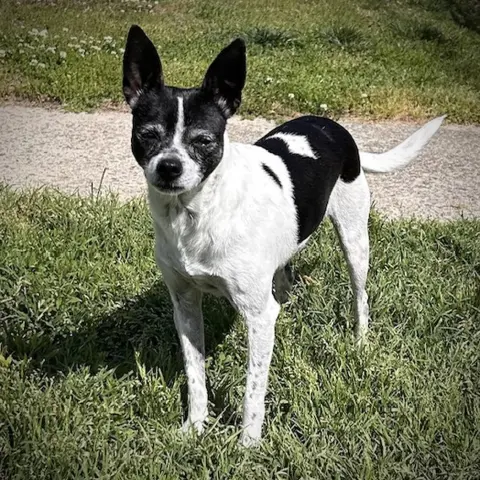
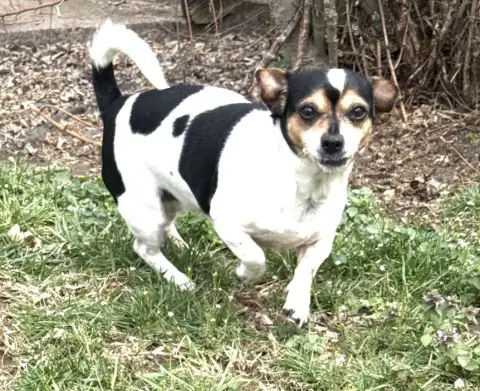
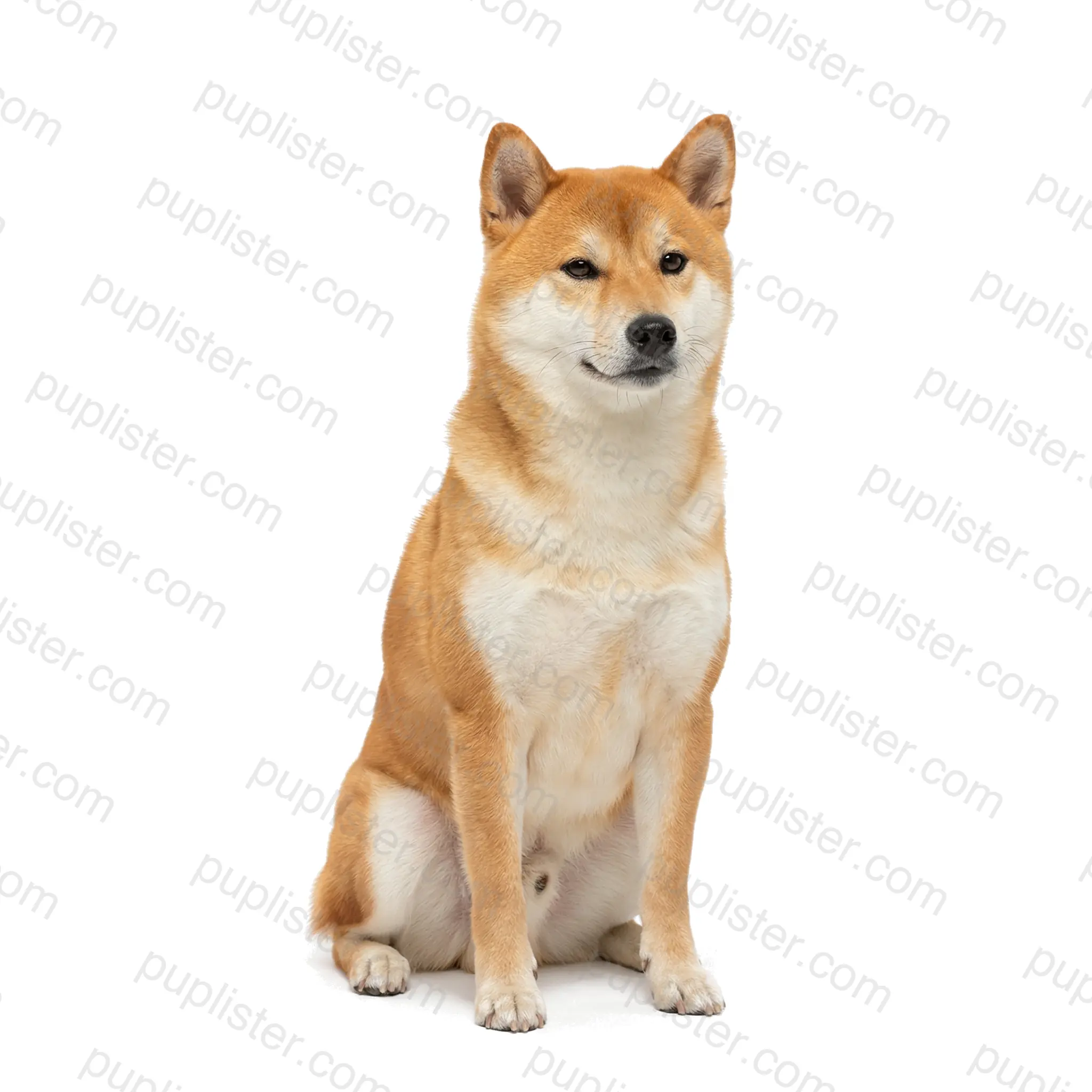
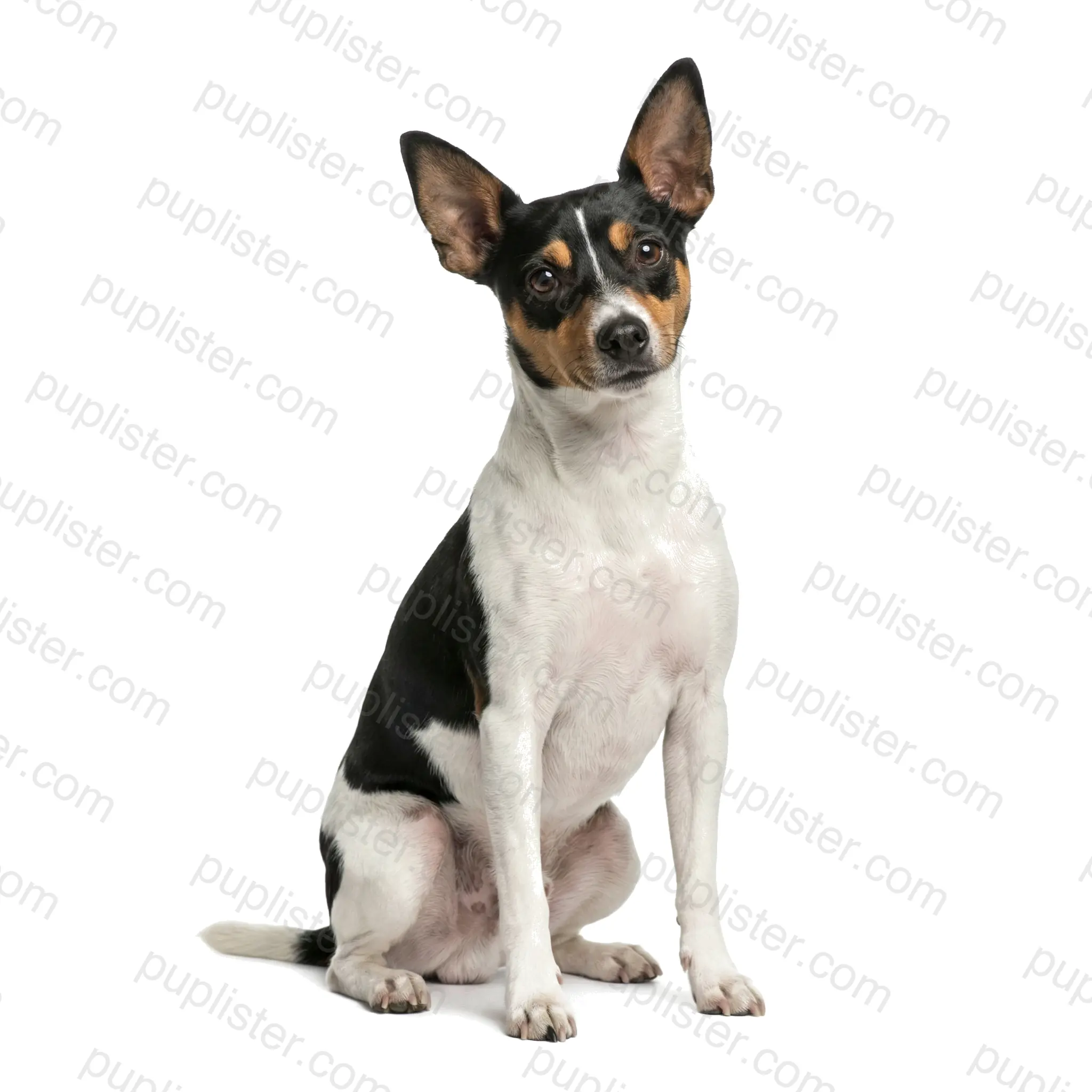
The Rat Terrier is an American original, developed in the early 20th century on farms across the United States by crossing Fox Terriers with Beagles, Whippets, Italian Greyhounds, and other breeds. They come in two sizes — Miniature (10 to 13 inches, 10 to 18 pounds) and Standard (13 to 18 inches, 12 to 25 pounds) — both with a compact, elegant build. Their short, smooth coat is always pied (white with patches of one or more other colors), and President Theodore Roosevelt is credited with naming the breed after his own terrier cleared the White House of rats.

Temperament & Personality

Rat Terriers are intelligent, curious, and remarkably versatile — combining terrier tenacity with a more biddable, people-oriented temperament than many of their terrier cousins. They bond deeply with their families and are generally good with children, often choosing one person as their particular favorite. Rat Terriers tend to be less dog-aggressive than other terriers, though they retain a strong prey drive toward rodents and small animals.

Pros

  • Excellent farm and homestead dog with natural pest control abilities
  • More trainable and less stubborn than most terrier breeds
  • Minimal grooming needs — short coat requires only occasional brushing
  • Generally healthy breed with a long lifespan of 12 to 18 years

Cons

  • Can be diggers — will excavate impressive holes in gardens and yards
  • High energy level requires daily exercise and mental engagement
  • Prone to patellar luxation, hip dysplasia, and cardiac issues
  • May be wary of strangers and needs early socialization to prevent timidity

A Rat Terrier could be the spirited, loyal companion your household needs — find one on Puplister today.
Rat Terrier Quick Facts

Size
10–25 lbs, 10–18 in
Lifespan
12–18 years
Exercise
High
Grooming
Low
Good with Kids
Yes
Good with Pets
Yes

Is the Rat Terrier right for you?

Answer 5 quick questions to see how well this breed matches your lifestyle.

Take the Quiz

Available Rat Terriers

Millie
Adult 4
Millie
S

Rat Terrier

New Rattitude · Atlanta, GA
Wyle
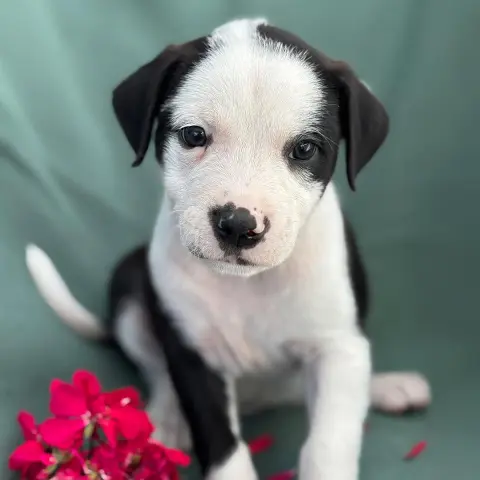
Baby 3
Wyle
M

Cocker Spaniel / Rat Terrier

California Labradors Retrievers And More Rescue · San Diego, CA
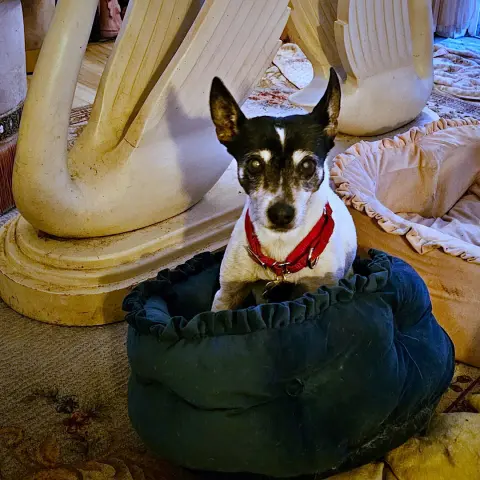
Sybil
Senior 2
Sybil
S

Rat Terrier

New Rattitude · Atlanta, GA
Woodford
Senior 3

Rat Terrier

Lucky Pup Rescue · Greenville, SC
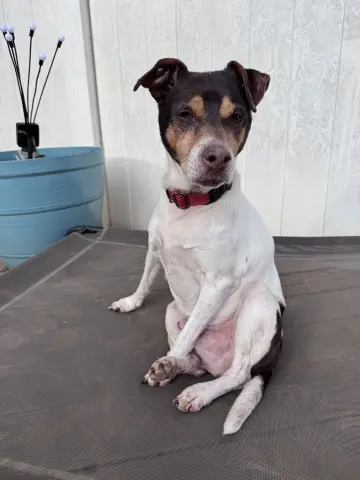
Sadie
Adult 5
Sadie
M

Rat Terrier

Russell Rescue · Columbia, TN

Related Breeds

Yorkshire Terrier

24 pets available

56

About the Yorkshire Terrier The Yorkshire Terrier was developed in the mid-19th century in the English counties of Yorkshire and Lancashire by working-class weavers who bred small terriers to catch rats in textile mills and coal mines. Despite their current status as a glamorous toy breed, these feisty dogs retain every bit of their terrier courage in a tiny 7-pound, 7-to-8-inch frame. Their signature floor-length, silky coat is steel blue on the body and rich golden tan on the head and legs — a single-layer coat that grows continuously and is remarkably similar to human hair in texture. Temperament & Personality Yorkshire Terriers are bold, confident, and fiercely loyal — they carry themselves with a self-importance that far exceeds their diminutive stature, never hesitating to challenge dogs ten times their size. They are deeply attached to their owners and can be wonderful companions for adults and older children, though their small size and feisty temperament make them a poor fit for rough play with toddlers. Yorkies are intelligent, curious, and entertaining, bringing big-dog energy and attitude to the smallest package in the terrier world. Pros Minimal shedding — silky coat is more similar to hair than furTiny size ideal for apartments, travel, and urban livingBold watchdog temperament — always alert to unusual activityLong lifespan of 11 to 15 years with proper care Cons Fragile — easily injured by falls, being sat on, or rough handlingLong coat demands daily brushing or regular professional groomingProne to tracheal collapse, patellar luxation, portosystemic shunt, and dental diseaseCan be difficult to housetrain and may develop snappish behavior if overindulged Yorkshire Terriers prove that the best things truly come in small packages — find your Yorkie on Puplister.

Siberian Husky

118 pets available

305

About the Siberian Husky The Siberian Husky was developed over thousands of years by the Chukchi people of northeastern Siberia as an endurance sled dog capable of pulling light loads over vast frozen distances in extreme cold. These athletic, medium-sized dogs stand 20 to 23.5 inches tall and weigh 35 to 60 pounds, with a graceful, effortless gait that reflects their incredible stamina. Their thick double coat comes in virtually every color from pure white to black, often with striking facial markings, and their eyes can be brown, blue, or even one of each (heterochromia). Temperament & Personality Siberian Huskies are friendly, outgoing, and mischievous — pack-oriented dogs that love people and make terrible guard dogs because they greet everyone like a long-lost friend. They are playful and gentle with children and generally good with other dogs, though their high prey drive makes them a risk around cats and small animals. Huskies are intelligent but famously independent, preferring to make their own decisions rather than follow commands — a trait that requires patience and humor from their owners. Pros Friendly, social, and gentle with children and strangers alikeNaturally clean with little doggy odor — self-grooming like a catOutstanding endurance athlete for running, hiking, and winter sportsHealthy breed with a lifespan of 12 to 14 years Cons Extreme shedding — blows the entire undercoat twice yearly in massive quantitiesLegendary escape artists — can jump fences, dig under them, and open latchesStrong prey drive makes them dangerous around cats, rabbits, and small animalsNot suited for hot climates and requires air conditioning in warm regions The Siberian Husky's adventurous spirit and stunning beauty are irresistible — find Huskies seeking forever homes on Puplister.

Weimaraner

8 pets available

24

About the Weimaraner The Weimaraner was developed in the early 19th century at the court of Weimar in Germany, where nobles bred these dogs to hunt large game — boar, bear, and deer — before transitioning them to bird dog duties as large game became scarce. These striking, athletic dogs stand 23 to 27 inches tall and weigh 55 to 90 pounds, with a sleek, powerful build designed for speed and endurance. Their distinctive short, smooth coat comes in shades of mouse-gray to silver-gray — earning them the nickname "Gray Ghost" — complemented by striking amber or blue-gray eyes. Temperament & Personality Weimaraners are fearless, friendly, and intensely devoted to their families — they crave human companionship and do not do well as kennel or outdoor-only dogs. They are energetic and playful with children, generally sociable with other dogs, and possess an intelligence that demands both physical and mental outlets. Without adequate exercise and attention, Weimaraners become anxious, destructive, and can develop severe behavioral problems. Pros Strikingly beautiful with an unmistakable silver-gray appearanceVersatile sporting dog — excellent for hunting, running, and competitive eventsHighly intelligent and trainable with consistent, positive methodsShort coat requires minimal grooming and sheds only moderately Cons Extreme separation anxiety — one of the most prone breeds to this conditionRequires intense daily exercise — 2 or more hours of vigorous activity is typicalProne to bloat (gastric torsion), hip dysplasia, and hyperuricosuriaCan be destructive on a grand scale when bored or anxious — has been known to eat through drywall The "Gray Ghost" is a magnificent companion for the active and committed — discover Weimaraners on Puplister.

Staffordshire Bull Terrier

31 pets available

46

About the Staffordshire Bull Terrier The Staffordshire Bull Terrier was developed in 19th-century England's Staffordshire region from crosses between Bulldogs and various terriers, originally bred for bull-baiting and later as a compact, agile fighting dog — a history that belies its true nature as a devoted family companion. These muscular, athletic dogs stand 14 to 16 inches tall and weigh 24 to 38 pounds, packed with surprising strength and agility in a compact frame. Their smooth, short coat comes in red, fawn, white, black, blue, or brindle — with or without white markings. Temperament & Personality Staffordshire Bull Terriers are affectionate, courageous, and remarkably gentle with people — earning the nickname "nanny dog" in England for their extraordinary patience and devotion to children. They adore human companionship, are playful well into adulthood, and form intensely loyal bonds with their families. While they can be assertive with other dogs, proper socialization from puppyhood typically produces a confident, well-adjusted adult that gets along with everyone. Pros Exceptionally affectionate and gentle with children and family membersCompact, muscular build well-suited for smaller homes and apartmentsLow-maintenance coat requiring only occasional brushingBrave and loyal — a devoted companion that thrives on human interaction Cons Can be dog-aggressive without careful socialization and managementBreed-specific legislation and housing restrictions in many jurisdictionsProne to hip and elbow dysplasia, L-2 hydroxyglutaric aciduria, and cataractsStrong and powerful — requires owners who can provide firm, consistent leadership Staffies are among the most devoted family dogs in existence — find a Staffordshire Bull Terrier on Puplister and see for yourself.

Related Articles

Frequently Asked Questions

What are the key traits of a Rat Terrier?
The Rat Terrier is known for being intelligent, curious, lively and sensitive.
How many Rat Terriers are available for adoption?
There are currently 18 Rat Terriers available for adoption on Puplister. Browse the listings above to find your perfect match.
How do I adopt a Rat Terrier from Puplister?
To adopt a Rat Terrier, browse the available listings on this page, click on a pet you're interested in, and contact the shelter directly through their profile page.