Adopted Cat Meowing All Night: How to Stop It
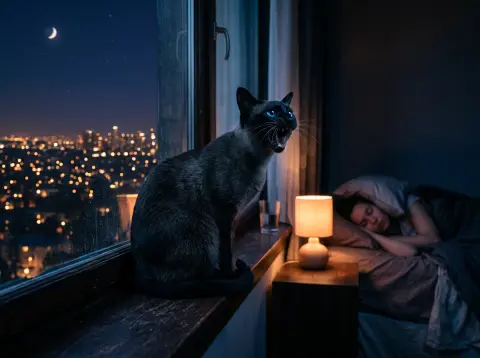
Adopted cat meowing all night? Discover why it happens, how to create a calm environment, and a realistic timeline to quiet nighttime meows.
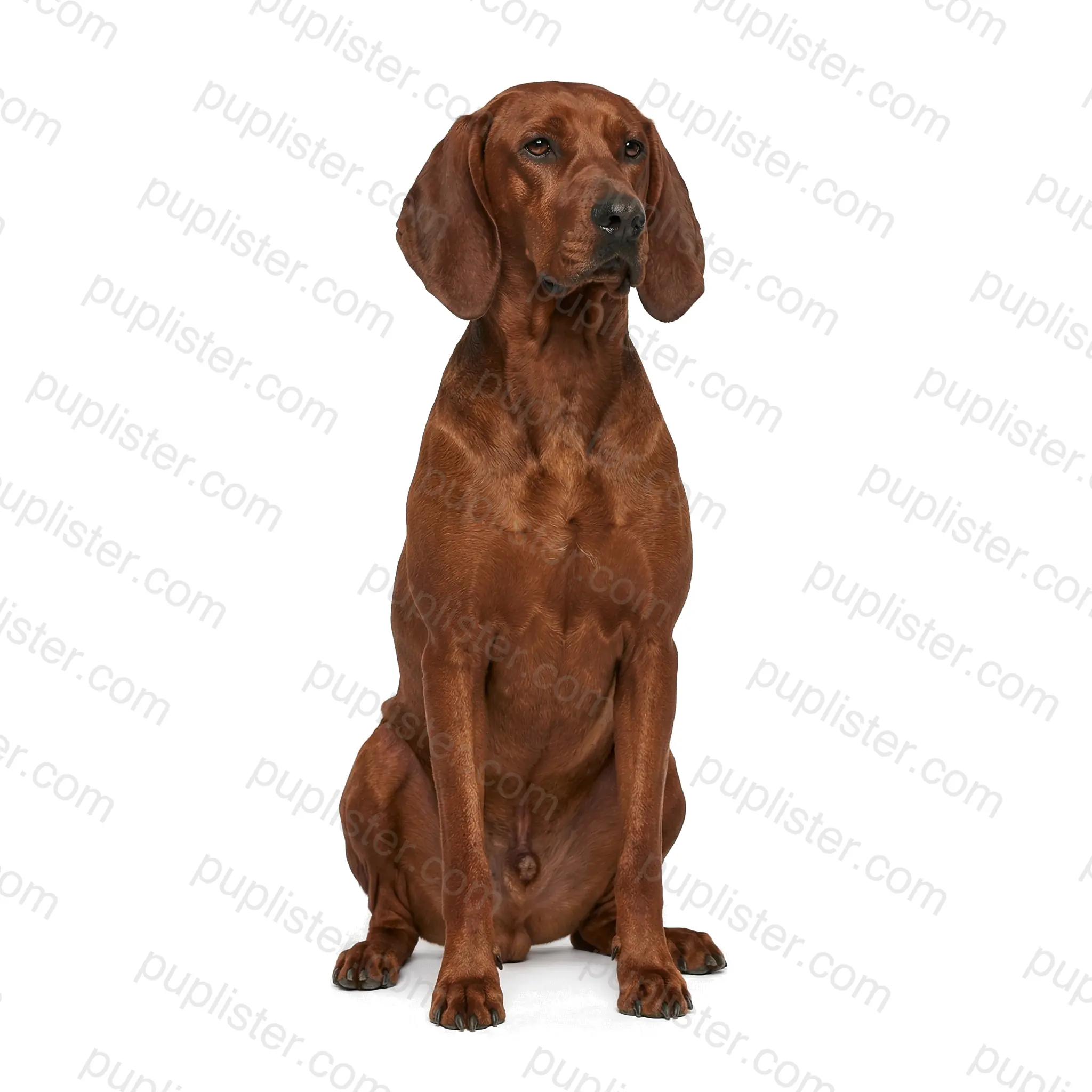
The Redbone Coonhound was developed in the southern United States during the late 18th century from red foxhounds brought by Scottish immigrants, refined over generations into a sleek, powerful trailing hound. These athletic dogs stand 21 to 27 inches tall and weigh 45 to 70 pounds, with a lean yet muscular build designed for stamina over rough terrain. Their rich, deep red coat — the breed's most distinctive feature — is short, smooth, and glossy, giving them a strikingly handsome appearance.
Redbone Coonhounds are easygoing, affectionate, and remarkably gentle for a hunting breed — they love being around their people and are known for their mellow, agreeable disposition at home. They are excellent with children, typically friendly with other dogs, and possess a happy-go-lucky attitude that makes them wonderful family companions. On the trail, however, they become focused and driven, with a deep, melodious bay that carries for miles.
The Redbone Coonhound's gentle soul and gorgeous coat are hard to resist — discover available Redbones on Puplister.
Answer 5 quick questions to see how well this breed matches your lifestyle.
Redbone Coonhound / Rhodesian Ridgeback
51 pets available
2About the Boxer The Boxer was developed in Germany in the late 19th century from the now-extinct Bullenbeisser — a powerful hunting mastiff — crossed with English Bulldogs. Standing 21.5–25 inches tall and weighing 50–80 pounds, the Boxer is a medium-to-large, well-muscled dog with a distinctive square head, undershot jaw, and alert expression. Their short, tight-fitting coat comes in fawn and brindle — sometimes with white markings — and requires very little grooming beyond occasional brushing.Temperament & PersonalityBoxers are playful, energetic, and utterly devoted to their families — they are often called the "Peter Pan" of dog breeds because they maintain their puppyish exuberance well into adulthood. They are exceptional with children, combining patience and protectiveness with a love of play that makes them natural family dogs. Boxers are alert and courageous, making them effective watchdogs, but they are also clownish and affectionate — they're famous for their "kidney bean" wiggle of excitement.ProsOutstanding family dog — patient, protective, and endlessly playful with childrenNatural watchdog with a courageous yet non-aggressive temperamentShort coat requires minimal grooming effortEnergetic and athletic — great companion for running, hiking, and active playConsProne to cancer — one of the breeds most affected, particularly mast cell tumors and lymphomaBrachycephalic tendencies lead to heat intolerance and breathing difficulties during vigorous exerciseCan be excessively boisterous and may accidentally knock over small children or elderly family membersSusceptible to heart conditions including aortic stenosis and dilated cardiomyopathyBoxers bring boundless energy and unconditional love to every family — browse adoptable Boxers on Puplister and find your playful companion.
8 pets available
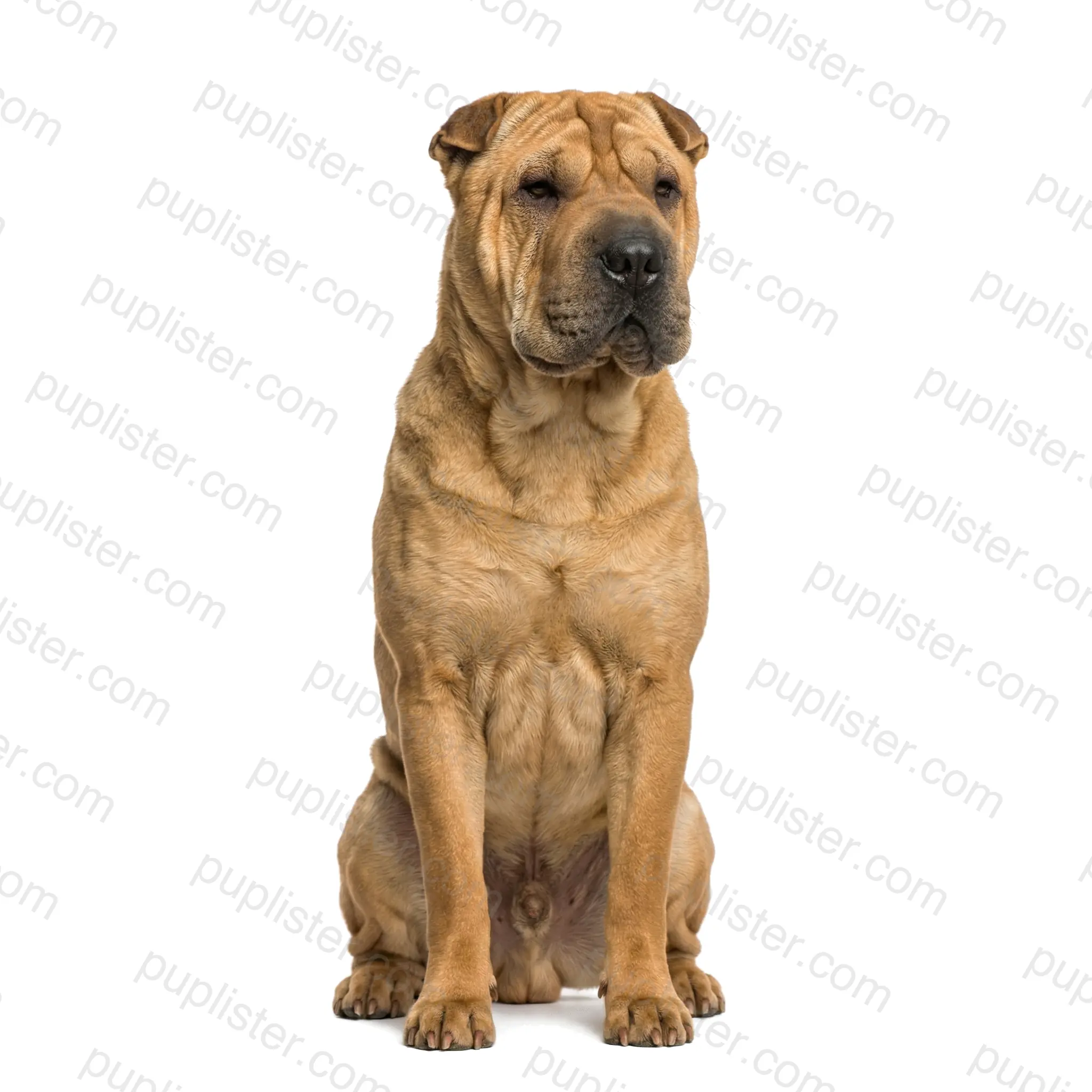
1About the Shar-Pei The Chinese Shar-Pei is an ancient breed dating back over 2,000 years to the Han Dynasty in southern China, where it served as a versatile farm dog — guarding property, herding livestock, and even fighting in pits. These distinctive medium-sized dogs stand 18 to 20 inches tall and weigh 45 to 60 pounds, with a broad, hippopotamus-like muzzle and a blue-black tongue shared only with the Chow Chow. Their loose, deeply wrinkled skin and harsh, sandpaper-textured coat (the name literally means "sand skin") come in solid colors including fawn, red, black, chocolate, blue, and cream. Temperament & Personality Shar-Peis are calm, independent, and deeply devoted to their families — forming powerful bonds while remaining aloof and suspicious of strangers, which makes them excellent natural guardians. They tend to be clean, quiet dogs at home, often compared to cats in their self-sufficient demeanor. However, they can be territorial with other dogs, especially those of the same sex, and early socialization is critical to prevent aggression. Pros Naturally clean and quiet — easily housetrained and rarely barks without causeLoyal and protective without needing guard trainingCalm indoor demeanor suitable for apartment livingUnique, striking appearance that draws admiration everywhere Cons Shar-Pei Fever (autoinflammatory disease) is a serious breed-specific health riskSkin folds require regular cleaning to prevent infections and dermatitisProne to entropion (eyelids rolling inward), ear infections, and hypothyroidismCan be dog-aggressive and requires early, ongoing socialization The Shar-Pei's distinctive looks and devoted nature make it truly unforgettable — find available Shar-Peis on Puplister.
10 pets available
About the Jack Russell Terrier The Jack Russell Terrier was developed in 19th-century England by Reverend John Russell, who bred a strain of fox-working terriers designed to bolt foxes from their dens without injuring them. Standing 10–15 inches tall and weighing 13–17 pounds, these compact, muscular terriers have a predominantly white coat — smooth, rough, or broken — with tan, black, or tricolor markings. Their small size is deceptive — Jack Russells pack the energy, drive, and determination of a dog twice their size into a remarkably athletic frame.Temperament & PersonalityJack Russell Terriers are fearless, intense, and almost comically confident — they live life at full throttle and expect their owners to keep up. They are clever problem-solvers with an independent streak that makes them entertaining but challenging to manage for inexperienced owners. While loyal and affectionate with their families, their terrier temperament means they can be snappy with young children and combative with other dogs.ProsExceptional athleticism — excel in agility, flyball, and barn hunt competitionsHardy, healthy breed with a long lifespan of 13–16 years and few genetic health issuesSmall enough for apartment living but robust enough for outdoor adventuresAlert and vigilant watchdogs — nothing escapes their noticeConsAstonishing energy level — requires far more exercise than most owners expect from a small dogCan jump up to 5 feet high and dig under fences — expert escape artistsStrong prey drive and aggression toward small animals — not safe with cats, rabbits, or rodentsStubborn and independent — can be difficult to train despite high intelligenceIf you want a small dog with a big personality and boundless energy, search Jack Russells on Puplister.
2 pets available
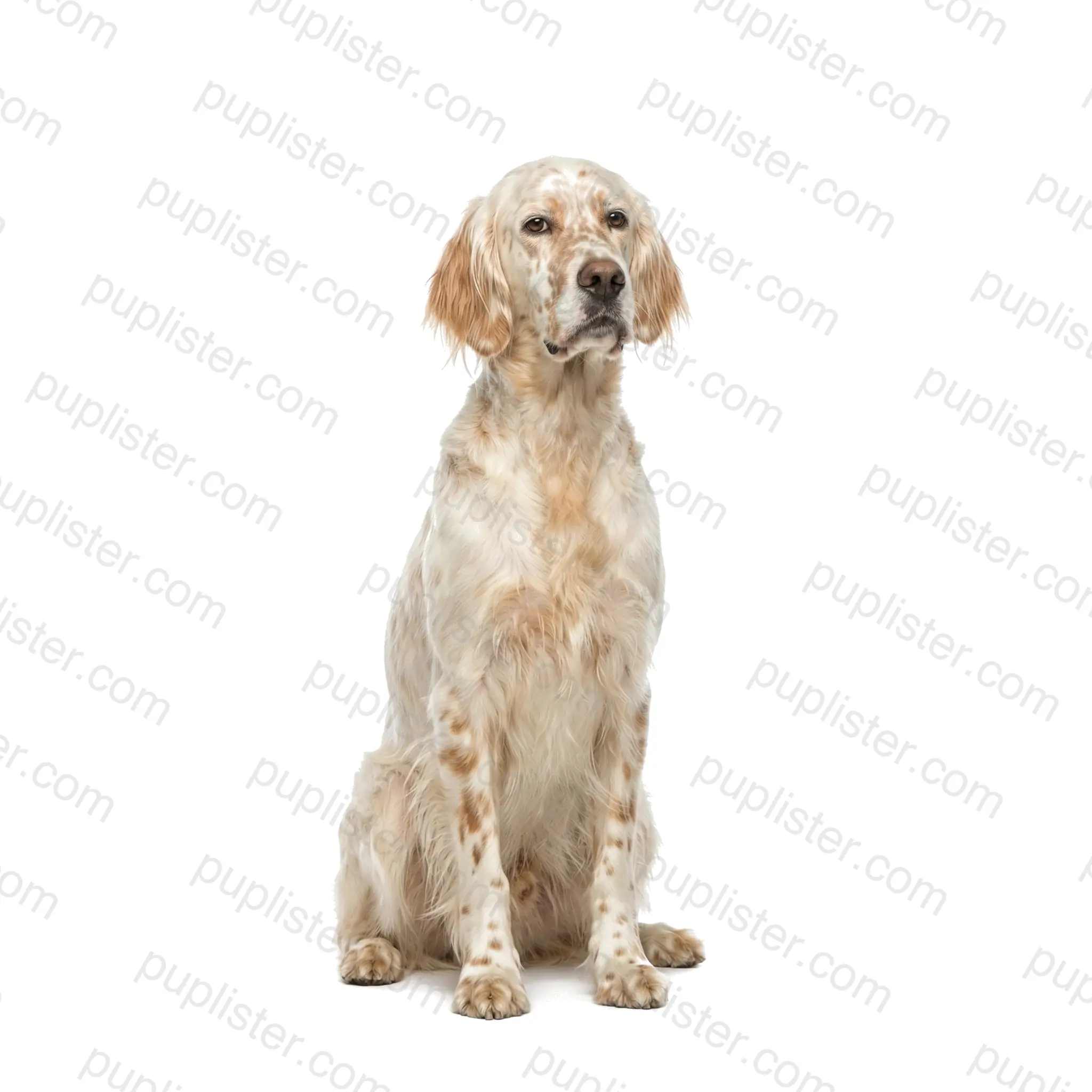
1About the English Setter The English Setter is one of the oldest gun dog breeds — developed in England over 400 years ago to locate game birds by crouching or "setting" to indicate their position. Standing 23–27 inches tall and weighing 45–80 pounds, these graceful dogs are renowned for their beautiful feathered coat in distinctive "belton" patterns — blue belton, orange belton, tricolor, lemon belton, and liver belton. Their elegant appearance, with long, silky ears and a gently flowing coat, has earned them the title of the most beautiful sporting breed.Temperament & PersonalityEnglish Setters are gentle, sweet-natured dogs with a calm indoor demeanor that belies their energetic field abilities. They are exceptionally good with children — patient and tolerant even with rough toddler play — and generally accepting of other dogs and household pets. Their affectionate, people-oriented nature makes them poor kennel dogs; they need to live as part of the family to thrive emotionally.ProsOne of the gentlest sporting breeds — excellent with children of all ages and other petsCalm and quiet indoors when given adequate outdoor exerciseFriendly toward strangers — makes a welcoming family dog without guarding tendenciesVersatile field dog that transitions beautifully from hunting companion to couch cuddlerConsFeathered coat requires regular grooming — brushing 3–4 times weekly to prevent tanglesProne to elbow dysplasia, hypothyroidism, and congenital deafnessStrong hunting instincts — will bolt after birds and small animals if not in a secure areaCan be slow to mature mentally — puppy-like behavior often persists until age 3 or beyondDiscover the beauty and gentleness of the English Setter — find one waiting for a home on Puplister.
Adopted cat meowing all night? Discover why it happens, how to create a calm environment, and a realistic timeline to quiet nighttime meows.
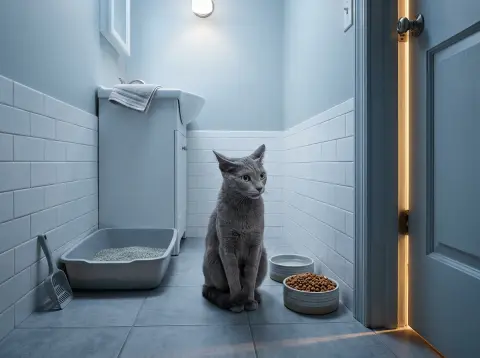
Is your adopted cat not eating? Learn the causes, from stress to past trauma, and discover practical solutions to get your new feline friend eating again.
Is your new cat hiding and won't come out? It's normal, but proactive steps can help. Learn how to build trust with your shy adopted cat.
Discover how long it takes for a rescue cat to feel at home with our experienced guide, covering the 3-3-3 rule and actionable tips.