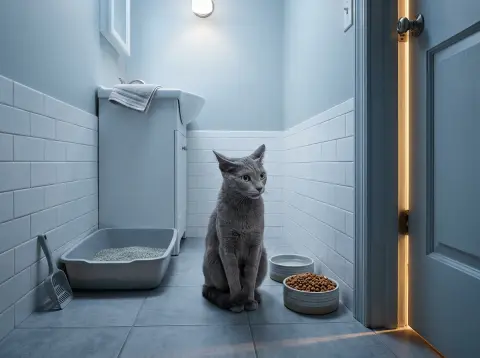
Adopted Cat Meowing All Night: How to Stop It
Adopted cat meowing all night? Discover why it happens, how to create a calm environment, and a realistic timeline to quiet nighttime meows.
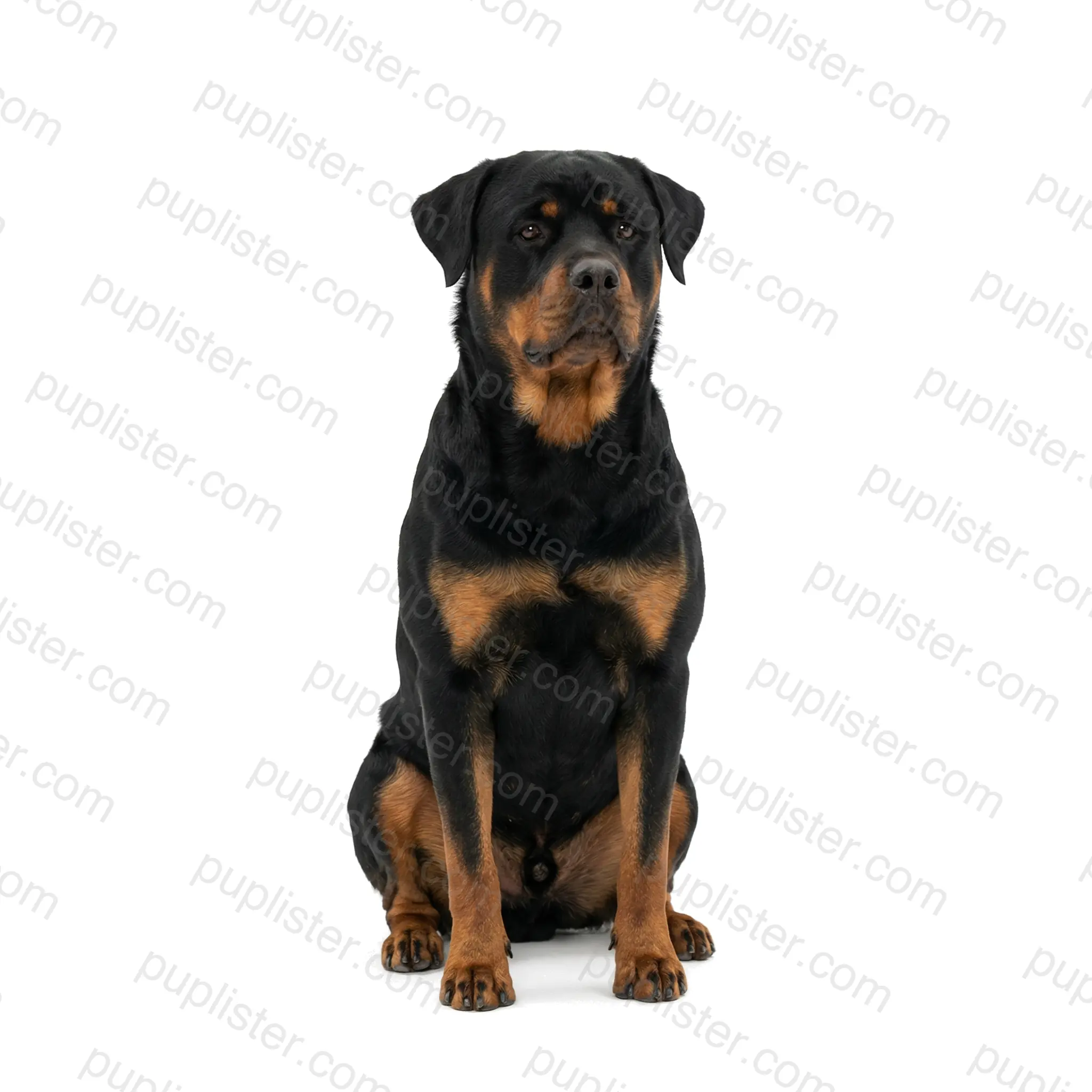
The Rottweiler descends from Roman drover dogs that accompanied legions through the Alps, eventually settling in the German town of Rottweil where they drove cattle and pulled carts for butchers for centuries. These robust, powerful dogs stand 22 to 27 inches tall and weigh 80 to 135 pounds, with a broad head, strong jaws, and a compact, muscular build. Their short, dense double coat is always black with distinctive rust to mahogany markings on the cheeks, muzzle, chest, legs, and above the eyes.
Rottweilers are confident, calm, and courageous — deeply devoted to their families with a natural guarding instinct that requires responsible ownership and thorough socialization. With proper training and socialization, they are gentle, playful, and even goofy with their families, including children. Rottweilers are intelligent and eager to work, excelling in obedience, tracking, herding, and therapy roles, but they need an owner who provides consistent leadership and clear boundaries.
A well-raised Rottweiler is one of the finest companions in the canine world — explore adoption listings on Puplister.
Answer 5 quick questions to see how well this breed matches your lifestyle.
Labrador Retriever / Rottweiler
2 pets available
About the Flat-Coated Retriever The Flat-Coated Retriever — often called the "Peter Pan of the dog world" — was developed in 19th-century England as a dual-purpose retriever for both land and water work. Standing 22–24.5 inches tall and weighing 60–70 pounds, this elegant sporting dog wears a lustrous, flat-lying coat of solid black or liver that gives the breed its name. Once the most popular retriever in Britain before being eclipsed by Labradors and Goldens, the Flat-Coat remains a hidden gem among sporting breeds.Temperament & PersonalityFlat-Coated Retrievers are famously exuberant and retain their puppy-like enthusiasm well into old age — a trait that delights their owners but demands patience. They are outgoing, optimistic dogs that greet virtually everyone — family, friends, and strangers alike — with unbridled joy and a wagging tail. Their gentle, playful nature makes them excellent family dogs, though their boisterous energy may overwhelm very young children.ProsPerpetually cheerful and optimistic temperament — a natural mood booster for the householdExcellent with children and other dogs — rarely shows aggressionVersatile sporting dog — excels in field trials, agility, obedience, and therapy workBeautiful, easy-care coat that requires only moderate groomingConsTragically high cancer rates — histiocytic sarcoma and other cancers claim many before age 8Average lifespan of just 8–10 years — significantly shorter than similar-sized breedsSlow to mature mentally and physically — can be challenging during the extended adolescent phasePoor watchdog — greets intruders with the same enthusiasm as family membersGive a joyful Flat-Coated Retriever the loving home they deserve — check available dogs on Puplister today.
10 pets available
1About the Pointer The Pointer — also called the English Pointer — was developed in England in the 17th century, likely from crosses of Spanish Pointers, Foxhounds, Greyhounds, and Bloodhounds. These elegant, athletic dogs stand 23 to 28 inches tall and weigh 45 to 75 pounds, built with a lean, muscular frame designed for speed and endurance in the field. Their short, smooth coat comes in liver, lemon, black, or orange — either solid or combined with white in striking patterns. Temperament & Personality Pointers are energetic, even-tempered, and intensely driven in the field, yet remarkably calm and affectionate at home once adequately exercised. They are friendly with everyone — children, strangers, and other dogs — making them poor guard dogs but excellent family companions. Their strong pointing instinct often appears naturally in puppyhood, and they thrive when given a purposeful outlet for their energy and intelligence. Pros Outstanding stamina and speed for active owners who run, bike, or huntExceptionally friendly and gentle with children and other petsShort coat requires minimal grooming — just occasional brushingHighly trainable for field work, agility, and competitive obedience Cons Extremely high energy — requires 1 to 2 hours of vigorous exercise dailyCan become destructive and anxious without sufficient physical outletsStrong prey drive makes them unreliable around small animalsProne to hip dysplasia, hypothyroidism, and certain eye conditions An active lifestyle deserves an equally active companion — find your Pointer on Puplister today.
4 pets available
1About the Cavalier King Charles Spaniel The Cavalier King Charles Spaniel traces its heritage to the toy spaniels beloved by English royalty — King Charles II was so devoted to the breed that it bears his name. Standing 12–13 inches tall and weighing 13–18 pounds, the Cavalier is a graceful, well-balanced toy spaniel with large, round, dark eyes and a gentle, melting expression. Their silky, medium-length coat comes in four distinct color patterns — Blenheim (chestnut and white), tricolor, black-and-tan, and ruby — and features elegant feathering on the ears, chest, legs, and tail.Temperament & PersonalityCavaliers are gentle, affectionate, and remarkably adaptable — they are equally happy curled up on a lap or joining their owner for a brisk walk in the park. They are one of the most universally friendly breeds, greeting strangers, children, other dogs, and even cats with a wagging tail and a joyful expression. Their sweet, eager-to-please nature makes them excellent therapy dogs and wonderful companions for seniors, families, and first-time dog owners alike.ProsExceptionally gentle and affectionate — one of the best lap dogs and therapy dogs availableHighly adaptable to various lifestyles — equally content in apartments or country homesFriendly with everyone — strangers, children, other dogs, and catsEasy to train with positive reinforcement due to their eager-to-please temperamentConsExtremely prone to mitral valve disease — nearly all Cavaliers develop heart murmurs by age 10Susceptible to syringomyelia, a painful neurological condition caused by skull malformationCannot be trusted off-leash due to spaniel hunting instincts and lack of street awarenessProne to separation anxiety — they do not cope well being left alone for extended periodsFew breeds match the Cavalier's gentle, loving spirit — find adoptable Cavalier King Charles Spaniels on Puplister and experience their magic firsthand.
23 pets available
1About the Golden Retriever The Golden Retriever was developed in the Scottish Highlands by Lord Tweedmouth during the mid-19th century, who crossed a Yellow Retriever with the now-extinct Tweed Water Spaniel to create the ultimate waterfowl hunting companion. Standing 21.5–24 inches tall and weighing 55–75 pounds, these iconic dogs wear a lustrous, water-repellent double coat in shades ranging from light cream to deep gold. Their gentle expression, athletic build, and flowing feathered coat have made them one of the three most popular breeds in America for decades running.Temperament & PersonalityGolden Retrievers are the gold standard of family dogs — trustworthy, patient, and endlessly forgiving with children of all ages. They possess an innate desire to please that makes them exceptionally trainable and a joy to live with, whether as a first-time owner's companion or a seasoned handler's working partner. Their friendly, tolerant attitude extends to strangers, other dogs, and household pets — they seem to genuinely believe every person and animal they meet is a friend.ProsUniversally gentle temperament — consistently ranked among the best breeds for families with childrenHighly intelligent and eager to please — excel in obedience, therapy, service, and search and rescuePatient and forgiving nature makes them ideal for first-time dog ownersSocial and friendly with virtually everyone — dogs, cats, strangers, and guests alikeConsCancer affects approximately 60% of Golden Retrievers — the highest rate of any breedHeavy shedding year-round with seasonal coat blows that cover furniture and clothingProne to hip and elbow dysplasia, heart disease, and eye conditionsMouthy breed — will carry and chew objects constantly, especially during puppyhoodThere's a reason Goldens are America's favorite — find Golden Retrievers looking for homes on Puplister.
Adopted cat meowing all night? Discover why it happens, how to create a calm environment, and a realistic timeline to quiet nighttime meows.
Is your adopted cat not eating? Learn the causes, from stress to past trauma, and discover practical solutions to get your new feline friend eating again.
Is your new cat hiding and won't come out? It's normal, but proactive steps can help. Learn how to build trust with your shy adopted cat.
Discover how long it takes for a rescue cat to feel at home with our experienced guide, covering the 3-3-3 rule and actionable tips.