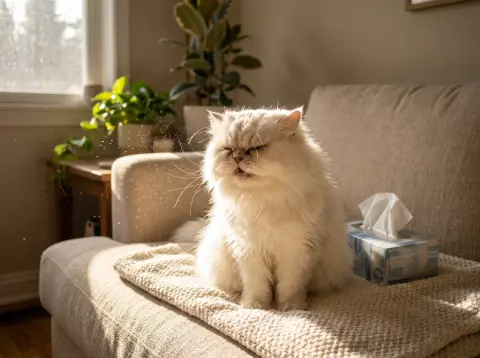
Adopted Cat Meowing All Night: How to Stop It
Adopted cat meowing all night? Discover why it happens, how to create a calm environment, and a realistic timeline to quiet nighttime meows.
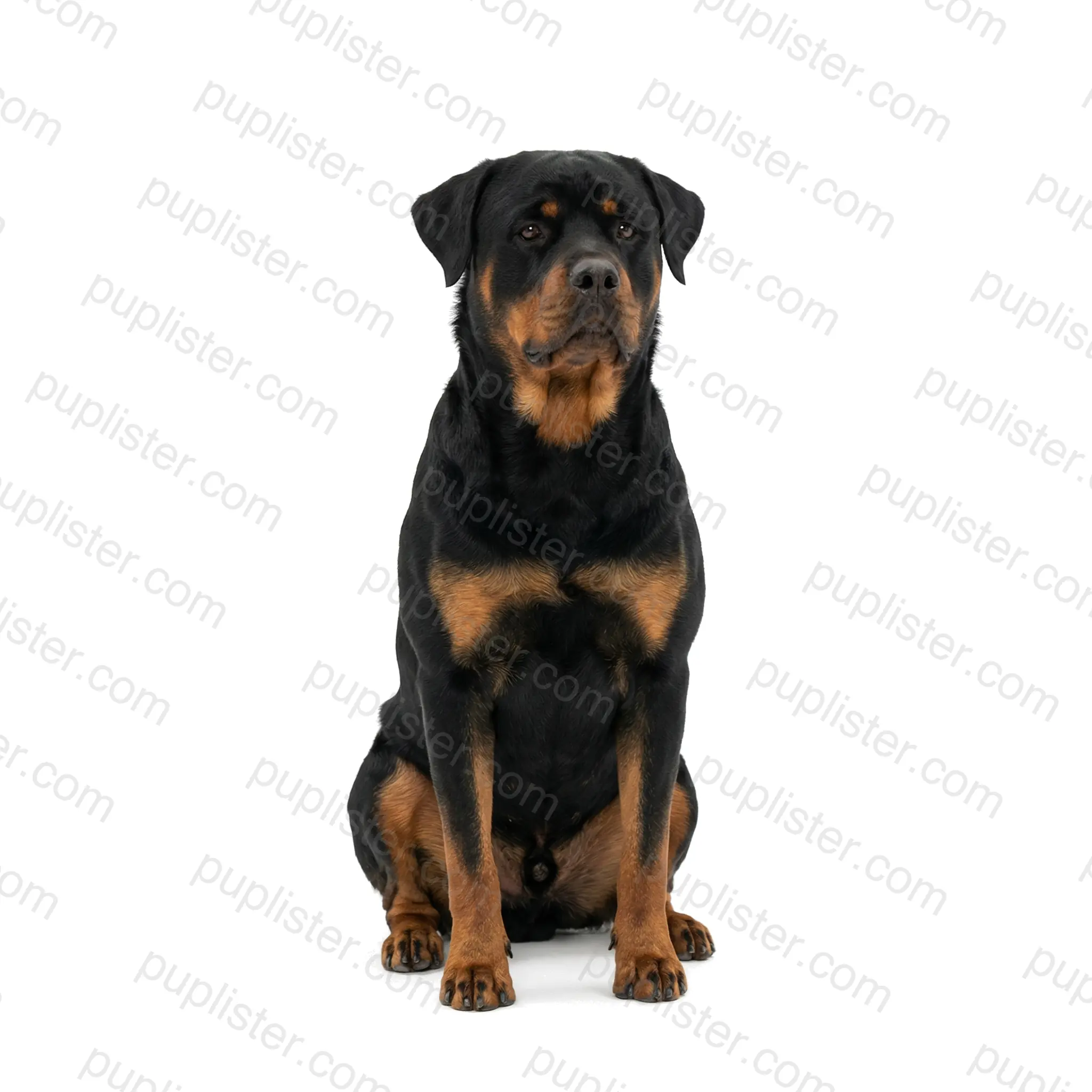
The Rottweiler descends from Roman drover dogs that accompanied legions through the Alps, eventually settling in the German town of Rottweil where they drove cattle and pulled carts for butchers for centuries. These robust, powerful dogs stand 22 to 27 inches tall and weigh 80 to 135 pounds, with a broad head, strong jaws, and a compact, muscular build. Their short, dense double coat is always black with distinctive rust to mahogany markings on the cheeks, muzzle, chest, legs, and above the eyes.
Rottweilers are confident, calm, and courageous — deeply devoted to their families with a natural guarding instinct that requires responsible ownership and thorough socialization. With proper training and socialization, they are gentle, playful, and even goofy with their families, including children. Rottweilers are intelligent and eager to work, excelling in obedience, tracking, herding, and therapy roles, but they need an owner who provides consistent leadership and clear boundaries.
A well-raised Rottweiler is one of the finest companions in the canine world — explore adoption listings on Puplister.
Answer 5 quick questions to see how well this breed matches your lifestyle.
Labrador Retriever / Rottweiler
28 pets available
About the Cane Corso The Cane Corso is an ancient Italian mastiff breed whose lineage traces directly to the Roman canis pugnaces — war dogs that accompanied legions into battle. Standing 23.5–27.5 inches tall and weighing 90–120 pounds, the Cane Corso is a large, athletic, and muscular dog that is notably more agile and less bulky than other mastiff breeds. Their short, stiff, double-layered coat comes in black, gray, fawn, red, and brindle — often with a black or gray mask — and requires minimal grooming.Temperament & PersonalityCane Corsos are intelligent, loyal, and intensely protective — they are working dogs at heart, bred to guard property, livestock, and families with quiet confidence and unwavering vigilance. They bond deeply with their owners and are affectionate and gentle within the family circle, but they are naturally suspicious of strangers and can be assertive with other dogs. This is emphatically not a breed for inexperienced owners — they require firm, consistent leadership and extensive socialization from puppyhood.ProsExceptional guardian — their protective instincts are reliable and deeply ingrainedMore athletic and agile than other mastiff breeds, capable of true working performanceLoyal and affectionate with family — surprisingly gentle with children they've been raised withLow-maintenance coat with minimal grooming needsConsRequires an experienced, confident owner who can establish and maintain leadershipCan be dog-aggressive and territorial without thorough socializationProne to hip dysplasia, bloat, cherry eye, and idiopathic epilepsyTheir size and strength can make them dangerous if improperly trained or handledFor the right owner, a Cane Corso is an unparalleled companion and protector — find adoptable Cane Corsos on Puplister.
1 pet available
About the Brittany The Brittany — formerly known as the Brittany Spaniel — originated in the Brittany province of northwestern France, where it has been a prized bird dog since at least the 17th century. Standing 17.5–20.5 inches tall and weighing 30–40 pounds, the Brittany is a leggy, agile sporting dog with a compact build that belies its remarkable stamina. Their flat or wavy coat comes in orange-and-white or liver-and-white patterns, is moderate in length with some feathering, and requires only weekly brushing.Temperament & PersonalityBrittanys are eager, energetic, and sensitive — they are among the most biddable of the sporting breeds, responding enthusiastically to praise and positive training methods. They are excellent family dogs who adore children and get along well with other dogs, though they can be overwhelmed by harsh corrections or chaotic environments. Their hunting instinct remains strong, and they will point and flush birds naturally, making them dual-purpose companions for active families and hunters alike.ProsHighly trainable and eager to please — one of the easiest sporting breeds to work withExcellent with children and other dogs, making them ideal family companionsVersatile hunting dog that points, flushes, and retrieves with natural talentModerate grooming needs with a relatively low-maintenance coatConsVery high energy level — requires extensive daily exercise, ideally in open spacesSensitive temperament can lead to submissive urination or anxiety with harsh treatmentNot suited for sedentary households — without exercise, they become hyperactive and neuroticProne to hip dysplasia, epilepsy, and canine discoid lupus erythematosusIf you lead an active lifestyle and want a devoted companion, explore adoptable Brittanys on Puplister today.
2 pets available
1About the Vizsla The Vizsla is Hungary's national dog, with origins tracing back over 1,000 years to the Magyar tribes who settled the Carpathian Basin and needed a versatile pointer-retriever for the plains. These lean, athletic dogs stand 21 to 24 inches tall and weigh 44 to 60 pounds, with a distinctively sleek, muscular build and an elegant, ground-covering gait. Their short, smooth coat comes exclusively in various shades of golden rust — from sandy gold to deep russet — with no undercoat, giving them a clean, low-maintenance appearance. Temperament & Personality Vizslas are affectionate, energetic, and extraordinarily people-oriented — often called "Velcro dogs" because they want to be in constant physical contact with their owners. They are gentle and patient with children, friendly with other dogs, and possess a sensitivity that makes them responsive to their family's moods. Vizslas form such intense bonds that they can suffer severe separation anxiety if left alone regularly — they truly need to be included in daily family life. Pros Exceptionally affectionate and forms deep, devoted bonds with familyVersatile athlete — excels in hunting, agility, dock diving, and trackingLow-maintenance coat with minimal shedding and no doggy odorGentle, sensitive nature makes them excellent therapy dogs Cons Severe separation anxiety — cannot tolerate being left alone for long periodsExtremely high exercise needs — requires 1 to 2 hours of vigorous activity dailyProne to epilepsy, hip dysplasia, and lymphosarcomaThin coat and low body fat make them uncomfortable in cold weather If you want a devoted, athletic companion who'll never leave your side, find your Vizsla on Puplister.
52 pets available
2About the Boxer The Boxer was developed in Germany in the late 19th century from the now-extinct Bullenbeisser — a powerful hunting mastiff — crossed with English Bulldogs. Standing 21.5–25 inches tall and weighing 50–80 pounds, the Boxer is a medium-to-large, well-muscled dog with a distinctive square head, undershot jaw, and alert expression. Their short, tight-fitting coat comes in fawn and brindle — sometimes with white markings — and requires very little grooming beyond occasional brushing.Temperament & PersonalityBoxers are playful, energetic, and utterly devoted to their families — they are often called the "Peter Pan" of dog breeds because they maintain their puppyish exuberance well into adulthood. They are exceptional with children, combining patience and protectiveness with a love of play that makes them natural family dogs. Boxers are alert and courageous, making them effective watchdogs, but they are also clownish and affectionate — they're famous for their "kidney bean" wiggle of excitement.ProsOutstanding family dog — patient, protective, and endlessly playful with childrenNatural watchdog with a courageous yet non-aggressive temperamentShort coat requires minimal grooming effortEnergetic and athletic — great companion for running, hiking, and active playConsProne to cancer — one of the breeds most affected, particularly mast cell tumors and lymphomaBrachycephalic tendencies lead to heat intolerance and breathing difficulties during vigorous exerciseCan be excessively boisterous and may accidentally knock over small children or elderly family membersSusceptible to heart conditions including aortic stenosis and dilated cardiomyopathyBoxers bring boundless energy and unconditional love to every family — browse adoptable Boxers on Puplister and find your playful companion.
Adopted cat meowing all night? Discover why it happens, how to create a calm environment, and a realistic timeline to quiet nighttime meows.
Is your adopted cat not eating? Learn the causes, from stress to past trauma, and discover practical solutions to get your new feline friend eating again.
Is your new cat hiding and won't come out? It's normal, but proactive steps can help. Learn how to build trust with your shy adopted cat.
Discover how long it takes for a rescue cat to feel at home with our experienced guide, covering the 3-3-3 rule and actionable tips.