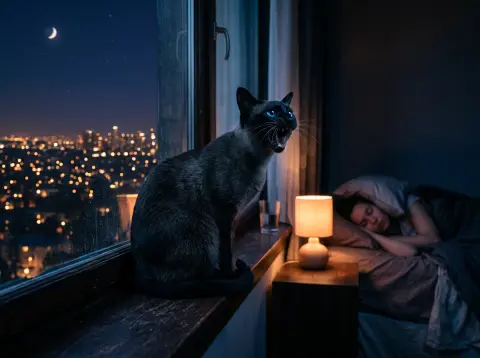
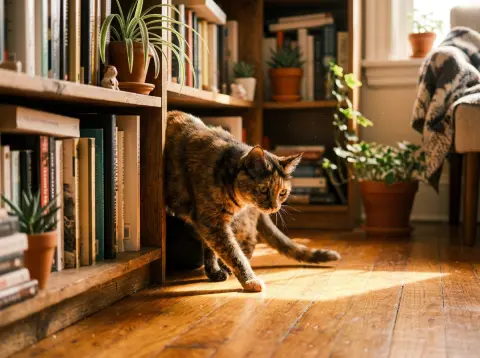
Adopted Cat Meowing All Night: How to Stop It
Adopted cat meowing all night? Discover why it happens, how to create a calm environment, and a realistic timeline to quiet nighttime meows.
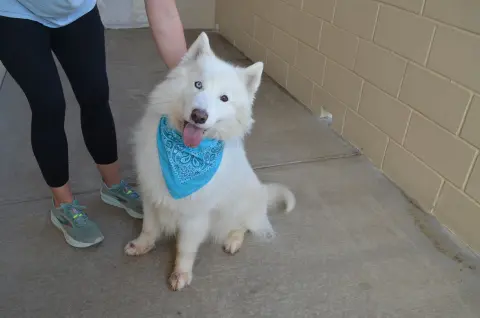
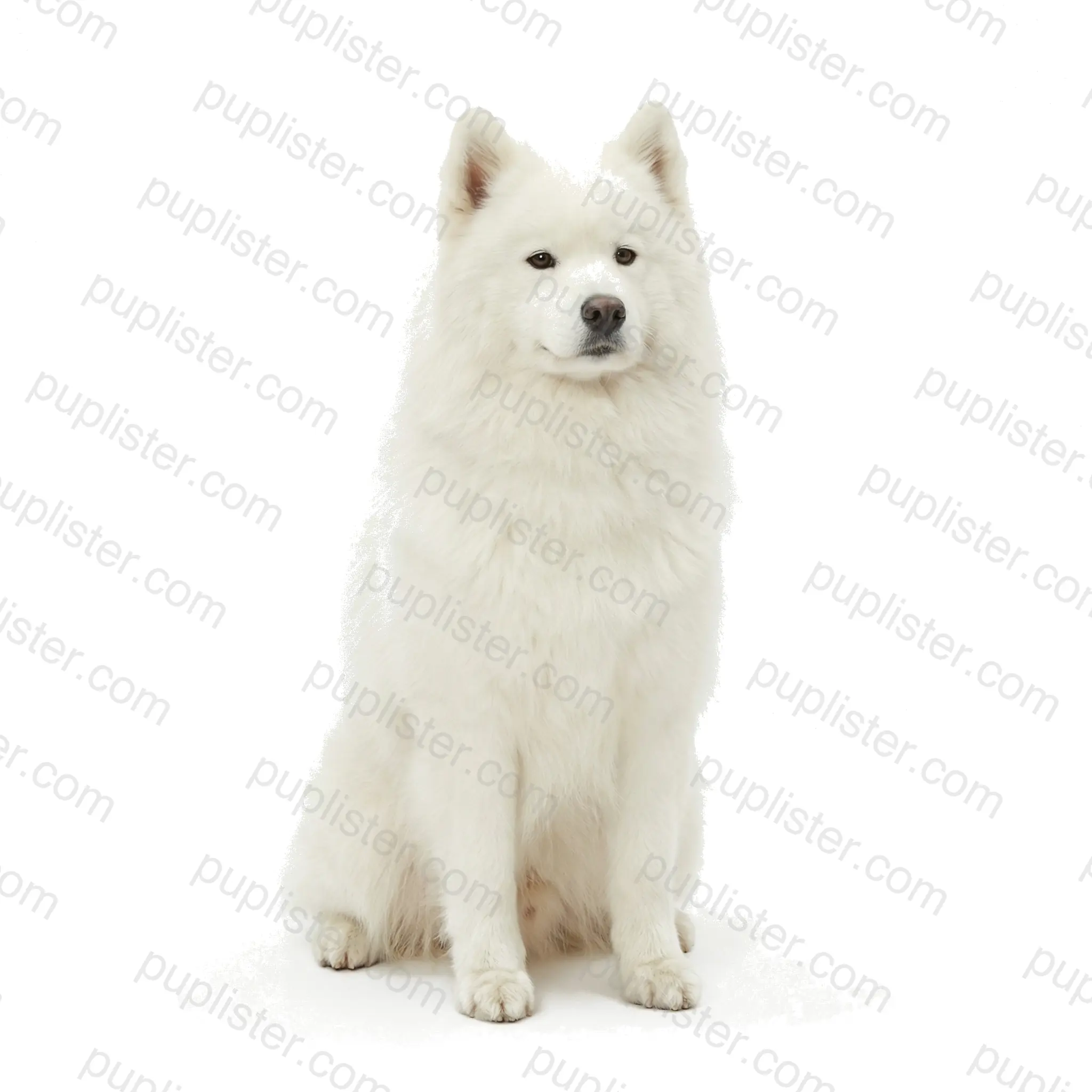
The Samoyed takes its name from the Samoyedic peoples of Siberia, who relied on these dogs for herding reindeer, pulling sleds, and providing warmth in temperatures reaching minus 60 degrees Fahrenheit for over 3,000 years. These striking dogs stand 19 to 23.5 inches tall and weigh 35 to 65 pounds, with a strong, graceful build beneath their profuse coat. Their thick, brilliant white double coat — sometimes with biscuit or cream shading — and characteristic upturned "Sammy smile" make them one of the most beautiful breeds in existence.
Samoyeds are friendly, gentle, and perpetually cheerful — bred to live and work in close quarters with humans, they crave companionship and involvement in family activities. They are wonderful with children, welcoming to strangers, and generally amiable with other dogs — making them poor guard dogs but outstanding family companions. Their intelligence and independent spirit mean they need engaging training methods, as they bore quickly with repetitive exercises.
That radiant Samoyed smile could light up your life — browse Samoyeds available for adoption on Puplister.
Answer 5 quick questions to see how well this breed matches your lifestyle.
16 pets available
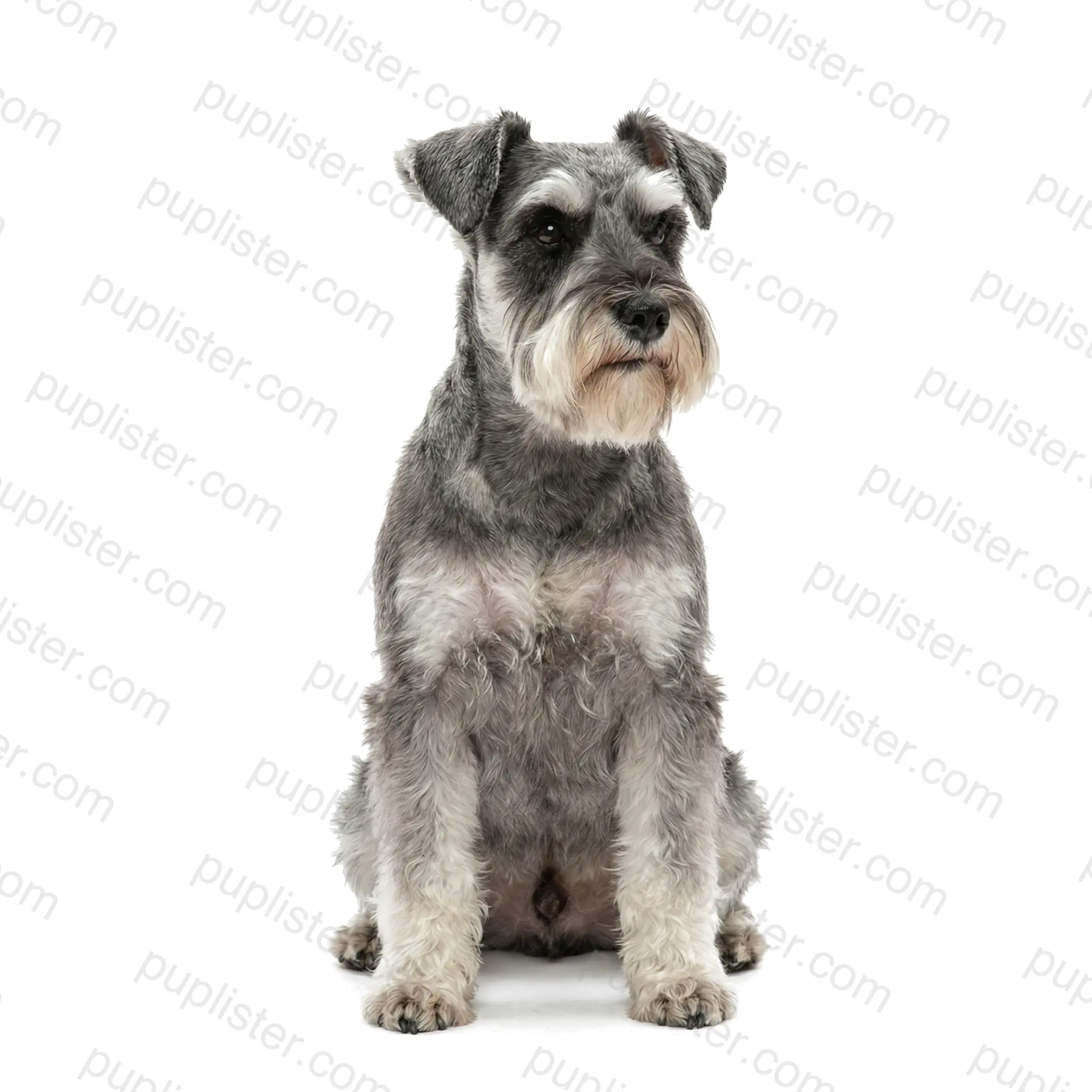
1About the Miniature Schnauzer The Miniature Schnauzer was developed in Germany in the late 19th century by crossing Standard Schnauzers with smaller breeds like the Affenpinscher and Poodle. These sturdy little dogs stand 12 to 14 inches tall and weigh 11 to 20 pounds, carrying a distinctive wiry double coat in salt and pepper, black and silver, solid black, or white. Their trademark bushy eyebrows, full beard, and cropped or natural ears give them an unmistakably distinguished appearance. Temperament & Personality Miniature Schnauzers are spirited, friendly, and remarkably obedient — consistently ranking among the most popular terrier breeds in America. They bond closely with their families, are typically wonderful with children, and get along well with other household pets. Unlike many terrier breeds, they tend to be less aggressive toward other dogs, making them excellent all-around family companions. Pros Low-shedding wiry coat suitable for allergy-conscious householdsHighly trainable and eager to please with consistent methodsAdaptable to apartments, suburbs, or rural settings equally wellRobust health with a lifespan of 12 to 15 years Cons Tendency to bark frequently — can be vocal about everythingRequires regular professional grooming or hand-stripping every 6 to 8 weeksSusceptible to pancreatitis, urinary stones, and hyperlipidemiaStrong prey drive toward squirrels, rabbits, and other small animals outdoors Discover your ideal Miniature Schnauzer companion — check available listings right here on Puplister.
9 pets available
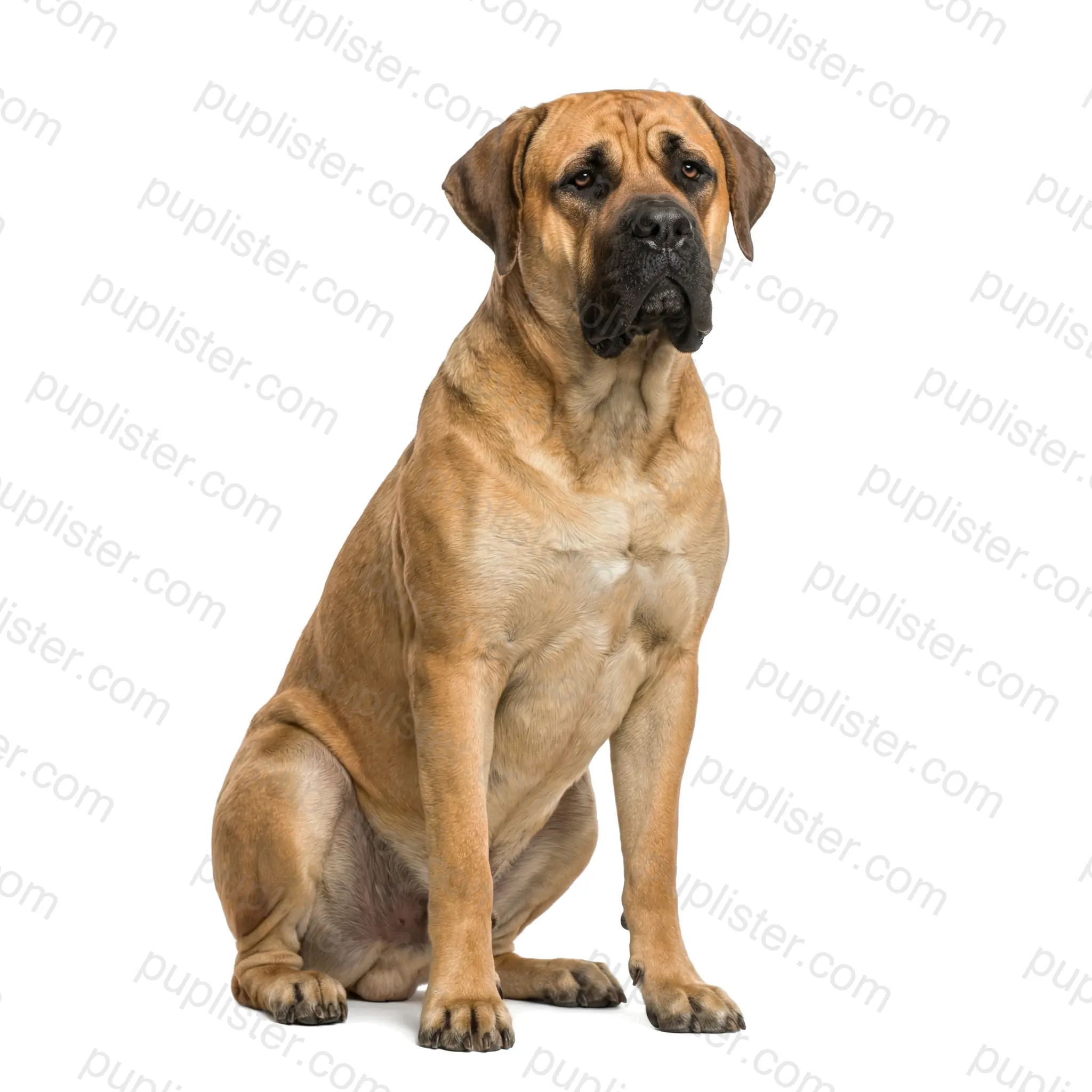
1About the Mastiff The English Mastiff is one of the most ancient and massive dog breeds, with roots tracing back over 2,000 years to ancient Britain and possibly earlier Molosser-type dogs of Asia. Males commonly weigh 160 to 230 pounds and stand 30 inches or taller at the shoulder, making them among the heaviest domestic dogs in the world. Their short, dense double coat comes in fawn, apricot, or brindle — always with a distinctive dark mask on the face. Temperament & Personality Despite their imposing size, Mastiffs are famously gentle, calm, and deeply loyal — often called "gentle giants" with good reason. They are patient and protective with children in their family, though their sheer mass means supervision around small kids is wise. Mastiffs tend to be reserved with strangers but rarely aggressive, preferring to position themselves between their family and any perceived threat. Pros Naturally protective without needing guard trainingSurprisingly low energy indoors — content to lounge for hoursGentle and patient temperament ideal for familiesShort coat requires only basic weekly brushing Cons Massive food bills — adult Mastiffs eat 6 to 10 cups of food dailyShorter lifespan of 6 to 10 years typical of giant breedsProne to hip dysplasia, bloat (gastric torsion), and heart conditionsExcessive drooling is a constant reality with this breed Ready to welcome a magnificent gentle giant into your home? Explore Mastiff adoption opportunities on Puplister.
12 pets available
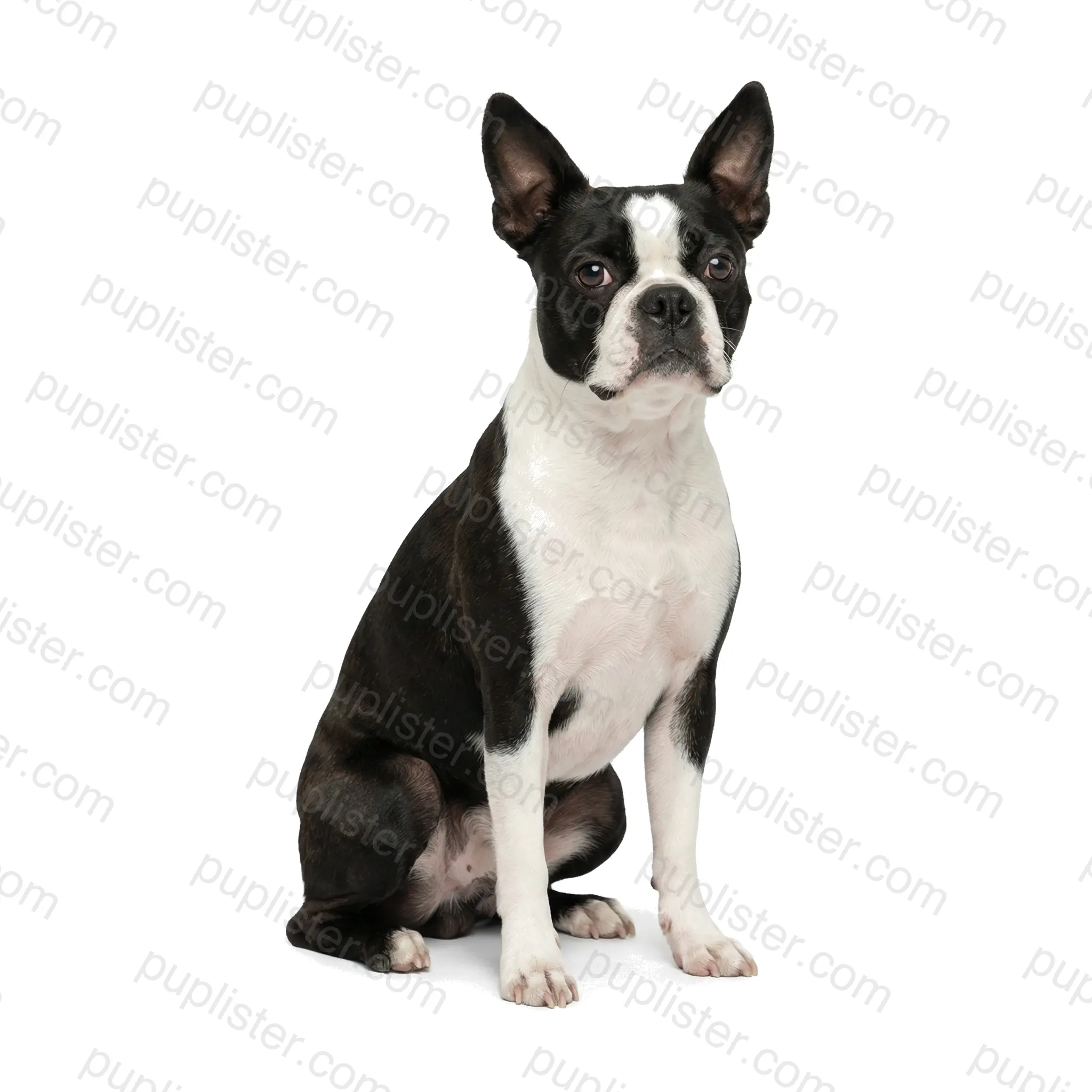
About the Boston Terrier The Boston Terrier — affectionately known as the "American Gentleman" — was developed in Boston, Massachusetts, in the late 1800s from crosses between English Bulldogs and white English Terriers. Standing 15–17 inches tall and weighing 12–25 pounds, they come in three weight classes and sport a compact, well-proportioned build with a distinctive tuxedo-like coat pattern. Their short, smooth coat appears in black-and-white, brindle-and-white, or seal-and-white — always with the characteristic white blaze, muzzle band, and chest marking.Temperament & PersonalityBoston Terriers are lively, intelligent, and brimming with personality — they have a wonderful sense of humor and seem to know exactly how to make their owners laugh. They are exceptionally friendly with people of all ages, including children and seniors, and typically get along well with other dogs and cats. Their moderate energy level and adaptable nature make them equally happy on a brisk walk or curled up on the couch.ProsPerfect apartment dog — compact size, moderate exercise needs, and minimal barkingFriendly and sociable with virtually everyone, including strangers and other petsLow-maintenance coat requiring only occasional brushingHighly adaptable temperament that suits first-time owners and experienced dog people alikeConsBrachycephalic (flat-faced) structure causes breathing difficulties, snoring, and heat intoleranceProne to eye injuries and conditions like cataracts, cherry eye, and corneal ulcersCan be stubborn about housetraining despite their intelligenceSusceptible to patellar luxation and spinal issues due to their compact buildBoston Terriers are the perfect blend of charm and companionship — find adoptable Boston Terriers on Puplister now.
13 pets available
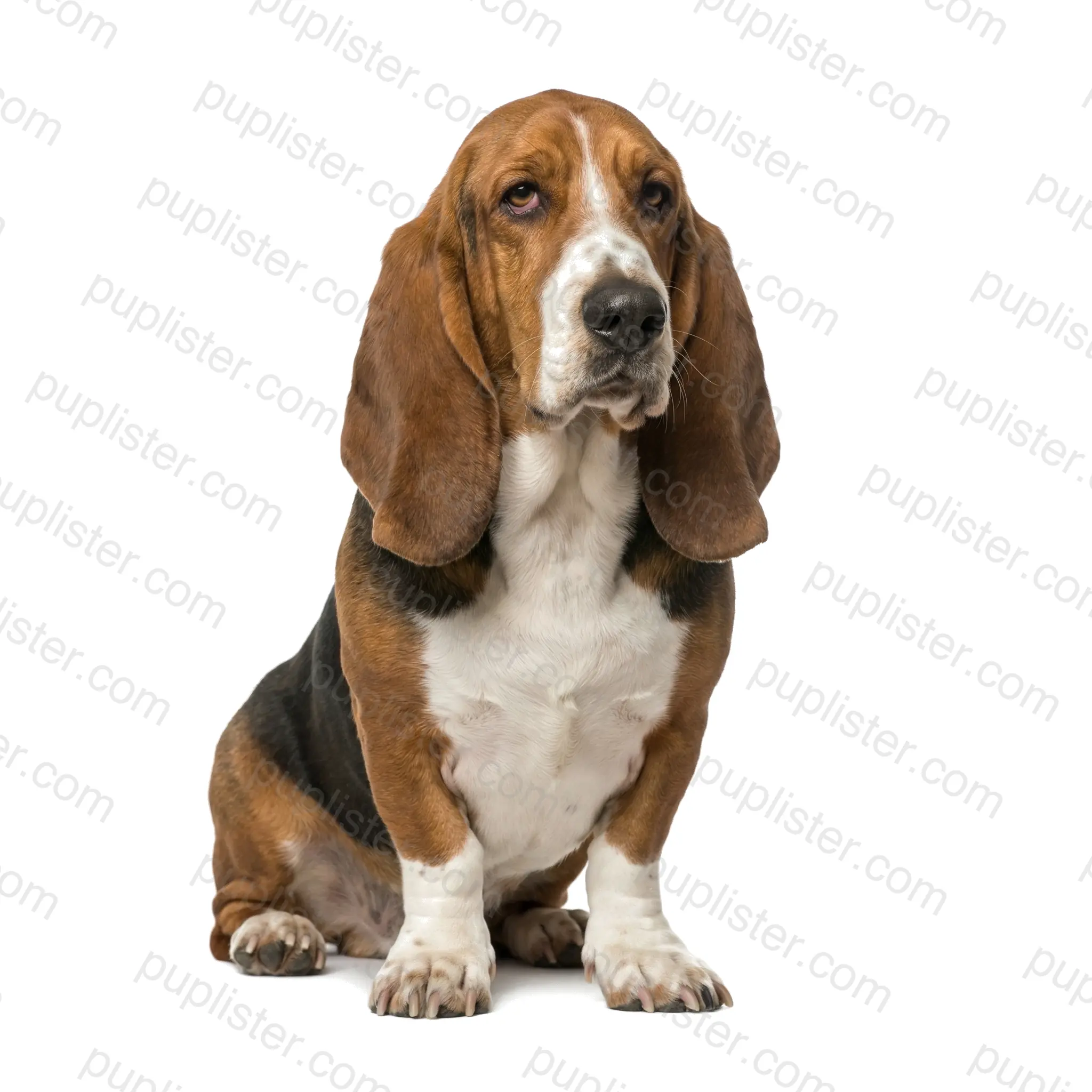
About the Basset Hound The Basset Hound was developed in France — the name comes from the French word "bas" meaning low — as a scent hound bred to track rabbits and hare through dense underbrush. Standing just 11–15 inches tall but weighing a substantial 40–65 pounds, the Basset is a heavy-boned, low-slung dog with the second-best nose in the canine world, surpassed only by the Bloodhound. Their short, smooth coat comes in classic tri-color, red-and-white, and lemon-and-white patterns, and while easy to brush, they are moderate shedders.Temperament & PersonalityBasset Hounds are famously easygoing, patient, and gentle — their laid-back demeanor makes them wonderful family dogs who get along with virtually everyone, including children and other pets. They are pack animals at heart and dislike being left alone for long periods, often expressing their displeasure with mournful howling. Despite their placid appearance, Bassets can be surprisingly stubborn, especially when they've caught an interesting scent.ProsGentle, patient temperament — excellent with children and other animalsLow exercise requirements compared to most hound breedsFriendly and sociable with strangers, other dogs, and even catsCharming, expressive face and endearing personality that wins hearts easilyConsProne to obesity without careful diet management due to their low activity levelLoud, deep bay and howl that can disturb neighborsEars require frequent cleaning to prevent chronic ear infectionsSusceptible to intervertebral disc disease, bloat, and glaucomaA Basset Hound's soulful eyes and gentle heart might be exactly what your family needs — find adoptable Basset Hounds on Puplister.
Adopted cat meowing all night? Discover why it happens, how to create a calm environment, and a realistic timeline to quiet nighttime meows.
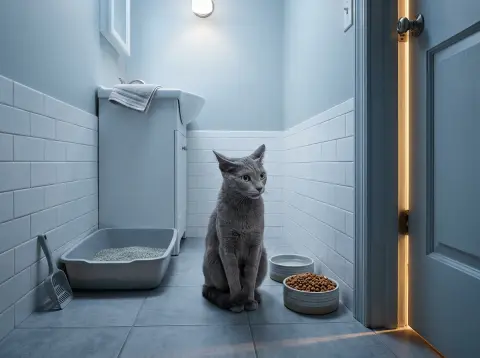
Is your adopted cat not eating? Learn the causes, from stress to past trauma, and discover practical solutions to get your new feline friend eating again.
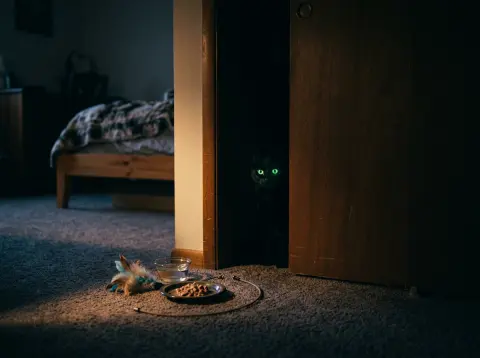
Is your new cat hiding and won't come out? It's normal, but proactive steps can help. Learn how to build trust with your shy adopted cat.
Discover how long it takes for a rescue cat to feel at home with our experienced guide, covering the 3-3-3 rule and actionable tips.