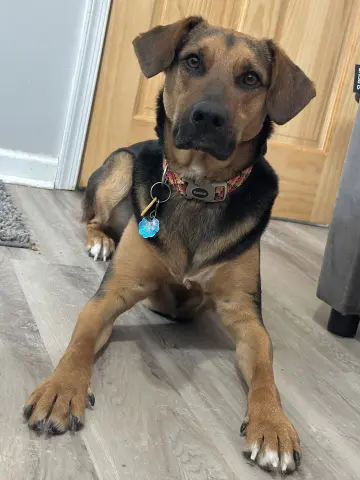
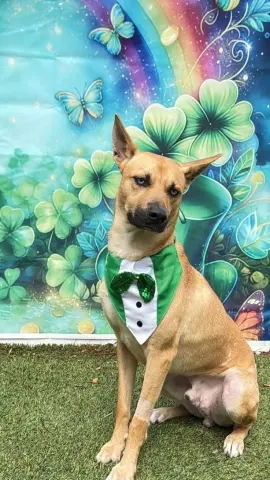
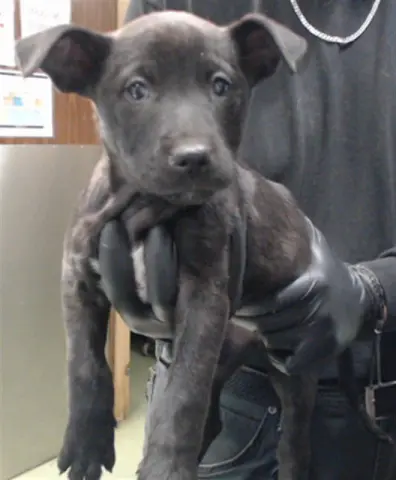
Brixton is a handsome adult American Pit Bull Terrier with a striking gray coat. Despite the lack of a detailed description, we can infer that Brixton is likely a dog with a strong desire for companionship and engagement. He will thrive with an owner who understands the importance of positive reinforcement and consistent training to help him build confidence and good manners.
American Pit Bull Terriers are known for their strength, intelligence, and often their affectionate nature towards their families. They are typically very active dogs that require a significant amount of physical and mental stimulation to prevent boredom. Their short coats are relatively low maintenance, requiring minimal grooming, though they do shed moderately. With proper socialization, they can be wonderful, loyal companions.
The ideal home for Brixton would be one where he receives plenty of daily exercise, such as long walks, runs, or playtime in a securely fenced yard. He would benefit from an experienced owner committed to continuing his training and socialization. A family that can provide him with clear boundaries, lots of love, and a stimulating environment will find a devoted and happy companion in Brixton.