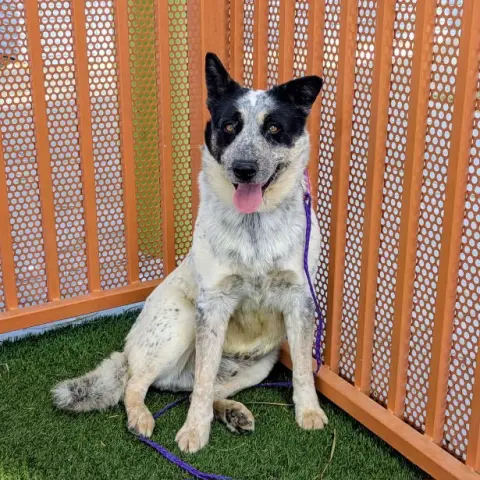
Sasha is a lively and intelligent young German Shepherd Dog with a curious spirit. Though no specific personality details were provided, German Shepherds are known for their loyalty and eagerness to please, suggesting Sasha will thrive with consistent training and positive reinforcement. She is likely to form a strong bond with her family and enjoys being an active participant in household life.
As a German Shepherd Dog, Sasha possesses traits of a highly intelligent and athletic breed. They are renowned for their protective instincts, courage, and versatility, making them excellent companions for active individuals or families. This breed typically has a strong drive to work and learn, requiring mental stimulation as much as physical exercise. Sasha will benefit from activities like obedience training, agility, or even just engaging puzzle toys to keep her sharp.
Sasha's ideal home would be one that can provide ample space for her to run and play, ideally with a securely fenced yard. Given her high energy and exercise needs, a family committed to daily walks, runs, or other engaging activities for 1-2 hours per day is essential. She would thrive with experienced dog owners who understand the needs of a working breed and can provide the structure and training necessary for her to become a well-adjusted and beloved family member.