When Do Puppies Calm Down? Timeline by Breed Size
Expecting a puppy to transform into a calm, quiet companion within a few months is simply unrealistic, and it sets both you and your new family member up for frustration. The journey to a settled dog is a gradual one, heavily influenced by their breed, individual personality, and past experiences.
Your puppy will eventually calm down, but the "when" depends significantly on their size and background.
The Truth About Puppy Energy: It's a Marathon, Not a Sprint
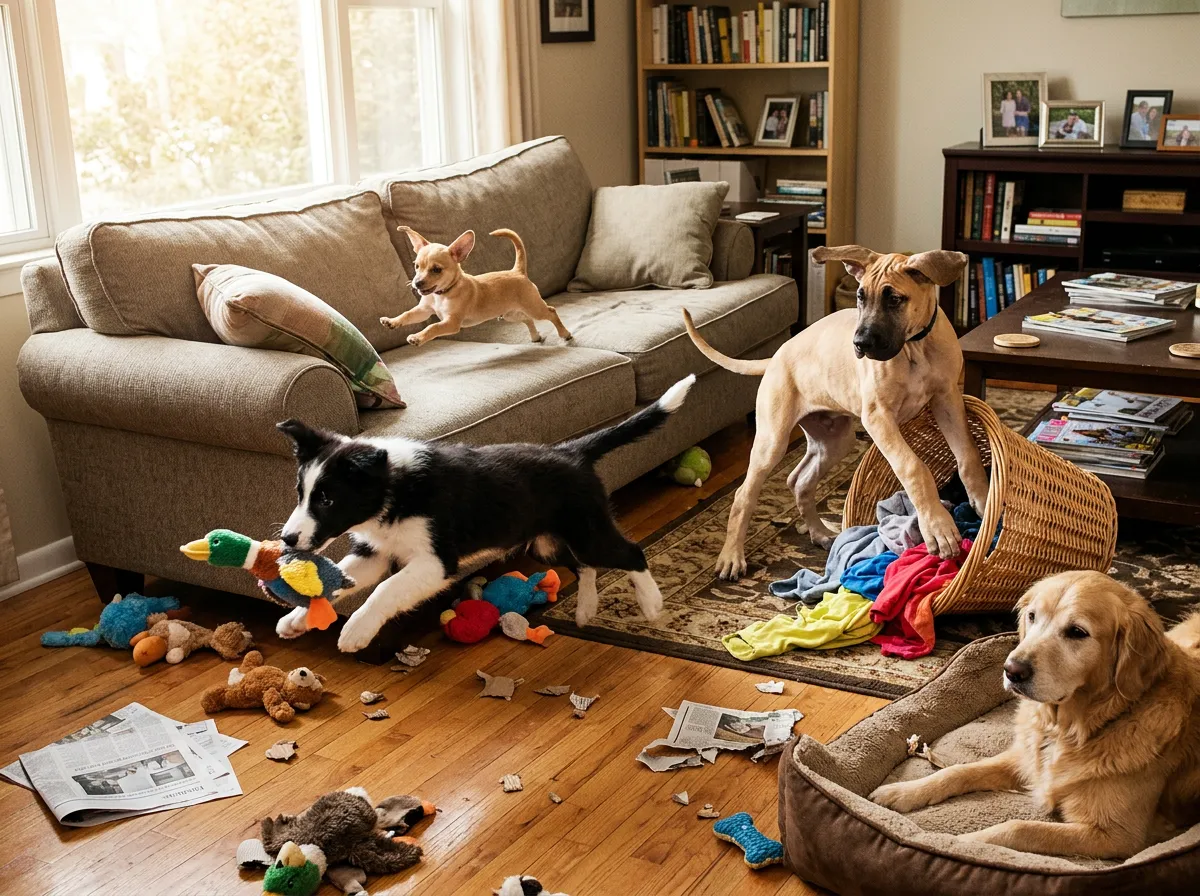
Most puppies begin to show noticeable signs of calming down between 12 and 24 months of age, with true behavioral stability often achieved closer to 1.5 to 3 years. This period, often called adolescence, is notoriously challenging, as puppies test boundaries and their hormones fluctuate. Dogs typically hit their peak energy levels between 3 and 6 months old, and this can feel like an endless cycle of zoomies and chewing.
However, an adult dog's calmest state generally arrives between 3 and 7 years of age. Factors like consistent training, adequate exercise, mental stimulation, and a stable home environment play a huge role in how quickly your puppy settles. Spaying or neutering can also contribute to a calmer demeanor, though it is not a magic fix for hyperactivity.
Small Breed Puppies: Quicker to Settle, But Still Pups
Small breed puppies, generally weighing under 20 pounds, often mature faster than their larger counterparts, meaning they may calm down sooner. Many small breeds reach their adult size and a more settled temperament by their first birthday, or shortly after. Breeds like Chihuahuas, Pomeranians, and Shih Tzus might appear to calm down relatively quickly, though their individual personalities vary widely.
For example, I remember a tiny Jack Russell Terrier mix named "Pip" who was adopted from our local shelters in San Antonio. His adopters were convinced he'd be calm by six months because he was small. By nine months, Pip had chewed through two sofa cushions and a coffee table leg, demanding constant attention. It took consistent daily walks and puzzle feeders to help him settle, and he didn't become a "calm" adult until he was closer to 18 months old. Small size does not always mean low energy, especially with terrier breeds.
| Small Breed Examples | Approximate Calming Timeline | Growth Completion |
|---|---|---|
| Chihuahua | 9-12 months | 10-12 months |
| Pomeranian | 10-14 months | 10-12 months |
| Dachshund | 12-18 months | 10-12 months |
Medium Breed Puppies: A Steady Path to Calm
Medium breed puppies, typically weighing between 20 and 50 pounds, usually fall somewhere in the middle of the calming timeline. These dogs often begin to settle around 12 to 18 months, reaching full maturity and a more consistent calm by 2 years of age. Breeds like Beagles, Cocker Spaniels, and Border Collies (though some Border Collies can have energy levels similar to large working breeds) are good examples.
Their energy output requires thoughtful management. A Beagle, for instance, needs plenty of scent work and opportunities to explore, while a Cocker Spaniel thrives on engaging play and training sessions. Without proper outlets, their energy can manifest as destructive behaviors.
| Medium Breed Examples | Approximate Calming Timeline | Growth Completion |
|---|---|---|
| Beagle | 14-20 months | 12-15 months |
| Cocker Spaniel | 15-22 months | 12-15 months |
| Bulldog | 18-24 months | 12-15 months |
Large and Extra-Large Breed Puppies: Patience is a Virtue
For large breeds (50-100 pounds) and extra-large breeds (over 100 pounds), the calming timeline extends considerably. These dogs can maintain high energy levels until 2 or even 3 years of age, and their growth plates don't fully close until much later. Breeds like Labrador Retrievers, German Shepherds, Great Danes, and Newfoundlands are known for their extended puppyhood.
I adopted a German Shepherd mix named "Rex" from a rescue group in Baton Rouge when he was about seven months old. He was a whirlwind of energy, despite being a large puppy. His adopters were ready to give him up after a year, convinced he was "broken" because he was still so boisterous. I explained that a large dog like Rex needed more time, and that his brain was still very much in puppy mode. We worked on structured walks with a dog harness and consistent obedience training for another year, costing them about $800 in private sessions, before he began to settle into his adult temperament around 2.5 years old. Their patience paid off, and Rex became an loyal and calm companion.
| Large/Extra-Large Breed Examples | Approximate Calming Timeline | Growth Completion |
|---|---|---|
| Labrador Retriever | 24-30 months | 16-18 months |
| German Shepherd | 24-36 months | 16-18 months |
| Great Dane | 30-48 months | 18-24 months |
The Rescue Puppy Factor: Beyond Breed Expectations
When you adopt a rescue puppy, their individual history can significantly influence their calming timeline, sometimes even overriding typical breed expectations. A puppy who has experienced neglect, lack of socialization, or spent significant time in a high-stress shelter environment may initially present as either overly timid or excessively hyper. The "3-3-3 rule" is a helpful guide for understanding the adjustment period: 3 days to decompress, 3 weeks to learn your routine, and 3 months to start feeling at home. This period is crucial for a rescue puppy to settle.
A puppy who was under-socialized might be fearful, leading to reactive behaviors that can look like hyperactivity. Conversely, a puppy who spent their early weeks in a kennel might not have learned appropriate self-calming mechanisms. When considering dog breeds from a shelter, ask staff about the puppy's known history, how they interact with other dogs and people, and what their typical energy levels are observed to be in different situations. This information is invaluable for setting realistic expectations and tailoring your approach to their unique needs.
Practical Steps to Encourage Calmness
You are not simply waiting for your puppy to "grow out of it." Active intervention and consistent effort on your part are crucial for guiding your puppy toward a calmer demeanor. Here are some strategies that work:
- Consistent Training: Enroll in positive reinforcement obedience classes. Commands like "sit," "stay," and "down" are not just about manners; they teach impulse control. A solid "leave it" command can save your furniture and your sanity.
- Adequate Exercise: This means more than just a quick potty break. Puppies need structured walks, playtime in a secure yard, or trips to a dog park (once fully vaccinated and socialized). For high-energy breeds, consider activities like fetch, flirt poles, or even dog sports when they are older.
- Mental Stimulation: A tired mind is as important as a tired body. Use puzzle feeders like Kongs filled with frozen peanut butter, snuffle mats, or interactive toys to challenge their brains. Short training sessions throughout the day also provide mental exercise.
- Establish a Routine: Dogs thrive on predictability. Consistent feeding times, potty breaks, exercise, and quiet time help a puppy understand what to expect, reducing anxiety and hyperactivity.
- Create a "Calm Down" Zone: Designate a quiet space, like a crate or a specific bed, where your puppy can relax undisturbed. Teach them that this is a place for rest and provide a chew toy or a favorite blanket.
- Chew Toys: Puppies need to chew, especially during teething. Provide appropriate, durable chew toys like Nylabones or Benebones to redirect their chewing away from your belongings.
Helping a puppy calm down takes a combination of patience, understanding, and consistent effort. It's a journey that builds a stronger bond between you and your dog.