Pomeranian Pomeranian

Pomeranian

19
Bold Lively Curious Extroverted

About the Pomeranian

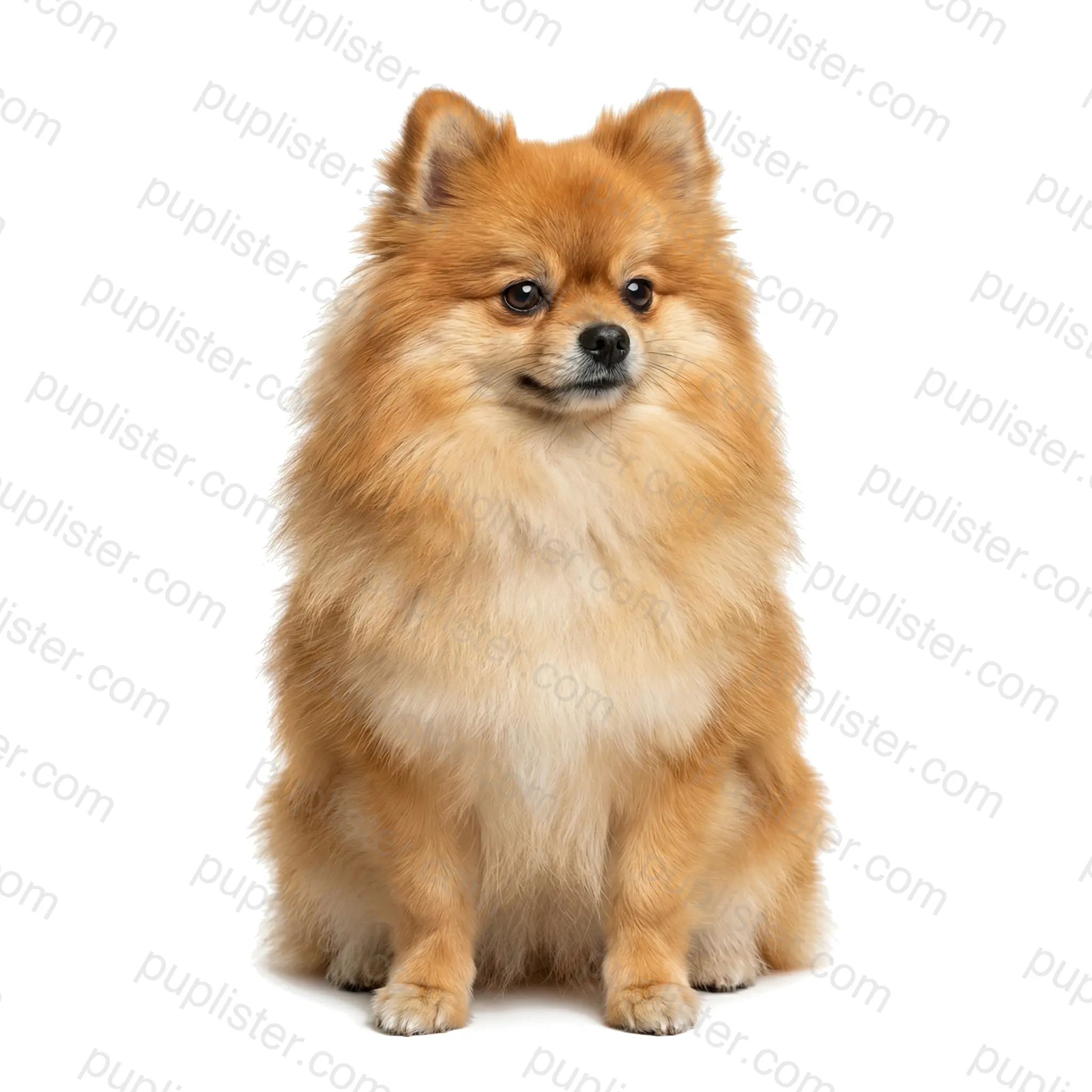
The Pomeranian descends from large sled-pulling spitz dogs of Iceland and Lapland, selectively bred down to toy size in the Pomerania region of northeastern Europe during the 18th and 19th centuries — Queen Victoria famously popularized the smaller variety. These tiny dogs weigh just 3 to 7 pounds and stand 6 to 7 inches tall, yet carry themselves with unmistakable confidence. Their magnificent double coat — a dense undercoat beneath a profuse, standoff outer coat — comes in nearly every color and pattern imaginable, with orange and red being most popular.

Temperament & Personality

Pomeranians are vivacious, bold, and surprisingly commanding for their size — they have no concept of how small they are and will happily try to boss around much larger dogs. They are devoted to their owners and can be excellent companions for singles and seniors, though they may be too fragile and snappy for homes with very young children. Poms are intelligent and curious, learning tricks quickly, but they also have a strong independent streak inherited from their spitz ancestry.

Pros

  • Tiny size makes them ideal for apartment living and travel
  • Alert and vocal watchdog — always aware of surroundings
  • Intelligent and responsive to training with positive methods
  • Long lifespan of 12 to 16 years with proper care

Cons

  • Profuse shedding — the fluffy coat requires brushing several times weekly
  • Prone to luxating patella, tracheal collapse, and severe dental disease
  • Fragile bones easily injured by falls, rough handling, or being stepped on
  • Excessive barking can become a serious behavioral issue without training

These tiny furballs pack enormous personality — find Pomeranians seeking loving homes on Puplister.

Pomeranian Quick Facts

Size
3–7 lbs, 6–7 in
Lifespan
12–16 years
Exercise
Moderate
Grooming
Moderate
Good with Kids
Not recommended
Good with Pets
Yes

Is the Pomeranian right for you?

Answer 5 quick questions to see how well this breed matches your lifestyle.

Take the Quiz

Available Pomeranians

Angel
Adult
Angel
S

Pomeranian / Chihuahua

Loved At Last Dog Rescue · Langley, CA
Vinny
Adult
Vinny
S

Pomeranian

Contra Costa Animal Services · Martinez, CA
Sugar
Adult
Sugar
S

Pomeranian

Riverside County Animal Control · Riverside, CA
Coco
Young
Coco
S

Chihuahua / Pomeranian

Adams County Animal Shelter · Brighton, CO
Luca
Young
Luca
S

Pomeranian

Adopt-A-Kitty · Mobile, AL
Robin
Adult
Robin
S

Pomeranian / Chihuahua

Rockwall Animal Adoption Center · Rockwall, TX
Helay
Adult 1
Helay
S

Pomeranian

Miami-Dade Animal Services · Miami, FL
Sloppy Joe
Senior 3

Pomeranian

The Rescue Crew · Andover, MN

Related Breeds

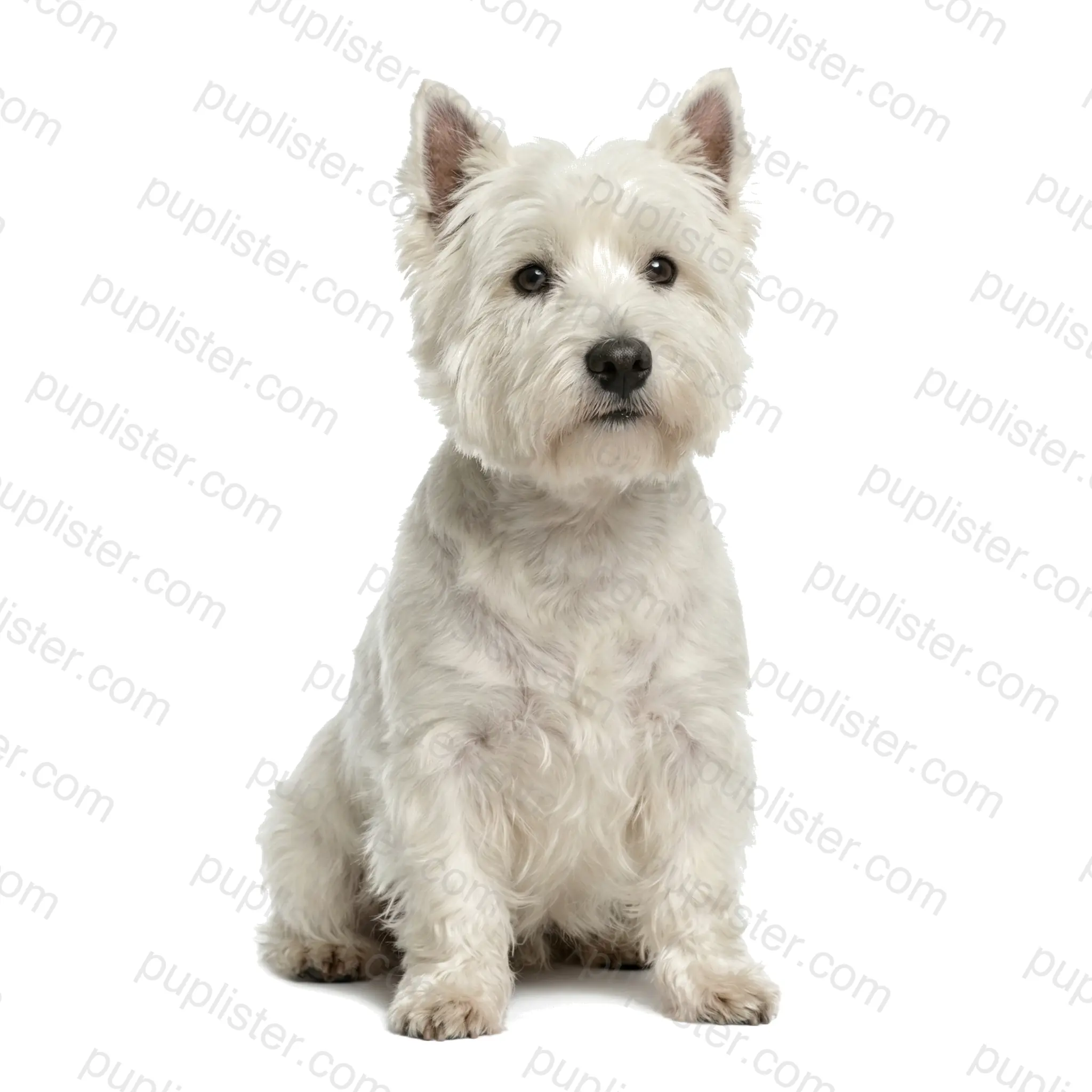
West Highland White Terrier

11 pets available

13

About the West Highland White Terrier The West Highland White Terrier — universally known as the "Westie" — was developed in Scotland's western highlands during the 19th century, selectively bred from Cairn Terrier stock for its white coat to be more visible against the dark highland terrain while hunting foxes, badgers, and rats. These sturdy little dogs stand 10 to 11 inches tall and weigh 15 to 20 pounds, with a compact, balanced build and surprisingly strong legs for their size. Their double coat features a hard, straight white outer layer and a soft, dense undercoat — always pure white without exception. Temperament & Personality Westies are confident, entertaining, and surprisingly tough — carrying the classic terrier self-assurance in a friendly, less aggressive package than many of their terrier relatives. They are affectionate with their families, generally good with older children, and possess an independent, adventurous spirit that keeps life interesting. Westies are social dogs that enjoy meeting people, though they can be assertive with other dogs and retain a strong instinct to chase anything that moves. Pros Sturdy and adaptable — thrives in apartments, suburbs, and country settingsFriendly and sociable without the extreme aggression of some terrier breedsPortable size with a big, confident personalityAlert watchdog that will reliably announce visitors Cons Prone to atopic dermatitis and skin allergies — one of the most affected breedsCoat requires regular professional grooming or hand-stripping every 6 to 8 weeksCan be stubborn and willful during training — responds best to positive methodsTendency to dig and bark, especially when bored or left in the yard Westies bring Scottish charm and terrier spirit into every home — find your white-coated companion on Puplister.

Whippet
Whippet Dog

21 pets available

10

About the Whippet The Whippet was developed in Victorian England by coal miners and mill workers who bred small Greyhounds with terriers to create an affordable racing and rabbit-coursing dog — earning the nickname "the poor man's racehorse." These elegant sighthounds stand 18 to 22 inches tall and weigh 25 to 40 pounds, with a streamlined, aerodynamic build capable of reaching speeds up to 35 miles per hour. Their short, smooth coat comes in virtually any color or pattern and lies close to the body, accentuating their graceful, muscular contours. Temperament & Personality Whippets are gentle, quiet, and remarkably calm indoors — often spending hours draped elegantly across furniture in poses that would make a greyhound proud. They are affectionate and sensitive with their families, good with children (though their slender build makes them vulnerable to rough play), and generally friendly with other dogs. Despite their sprinting ability, Whippets are surprisingly low-energy at home and are often described as the ideal apartment dog for owners who enjoy outdoor exercise. Pros Extremely calm and quiet indoors — one of the most unobtrusive housematesShort, low-maintenance coat with minimal shedding and no doggy odorGentle, affectionate nature — rarely aggressive toward people or other dogsHealthy breed with a long lifespan of 12 to 15 years Cons Intense prey drive — will chase and potentially catch small animals including catsThin skin and low body fat make them sensitive to cold and prone to scrapesCannot be trusted off-leash in unfenced areas — once they run, they cannot hear youSusceptible to anesthesia sensitivity and cardiac arrhythmias Whippets are the perfect blend of couch companion and outdoor athlete — find one looking for a home on Puplister.

Shiba Inu
Shiba Inu Dog

29 pets available

14

About the Shiba Inu The Shiba Inu is Japan's oldest and smallest native breed, originally bred to flush birds and small game in the dense mountain underbrush — "shiba" may refer to brushwood or the breed's red color, while "inu" simply means dog. These compact, agile dogs stand 13.5 to 16.5 inches tall and weigh 17 to 23 pounds, with a fox-like face, small triangular ears, and a curled tail. Their stiff, plush double coat comes in red, sesame, black and tan, or cream, with distinctive "urajiro" (cream to white ventral markings). Temperament & Personality Shiba Inus are bold, alert, and fiercely independent — often described as more cat-like than dog-like in their self-possession and fastidious grooming habits. They are loyal to their families but on their own terms, and their strong-willed nature means they do not blindly follow commands. Shibas are known for the infamous "Shiba scream" — a loud, distinctive vocalization produced when displeased or overjoyed — and they can be aloof with strangers and sometimes aggressive toward other dogs. Pros Naturally clean and almost cat-like — easy to housetrain and self-groomingCompact, manageable size for apartments with adequate exerciseLoyal and devoted to their family once trust is establishedHealthy breed with a long lifespan of 13 to 16 years Cons Extremely independent and stubborn — not recommended for first-time ownersStrong prey drive and unreliable recall make off-leash freedom riskyCan be possessive of food, toys, and territory (resource guarding)Prone to allergies, patellar luxation, and hip dysplasia The Shiba Inu's spirited independence and striking looks have won fans worldwide — discover Shibas on Puplister.

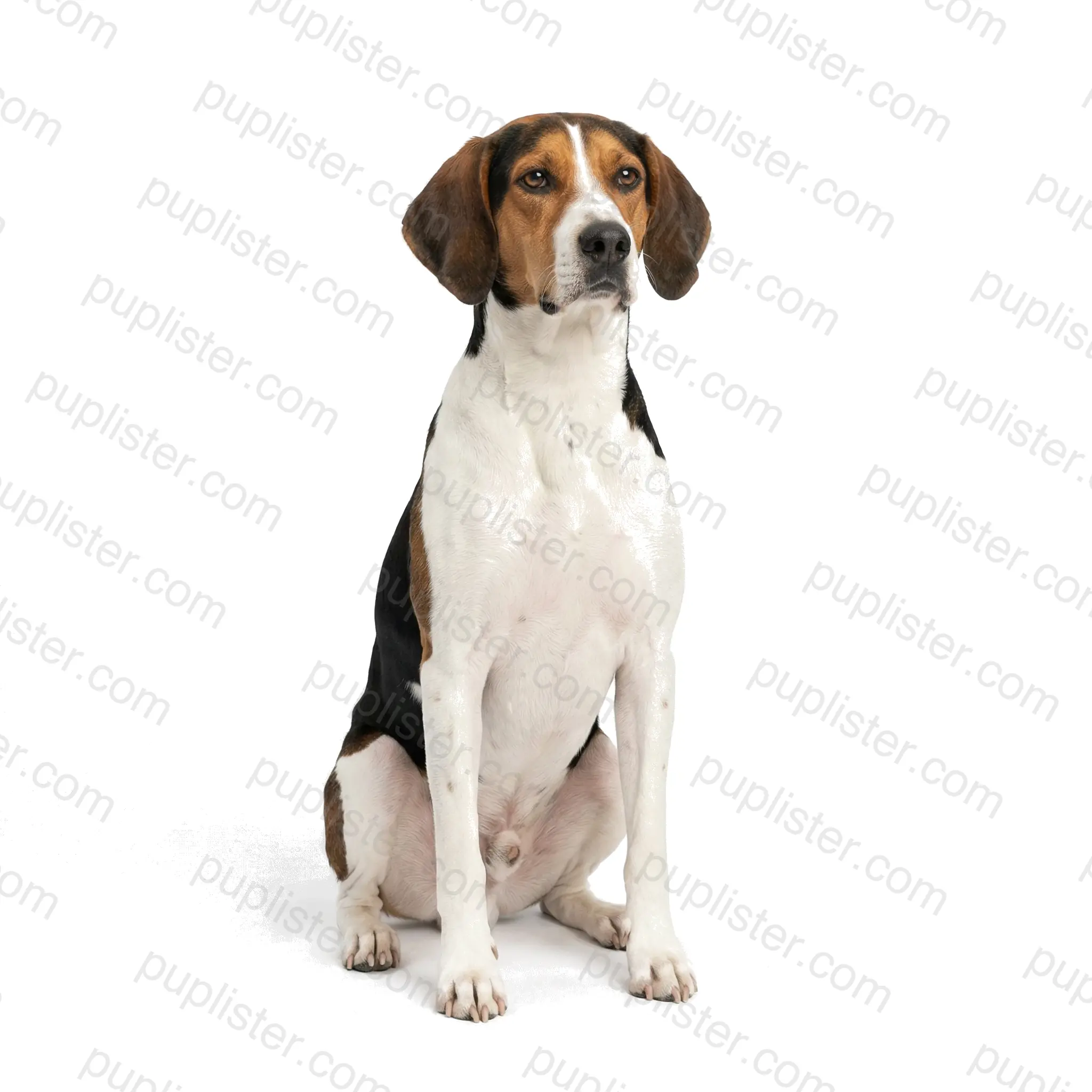
Treeing Walker Coonhound

40 pets available

11

About the Treeing Walker Coonhound The Treeing Walker Coonhound was developed in the United States from Walker Foxhounds in the mid-20th century, selectively bred for their exceptional ability to trail game and "tree" raccoons by chasing them up a tree and baying until the hunter arrives. These elegant, athletic hounds stand 20 to 27 inches tall and weigh 50 to 70 pounds, with a lean, muscular build and the classic tricolor pattern — white, black, and tan — reminiscent of their foxhound ancestry. Their short, smooth coat is dense and protective, well-suited for long hours working through brush and rough terrain. Temperament & Personality Treeing Walker Coonhounds are confident, intelligent, and affable — possessing a friendly, sociable nature that makes them enjoyable companions both in the field and at home. They are gentle with children, typically welcoming to strangers, and usually get along well with other dogs, especially those they've been raised with. Their hunting instincts run deep, however, and they can switch from couch potato to tireless tracker the moment an interesting scent crosses their path. Pros Friendly, easygoing temperament — excellent with families and other dogsLow-maintenance coat needing only weekly brushingSuperb endurance for hiking, running, and outdoor adventuresGenerally healthy breed with a lifespan of 12 to 13 years Cons Extremely vocal — loud baying and howling are a defining breed traitPowerful scent drive makes off-leash reliability very challengingRequires substantial daily exercise — bored Walkers can be destructiveProne to ear infections and hip dysplasia Treeing Walker Coonhounds bring athletic grace and a sweet disposition to any home — explore available listings on Puplister.

Related Articles

Frequently Asked Questions

What are the key traits of a Pomeranian?
The Pomeranian is known for being bold, lively, curious and extroverted.
How many Pomeranians are available for adoption?
There are currently 31 Pomeranians available for adoption on Puplister. Browse the listings above to find your perfect match.
How do I adopt a Pomeranian from Puplister?
To adopt a Pomeranian, browse the available listings on this page, click on a pet you're interested in, and contact the shelter directly through their profile page.