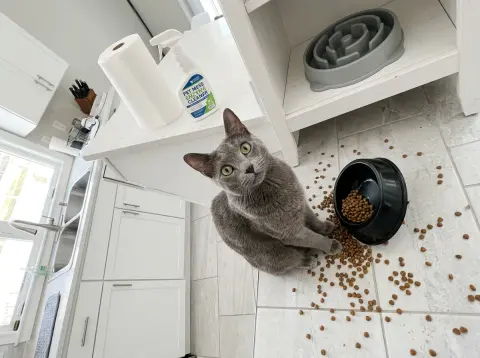
Cat Losing Hair in Patches: Causes and Fixes
Is your cat losing hair in patches? Discover common causes, from stress to parasites, and expert fixes to help your feline friend recover.
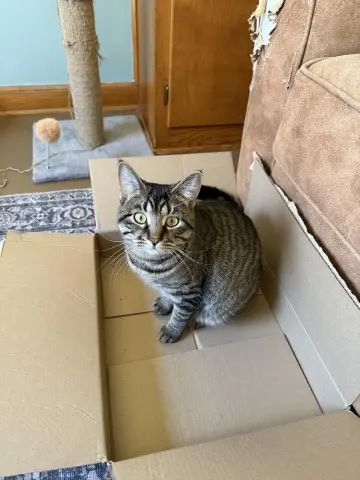
The American Shorthair descends from European cats brought to North America on ships like the Mayflower, where they earned their keep as skilled mousers. This medium-to-large breed weighs 8–15 pounds and boasts a powerful, well-proportioned build with a broad chest. Their dense, short coat comes in over 80 recognized colors and patterns, with the classic silver tabby being the most iconic.
American Shorthairs are easygoing, adaptable cats that strike a perfect balance between playful and laid-back. They are patient and gentle with children, coexist peacefully with other pets, and are content to entertain themselves when the family is busy. Their calm, even temperament and low-maintenance nature have made them one of America's most popular breeds for decades.
Ready to welcome an American Shorthair into your home? Browse available cats for adoption on Puplister.
Answer 5 quick questions to see how well this breed matches your lifestyle.
26 pets available
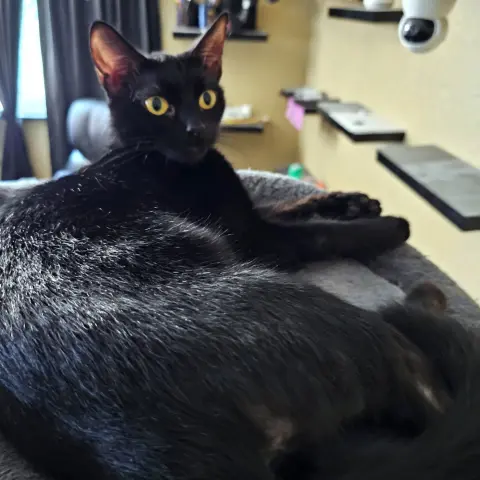
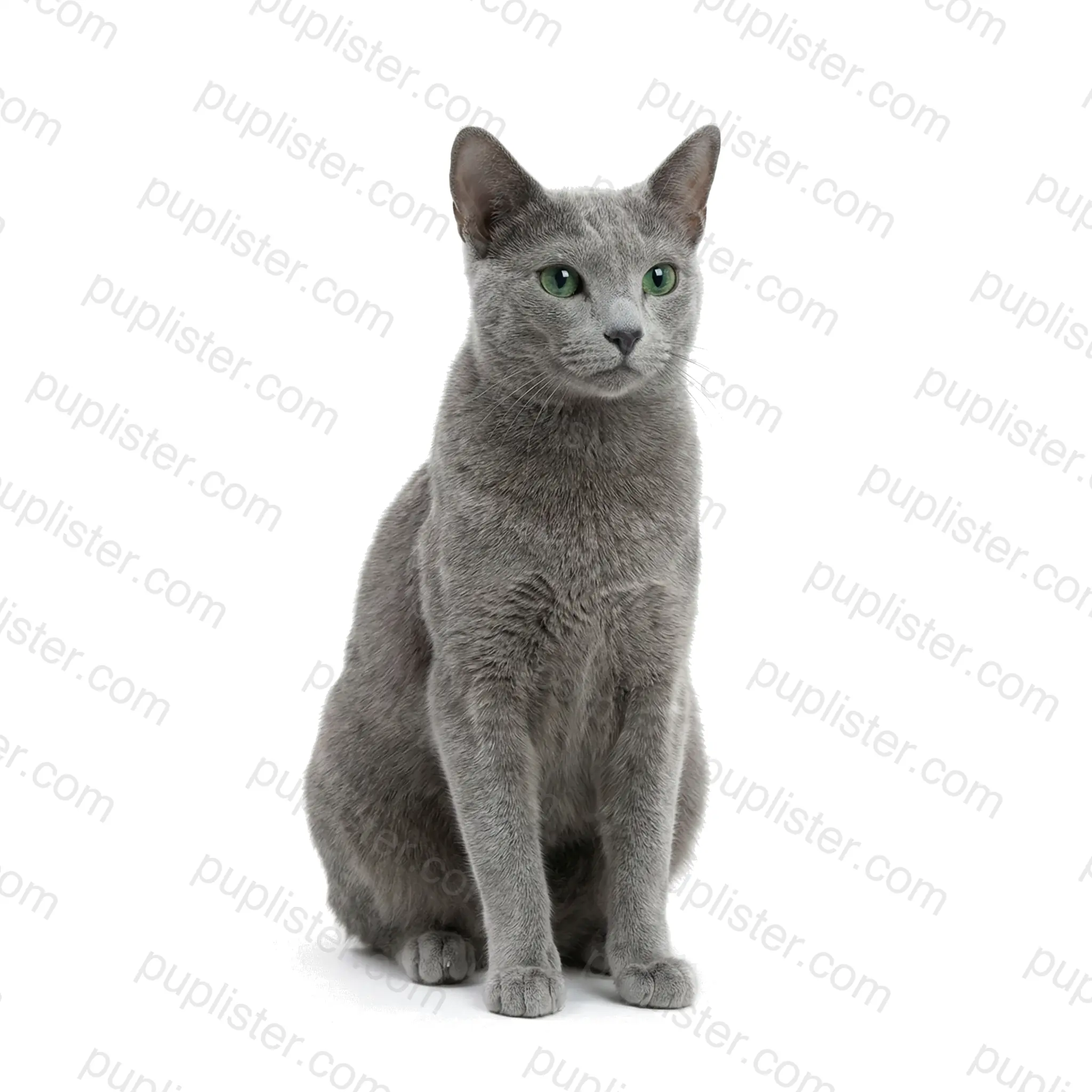
13About the Russian Blue The Russian Blue is a naturally occurring breed believed to have originated in the port city of Arkhangelsk (Archangel) in northern Russia, arriving in Europe aboard trade ships in the 1860s. This medium-sized cat weighs 7–12 pounds and is renowned for its dense, plush double coat of uniform blue-gray with silver-tipped guard hairs that give it a luminous shimmer. Its vivid emerald-green eyes, wedge-shaped head, and enigmatic "Mona Lisa smile" complete an unmistakably elegant look.Temperament & PersonalityRussian Blues are gentle, reserved cats that are intensely loyal to their families yet cautious around strangers. They are creatures of habit who thrive on routine — eating at the same time, playing in the same spots, and sleeping in their preferred perch. Once bonded, they are affectionate and playful, often fetching toys and entertaining themselves with quiet grace.ProsProduces lower levels of the Fel d 1 allergen — better tolerated by some allergy sufferersDense double coat is low-shedding and virtually maintenance-freeQuiet and well-mannered — rarely destructive or excessively vocalLong-lived breed with few genetic health issues — many reach 15–20 yearsConsShy and reserved with strangers — may hide during gatherings or partiesSensitive to change — can become stressed by moves, new pets, or schedule disruptionsProne to overeating and weight gain if food is left out freelyCan be slow to warm up to new family members or housematesCharmed by those emerald eyes and silver-tipped fur? Find Russian Blue cats ready for their forever homes on Puplister.
2 pets available
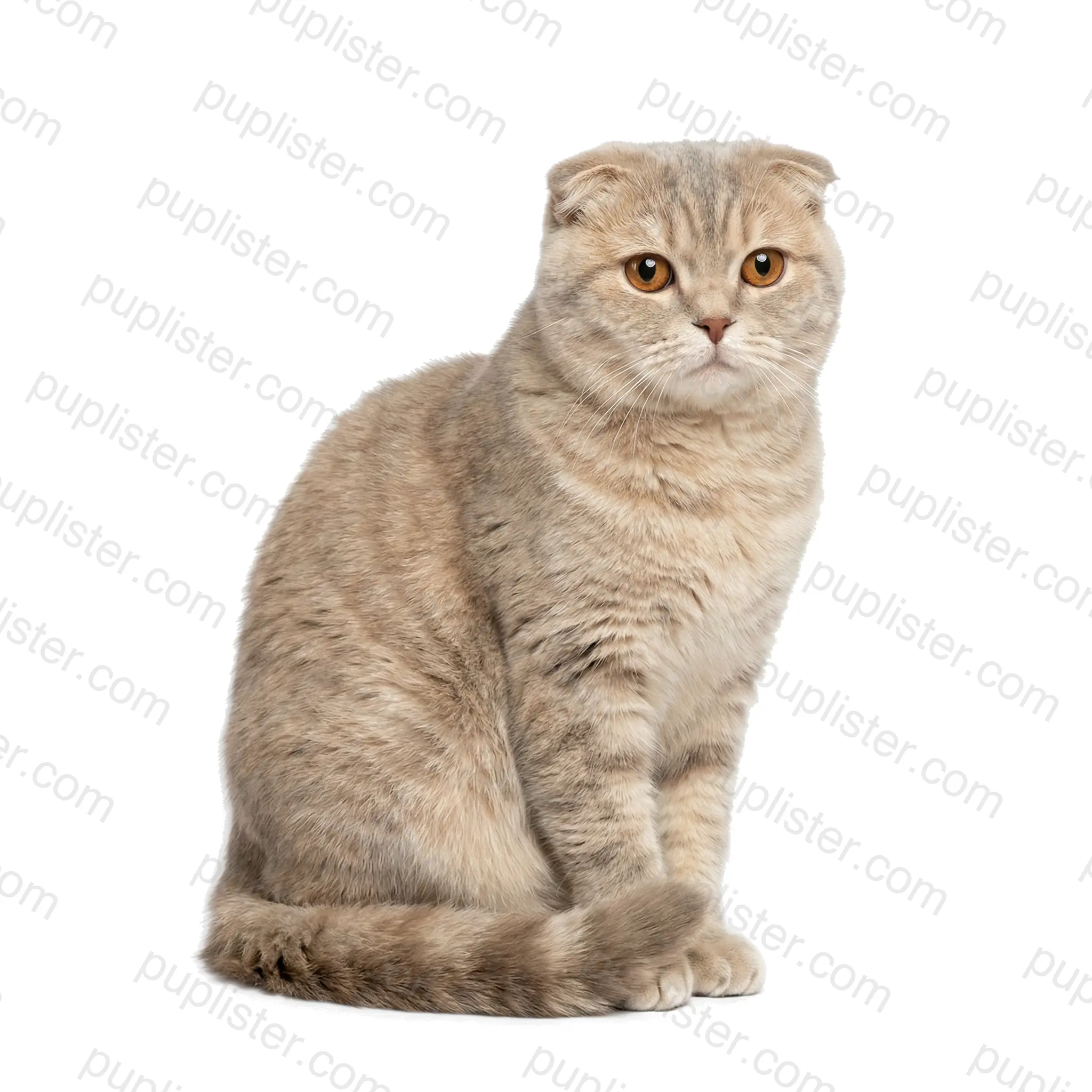
6About the Scottish Fold The Scottish Fold traces its origins to a single barn cat named Susie, found in Perthshire, Scotland, in 1961 — the first documented cat with the breed's signature forward-folding ears caused by a natural cartilage mutation. This medium-sized cat weighs 6–13 pounds, has a round head, large round eyes, and a stocky, well-padded body. Scottish Folds come in both longhair and shorthair varieties, in virtually every color and pattern including tabby, solid, bicolor, and calico.Temperament & PersonalityScottish Folds are sweet, easygoing cats known for their quirky habit of sitting in odd positions — including the "Buddha sit" with legs stretched out and paws resting on their belly. They are moderately active and enjoy interactive play without being hyperactive. Gentle with children and amiable with other pets, they adapt well to most living situations.ProsDistinctive, owl-like appearance with those signature folded earsCalm and adaptable — thrives in apartments, houses, and busy households alikeGood-natured and gentle with children and other animalsModerate energy level — playful but not demandingConsThe fold gene causes osteochondrodysplasia — painful cartilage and bone abnormalities in many catsMust never be bred fold-to-fold due to severe skeletal issues in offspringProne to arthritis, especially in the tail, ankles, and kneesEar fold makes them more susceptible to ear infections and wax buildupDrawn to those adorable folded ears and laid-back personality? Find Scottish Fold cats waiting for adoption on Puplister.
1 pet available
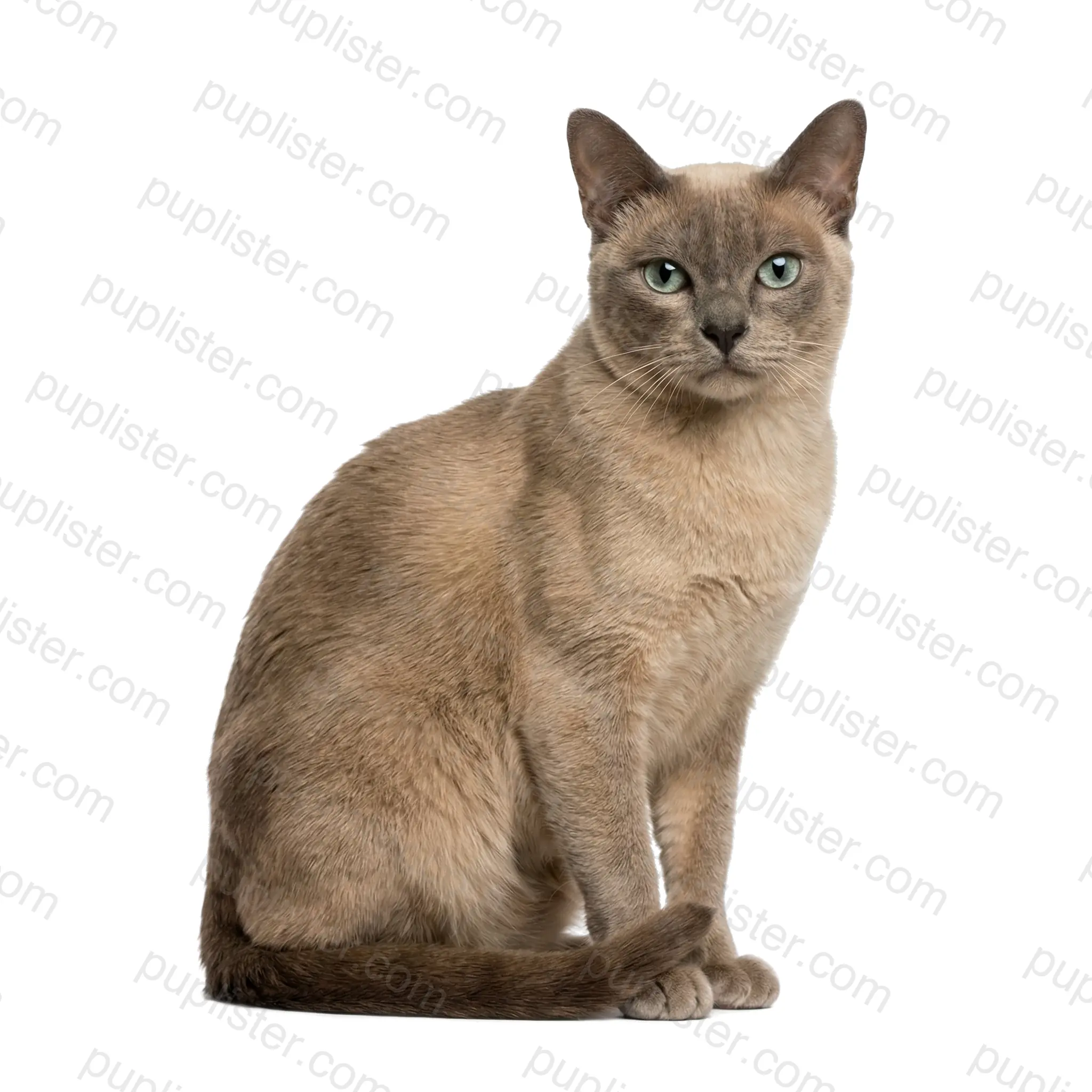
3About the Tonkinese The Tonkinese is a deliberate cross between the Siamese and the Burmese, first developed in the 1960s to blend the best of both breeds into one medium-sized, beautifully balanced cat. Weighing 6–12 pounds, the Tonkinese has a muscular, surprisingly heavy body for its size, a gently rounded wedge head, and stunning aqua-colored eyes — a hallmark of the breed's "mink" coat pattern. They also come in pointed (Siamese-style) and solid/sepia (Burmese-style) patterns in natural, champagne, blue, and platinum.Temperament & PersonalityTonkinese cats are the social butterflies of the cat world — outgoing, playful, and utterly devoted to their humans. They are less vocal than the Siamese but more active than the Burmese, striking a perfect balance. Known for their clown-like antics and love of games, they thrive in busy households with children, dogs, and other cats.ProsUnique aqua eyes in the mink pattern — unlike any other breedPerfect temperament balance — social and playful without being overly demandingGets along brilliantly with children, dogs, and other catsShort, silky coat needs virtually no groomingConsHates being alone — strongly recommended to have a companion petProne to inflammatory bowel disease and some dental issuesExtremely trusting — has zero survival instincts outdoorsHigh energy means they need daily interactive play to prevent boredomLooking for the perfect blend of Siamese and Burmese charm? Find Tonkinese cats available for adoption on Puplister and meet your aqua-eyed soulmate.
5 pets available
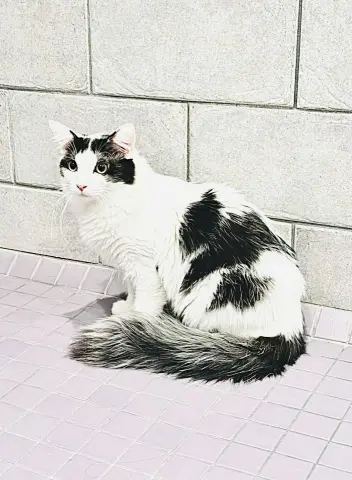
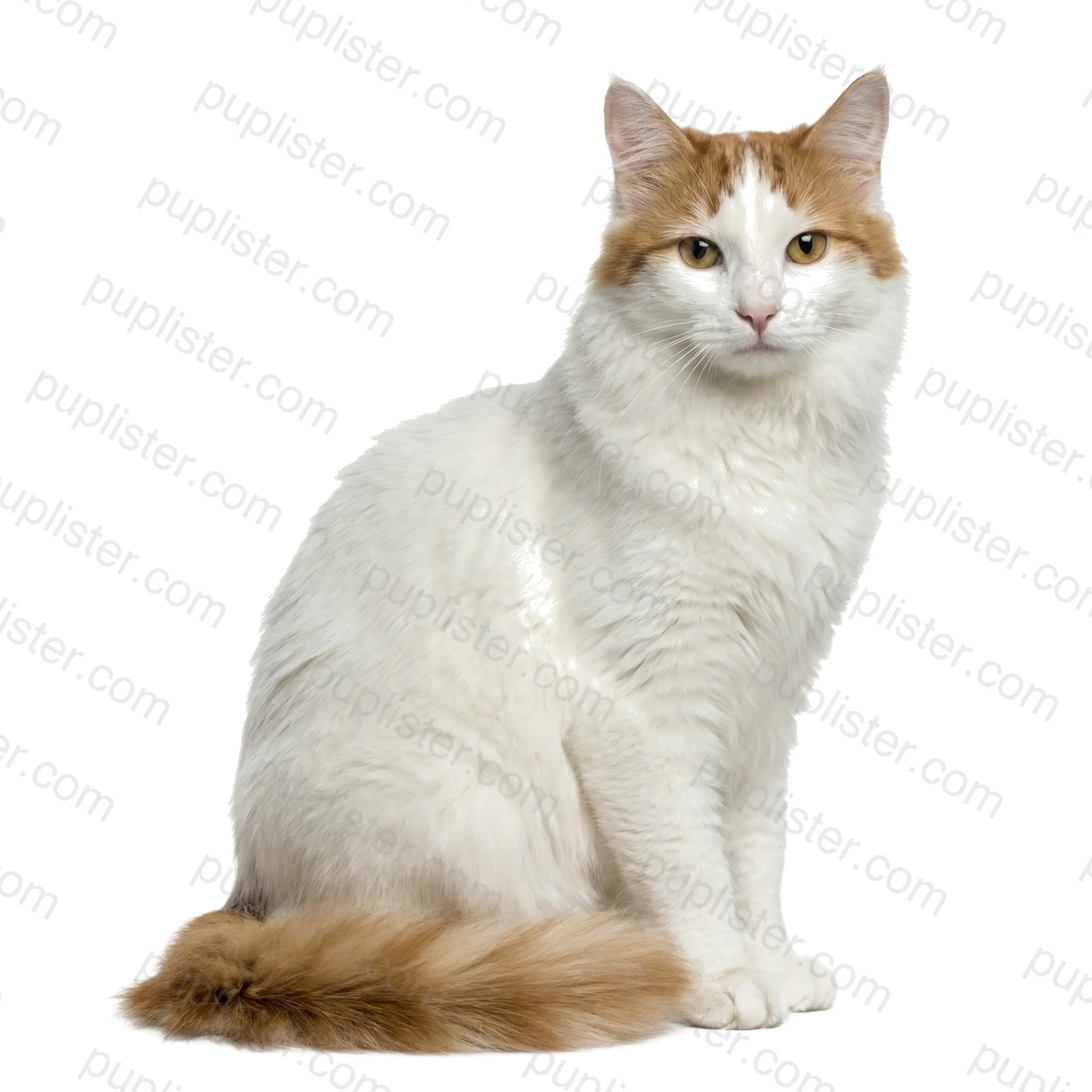
1About the Turkish Van The Turkish Van is a rare, naturally occurring breed from the Lake Van region of eastern Turkey, renowned as the "swimming cat" for its unusual love of water. This is a large, muscular cat weighing 10–18 pounds with a semi-long, cashmere-like single coat that is water-resistant and dries remarkably fast. The classic Van pattern features a predominantly chalk-white body with colored markings limited to the head and tail — typically in red, cream, black, blue, or tortoiseshell — though solid white and fully colored Vans also exist.Temperament & PersonalityTurkish Vans are energetic, independent, and famously fond of water — they may join you in the shower, play in the toilet, or splash in their water bowl. Intelligent and athletic, they love to climb, jump, and play vigorously. They bond closely with their family but can be selective about being held — they prefer to be near you rather than in your lap.ProsUnique love of water sets them apart from nearly every other breedCashmere-textured single coat is water-resistant, low-shedding, and rarely matsAthletic and playful — endlessly entertaining to watchHardy, naturally evolved breed with robust healthConsDoes not enjoy being held or restrained — wants affection on its own termsExtremely high energy — needs significant space and daily vigorous playWater obsession can create messes — toilet lids must stay closedAll-white Vans can be prone to deafness, similar to Turkish AngorasLooking for an adventurous water-lover unlike any other cat? Browse Turkish Van cats on Puplister and discover this remarkable swimming feline.
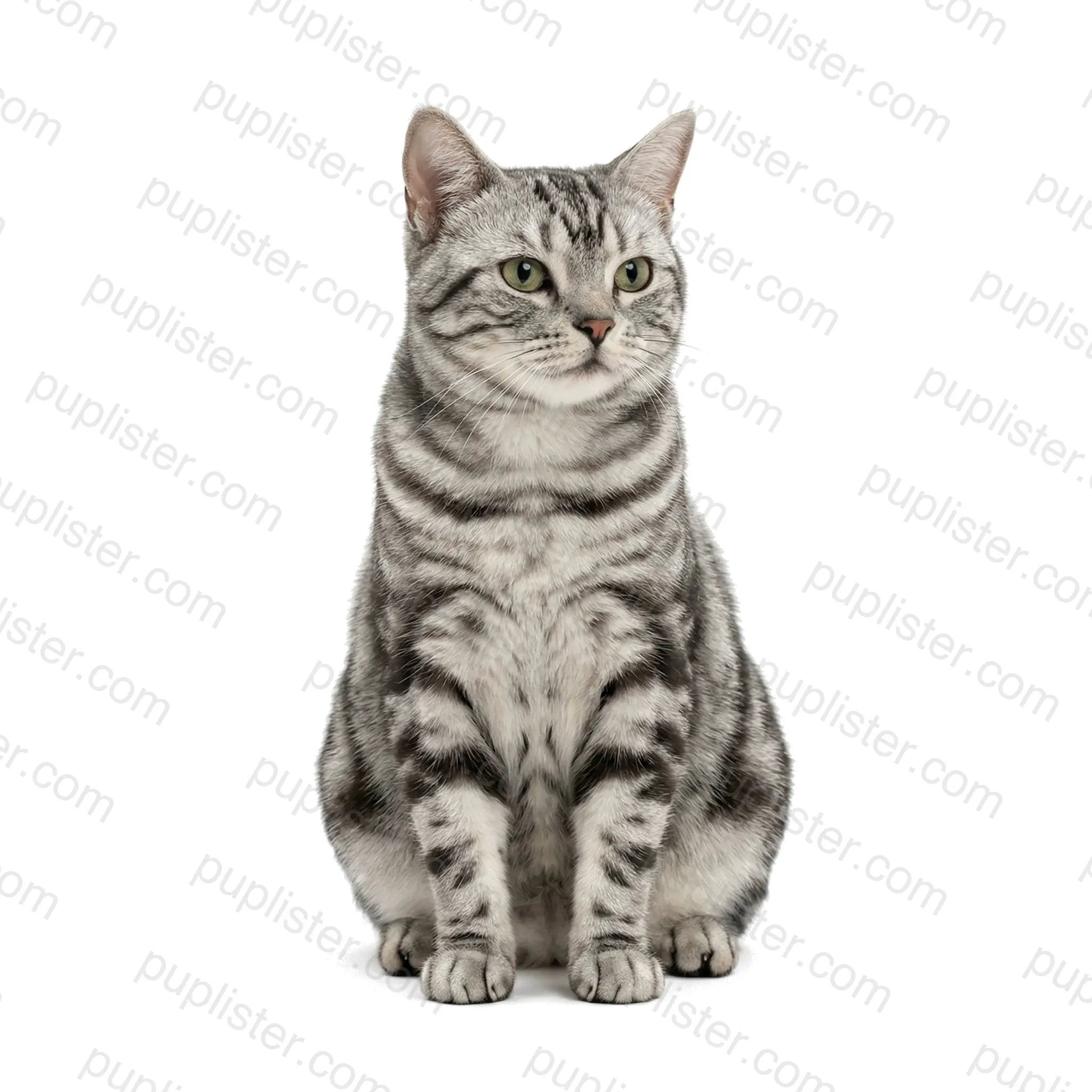
Is your cat losing hair in patches? Discover common causes, from stress to parasites, and expert fixes to help your feline friend recover.
Looking for the best automatic dog feeder? We reviewed the top 3 models for every budget. Find the perfect feeder for your dog in 2026.
Worried about your cat throwing up after eating? Learn the common and serious causes of feline regurgitation and vomiting, plus expert vet tips for.
Found a lump on your dog? Learn when to worry and when to wait for a lump on my dog, especially for adopted pets with unknown histories.