Russian Blue Russian Blue

Russian Blue

13
Quiet Gentle Shy Loyal

About the Russian Blue

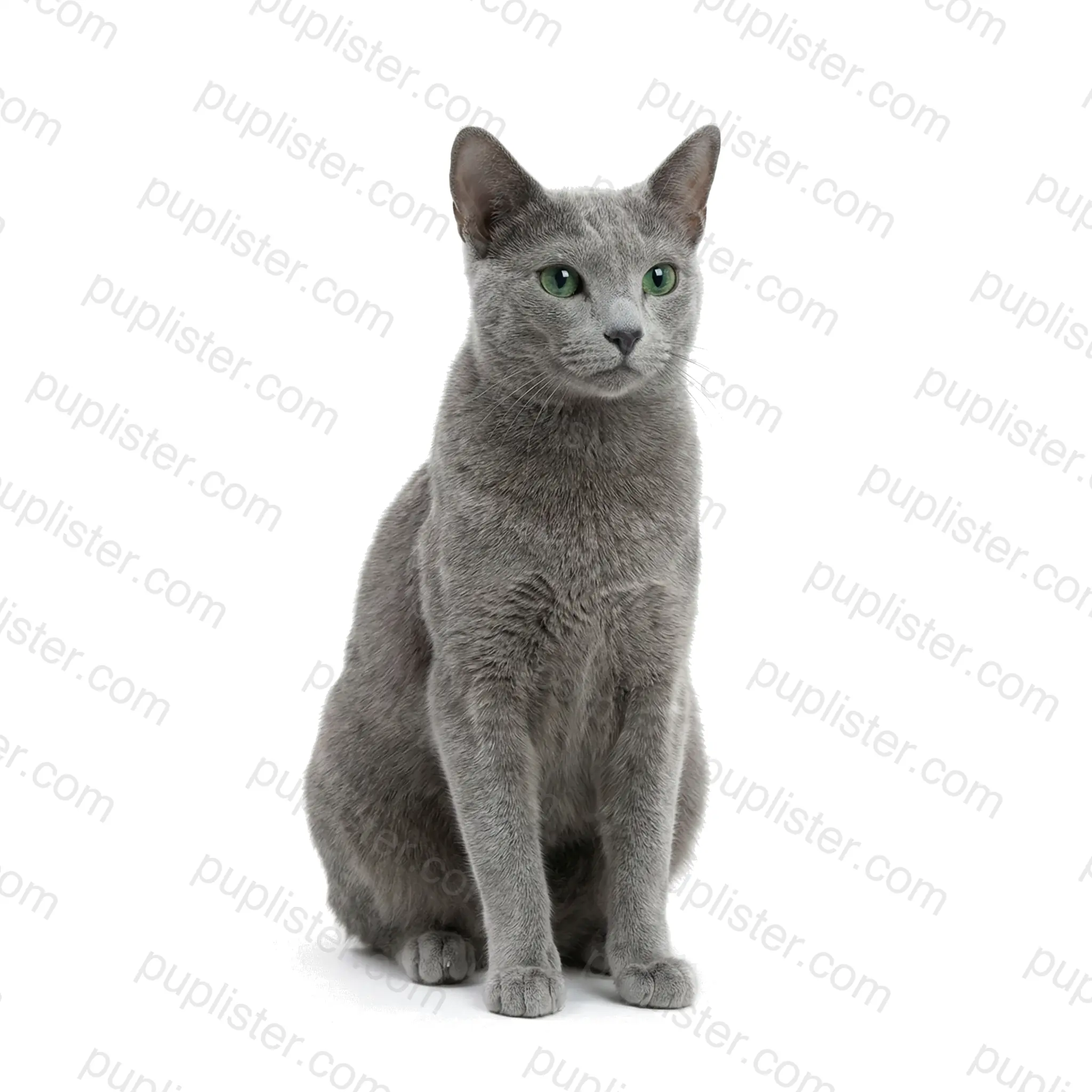
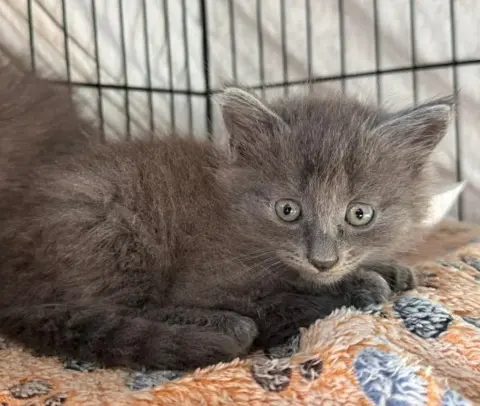
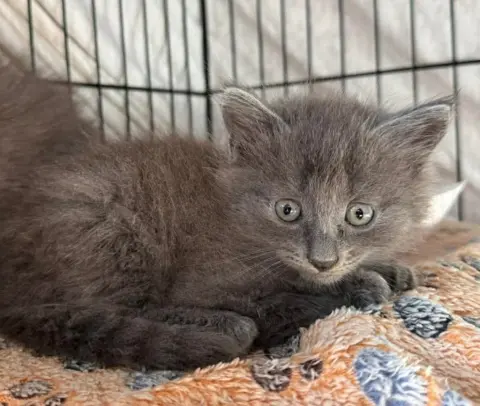
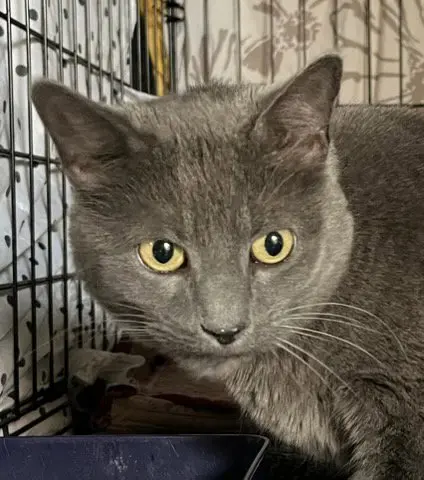
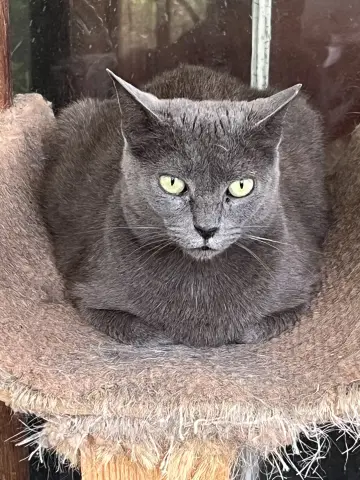
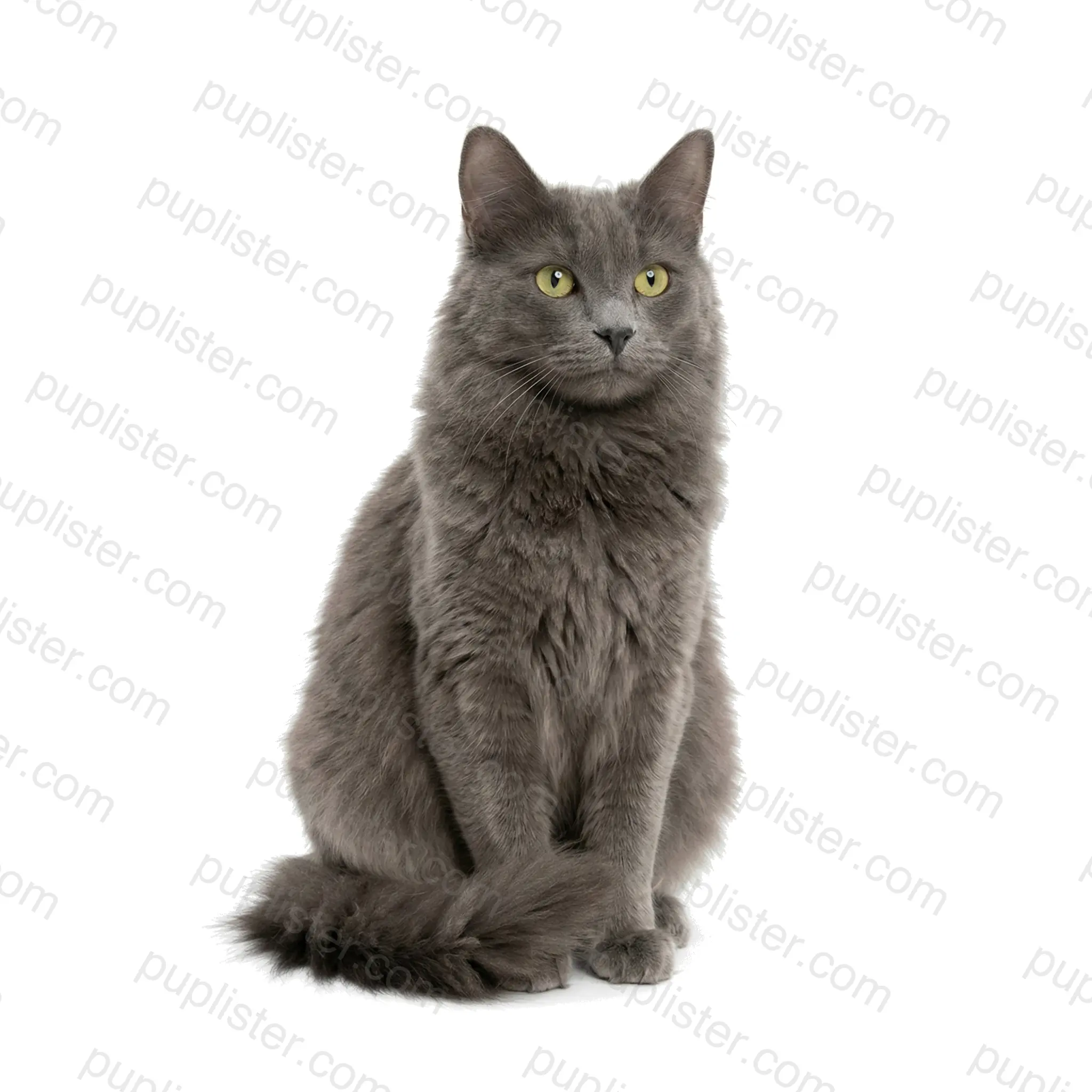
The Russian Blue is a naturally occurring breed believed to have originated in the port city of Arkhangelsk (Archangel) in northern Russia, arriving in Europe aboard trade ships in the 1860s. This medium-sized cat weighs 7–12 pounds and is renowned for its dense, plush double coat of uniform blue-gray with silver-tipped guard hairs that give it a luminous shimmer. Its vivid emerald-green eyes, wedge-shaped head, and enigmatic "Mona Lisa smile" complete an unmistakably elegant look.

Temperament & Personality

Russian Blues are gentle, reserved cats that are intensely loyal to their families yet cautious around strangers. They are creatures of habit who thrive on routine — eating at the same time, playing in the same spots, and sleeping in their preferred perch. Once bonded, they are affectionate and playful, often fetching toys and entertaining themselves with quiet grace.

Pros

  • Produces lower levels of the Fel d 1 allergen — better tolerated by some allergy sufferers
  • Dense double coat is low-shedding and virtually maintenance-free
  • Quiet and well-mannered — rarely destructive or excessively vocal
  • Long-lived breed with few genetic health issues — many reach 15–20 years

Cons

  • Shy and reserved with strangers — may hide during gatherings or parties
  • Sensitive to change — can become stressed by moves, new pets, or schedule disruptions
  • Prone to overeating and weight gain if food is left out freely
  • Can be slow to warm up to new family members or housemates

Charmed by those emerald eyes and silver-tipped fur? Find Russian Blue cats ready for their forever homes on Puplister.

Russian Blue Quick Facts

Size
7–12 lbs
Lifespan
15–20 years
Exercise
Moderate
Grooming
Low
Good with Kids
Yes
Good with Pets
Yes

Is the Russian Blue right for you?

Answer 5 quick questions to see how well this breed matches your lifestyle.

Take the Quiz

Available Russian Blues

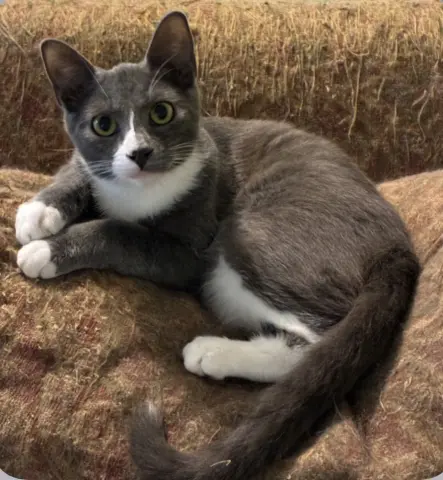
Petey
Senior
Petey
M

Russian Blue

Humane Society Of Broward County · Fort Lauderdale, FL
Bambi
Baby
Bambi
S

Russian Blue

ArkanPaws Animal Rescue · Conway, AR
Nina
Baby
Nina
M

Russian Blue

Happy Days Pet Rescue · Oakland Park, FL
Nutmeg
Baby
Nutmeg
M

Russian Blue

Happy Days Pet Rescue · Oakland Park, FL
Tokyo
Baby
Tokyo
M

Russian Blue / Mixed

Homeless & Orphaned Pets Endeavor · Houston, TX
Charlotte
Baby

Russian Blue / Mixed

The Cat House On The Kings · Parlier, CA
Miso
Young
Miso
L

Russian Blue / Mixed

ArkanPaws Animal Rescue · Conway, AR
George
Baby
George
S

Russian Blue

Stray No More · Los Angeles, CA

Related Breeds

Scottish Fold

2 pets available

6

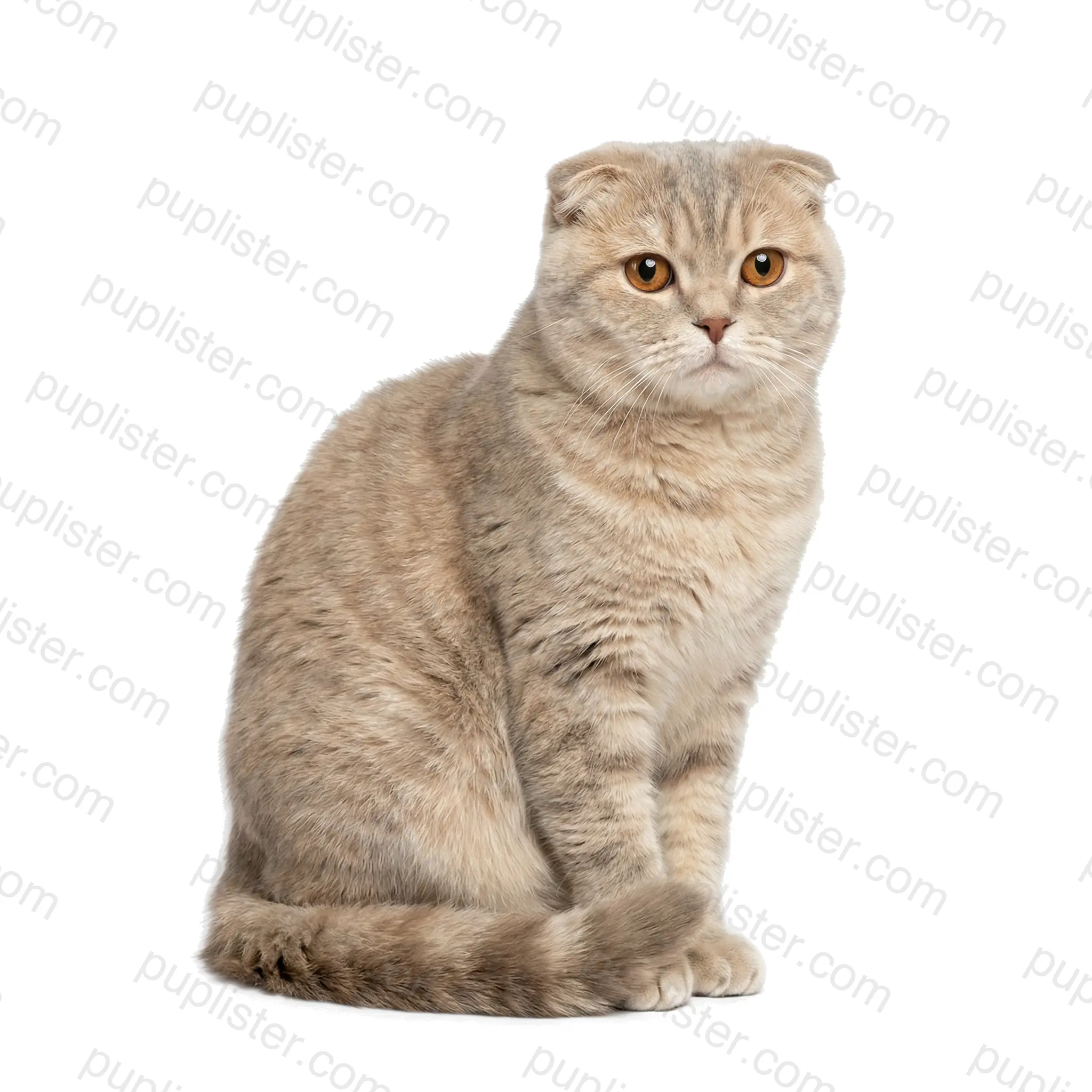
About the Scottish Fold The Scottish Fold traces its origins to a single barn cat named Susie, found in Perthshire, Scotland, in 1961 — the first documented cat with the breed's signature forward-folding ears caused by a natural cartilage mutation. This medium-sized cat weighs 6–13 pounds, has a round head, large round eyes, and a stocky, well-padded body. Scottish Folds come in both longhair and shorthair varieties, in virtually every color and pattern including tabby, solid, bicolor, and calico.Temperament & PersonalityScottish Folds are sweet, easygoing cats known for their quirky habit of sitting in odd positions — including the "Buddha sit" with legs stretched out and paws resting on their belly. They are moderately active and enjoy interactive play without being hyperactive. Gentle with children and amiable with other pets, they adapt well to most living situations.ProsDistinctive, owl-like appearance with those signature folded earsCalm and adaptable — thrives in apartments, houses, and busy households alikeGood-natured and gentle with children and other animalsModerate energy level — playful but not demandingConsThe fold gene causes osteochondrodysplasia — painful cartilage and bone abnormalities in many catsMust never be bred fold-to-fold due to severe skeletal issues in offspringProne to arthritis, especially in the tail, ankles, and kneesEar fold makes them more susceptible to ear infections and wax buildupDrawn to those adorable folded ears and laid-back personality? Find Scottish Fold cats waiting for adoption on Puplister.

Turkish Van

5 pets available

1

About the Turkish Van The Turkish Van is a rare, naturally occurring breed from the Lake Van region of eastern Turkey, renowned as the "swimming cat" for its unusual love of water. This is a large, muscular cat weighing 10–18 pounds with a semi-long, cashmere-like single coat that is water-resistant and dries remarkably fast. The classic Van pattern features a predominantly chalk-white body with colored markings limited to the head and tail — typically in red, cream, black, blue, or tortoiseshell — though solid white and fully colored Vans also exist.Temperament & PersonalityTurkish Vans are energetic, independent, and famously fond of water — they may join you in the shower, play in the toilet, or splash in their water bowl. Intelligent and athletic, they love to climb, jump, and play vigorously. They bond closely with their family but can be selective about being held — they prefer to be near you rather than in your lap.ProsUnique love of water sets them apart from nearly every other breedCashmere-textured single coat is water-resistant, low-shedding, and rarely matsAthletic and playful — endlessly entertaining to watchHardy, naturally evolved breed with robust healthConsDoes not enjoy being held or restrained — wants affection on its own termsExtremely high energy — needs significant space and daily vigorous playWater obsession can create messes — toilet lids must stay closedAll-white Vans can be prone to deafness, similar to Turkish AngorasLooking for an adventurous water-lover unlike any other cat? Browse Turkish Van cats on Puplister and discover this remarkable swimming feline.

Toyger
Toyger Cat

2 pets available

6

About the Toyger The Toyger — "toy tiger" — was developed beginning in 1993 by Judy Sugden in the United States, who selectively bred domestic shorthair tabbies to create a cat that resembles a miniature tiger. Weighing 7–15 pounds, this medium-to-large muscular cat features a long, low-slung body, small rounded ears, and a striking coat of bold, vertically aligned dark stripes (called "branching") on a vivid orange-tan background with a white-lightened belly — the goal being as close to a tiger's pattern as possible.Temperament & PersonalityDespite their wild appearance, Toygers are easygoing, friendly cats that enjoy human company and adapt well to indoor living. They are intelligent and trainable, readily learning to walk on a leash, play fetch, and perform tricks. Social and relaxed, they do well with children and other pets, showing none of the intensity of actual wild-hybrid breeds.ProsSpectacular tiger-like appearance with no wild cat bloodlinesLaid-back and friendly — easier to manage than most exotic-looking breedsIntelligent and trainable — enjoys learning tricks and leash walkingShort coat requires minimal groomingConsVery rare and expensive — limited availability through breedersBreed is still in development — the gene pool remains smallMay inherit heart murmurs from some breeding linesHigh price tag and rarity make adoption opportunities uncommonWant a living room tiger without the wild side? Keep an eye on Puplister for Toyger cats and kittens seeking loving homes.

Snowshoe
Snowshoe Cat

16 pets available

3

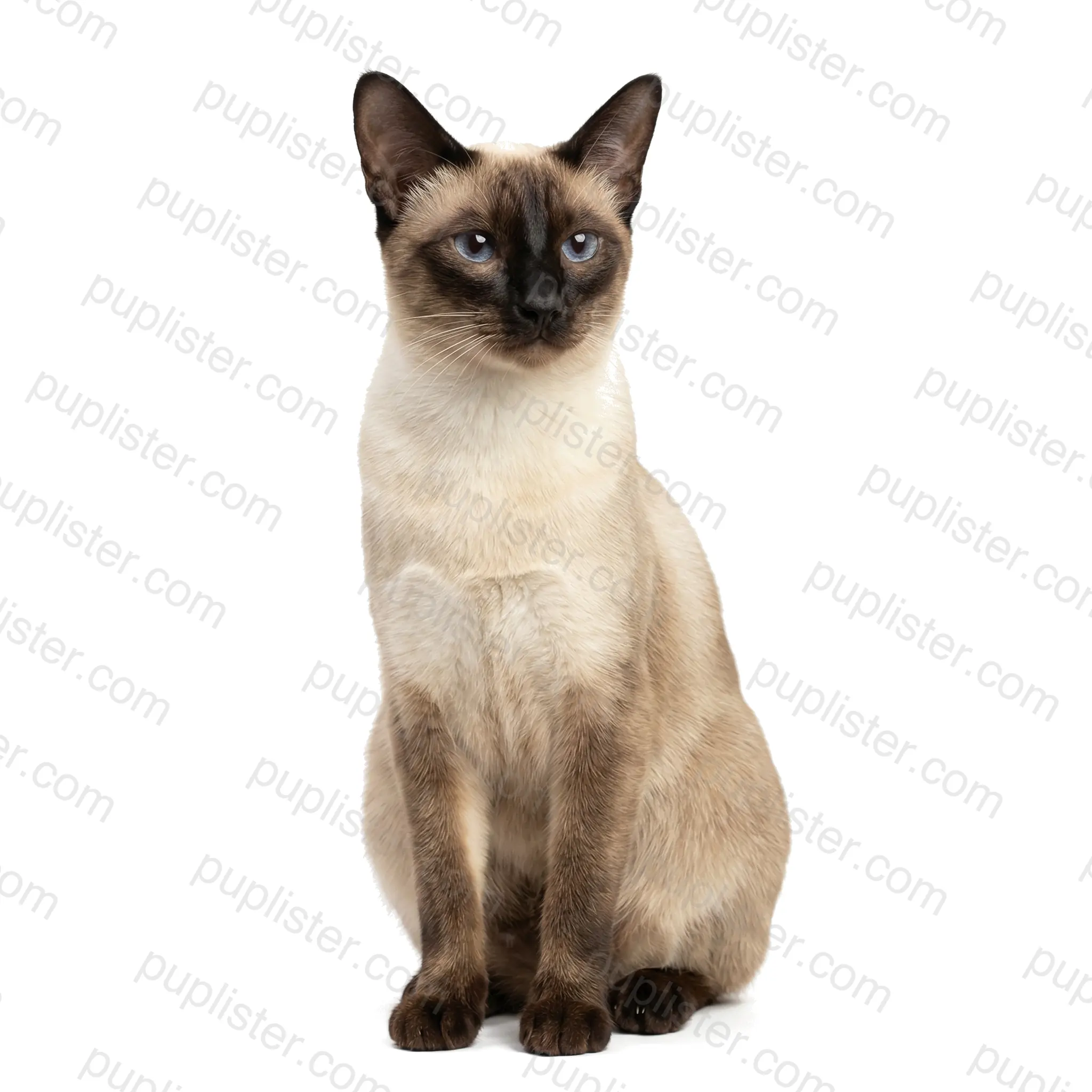
About the Snowshoe The Snowshoe was developed in the 1960s in Philadelphia by crossing Siamese cats with American Shorthairs, creating a pointed cat with distinctive white "boots" on all four paws. This medium-sized breed weighs 7–12 pounds and combines the Siamese's colorpoint pattern with a more robust, moderately stocky build. Their short, smooth coat comes in seal point and blue point, always featuring white paws, an inverted white "V" on the face, and striking blue eyes.Temperament & PersonalitySnowshoes are vocal, social cats that inherit the Siamese's love of conversation but with a softer, more melodic voice. They are playful and intelligent, often learning to open doors and turn on faucets — many Snowshoes are fascinated by running water. They bond closely with their families and can become distressed if left alone for long periods.ProsStriking, unique appearance — the white boots and facial markings are hard to resistVocal but softer-voiced than the Siamese — communicative without being overwhelmingIntelligent and playful — enjoys puzzle toys, fetch, and learning tricksAffectionate and loyal — bonds deeply with family membersConsProne to separation anxiety — needs companionship throughout the dayMarkings are unpredictable — "show-quality" pattern is notoriously difficult to breed consistentlyCan be sensitive and moody — may sulk if they feel ignoredInherited health concerns from Siamese lines, including dental and heart issuesLove the Siamese look with a twist? Browse Snowshoe cats seeking their perfect families on Puplister today.

Related Articles

Frequently Asked Questions

What are the key traits of a Russian Blue?
The Russian Blue is known for being quiet, gentle, shy and loyal.
How many Russian Blues are available for adoption?
There are currently 26 Russian Blues available for adoption on Puplister. Browse the listings above to find your perfect match.
How do I adopt a Russian Blue from Puplister?
To adopt a Russian Blue, browse the available listings on this page, click on a pet you're interested in, and contact the shelter directly through their profile page.