Can You Adopt a Cat on a Tight Budget?
Adopting a cat doesn't have to be expensive. With smart budgeting and the right resources, even those on a tight income can provide a loving, healthy home for a feline companion.
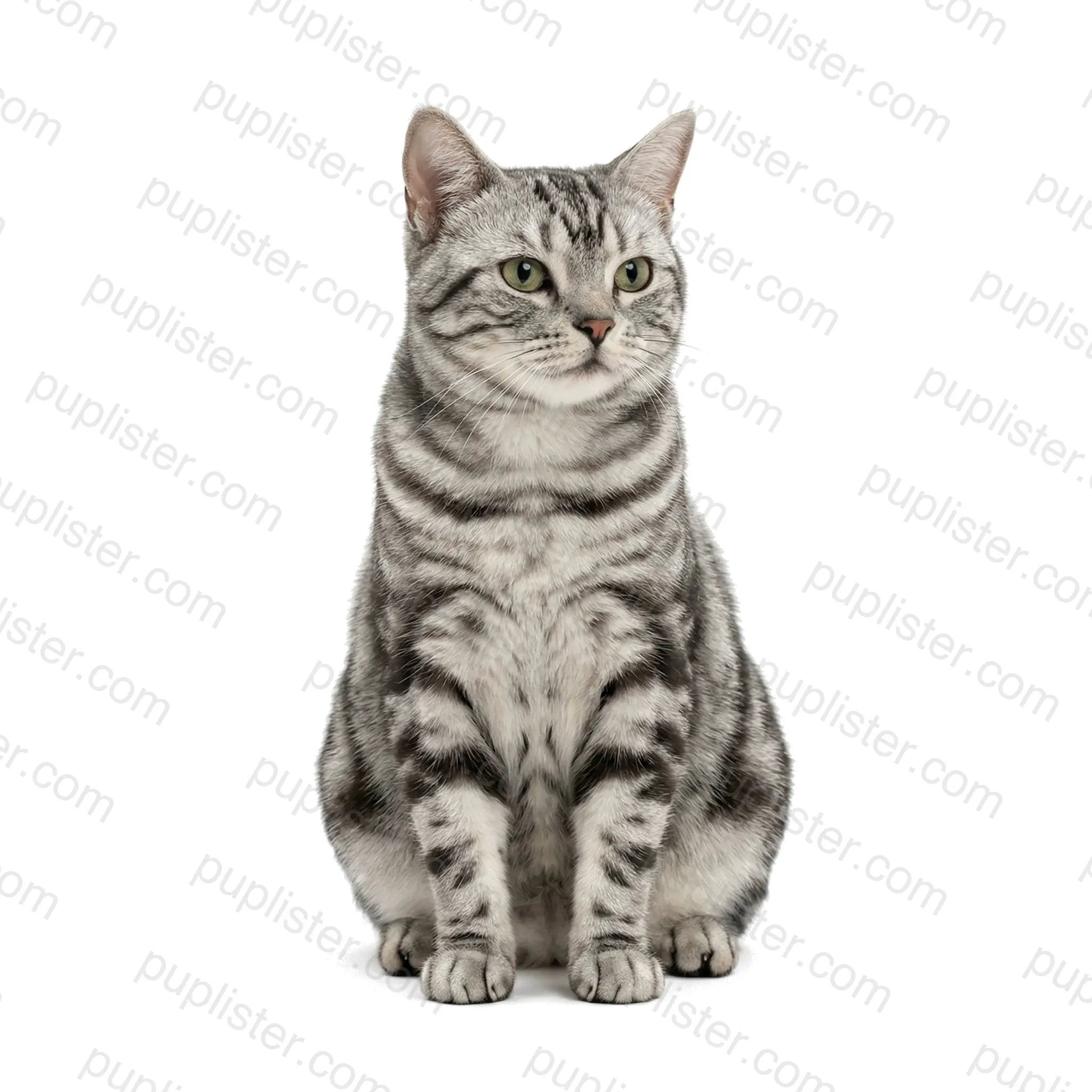
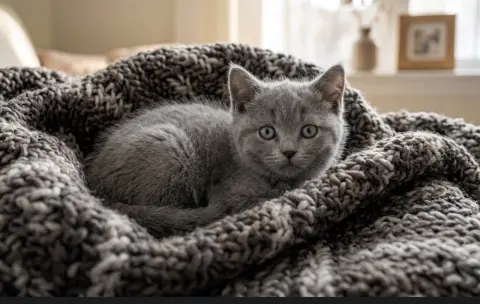
The American Shorthair descends from European cats brought to North America on ships like the Mayflower, where they earned their keep as skilled mousers. This medium-to-large breed weighs 8–15 pounds and boasts a powerful, well-proportioned build with a broad chest. Their dense, short coat comes in over 80 recognized colors and patterns, with the classic silver tabby being the most iconic.
American Shorthairs are easygoing, adaptable cats that strike a perfect balance between playful and laid-back. They are patient and gentle with children, coexist peacefully with other pets, and are content to entertain themselves when the family is busy. Their calm, even temperament and low-maintenance nature have made them one of America's most popular breeds for decades.
Ready to welcome an American Shorthair into your home? Browse available cats for adoption on Puplister.
Answer 5 quick questions to see how well this breed matches your lifestyle.
69 pets available
72About the Siamese The Siamese is one of the most iconic and ancient cat breeds, originating in the kingdom of Siam (now Thailand) and first documented in the Tamra Maew ("The Cat-Book Poems") dating to the 14th century. This sleek, muscular cat weighs 6–14 pounds and is immediately recognizable by its striking colorpoint pattern — a pale cream or fawn body with darker coloring on the face, ears, paws, and tail. The four traditional point colors are seal, chocolate, blue, and lilac, all paired with vivid sapphire-blue almond-shaped eyes.Temperament & PersonalitySiamese cats are among the most vocal and opinionated cats in the world — they will narrate their day in a loud, distinctive raspy voice and expect you to listen. They are fiercely loyal, deeply social, and form intense bonds with their owners, often becoming a one-person cat. Intelligent and active, they need constant stimulation and do best with a companion — whether human, feline, or canine.ProsStrikingly beautiful with mesmerizing blue eyes and elegant linesExceptionally intelligent — can learn tricks, walk on a leash, and solve puzzle toysDeeply bonded and loyal to their chosen personShort, fine coat requires almost no groomingConsExtremely vocal — constant loud meowing is not for everyoneProne to severe separation anxiety and can become destructive when left aloneSusceptible to amyloidosis, asthma, progressive retinal atrophy, and crossed eyesDemanding of attention — may become jealous of other pets or family membersReady for a devoted, chatty companion who will never let you feel alone? Find Siamese cats waiting for their forever families on Puplister.
2 pets available
5About the Turkish Angora The Turkish Angora is an ancient, naturally occurring breed from central Turkey — specifically the Ankara region — and is one of the oldest known longhaired cat breeds. This small-to-medium cat weighs 5–10 pounds and possesses a graceful, balletic build with a long, plumed tail, silky single-layer coat (no undercoat), and large, walnut-shaped eyes. While white is the most iconic color — often with striking odd eyes (one blue, one amber) — Turkish Angoras come in nearly every color and pattern except pointed.Temperament & PersonalityTurkish Angoras are spirited, intelligent cats that love to be at the center of the action. They are natural athletes — leaping to the highest shelf, opening doors, and inventing games to entertain themselves. Affectionate and strong-willed, they will happily greet guests and supervise every household activity, often choosing one family member as their primary favorite.ProsElegant, silky coat has no undercoat — sheds less and rarely matsHighly intelligent and entertaining — always inventing new games and tricksSocial and welcoming with guests and family alikeNaturally healthy breed with excellent longevity — many live 15–20 yearsConsWhite cats with blue eyes have a high incidence of congenital deafnessStrong-willed and mischievous — can be stubborn about rulesDemands attention and may become disruptive if ignoredProne to ataxia (a hereditary neurological condition) in some linesEntranced by this ancient Turkish treasure? Find Turkish Angora cats looking for loving homes on Puplister and add a touch of grace to your life.
5 pets available
3About the Turkish Van The Turkish Van is a rare, naturally occurring breed from the Lake Van region of eastern Turkey, renowned as the "swimming cat" for its unusual love of water. This is a large, muscular cat weighing 10–18 pounds with a semi-long, cashmere-like single coat that is water-resistant and dries remarkably fast. The classic Van pattern features a predominantly chalk-white body with colored markings limited to the head and tail — typically in red, cream, black, blue, or tortoiseshell — though solid white and fully colored Vans also exist.Temperament & PersonalityTurkish Vans are energetic, independent, and famously fond of water — they may join you in the shower, play in the toilet, or splash in their water bowl. Intelligent and athletic, they love to climb, jump, and play vigorously. They bond closely with their family but can be selective about being held — they prefer to be near you rather than in your lap.ProsUnique love of water sets them apart from nearly every other breedCashmere-textured single coat is water-resistant, low-shedding, and rarely matsAthletic and playful — endlessly entertaining to watchHardy, naturally evolved breed with robust healthConsDoes not enjoy being held or restrained — wants affection on its own termsExtremely high energy — needs significant space and daily vigorous playWater obsession can create messes — toilet lids must stay closedAll-white Vans can be prone to deafness, similar to Turkish AngorasLooking for an adventurous water-lover unlike any other cat? Browse Turkish Van cats on Puplister and discover this remarkable swimming feline.
3 pets available
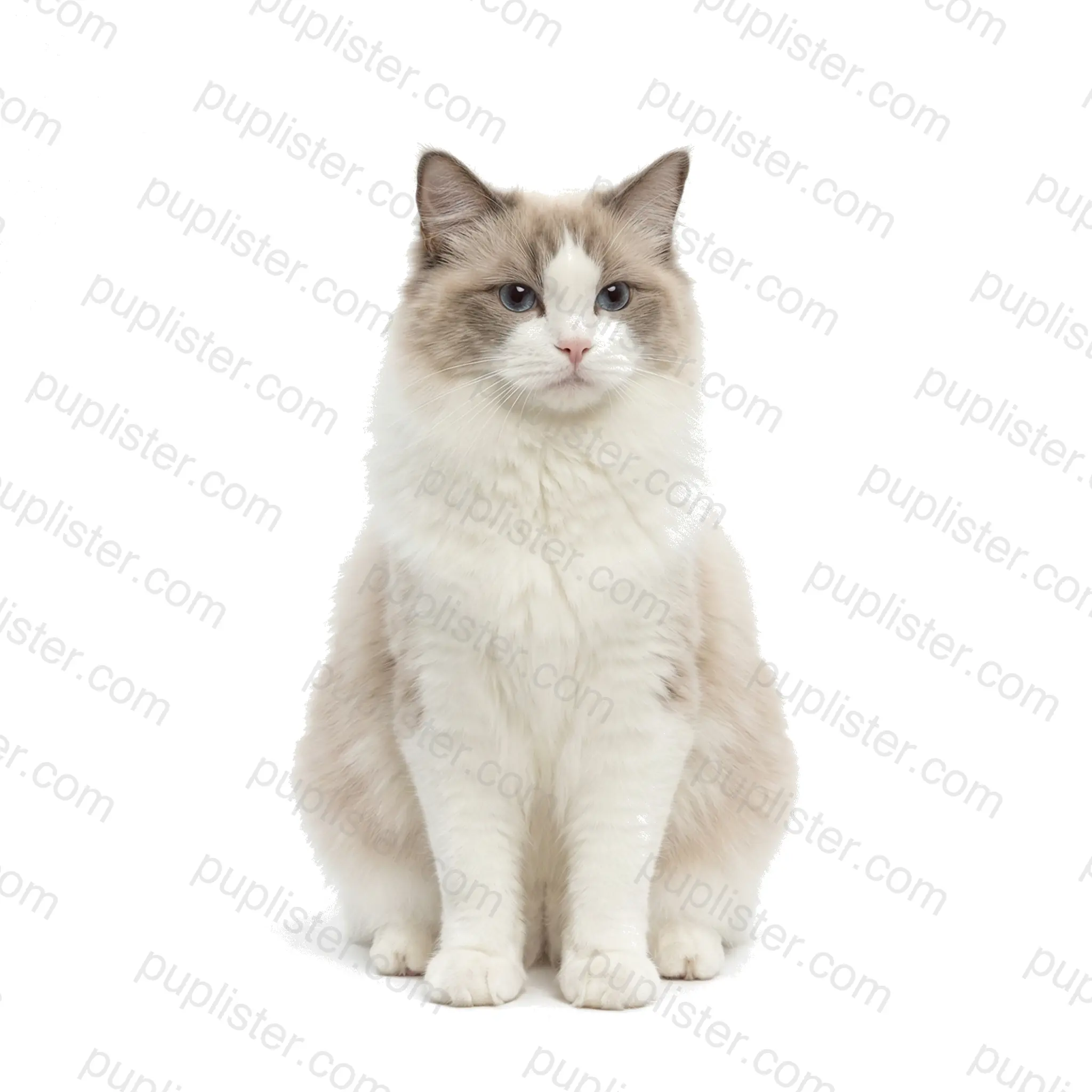
11About the Ragamuffin The Ragamuffin emerged in the 1990s as a separate breed from the Ragdoll, developed by breeders who wanted to expand the gene pool and introduce a wider array of colors and patterns. This is a large, heavy cat — weighing 10–20 pounds — with a broad chest, substantial bone structure, and a plush, rabbit-soft coat that resists matting. Ragamuffins come in every color and pattern, including mink, sepia, solid, and bicolor variations not found in Ragdolls.Temperament & PersonalityRagamuffins are exceptionally docile, trusting cats often described as "puppy-like" in their devotion. They greet visitors at the door, follow family members from room to room, and love being held — often going completely limp when picked up. Their patience and gentle nature make them outstanding companions for children and multi-pet households.ProsIncredibly gentle and patient — one of the best breeds for families with young childrenPlush coat resists matting and requires only moderate groomingAvailable in virtually every color and pattern imaginableAdaptable and easygoing — adjusts well to new environments and routinesConsLarge appetite and tendency toward obesity require careful portion controlTrusting nature means they have zero street smarts — strictly indoor onlyProne to hypertrophic cardiomyopathy and polycystic kidney diseaseSlow to mature — does not reach full size and coat until about four years oldReady for a big, cuddly companion who adores everyone? Explore Ragamuffin cats looking for loving homes on Puplister.
Adopting a cat doesn't have to be expensive. With smart budgeting and the right resources, even those on a tight income can provide a loving, healthy home for a feline companion.
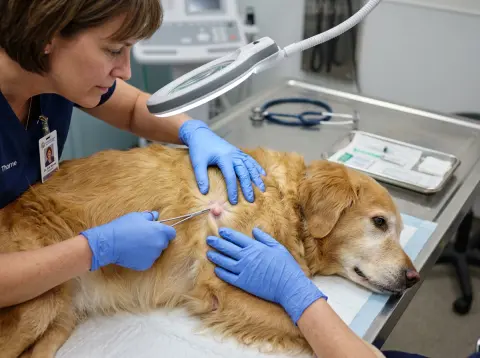
Found a lump on your dog? Learn when to worry and when to wait for a lump on my dog, especially for adopted pets with unknown histories.
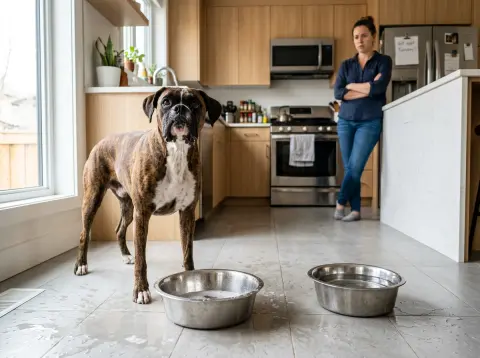
Looking for the best GPS tracker for your dog? We reviewed the top 4 models for every budget — from $28 to $105. Find your perfect tracker in 2026.
Worried about your cat throwing up after eating? Learn the common and serious causes of feline regurgitation and vomiting, plus expert vet tips for.