Why Does My Cat Throw Up After Eating? Causes
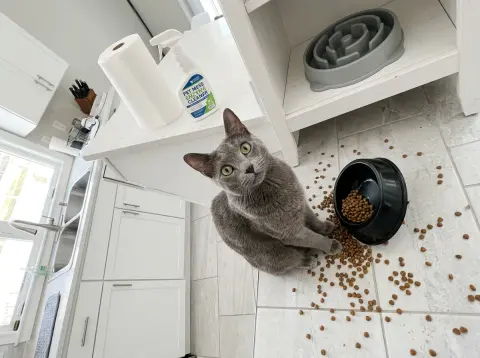
Worried about your cat throwing up after eating? Learn the common and serious causes of feline regurgitation and vomiting, plus expert vet tips for.
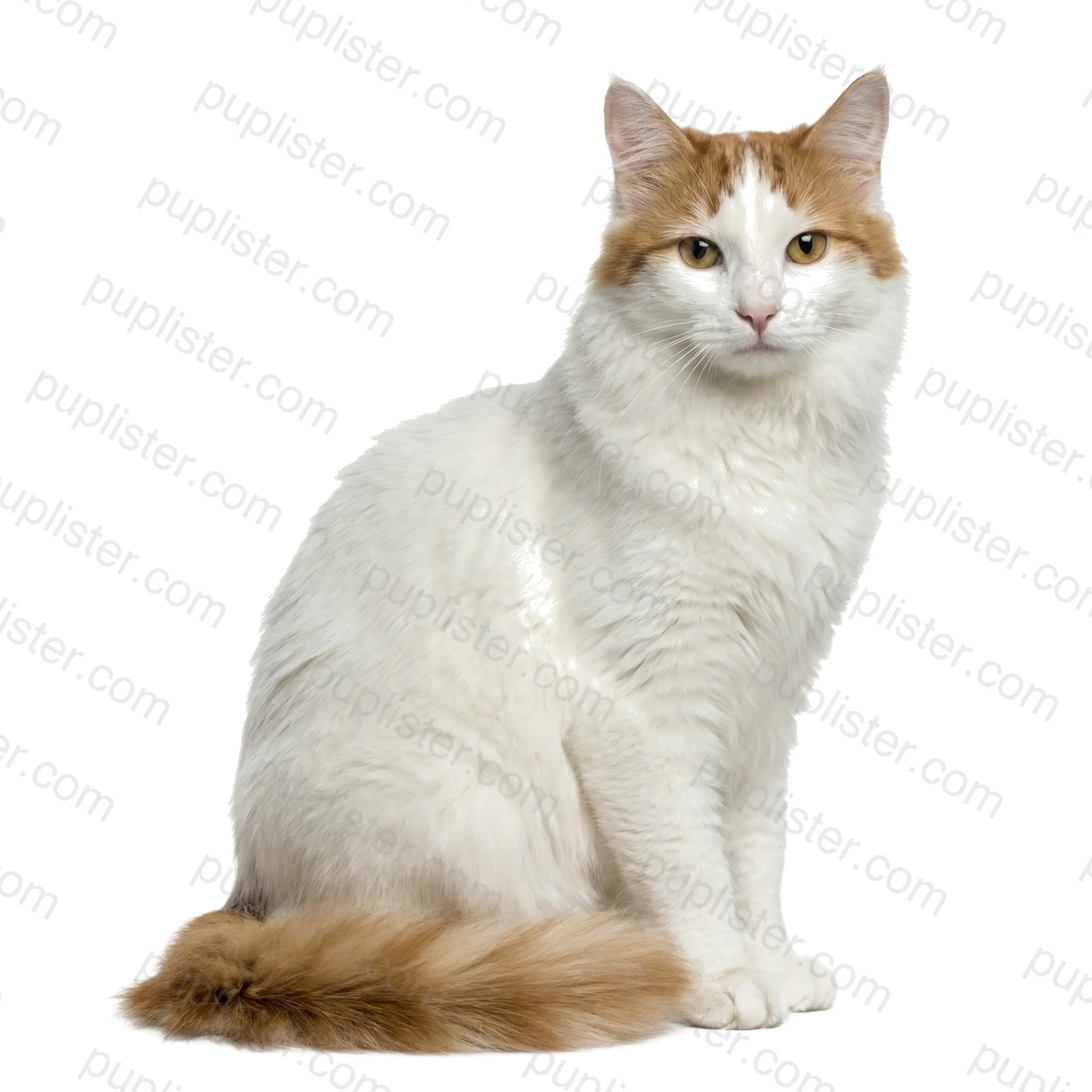
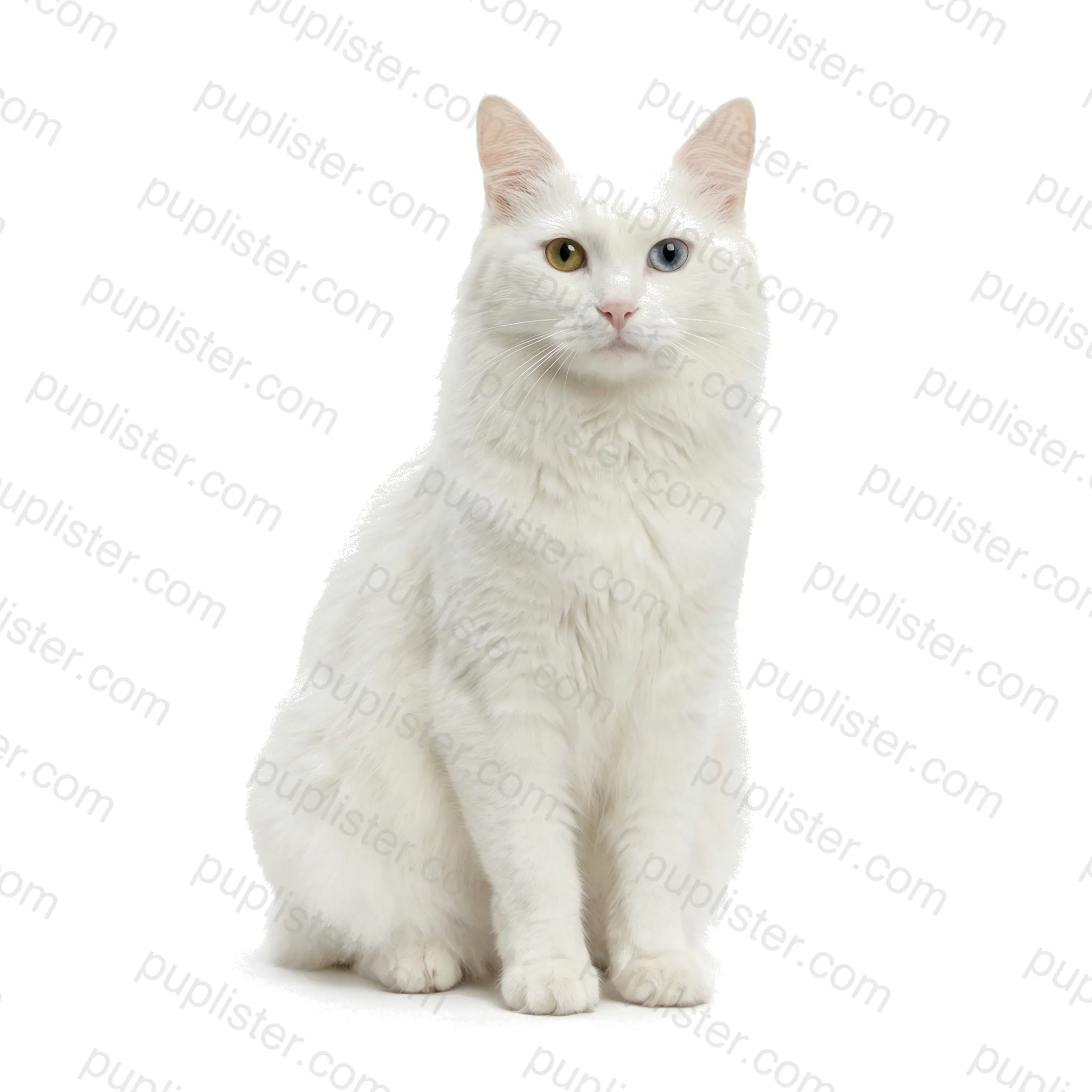
The Turkish Angora is an ancient, naturally occurring breed from central Turkey — specifically the Ankara region — and is one of the oldest known longhaired cat breeds. This small-to-medium cat weighs 5–10 pounds and possesses a graceful, balletic build with a long, plumed tail, silky single-layer coat (no undercoat), and large, walnut-shaped eyes. While white is the most iconic color — often with striking odd eyes (one blue, one amber) — Turkish Angoras come in nearly every color and pattern except pointed.
Turkish Angoras are spirited, intelligent cats that love to be at the center of the action. They are natural athletes — leaping to the highest shelf, opening doors, and inventing games to entertain themselves. Affectionate and strong-willed, they will happily greet guests and supervise every household activity, often choosing one family member as their primary favorite.
Entranced by this ancient Turkish treasure? Find Turkish Angora cats looking for loving homes on Puplister and add a touch of grace to your life.
Answer 5 quick questions to see how well this breed matches your lifestyle.
1 pet available
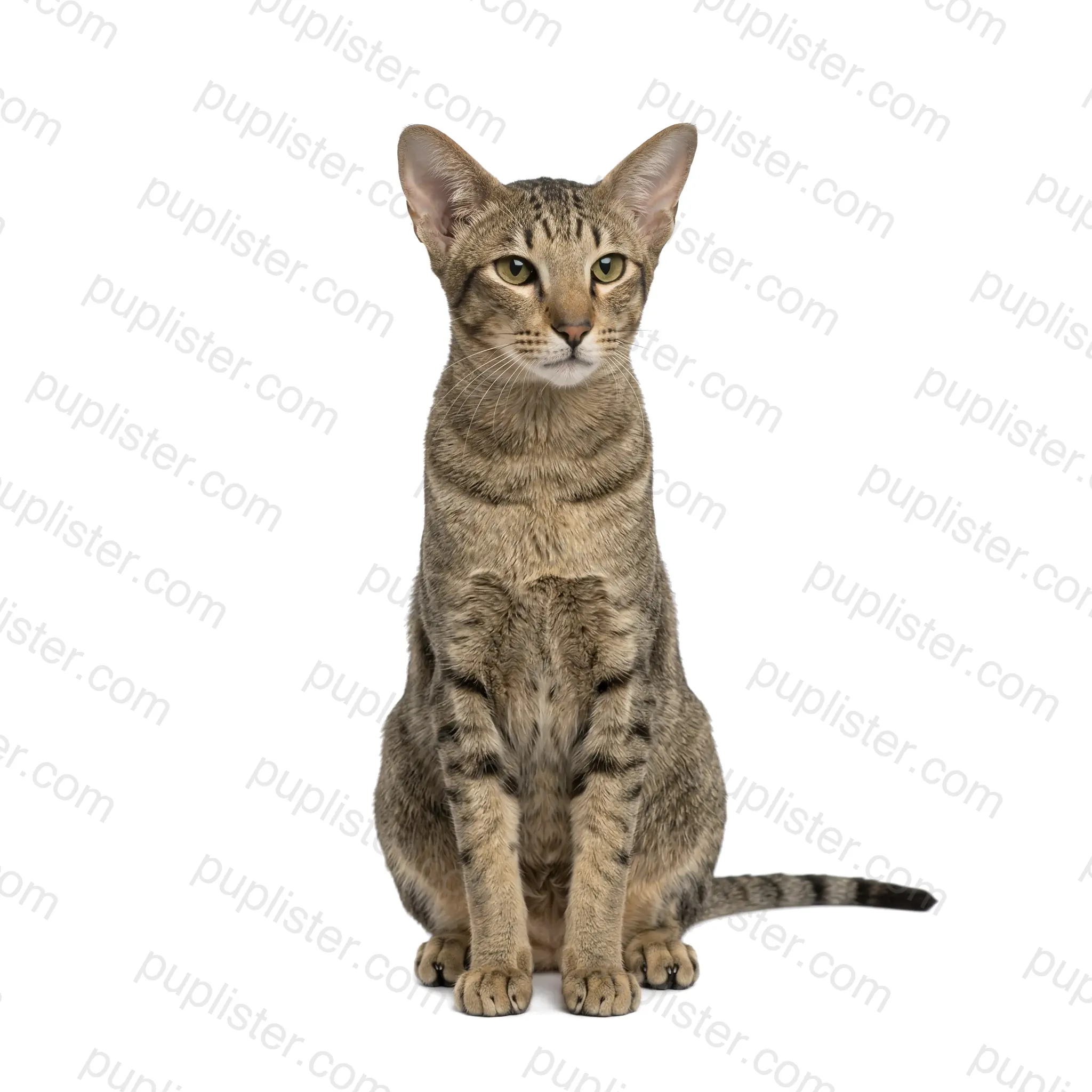
12About the Oriental Short Hair The Oriental Shorthair emerged in the 1950s and 1960s when British breeders crossed Siamese cats with Russian Blues, British Shorthairs, and Abyssinians to create a Siamese-type cat in a rainbow of non-pointed colors. Sleek and angular at 6–12 pounds, this breed has a wedge-shaped head, strikingly large ears, vivid green eyes (or blue in white coats), and a short, fine, glossy coat in over 300 color-and-pattern combinations — more than any other cat breed.Temperament & PersonalityOriental Shorthairs are among the most extroverted and opinionated cats in existence — they will tell you exactly what they think in a loud, distinctive voice. Fiercely loyal, they bond tightly to their humans and follow them everywhere, including into the shower. They are athletic, curious, and endlessly entertaining, making them ideal for active households with children and other social pets.ProsIncredible coat variety — virtually every color and pattern availableMinimal grooming needs thanks to the short, close-lying coatHighly intelligent and trainable — enjoys puzzle feeders and learning tricksDeeply loyal and affectionate with family membersConsOne of the most vocal cat breeds — constant meowing can be overwhelmingSevere separation anxiety when left alone — does best with a companion catProne to dental issues, heart disease, and amyloidosisDemands constant attention and can become destructive if under-stimulatedThink you can keep up with this talkative, spirited feline? Search for Oriental Shorthair cats on Puplister and meet your new best friend.
1 pet available
17About the Munchkin The Munchkin is the original short-legged cat breed, with its signature look caused by a natural genetic mutation first documented in Louisiana in 1983. Medium-sized at 6–9 pounds, the Munchkin has a proportional body, walnut-shaped eyes, and legs roughly three inches shorter than those of a standard cat. Their coat can be short or long, appearing in every color and pattern — from cinnamon tabby to blue smoke.Temperament & PersonalityMunchkins are confident, outgoing cats that never seem to realize they are vertically challenged. They are known as "magpies" for their habit of collecting and hoarding small, shiny objects under furniture. Sociable and playful, Munchkins get along famously with children, dogs, and other cats — making them excellent family pets.ProsEnergetic and entertaining — loves to play, chase, and collect treasuresFriendly and social with strangers, children, and other animalsSurprisingly fast and agile despite short legsAvailable in a wide range of coat types, colors, and patternsConsControversial breeding ethics — the short-leg gene can cause skeletal issuesProne to lordosis (curvature of the spine) and pectus excavatumCannot jump as high as standard cats, which may require ramps or pet stairsHigher risk of osteoarthritis in the limbs over timeEnchanted by those adorable short legs? Discover Munchkin cats waiting for their forever homes on Puplister.
1 pet available
10About the Scottish Fold The Scottish Fold traces its origins to a single barn cat named Susie, found in Perthshire, Scotland, in 1961 — the first documented cat with the breed's signature forward-folding ears caused by a natural cartilage mutation. This medium-sized cat weighs 6–13 pounds, has a round head, large round eyes, and a stocky, well-padded body. Scottish Folds come in both longhair and shorthair varieties, in virtually every color and pattern including tabby, solid, bicolor, and calico.Temperament & PersonalityScottish Folds are sweet, easygoing cats known for their quirky habit of sitting in odd positions — including the "Buddha sit" with legs stretched out and paws resting on their belly. They are moderately active and enjoy interactive play without being hyperactive. Gentle with children and amiable with other pets, they adapt well to most living situations.ProsDistinctive, owl-like appearance with those signature folded earsCalm and adaptable — thrives in apartments, houses, and busy households alikeGood-natured and gentle with children and other animalsModerate energy level — playful but not demandingConsThe fold gene causes osteochondrodysplasia — painful cartilage and bone abnormalities in many catsMust never be bred fold-to-fold due to severe skeletal issues in offspringProne to arthritis, especially in the tail, ankles, and kneesEar fold makes them more susceptible to ear infections and wax buildupDrawn to those adorable folded ears and laid-back personality? Find Scottish Fold cats waiting for adoption on Puplister.
6 pets available
8About the Ragdoll The Ragdoll was developed in the 1960s in Riverside, California, by breeder Ann Baker, who selected for docile, floppy cats that go limp when held — hence the name. One of the largest domestic cat breeds, Ragdolls weigh 10–20 pounds (males often exceeding 15 pounds) and have striking blue eyes, a semi-long silky coat, and a colorpoint pattern with a lighter body and darker extremities. They come in six main colors — seal, blue, chocolate, lilac, red, and cream — with four patterns: colorpoint, mitted, bicolor, and lynx.Temperament & PersonalityRagdolls are famously gentle, relaxed cats that often follow their owners from room to room like loyal dogs. They tend to greet you at the door and flop at your feet, earning their reputation as "floor cats" and "puppy cats." Exceptionally tolerant and patient, they are among the best breeds for families with children and get along beautifully with dogs and other cats.ProsExtremely gentle and tolerant — ideal for households with young childrenSilky coat lacks a dense undercoat, reducing matting and shedding compared to other longhairsCalm, laid-back energy level — content with moderate play and lots of cuddlingDog-like devotion — follows owners, greets guests, and can learn simple tricksConsGenetic predisposition to hypertrophic cardiomyopathy (HCM) — DNA testing recommendedTrusting and non-aggressive to a fault — must be kept strictly indoorsLarge size means higher food costs and need for oversized litter boxesCan develop bladder stones and urinary tract issuesIf a big, blue-eyed lap cat sounds like your dream companion, search for Ragdoll cats available for adoption on Puplister.
Worried about your cat throwing up after eating? Learn the common and serious causes of feline regurgitation and vomiting, plus expert vet tips for.
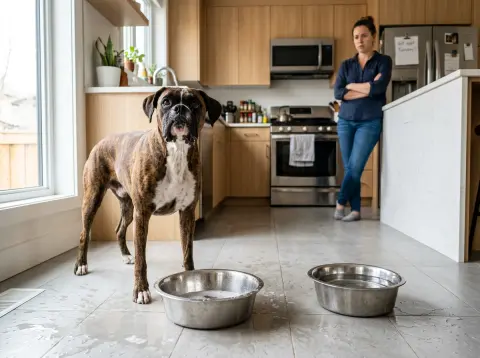
Is your dog drinking so much water suddenly? Learn common causes, from harmless to serious, and when to seek veterinary help for polydipsia.
Considering getting a pet after divorce for healing and companionship? Learn crucial timing, how to choose the right pet from a shelter, and practical.
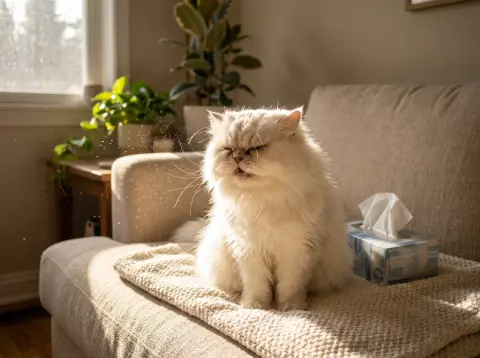
Is your cat sneezing a lot? Learn common causes, from URIs to stress, and when to seek vet care for your cat's sneezing.