American Shorthair American Shorthair

American Shorthair

443
Easygoing Calm Affectionate Playful

About the American Shorthair

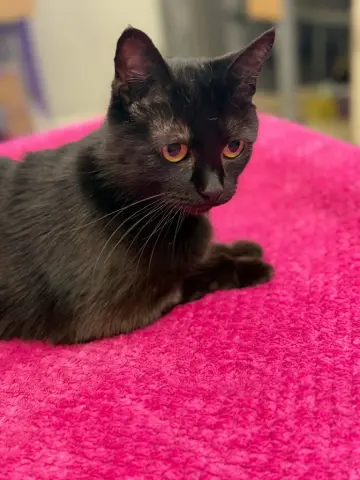
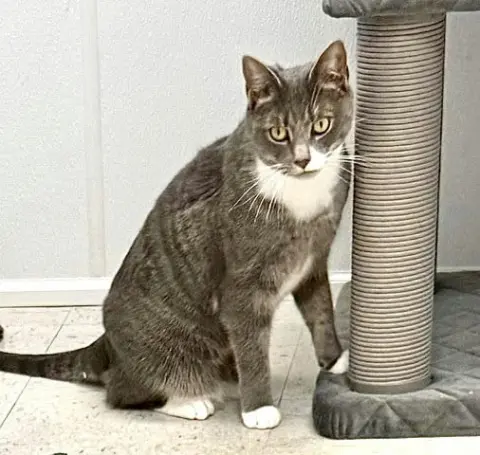
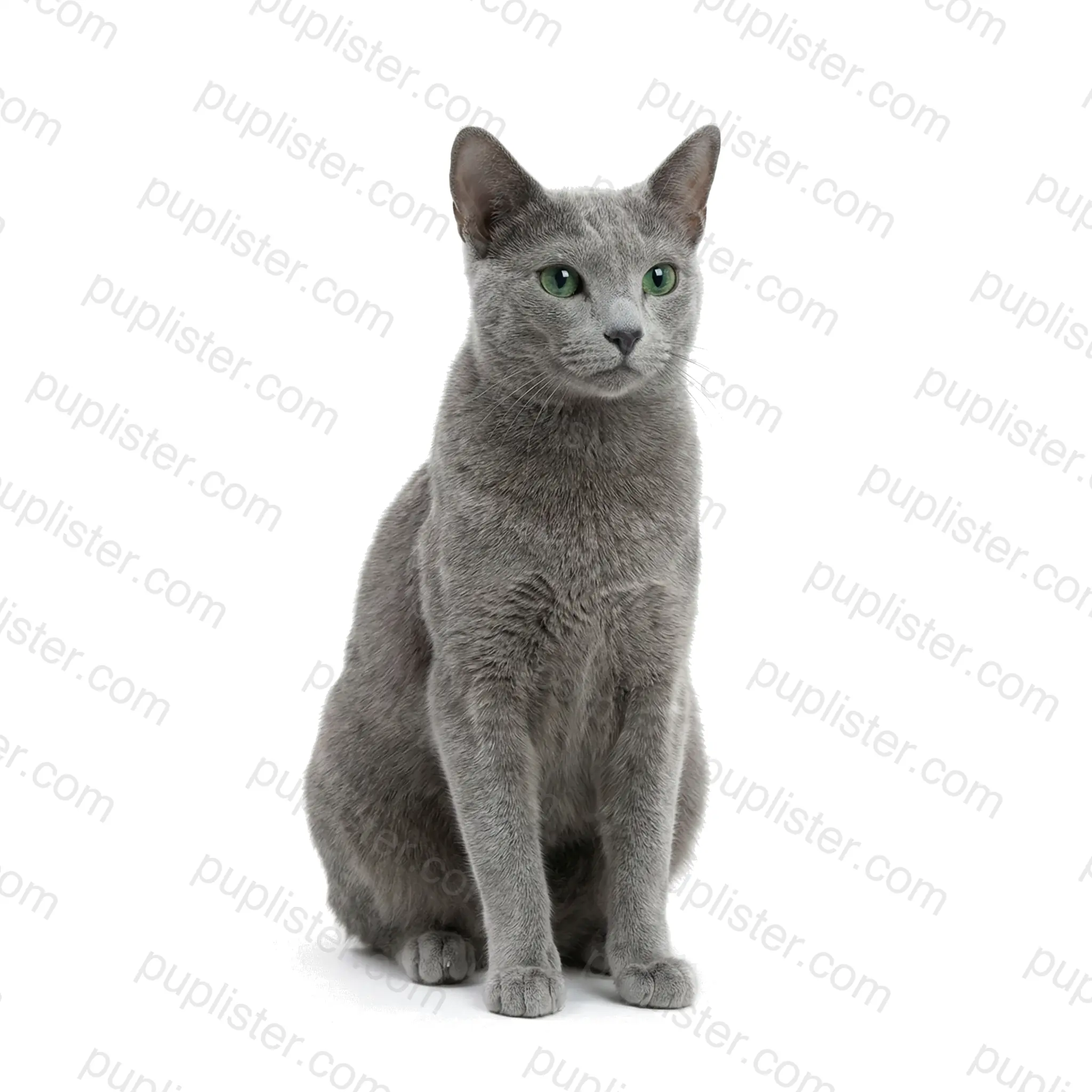
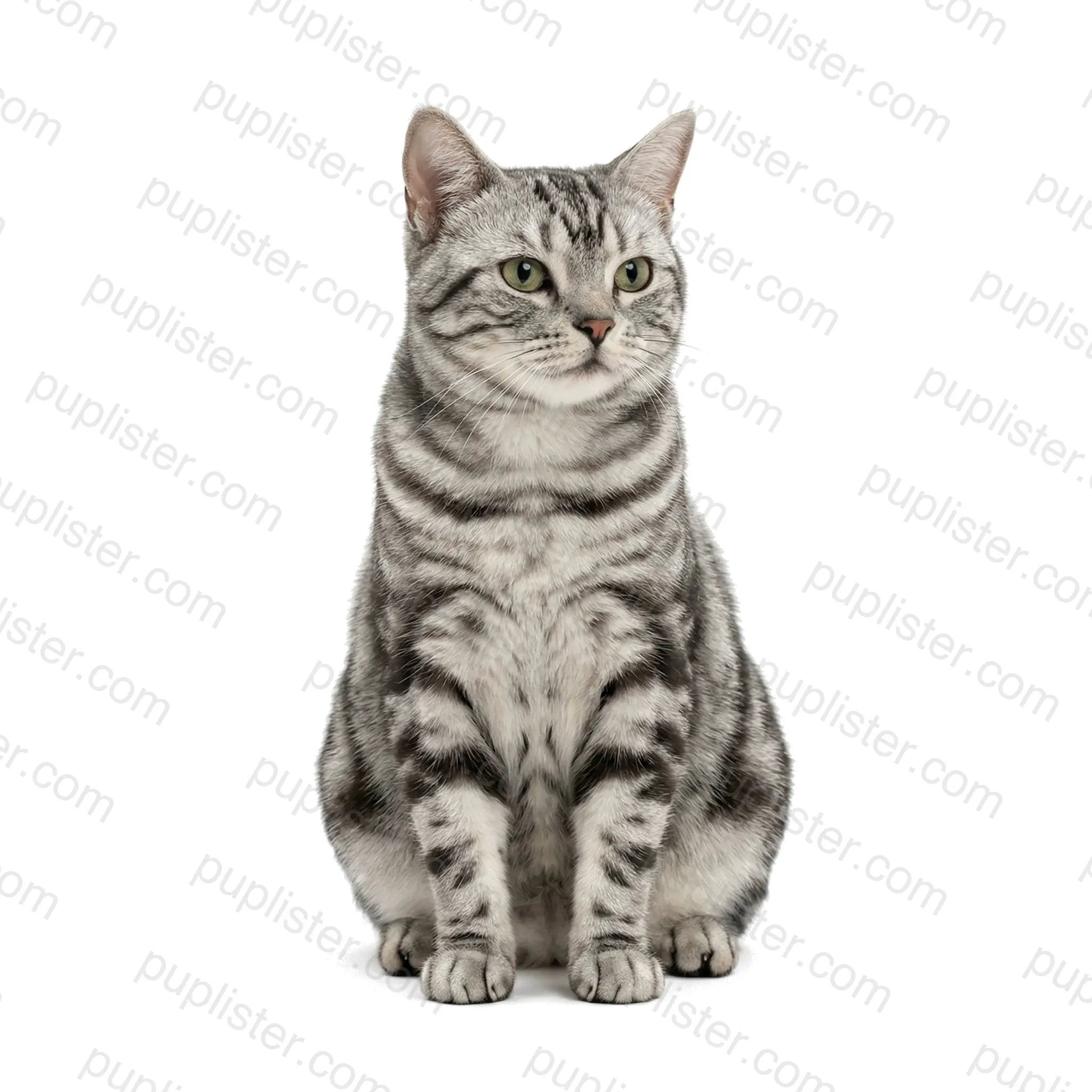
The American Shorthair descends from European cats brought to North America on ships like the Mayflower, where they earned their keep as skilled mousers. This medium-to-large breed weighs 8–15 pounds and boasts a powerful, well-proportioned build with a broad chest. Their dense, short coat comes in over 80 recognized colors and patterns, with the classic silver tabby being the most iconic.

Temperament & Personality

American Shorthairs are easygoing, adaptable cats that strike a perfect balance between playful and laid-back. They are patient and gentle with children, coexist peacefully with other pets, and are content to entertain themselves when the family is busy. Their calm, even temperament and low-maintenance nature have made them one of America's most popular breeds for decades.

Pros

  • Exceptionally healthy breed with a lifespan of 15–20 years
  • Low-maintenance coat that rarely mats or tangles
  • Independent enough to handle owners' work schedules without anxiety
  • Natural mouser — helps keep the home pest-free

Cons

  • Prone to obesity if diet and exercise are not carefully managed
  • Can be reserved with strangers and may take time to warm up
  • Not as interactive or trainable as more active breeds
  • Seasonal shedding can be heavy despite the short coat

Ready to welcome an American Shorthair into your home? Browse available cats for adoption on Puplister.

American Shorthair Quick Facts

Size
8–12 lbs
Lifespan
15–20 years
Exercise
Moderate
Grooming
Low
Good with Kids
Yes
Good with Pets
Yes

Is the American Shorthair right for you?

Answer 5 quick questions to see how well this breed matches your lifestyle.

Take the Quiz

Available American Shorthairs

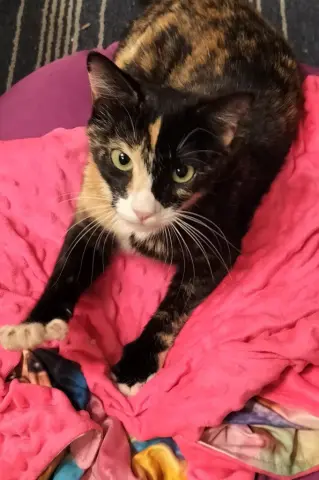
Arizona
Adult

American Shorthair

The Humane Society Of Sullivan County · Sullivan, IN
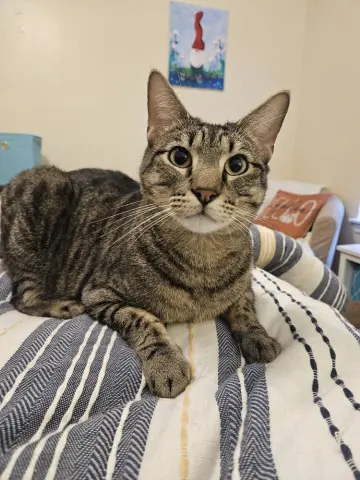
Vera
Young
Vera
M

American Shorthair

Forgotten Cats · Greenville, DE
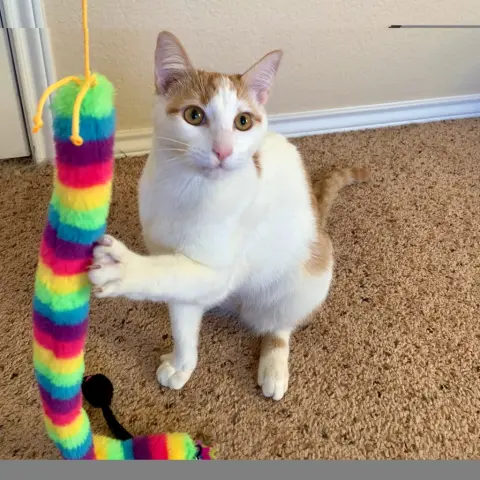
Dutch
Adult
Dutch
M

American Shorthair

Forgotten Cats · Greenville, DE
Garfield
Adult

American Shorthair

Humane Society Of North Central Arkansas · Mountain Home, AR
Bean Sprout
Young

American Shorthair

Forgotten Cats · Greenville, DE
Della
Young 1
Della
S

American Shorthair

San Antonio Feral Cat Coalition · San Antonio, TX
Mr. Darcy
Young

American Shorthair

Okie Pet Rescue · Claremore, OK
Lucy
Young
Lucy
S

American Shorthair

Okie Pet Rescue · Claremore, OK

Related Breeds

Oriental Short Hair

1 pet available

12

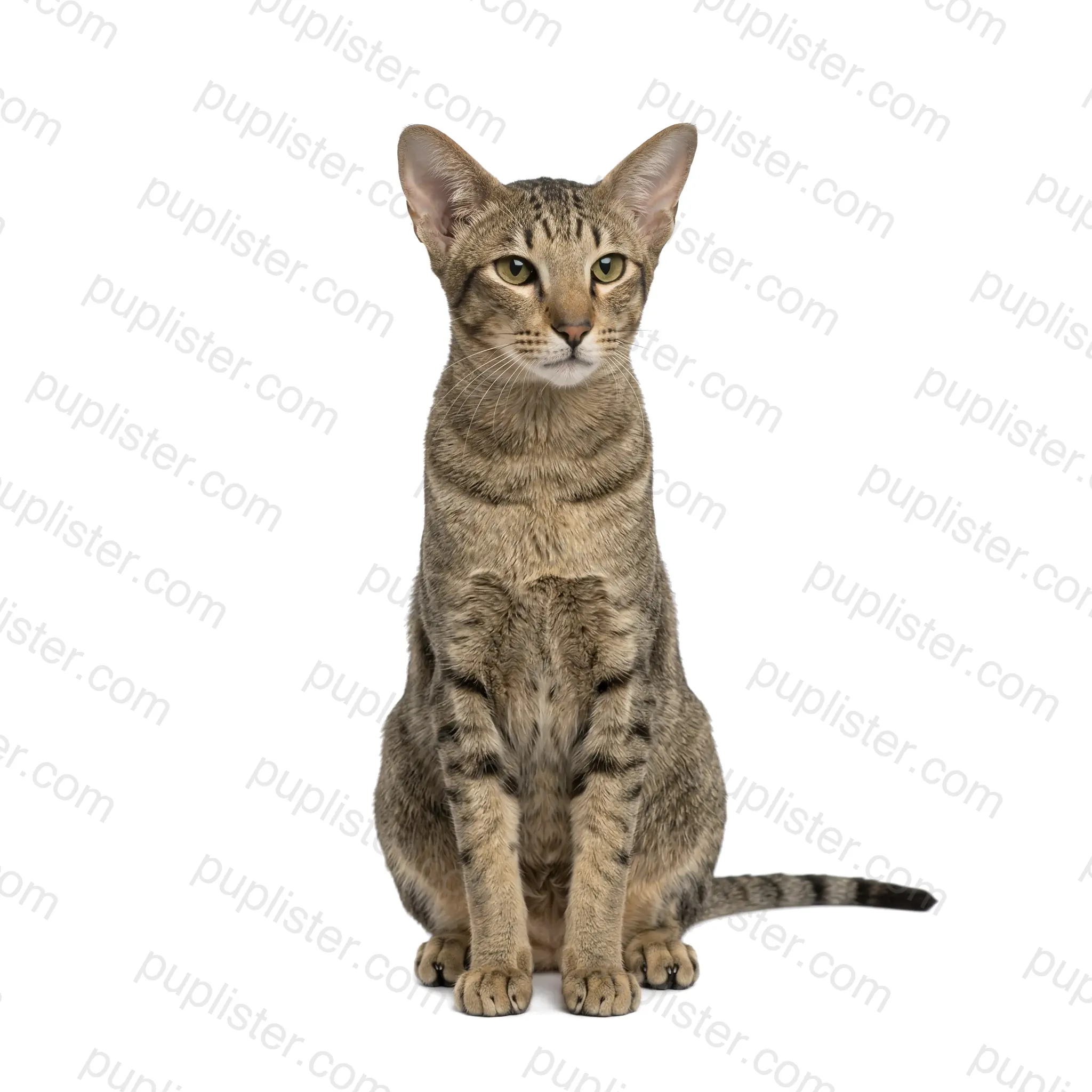
About the Oriental Short Hair The Oriental Shorthair emerged in the 1950s and 1960s when British breeders crossed Siamese cats with Russian Blues, British Shorthairs, and Abyssinians to create a Siamese-type cat in a rainbow of non-pointed colors. Sleek and angular at 6–12 pounds, this breed has a wedge-shaped head, strikingly large ears, vivid green eyes (or blue in white coats), and a short, fine, glossy coat in over 300 color-and-pattern combinations — more than any other cat breed.Temperament & PersonalityOriental Shorthairs are among the most extroverted and opinionated cats in existence — they will tell you exactly what they think in a loud, distinctive voice. Fiercely loyal, they bond tightly to their humans and follow them everywhere, including into the shower. They are athletic, curious, and endlessly entertaining, making them ideal for active households with children and other social pets.ProsIncredible coat variety — virtually every color and pattern availableMinimal grooming needs thanks to the short, close-lying coatHighly intelligent and trainable — enjoys puzzle feeders and learning tricksDeeply loyal and affectionate with family membersConsOne of the most vocal cat breeds — constant meowing can be overwhelmingSevere separation anxiety when left alone — does best with a companion catProne to dental issues, heart disease, and amyloidosisDemands constant attention and can become destructive if under-stimulatedThink you can keep up with this talkative, spirited feline? Search for Oriental Shorthair cats on Puplister and meet your new best friend.

Scottish Fold

3 pets available

11

About the Scottish Fold The Scottish Fold traces its origins to a single barn cat named Susie, found in Perthshire, Scotland, in 1961 — the first documented cat with the breed's signature forward-folding ears caused by a natural cartilage mutation. This medium-sized cat weighs 6–13 pounds, has a round head, large round eyes, and a stocky, well-padded body. Scottish Folds come in both longhair and shorthair varieties, in virtually every color and pattern including tabby, solid, bicolor, and calico.Temperament & PersonalityScottish Folds are sweet, easygoing cats known for their quirky habit of sitting in odd positions — including the "Buddha sit" with legs stretched out and paws resting on their belly. They are moderately active and enjoy interactive play without being hyperactive. Gentle with children and amiable with other pets, they adapt well to most living situations.ProsDistinctive, owl-like appearance with those signature folded earsCalm and adaptable — thrives in apartments, houses, and busy households alikeGood-natured and gentle with children and other animalsModerate energy level — playful but not demandingConsThe fold gene causes osteochondrodysplasia — painful cartilage and bone abnormalities in many catsMust never be bred fold-to-fold due to severe skeletal issues in offspringProne to arthritis, especially in the tail, ankles, and kneesEar fold makes them more susceptible to ear infections and wax buildupDrawn to those adorable folded ears and laid-back personality? Find Scottish Fold cats waiting for adoption on Puplister.

Turkish Van

5 pets available

3

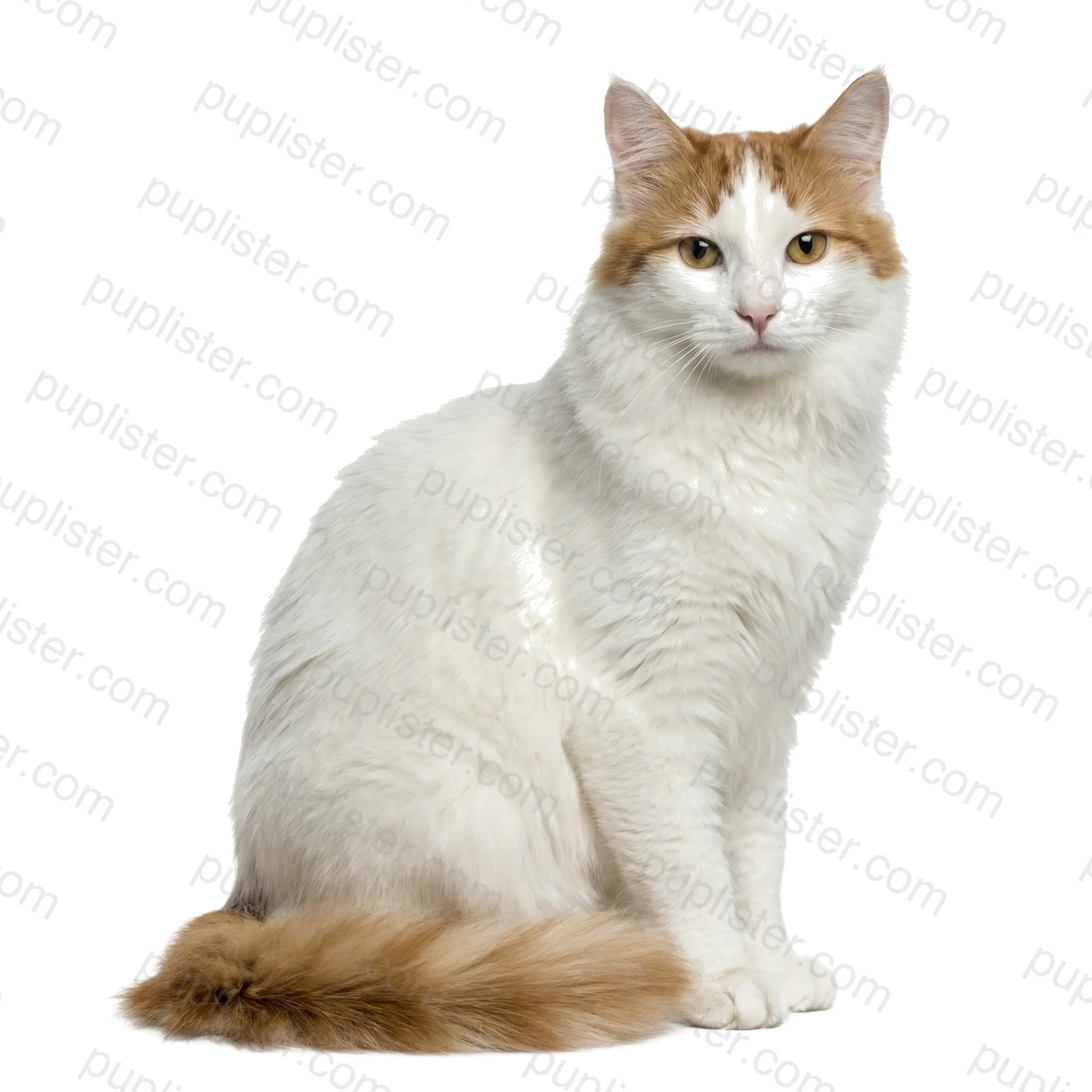
About the Turkish Van The Turkish Van is a rare, naturally occurring breed from the Lake Van region of eastern Turkey, renowned as the "swimming cat" for its unusual love of water. This is a large, muscular cat weighing 10–18 pounds with a semi-long, cashmere-like single coat that is water-resistant and dries remarkably fast. The classic Van pattern features a predominantly chalk-white body with colored markings limited to the head and tail — typically in red, cream, black, blue, or tortoiseshell — though solid white and fully colored Vans also exist.Temperament & PersonalityTurkish Vans are energetic, independent, and famously fond of water — they may join you in the shower, play in the toilet, or splash in their water bowl. Intelligent and athletic, they love to climb, jump, and play vigorously. They bond closely with their family but can be selective about being held — they prefer to be near you rather than in your lap.ProsUnique love of water sets them apart from nearly every other breedCashmere-textured single coat is water-resistant, low-shedding, and rarely matsAthletic and playful — endlessly entertaining to watchHardy, naturally evolved breed with robust healthConsDoes not enjoy being held or restrained — wants affection on its own termsExtremely high energy — needs significant space and daily vigorous playWater obsession can create messes — toilet lids must stay closedAll-white Vans can be prone to deafness, similar to Turkish AngorasLooking for an adventurous water-lover unlike any other cat? Browse Turkish Van cats on Puplister and discover this remarkable swimming feline.
Toyger
Toyger Cat

1 pet available

12

About the Toyger The Toyger — "toy tiger" — was developed beginning in 1993 by Judy Sugden in the United States, who selectively bred domestic shorthair tabbies to create a cat that resembles a miniature tiger. Weighing 7–15 pounds, this medium-to-large muscular cat features a long, low-slung body, small rounded ears, and a striking coat of bold, vertically aligned dark stripes (called "branching") on a vivid orange-tan background with a white-lightened belly — the goal being as close to a tiger's pattern as possible.Temperament & PersonalityDespite their wild appearance, Toygers are easygoing, friendly cats that enjoy human company and adapt well to indoor living. They are intelligent and trainable, readily learning to walk on a leash, play fetch, and perform tricks. Social and relaxed, they do well with children and other pets, showing none of the intensity of actual wild-hybrid breeds.ProsSpectacular tiger-like appearance with no wild cat bloodlinesLaid-back and friendly — easier to manage than most exotic-looking breedsIntelligent and trainable — enjoys learning tricks and leash walkingShort coat requires minimal groomingConsVery rare and expensive — limited availability through breedersBreed is still in development — the gene pool remains smallMay inherit heart murmurs from some breeding linesHigh price tag and rarity make adoption opportunities uncommonWant a living room tiger without the wild side? Keep an eye on Puplister for Toyger cats and kittens seeking loving homes.

Related Articles

Frequently Asked Questions

What are the key traits of a American Shorthair?
The American Shorthair is known for being easygoing, calm, affectionate and playful.
How many American Shorthairs are available for adoption?
There are currently 596 American Shorthairs available for adoption on Puplister. Browse the listings above to find your perfect match.
How do I adopt a American Shorthair from Puplister?
To adopt a American Shorthair, browse the available listings on this page, click on a pet you're interested in, and contact the shelter directly through their profile page.