Best GPS Trackers for Dogs 2026: Top 4 Picks Reviewed
Looking for the best GPS tracker for your dog? We reviewed the top 4 models for every budget — from $28 to $105. Find your perfect tracker in 2026.
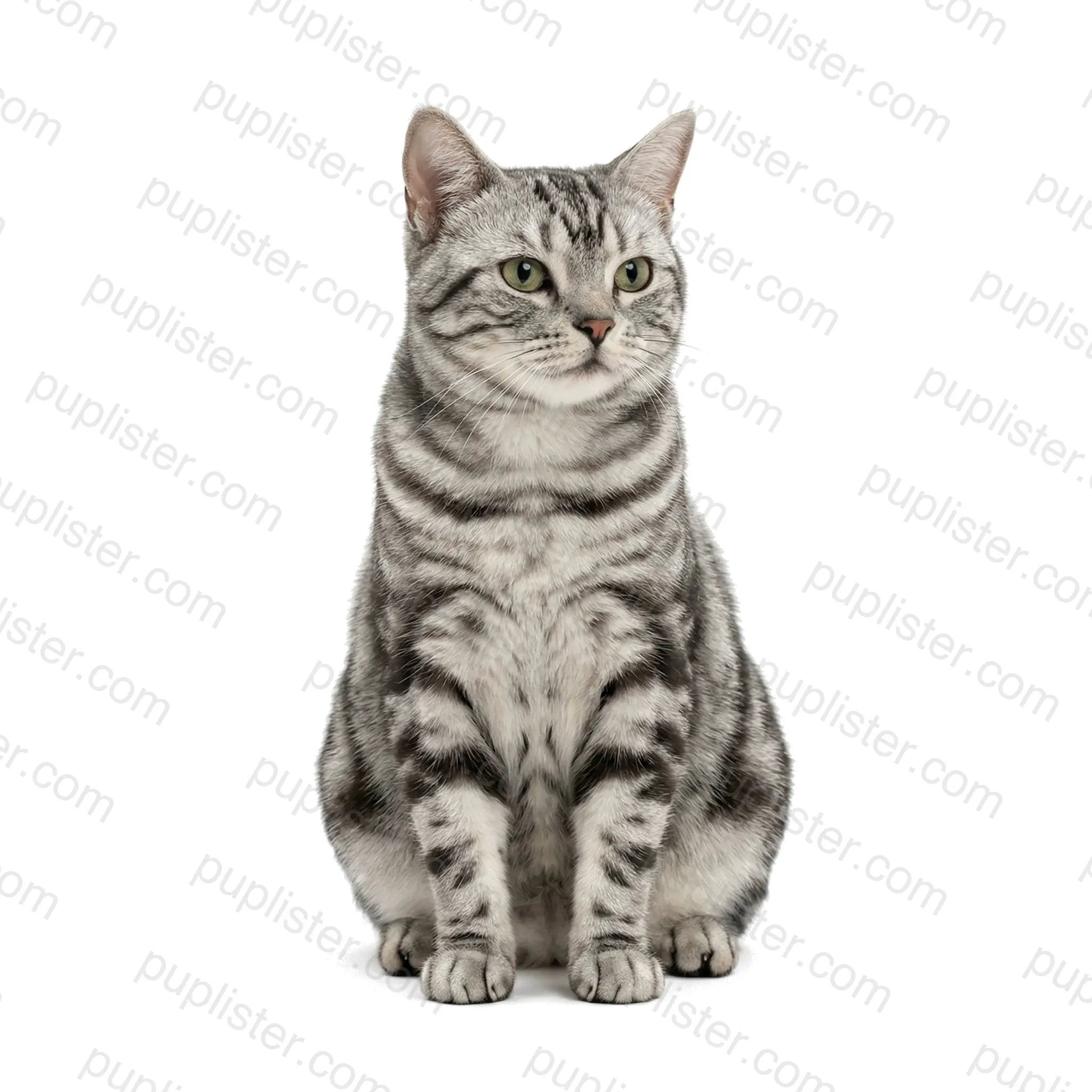
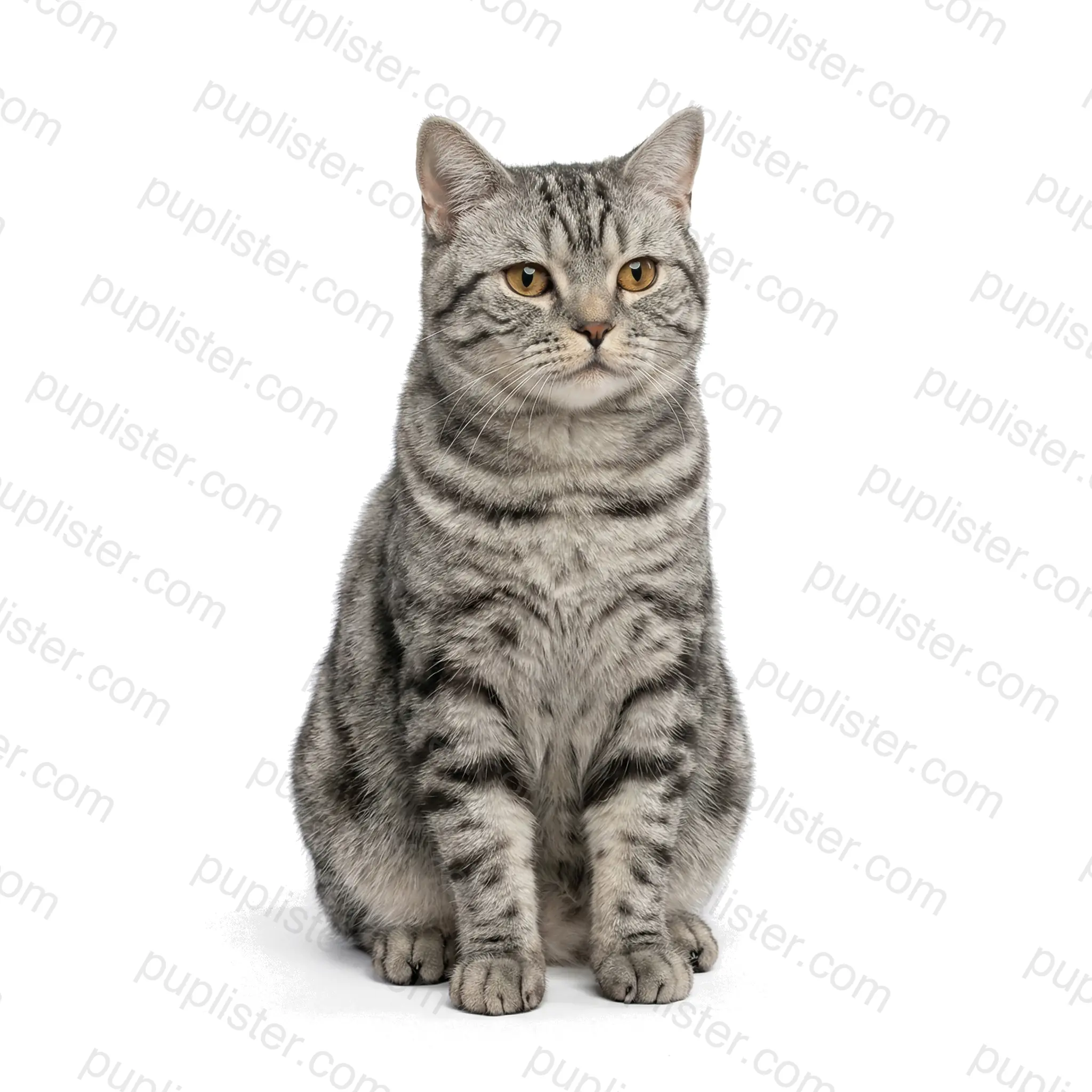
The American Shorthair descends from European cats brought to North America on ships like the Mayflower, where they earned their keep as skilled mousers. This medium-to-large breed weighs 8–15 pounds and boasts a powerful, well-proportioned build with a broad chest. Their dense, short coat comes in over 80 recognized colors and patterns, with the classic silver tabby being the most iconic.
American Shorthairs are easygoing, adaptable cats that strike a perfect balance between playful and laid-back. They are patient and gentle with children, coexist peacefully with other pets, and are content to entertain themselves when the family is busy. Their calm, even temperament and low-maintenance nature have made them one of America's most popular breeds for decades.
Ready to welcome an American Shorthair into your home? Browse available cats for adoption on Puplister.
Answer 5 quick questions to see how well this breed matches your lifestyle.
2 pets available
5About the Turkish Angora The Turkish Angora is an ancient, naturally occurring breed from central Turkey — specifically the Ankara region — and is one of the oldest known longhaired cat breeds. This small-to-medium cat weighs 5–10 pounds and possesses a graceful, balletic build with a long, plumed tail, silky single-layer coat (no undercoat), and large, walnut-shaped eyes. While white is the most iconic color — often with striking odd eyes (one blue, one amber) — Turkish Angoras come in nearly every color and pattern except pointed.Temperament & PersonalityTurkish Angoras are spirited, intelligent cats that love to be at the center of the action. They are natural athletes — leaping to the highest shelf, opening doors, and inventing games to entertain themselves. Affectionate and strong-willed, they will happily greet guests and supervise every household activity, often choosing one family member as their primary favorite.ProsElegant, silky coat has no undercoat — sheds less and rarely matsHighly intelligent and entertaining — always inventing new games and tricksSocial and welcoming with guests and family alikeNaturally healthy breed with excellent longevity — many live 15–20 yearsConsWhite cats with blue eyes have a high incidence of congenital deafnessStrong-willed and mischievous — can be stubborn about rulesDemands attention and may become disruptive if ignoredProne to ataxia (a hereditary neurological condition) in some linesEntranced by this ancient Turkish treasure? Find Turkish Angora cats looking for loving homes on Puplister and add a touch of grace to your life.
5 pets available
19About the Ragdoll The Ragdoll was developed in the 1960s in Riverside, California, by breeder Ann Baker, who selected for docile, floppy cats that go limp when held — hence the name. One of the largest domestic cat breeds, Ragdolls weigh 10–20 pounds (males often exceeding 15 pounds) and have striking blue eyes, a semi-long silky coat, and a colorpoint pattern with a lighter body and darker extremities. They come in six main colors — seal, blue, chocolate, lilac, red, and cream — with four patterns: colorpoint, mitted, bicolor, and lynx.Temperament & PersonalityRagdolls are famously gentle, relaxed cats that often follow their owners from room to room like loyal dogs. They tend to greet you at the door and flop at your feet, earning their reputation as "floor cats" and "puppy cats." Exceptionally tolerant and patient, they are among the best breeds for families with children and get along beautifully with dogs and other cats.ProsExtremely gentle and tolerant — ideal for households with young childrenSilky coat lacks a dense undercoat, reducing matting and shedding compared to other longhairsCalm, laid-back energy level — content with moderate play and lots of cuddlingDog-like devotion — follows owners, greets guests, and can learn simple tricksConsGenetic predisposition to hypertrophic cardiomyopathy (HCM) — DNA testing recommendedTrusting and non-aggressive to a fault — must be kept strictly indoorsLarge size means higher food costs and need for oversized litter boxesCan develop bladder stones and urinary tract issuesIf a big, blue-eyed lap cat sounds like your dream companion, search for Ragdoll cats available for adoption on Puplister.
5 pets available
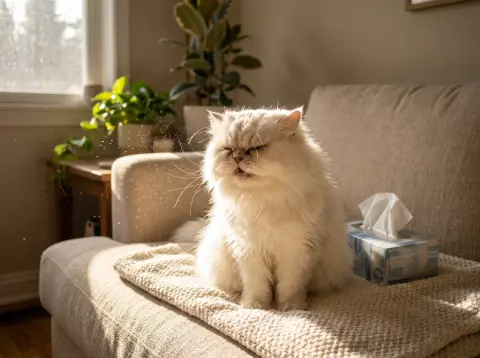
7About the Persian The Persian is one of the oldest and most recognizable cat breeds in the world, with roots tracing back to 17th-century Persia (modern Iran) and Turkey. This medium-to-large cat weighs 7–12 pounds and is instantly identifiable by its flat, pansy-like face, enormous round eyes, small ears, and luxuriously long, thick coat that can reach six inches in length. Persians come in over 80 color variations grouped into seven divisions, including solid, silver, golden, shaded, smoke, tabby, particolor, and pointed (Himalayan).Temperament & PersonalityPersians are the quintessential lap cat — calm, sweet-tempered, and content to lounge on the nearest soft surface. They prefer serene environments and predictable routines, rarely displaying the high-energy antics of more active breeds. Gentle and patient with children, they coexist peacefully with respectful kids and laid-back dogs.ProsExtremely calm and gentle — ideal for quiet, relaxed householdsBeautiful, plush coat available in a vast range of colors and patternsLow activity level — content with minimal exercise and indoor livingSweet, undemanding temperament — rarely vocal or pushyConsRequires daily grooming to prevent severe matting and hairballsBrachycephalic face causes chronic breathing difficulties, tear staining, and dental crowdingProne to polycystic kidney disease (PKD), hypertrophic cardiomyopathy, and ringwormEye discharge requires daily cleaning to prevent staining and infectionLonging for a serene, regal companion? Discover Persian cats seeking forever homes on Puplister and welcome quiet elegance into your life.
8 pets available
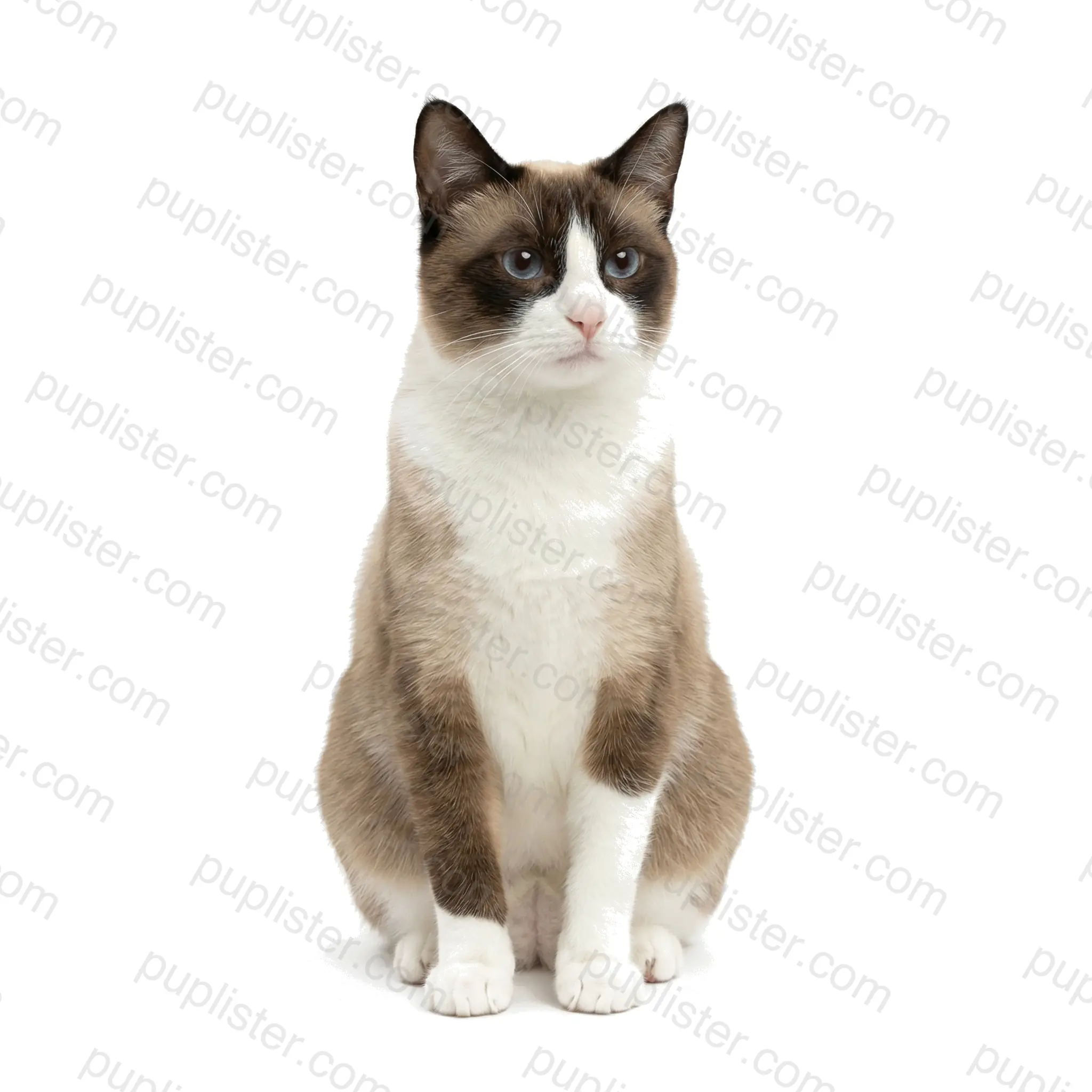
11About the Snowshoe The Snowshoe was developed in the 1960s in Philadelphia by crossing Siamese cats with American Shorthairs, creating a pointed cat with distinctive white "boots" on all four paws. This medium-sized breed weighs 7–12 pounds and combines the Siamese's colorpoint pattern with a more robust, moderately stocky build. Their short, smooth coat comes in seal point and blue point, always featuring white paws, an inverted white "V" on the face, and striking blue eyes.Temperament & PersonalitySnowshoes are vocal, social cats that inherit the Siamese's love of conversation but with a softer, more melodic voice. They are playful and intelligent, often learning to open doors and turn on faucets — many Snowshoes are fascinated by running water. They bond closely with their families and can become distressed if left alone for long periods.ProsStriking, unique appearance — the white boots and facial markings are hard to resistVocal but softer-voiced than the Siamese — communicative without being overwhelmingIntelligent and playful — enjoys puzzle toys, fetch, and learning tricksAffectionate and loyal — bonds deeply with family membersConsProne to separation anxiety — needs companionship throughout the dayMarkings are unpredictable — "show-quality" pattern is notoriously difficult to breed consistentlyCan be sensitive and moody — may sulk if they feel ignoredInherited health concerns from Siamese lines, including dental and heart issuesLove the Siamese look with a twist? Browse Snowshoe cats seeking their perfect families on Puplister today.
Looking for the best GPS tracker for your dog? We reviewed the top 4 models for every budget — from $28 to $105. Find your perfect tracker in 2026.
Adopting a cat when you live alone is entirely possible and rewarding. Learn how to choose the right cat, prepare your home, and navigate the adoption.
Is your cat losing hair in patches? Discover common causes, from stress to parasites, and expert fixes to help your feline friend recover.
Considering getting a pet after divorce for healing and companionship? Learn crucial timing, how to choose the right pet from a shelter, and practical.