Can You Adopt a Cat on a Tight Budget?
Adopting a cat doesn't have to be expensive. With smart budgeting and the right resources, even those on a tight income can provide a loving, healthy home for a feline companion.
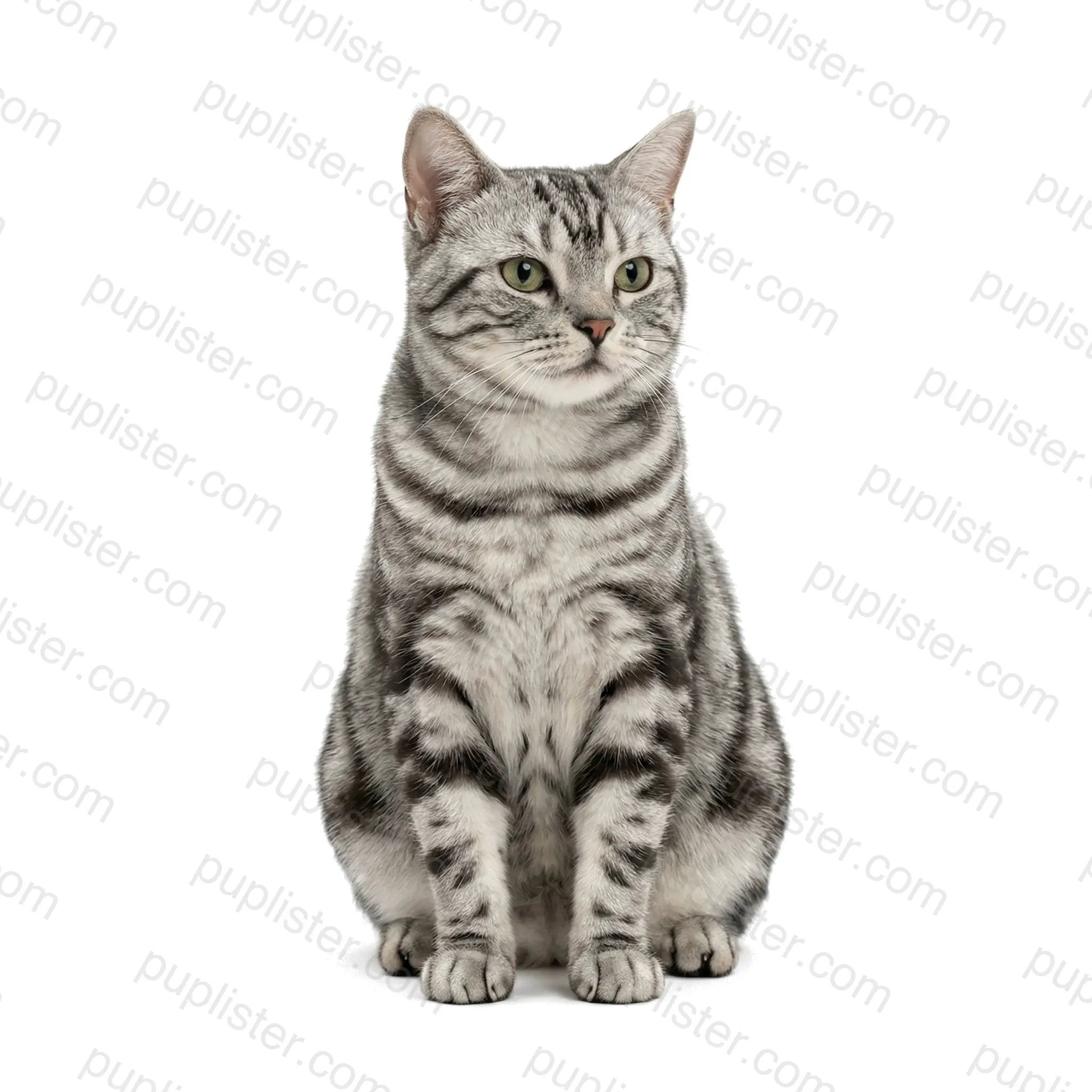
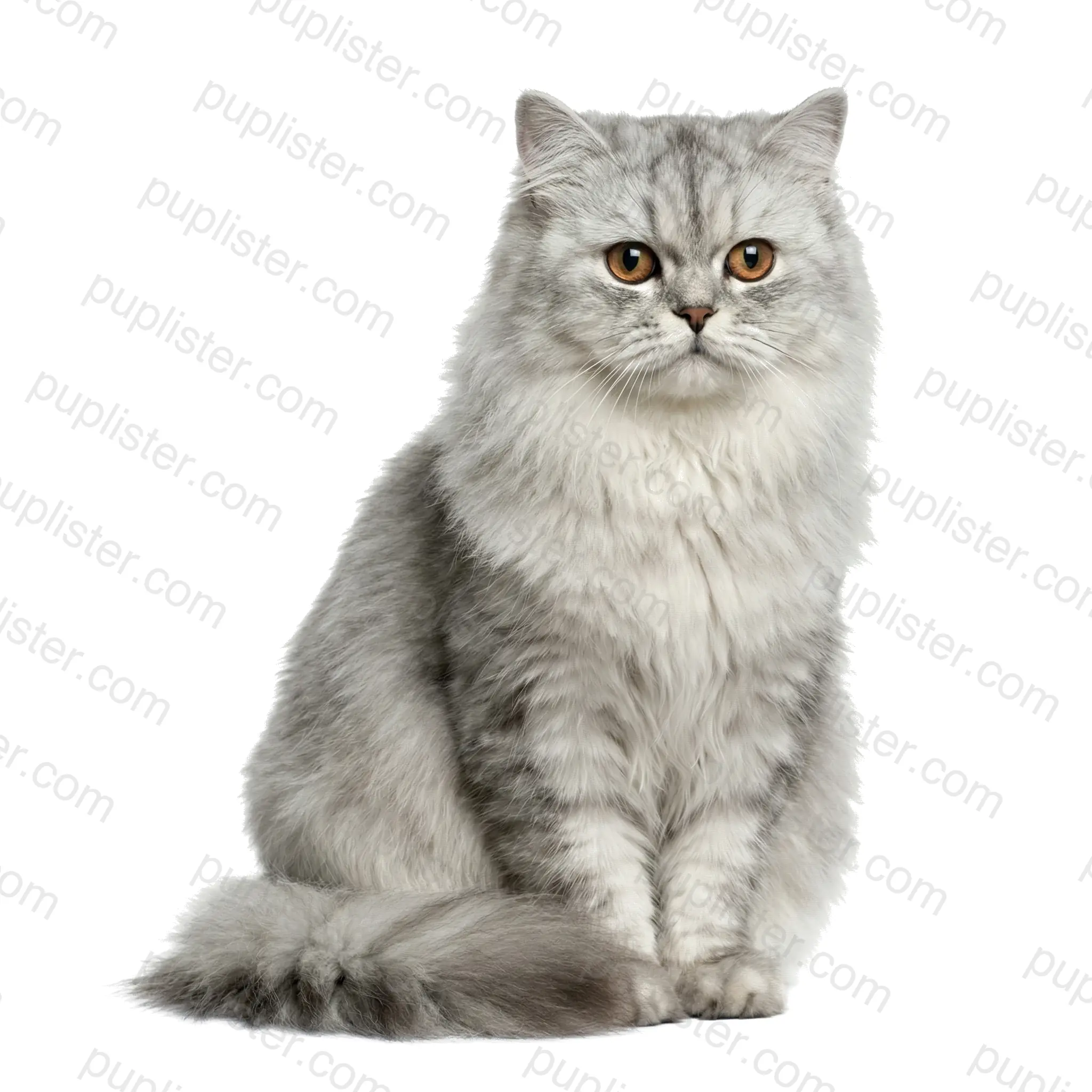
The American Shorthair descends from European cats brought to North America on ships like the Mayflower, where they earned their keep as skilled mousers. This medium-to-large breed weighs 8–15 pounds and boasts a powerful, well-proportioned build with a broad chest. Their dense, short coat comes in over 80 recognized colors and patterns, with the classic silver tabby being the most iconic.
American Shorthairs are easygoing, adaptable cats that strike a perfect balance between playful and laid-back. They are patient and gentle with children, coexist peacefully with other pets, and are content to entertain themselves when the family is busy. Their calm, even temperament and low-maintenance nature have made them one of America's most popular breeds for decades.
Ready to welcome an American Shorthair into your home? Browse available cats for adoption on Puplister.
Answer 5 quick questions to see how well this breed matches your lifestyle.
2 pets available
18About the Sphynx The Sphynx originated in Toronto, Canada, in 1966 when a domestic cat gave birth to a hairless kitten due to a natural genetic mutation. Through careful breeding with Devon Rex and other cats, the Sphynx was established as a robust breed. Weighing 6–12 pounds, this medium-sized cat is famous for its apparent hairlessness — though most Sphynx have a fine layer of peach-fuzz that gives their skin a warm, suede-like texture. Their wrinkled skin, lemon-shaped eyes, enormous ears, and pot belly give them an unmistakable extraterrestrial appearance.Temperament & PersonalitySphynx cats are extroverted clowns that crave human attention and warmth — literally, as they seek out body heat and will burrow under blankets or curl up on any available lap. They are fearless, social, and endlessly entertaining, performing acrobatic feats and greeting everyone — including strangers — with enthusiasm. They do wonderfully with children, dogs, and other cats.ProsNo fur shedding on furniture or clothingExtremely social, affectionate, and entertaining — the ultimate companion catGets along with virtually everyone — kids, dogs, strangers, other catsUnique, striking appearance that turns heads wherever they goConsRequires weekly baths to remove oil buildup that would normally be absorbed by furHighly susceptible to sunburn, cold, and skin infectionsProne to hypertrophic cardiomyopathy (HCM) and hereditary myopathyHigh metabolism means they eat more than similarly sized cats and need a warm environmentCaptivated by this hairless wonder? Find Sphynx cats looking for warm, loving homes on Puplister — your next cuddle buddy awaits.
3 pets available
11About the Ragamuffin The Ragamuffin emerged in the 1990s as a separate breed from the Ragdoll, developed by breeders who wanted to expand the gene pool and introduce a wider array of colors and patterns. This is a large, heavy cat — weighing 10–20 pounds — with a broad chest, substantial bone structure, and a plush, rabbit-soft coat that resists matting. Ragamuffins come in every color and pattern, including mink, sepia, solid, and bicolor variations not found in Ragdolls.Temperament & PersonalityRagamuffins are exceptionally docile, trusting cats often described as "puppy-like" in their devotion. They greet visitors at the door, follow family members from room to room, and love being held — often going completely limp when picked up. Their patience and gentle nature make them outstanding companions for children and multi-pet households.ProsIncredibly gentle and patient — one of the best breeds for families with young childrenPlush coat resists matting and requires only moderate groomingAvailable in virtually every color and pattern imaginableAdaptable and easygoing — adjusts well to new environments and routinesConsLarge appetite and tendency toward obesity require careful portion controlTrusting nature means they have zero street smarts — strictly indoor onlyProne to hypertrophic cardiomyopathy and polycystic kidney diseaseSlow to mature — does not reach full size and coat until about four years oldReady for a big, cuddly companion who adores everyone? Explore Ragamuffin cats looking for loving homes on Puplister.
22 pets available
25About the Russian Blue The Russian Blue is a naturally occurring breed believed to have originated in the port city of Arkhangelsk (Archangel) in northern Russia, arriving in Europe aboard trade ships in the 1860s. This medium-sized cat weighs 7–12 pounds and is renowned for its dense, plush double coat of uniform blue-gray with silver-tipped guard hairs that give it a luminous shimmer. Its vivid emerald-green eyes, wedge-shaped head, and enigmatic "Mona Lisa smile" complete an unmistakably elegant look.Temperament & PersonalityRussian Blues are gentle, reserved cats that are intensely loyal to their families yet cautious around strangers. They are creatures of habit who thrive on routine — eating at the same time, playing in the same spots, and sleeping in their preferred perch. Once bonded, they are affectionate and playful, often fetching toys and entertaining themselves with quiet grace.ProsProduces lower levels of the Fel d 1 allergen — better tolerated by some allergy sufferersDense double coat is low-shedding and virtually maintenance-freeQuiet and well-mannered — rarely destructive or excessively vocalLong-lived breed with few genetic health issues — many reach 15–20 yearsConsShy and reserved with strangers — may hide during gatherings or partiesSensitive to change — can become stressed by moves, new pets, or schedule disruptionsProne to overeating and weight gain if food is left out freelyCan be slow to warm up to new family members or housematesCharmed by those emerald eyes and silver-tipped fur? Find Russian Blue cats ready for their forever homes on Puplister.
2 pets available
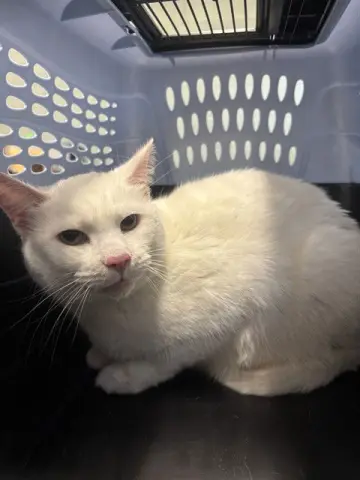
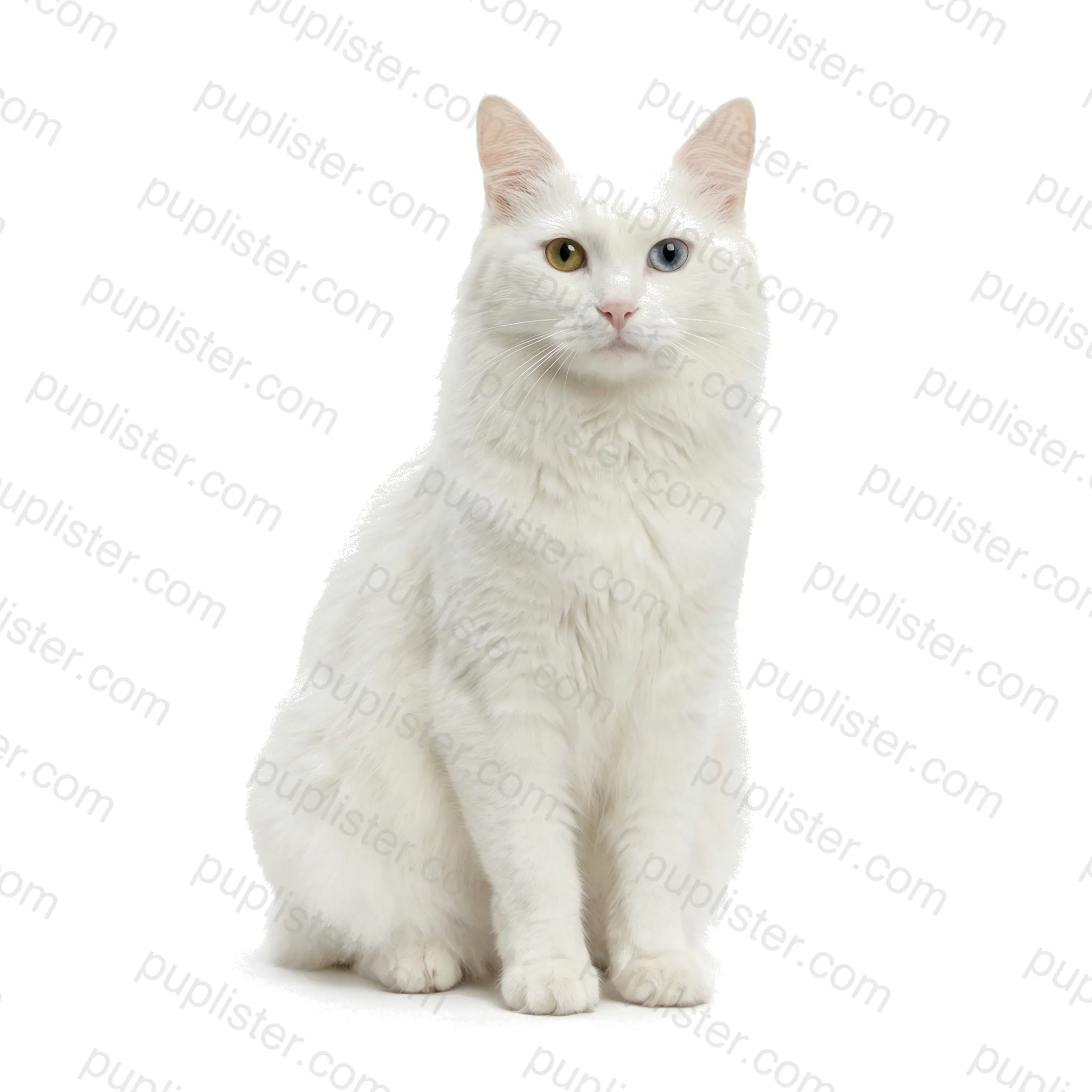
5About the Turkish Angora The Turkish Angora is an ancient, naturally occurring breed from central Turkey — specifically the Ankara region — and is one of the oldest known longhaired cat breeds. This small-to-medium cat weighs 5–10 pounds and possesses a graceful, balletic build with a long, plumed tail, silky single-layer coat (no undercoat), and large, walnut-shaped eyes. While white is the most iconic color — often with striking odd eyes (one blue, one amber) — Turkish Angoras come in nearly every color and pattern except pointed.Temperament & PersonalityTurkish Angoras are spirited, intelligent cats that love to be at the center of the action. They are natural athletes — leaping to the highest shelf, opening doors, and inventing games to entertain themselves. Affectionate and strong-willed, they will happily greet guests and supervise every household activity, often choosing one family member as their primary favorite.ProsElegant, silky coat has no undercoat — sheds less and rarely matsHighly intelligent and entertaining — always inventing new games and tricksSocial and welcoming with guests and family alikeNaturally healthy breed with excellent longevity — many live 15–20 yearsConsWhite cats with blue eyes have a high incidence of congenital deafnessStrong-willed and mischievous — can be stubborn about rulesDemands attention and may become disruptive if ignoredProne to ataxia (a hereditary neurological condition) in some linesEntranced by this ancient Turkish treasure? Find Turkish Angora cats looking for loving homes on Puplister and add a touch of grace to your life.
Adopting a cat doesn't have to be expensive. With smart budgeting and the right resources, even those on a tight income can provide a loving, healthy home for a feline companion.
Looking for the best automatic dog feeder? We reviewed the top 3 models for every budget. Find the perfect feeder for your dog in 2026.
Found a lump on your dog? Learn when to worry and when to wait for a lump on my dog, especially for adopted pets with unknown histories.
Dog reverse sneezing can be scary, but it's usually a harmless reflex. Learn what causes it, how to help your dog, and when to seek vet care.