Why Does My Cat Throw Up After Eating? Causes
Worried about your cat throwing up after eating? Learn the common and serious causes of feline regurgitation and vomiting, plus expert vet tips for.
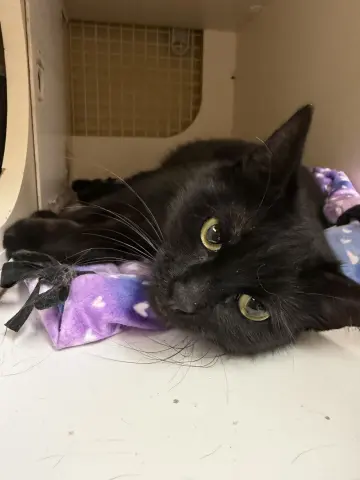
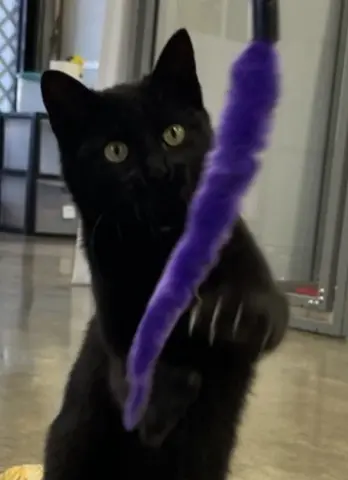
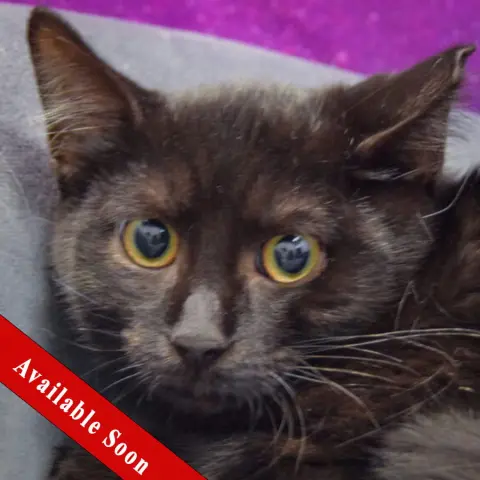
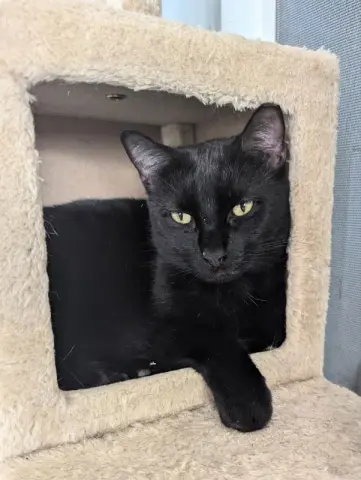
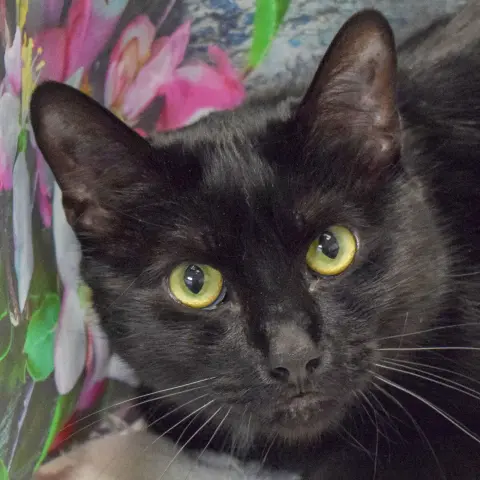
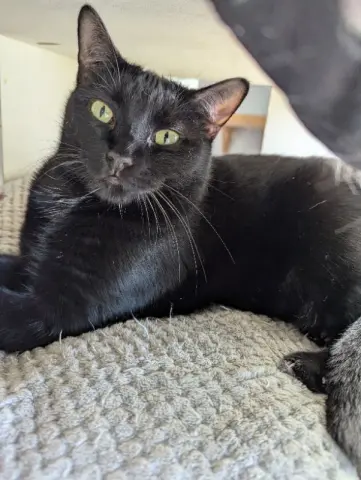
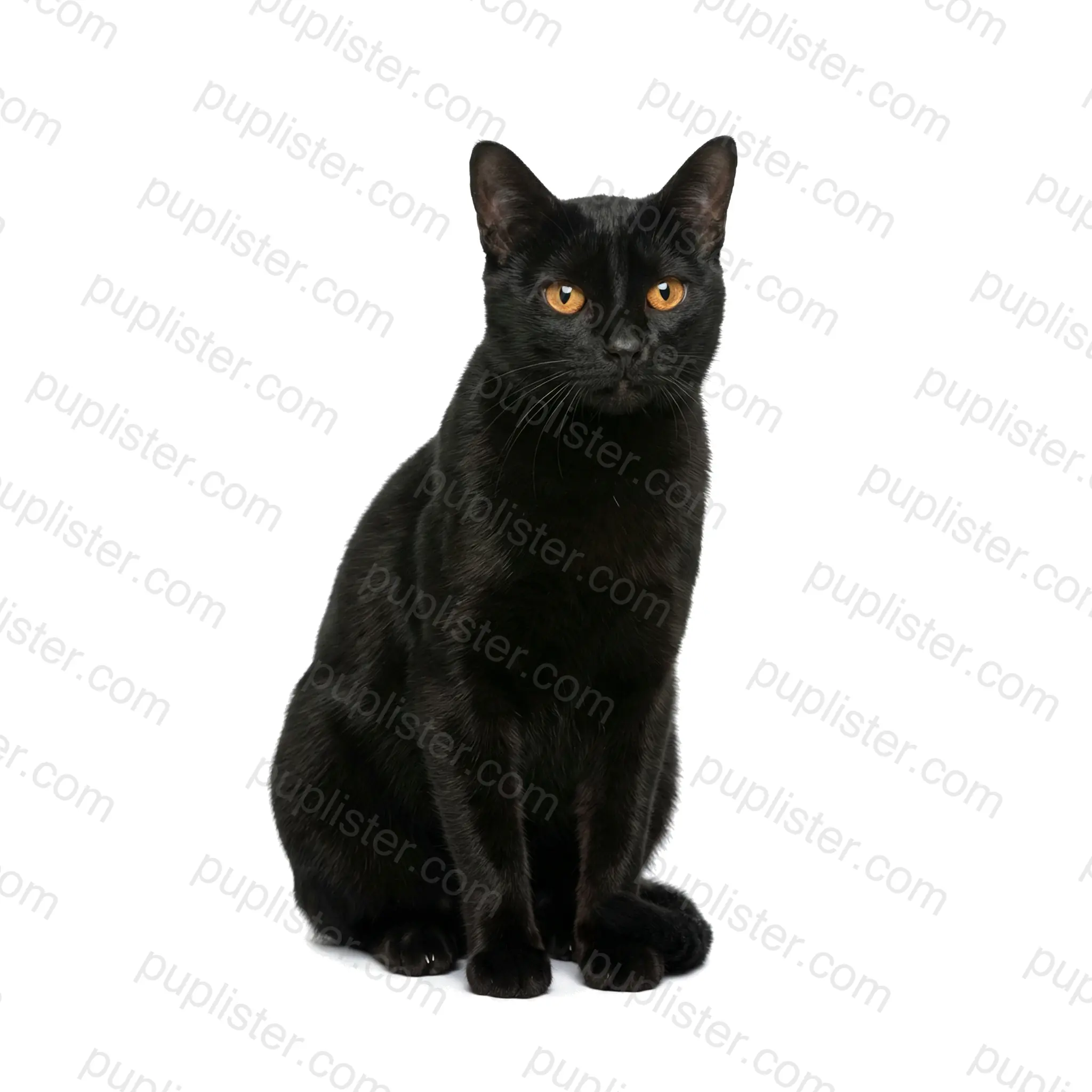
The Bombay was created in the 1950s by breeder Nikki Horner in Louisville, Kentucky, who crossed sable Burmese with black American Shorthairs to produce a cat resembling a miniature black panther. This medium-sized breed weighs 6–11 pounds and has a compact, muscular build with a sleek, jet-black coat. Every feature is black — from their glossy, patent-leather-like fur to their nose leather and paw pads — contrasted only by their striking copper or gold eyes.
Bombays are outgoing, attention-loving cats that thrive on being the center of their family's world. They are remarkably adaptable and get along well with children, dogs, and other cats — often becoming the social director of the household. Their intelligence and trainability make them excellent candidates for learning tricks, and they are known for greeting visitors at the door.
Fall in love with the sleek elegance of the Bombay — find your perfect match among adoptable cats on Puplister.
Answer 5 quick questions to see how well this breed matches your lifestyle.
5 pets available
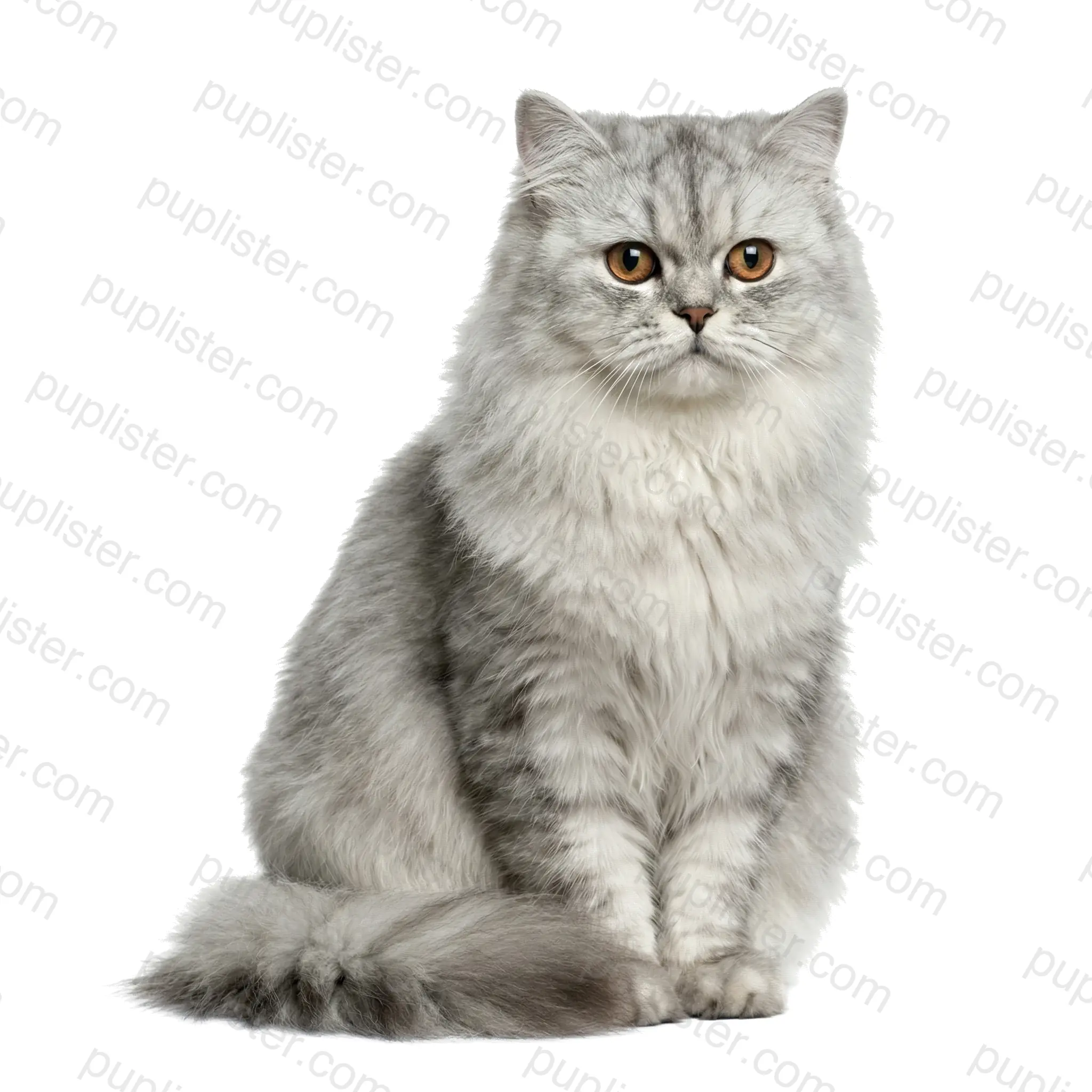
7About the Persian The Persian is one of the oldest and most recognizable cat breeds in the world, with roots tracing back to 17th-century Persia (modern Iran) and Turkey. This medium-to-large cat weighs 7–12 pounds and is instantly identifiable by its flat, pansy-like face, enormous round eyes, small ears, and luxuriously long, thick coat that can reach six inches in length. Persians come in over 80 color variations grouped into seven divisions, including solid, silver, golden, shaded, smoke, tabby, particolor, and pointed (Himalayan).Temperament & PersonalityPersians are the quintessential lap cat — calm, sweet-tempered, and content to lounge on the nearest soft surface. They prefer serene environments and predictable routines, rarely displaying the high-energy antics of more active breeds. Gentle and patient with children, they coexist peacefully with respectful kids and laid-back dogs.ProsExtremely calm and gentle — ideal for quiet, relaxed householdsBeautiful, plush coat available in a vast range of colors and patternsLow activity level — content with minimal exercise and indoor livingSweet, undemanding temperament — rarely vocal or pushyConsRequires daily grooming to prevent severe matting and hairballsBrachycephalic face causes chronic breathing difficulties, tear staining, and dental crowdingProne to polycystic kidney disease (PKD), hypertrophic cardiomyopathy, and ringwormEye discharge requires daily cleaning to prevent staining and infectionLonging for a serene, regal companion? Discover Persian cats seeking forever homes on Puplister and welcome quiet elegance into your life.
3 pets available
11About the Ragamuffin The Ragamuffin emerged in the 1990s as a separate breed from the Ragdoll, developed by breeders who wanted to expand the gene pool and introduce a wider array of colors and patterns. This is a large, heavy cat — weighing 10–20 pounds — with a broad chest, substantial bone structure, and a plush, rabbit-soft coat that resists matting. Ragamuffins come in every color and pattern, including mink, sepia, solid, and bicolor variations not found in Ragdolls.Temperament & PersonalityRagamuffins are exceptionally docile, trusting cats often described as "puppy-like" in their devotion. They greet visitors at the door, follow family members from room to room, and love being held — often going completely limp when picked up. Their patience and gentle nature make them outstanding companions for children and multi-pet households.ProsIncredibly gentle and patient — one of the best breeds for families with young childrenPlush coat resists matting and requires only moderate groomingAvailable in virtually every color and pattern imaginableAdaptable and easygoing — adjusts well to new environments and routinesConsLarge appetite and tendency toward obesity require careful portion controlTrusting nature means they have zero street smarts — strictly indoor onlyProne to hypertrophic cardiomyopathy and polycystic kidney diseaseSlow to mature — does not reach full size and coat until about four years oldReady for a big, cuddly companion who adores everyone? Explore Ragamuffin cats looking for loving homes on Puplister.
2 pets available
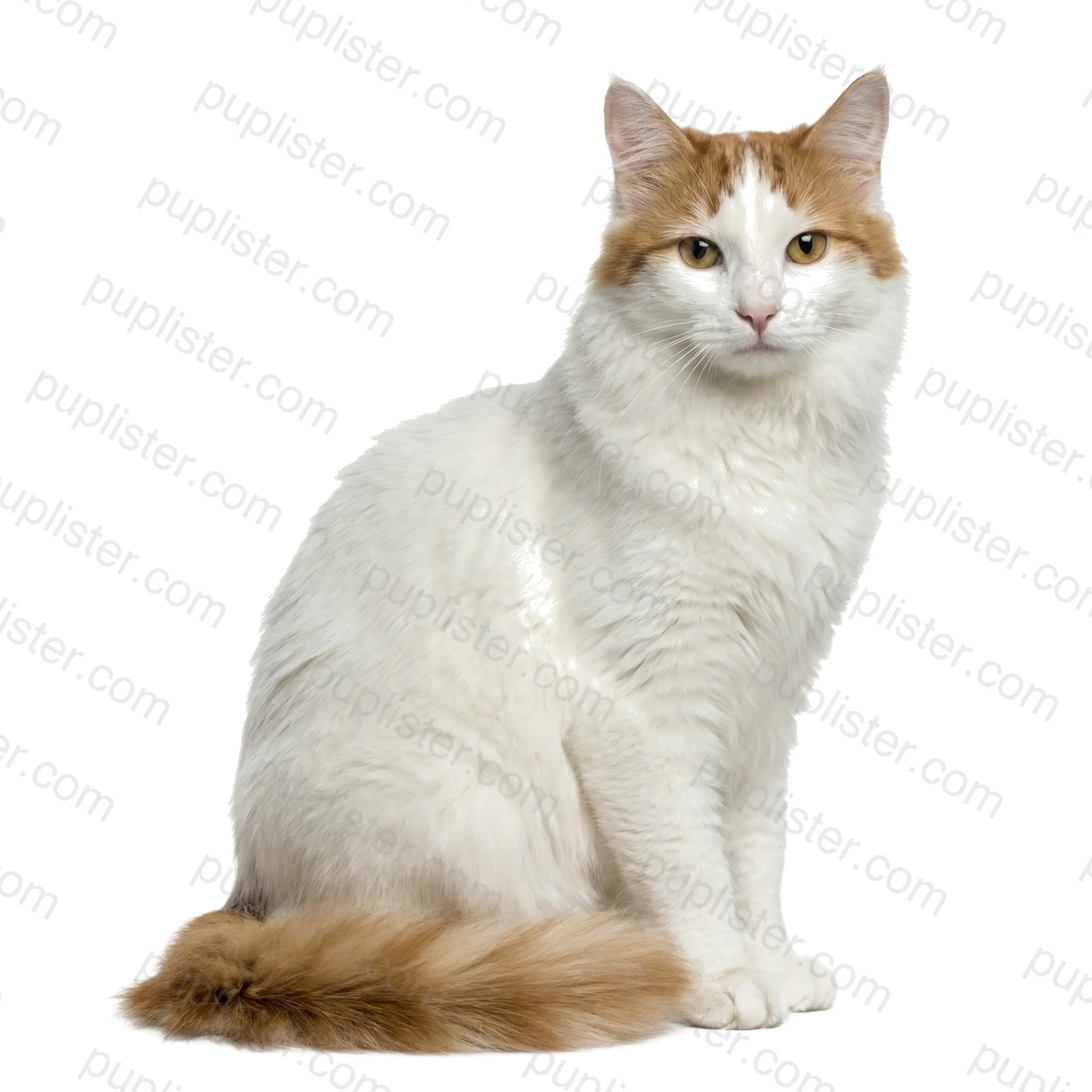
5About the Turkish Angora The Turkish Angora is an ancient, naturally occurring breed from central Turkey — specifically the Ankara region — and is one of the oldest known longhaired cat breeds. This small-to-medium cat weighs 5–10 pounds and possesses a graceful, balletic build with a long, plumed tail, silky single-layer coat (no undercoat), and large, walnut-shaped eyes. While white is the most iconic color — often with striking odd eyes (one blue, one amber) — Turkish Angoras come in nearly every color and pattern except pointed.Temperament & PersonalityTurkish Angoras are spirited, intelligent cats that love to be at the center of the action. They are natural athletes — leaping to the highest shelf, opening doors, and inventing games to entertain themselves. Affectionate and strong-willed, they will happily greet guests and supervise every household activity, often choosing one family member as their primary favorite.ProsElegant, silky coat has no undercoat — sheds less and rarely matsHighly intelligent and entertaining — always inventing new games and tricksSocial and welcoming with guests and family alikeNaturally healthy breed with excellent longevity — many live 15–20 yearsConsWhite cats with blue eyes have a high incidence of congenital deafnessStrong-willed and mischievous — can be stubborn about rulesDemands attention and may become disruptive if ignoredProne to ataxia (a hereditary neurological condition) in some linesEntranced by this ancient Turkish treasure? Find Turkish Angora cats looking for loving homes on Puplister and add a touch of grace to your life.
2 pets available
18About the Sphynx The Sphynx originated in Toronto, Canada, in 1966 when a domestic cat gave birth to a hairless kitten due to a natural genetic mutation. Through careful breeding with Devon Rex and other cats, the Sphynx was established as a robust breed. Weighing 6–12 pounds, this medium-sized cat is famous for its apparent hairlessness — though most Sphynx have a fine layer of peach-fuzz that gives their skin a warm, suede-like texture. Their wrinkled skin, lemon-shaped eyes, enormous ears, and pot belly give them an unmistakable extraterrestrial appearance.Temperament & PersonalitySphynx cats are extroverted clowns that crave human attention and warmth — literally, as they seek out body heat and will burrow under blankets or curl up on any available lap. They are fearless, social, and endlessly entertaining, performing acrobatic feats and greeting everyone — including strangers — with enthusiasm. They do wonderfully with children, dogs, and other cats.ProsNo fur shedding on furniture or clothingExtremely social, affectionate, and entertaining — the ultimate companion catGets along with virtually everyone — kids, dogs, strangers, other catsUnique, striking appearance that turns heads wherever they goConsRequires weekly baths to remove oil buildup that would normally be absorbed by furHighly susceptible to sunburn, cold, and skin infectionsProne to hypertrophic cardiomyopathy (HCM) and hereditary myopathyHigh metabolism means they eat more than similarly sized cats and need a warm environmentCaptivated by this hairless wonder? Find Sphynx cats looking for warm, loving homes on Puplister — your next cuddle buddy awaits.
Worried about your cat throwing up after eating? Learn the common and serious causes of feline regurgitation and vomiting, plus expert vet tips for.
Adopting a cat when you live alone is entirely possible and rewarding. Learn how to choose the right cat, prepare your home, and navigate the adoption.
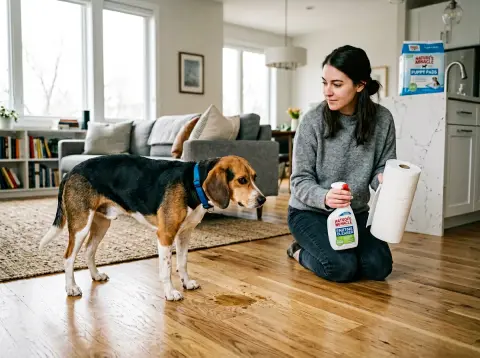
Found a lump on your dog? Learn when to worry and when to wait for a lump on my dog, especially for adopted pets with unknown histories.
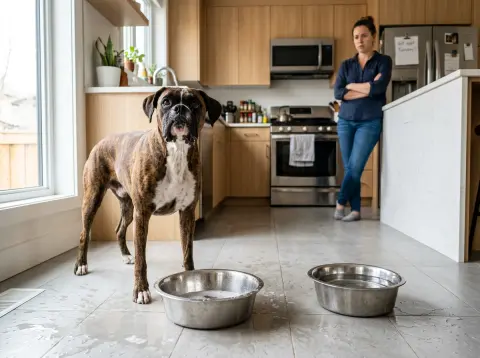
Is your dog drinking so much water suddenly? Learn common causes, from harmless to serious, and when to seek veterinary help for polydipsia.