Chartreux Chartreux

Chartreux

Quiet Loyal Gentle Observant

About the Chartreux

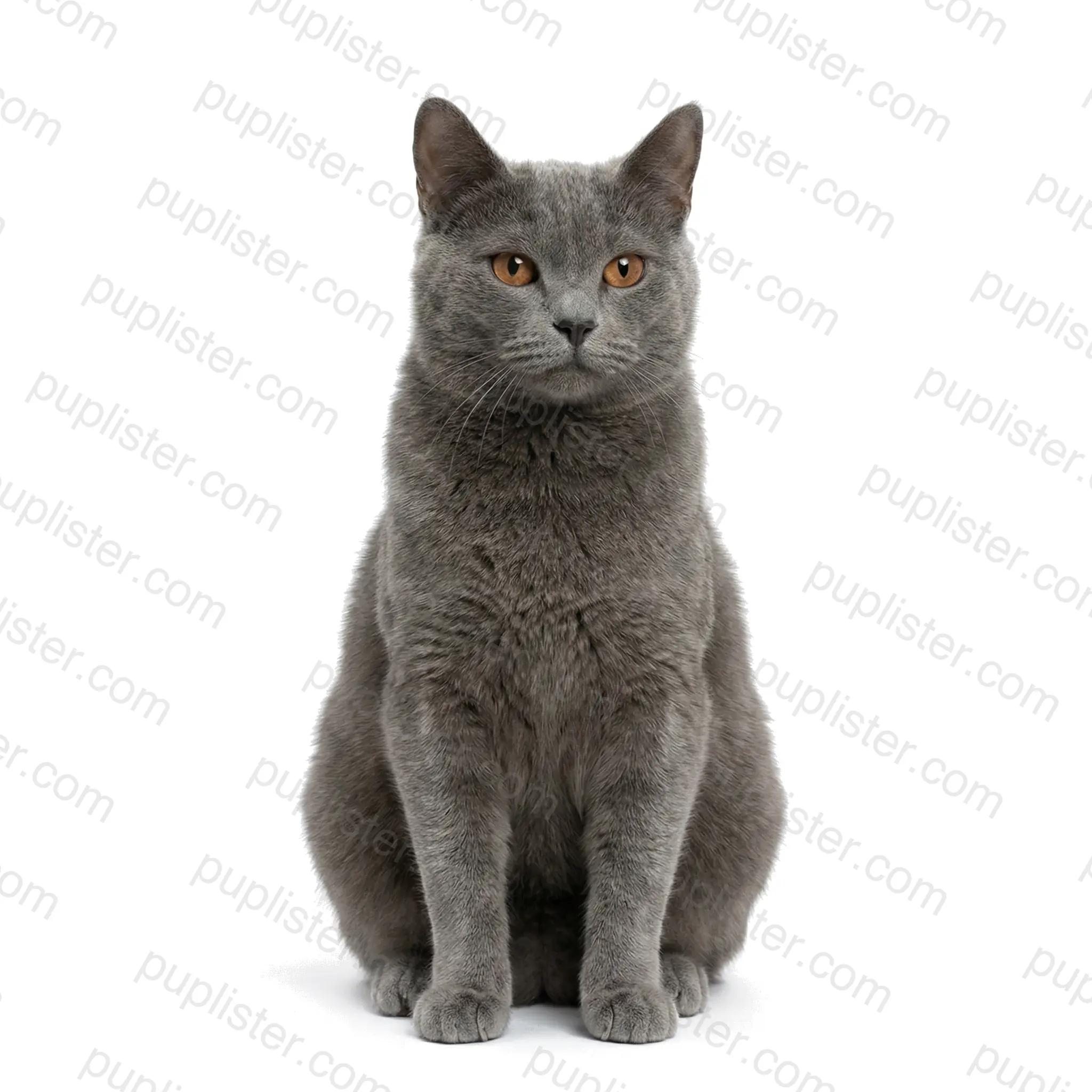
The Chartreux is a rare French breed with a history stretching back centuries — legend connects them to Carthusian monks, though documentation places them in French literature as early as the 16th century. This medium-to-large breed weighs 7–16 pounds and has a robust, broad-chested build with relatively short, fine-boned legs. Their dense, woolly double coat is exclusively blue-gray with silver tips, and their round face with narrowed muzzle gives the appearance of a perpetual smile.

Temperament & Personality

Chartreux cats are quiet, observant, and remarkably gentle — they tend to watch activities thoughtfully before engaging. They bond deeply with one person while remaining friendly to other family members, children, and pets. Often called the "smiling cat of France," they are playful in short bursts but generally prefer a calm, peaceful environment.

Pros

  • Exceptionally quiet — rarely meows, communicating instead with chirps and trills
  • Hardy, naturally healthy breed with few genetic predispositions
  • Dense woolly coat is surprisingly easy to care for with weekly combing
  • Excellent mouser — retains strong hunting instincts

Cons

  • Can be slow to trust and may seem aloof with strangers
  • Woolly coat sheds heavily — especially during spring and fall
  • Prone to patellar luxation (dislocating kneecaps) due to fine-boned legs
  • Relatively rare — finding one through adoption can be challenging

Enchanted by the mysterious Chartreux? Discover cats looking for forever homes on Puplister.

Chartreux Quick Facts

Size
6–14 lbs
Lifespan
12–15 years
Exercise
Moderate
Grooming
Low
Good with Kids
Yes
Good with Pets
Yes

Is the Chartreux right for you?

Answer 5 quick questions to see how well this breed matches your lifestyle.

Take the Quiz

Available Chartreuxes

Olive
Adult
Olive
S

Chartreux

Helen Sanders Cat Protection And Welfare Society · Seal Beach, CA

Related Breeds

Himalayan
Himalayan Cat

1 pet available

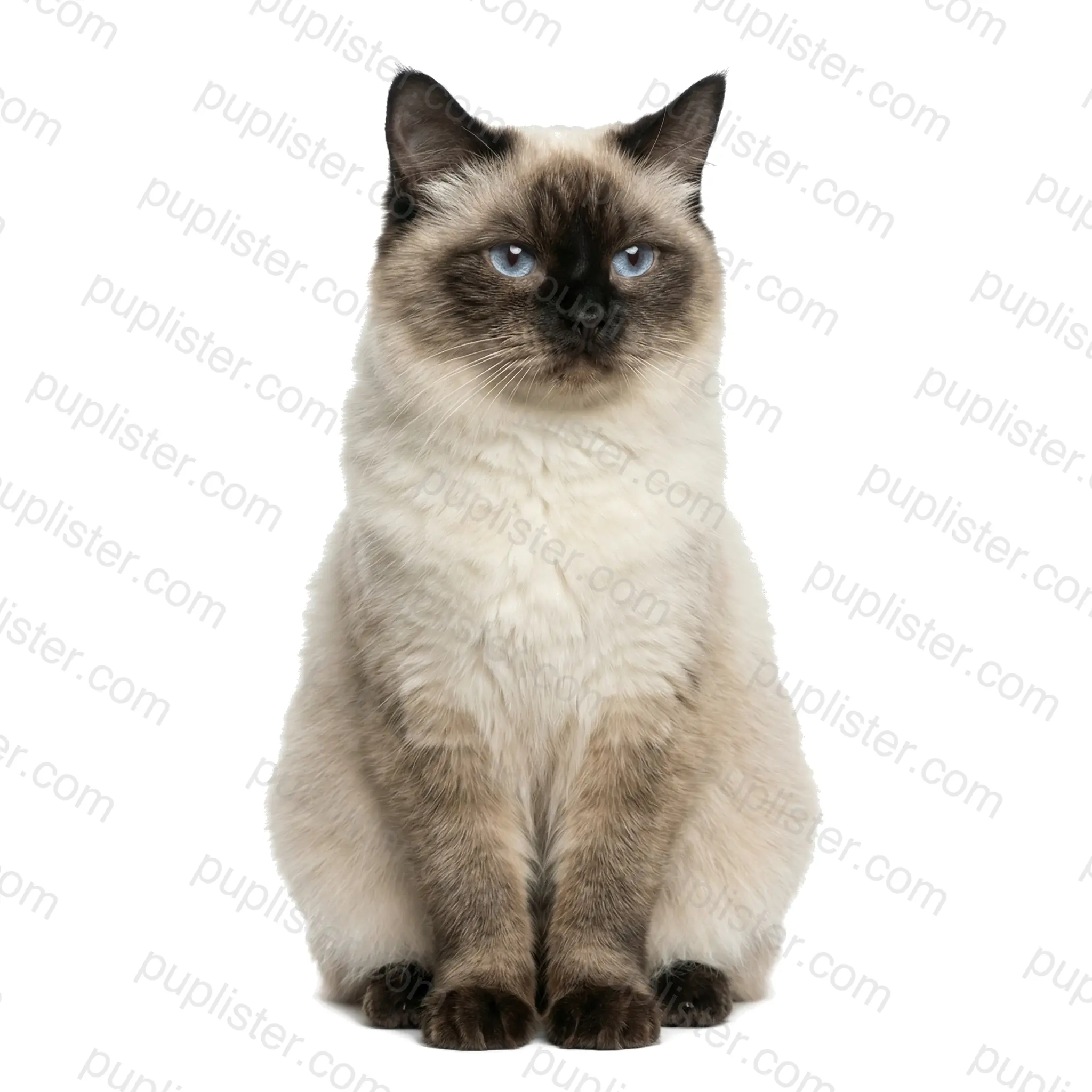
About the Himalayan The Himalayan — known as the Colourpoint Persian in Europe — was developed in the 1930s–1950s by crossing Siamese with Persians to combine the Persian's luxurious coat with Siamese point coloring. This medium-to-large breed weighs 7–14 pounds and has the Persian's flat face, round body, and short legs. Their long, thick, flowing coat comes in all point colors — seal, blue, chocolate, lilac, red, cream, and tortoiseshell — contrasted against a pale cream or white body. Temperament & Personality Himalayans are calm, sweet, and devoted cats that enjoy a serene environment and gentle handling. They are more playful than Persians — thanks to their Siamese heritage — and may enjoy short bursts of activity with a favorite toy. They are patient with well-behaved children and prefer a quiet household, bonding closely with their family while remaining friendly with gentle visitors. Pros Stunningly beautiful — combines Persian elegance with Siamese coloringCalm, gentle personality — ideal for quiet, relaxed householdsDeeply affectionate and loyal to their familyVivid blue eyes inherited from Siamese lineage add to their beauty Cons Coat requires daily grooming — prone to severe matting without consistent careBrachycephalic — prone to breathing difficulties, eye discharge, and dental issuesHigh risk for polycystic kidney disease (PKD) and progressive retinal atrophyHeat-sensitive — must be kept in air-conditioned environments during warm months Ready to pamper a gorgeous Himalayan? Discover cats available for adoption on Puplister today.

Bombay
Bombay Cat

14 pets available

1

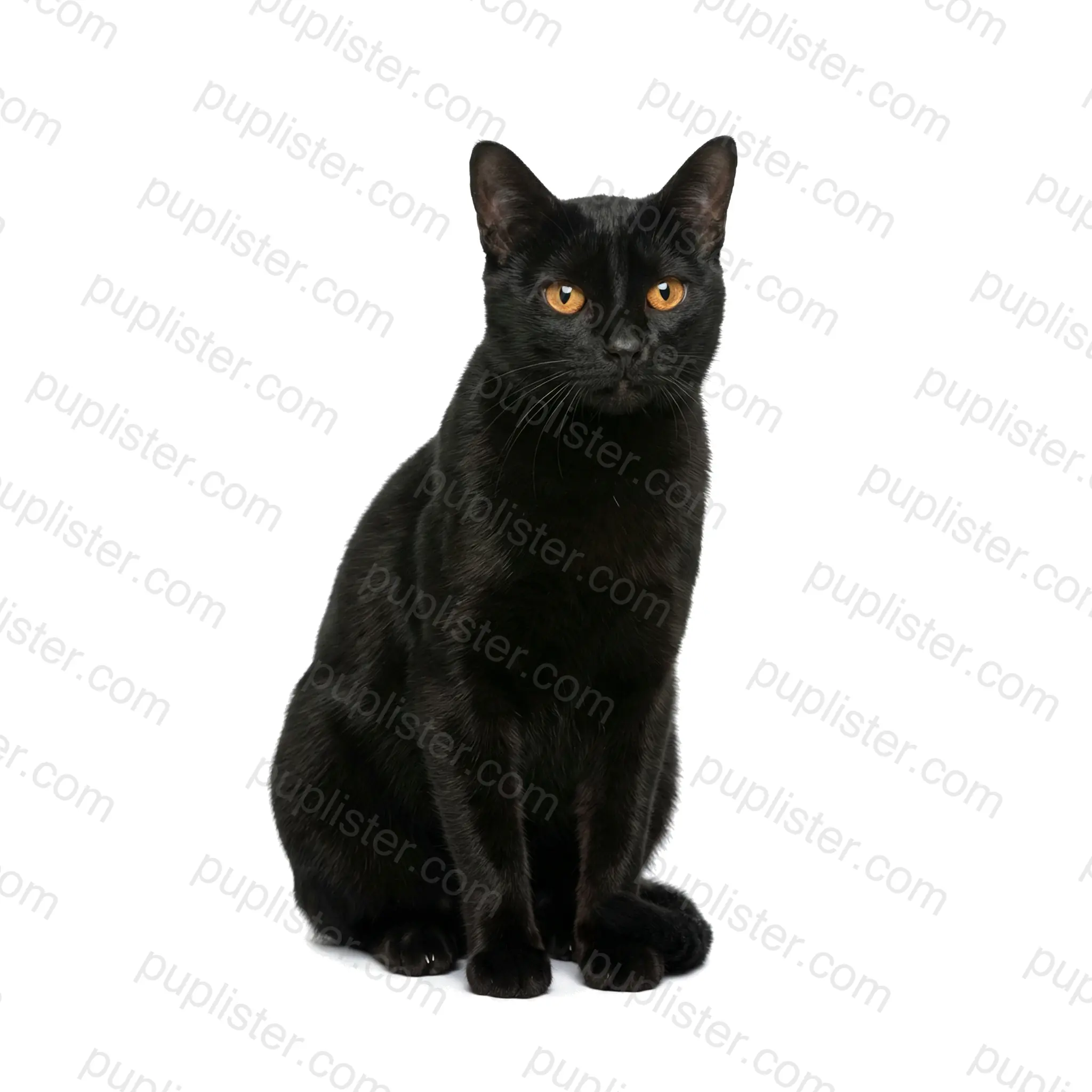
About the Bombay The Bombay was created in the 1950s by breeder Nikki Horner in Louisville, Kentucky, who crossed sable Burmese with black American Shorthairs to produce a cat resembling a miniature black panther. This medium-sized breed weighs 6–11 pounds and has a compact, muscular build with a sleek, jet-black coat. Every feature is black — from their glossy, patent-leather-like fur to their nose leather and paw pads — contrasted only by their striking copper or gold eyes. Temperament & Personality Bombays are outgoing, attention-loving cats that thrive on being the center of their family's world. They are remarkably adaptable and get along well with children, dogs, and other cats — often becoming the social director of the household. Their intelligence and trainability make them excellent candidates for learning tricks, and they are known for greeting visitors at the door. Pros Sleek, low-shedding coat requires minimal groomingDog-like personality — enjoys fetch, leash walks, and greeting guestsHighly adaptable to apartment living and urban environmentsCraves warmth and is an enthusiastic lap cat and bed companion Cons Can be excessively needy — does not tolerate being ignored wellProne to craniofacial defects and breathing issues inherited from Burmese linesOvereats easily and is highly prone to obesityMay become demanding and vocal when seeking attention Fall in love with the sleek elegance of the Bombay — find your perfect match among adoptable cats on Puplister.

Persian
Persian Cat

3 pets available

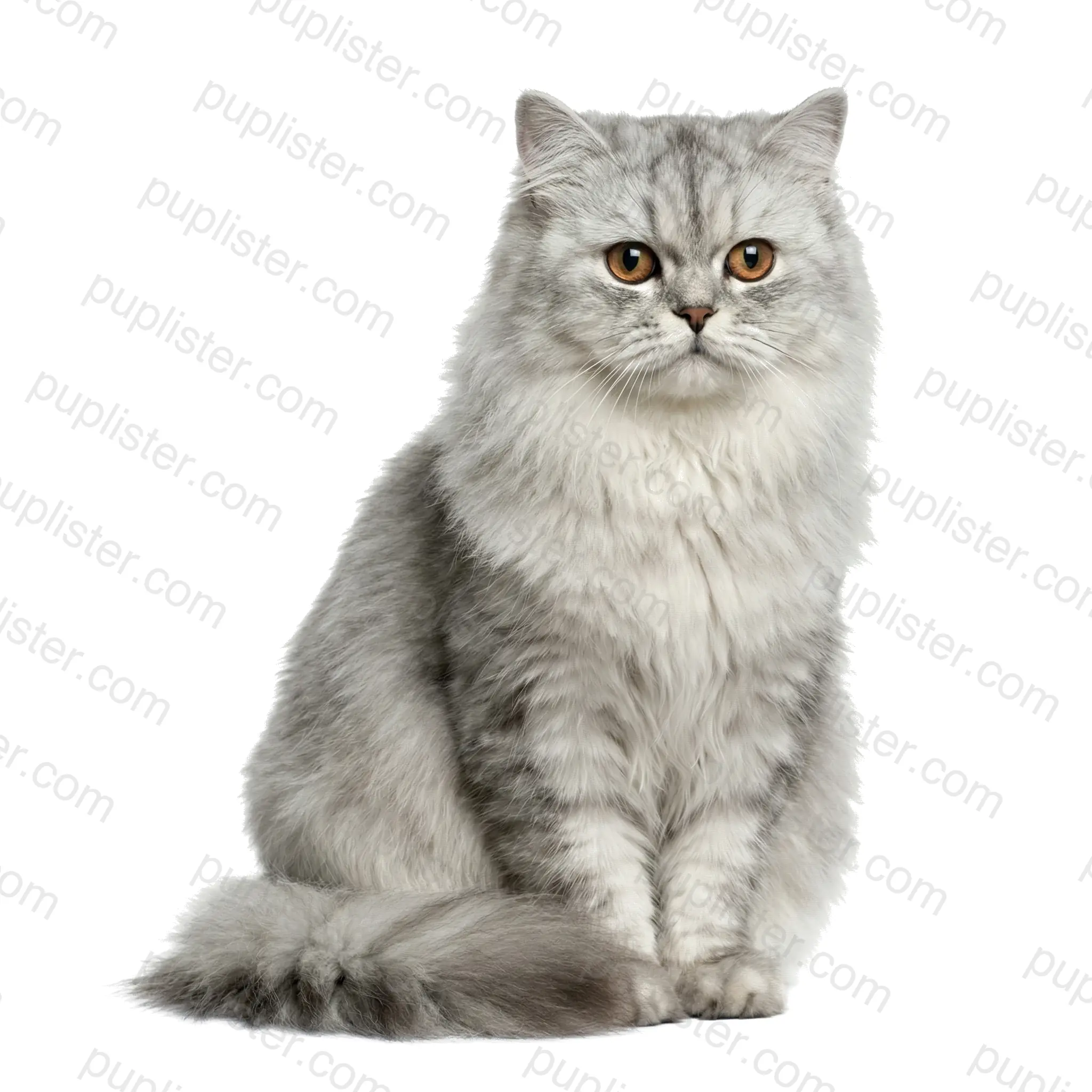
About the Persian The Persian is one of the oldest and most recognizable cat breeds in the world, with roots tracing back to 17th-century Persia (modern Iran) and Turkey. This medium-to-large cat weighs 7–12 pounds and is instantly identifiable by its flat, pansy-like face, enormous round eyes, small ears, and luxuriously long, thick coat that can reach six inches in length. Persians come in over 80 color variations grouped into seven divisions, including solid, silver, golden, shaded, smoke, tabby, particolor, and pointed (Himalayan).Temperament & PersonalityPersians are the quintessential lap cat — calm, sweet-tempered, and content to lounge on the nearest soft surface. They prefer serene environments and predictable routines, rarely displaying the high-energy antics of more active breeds. Gentle and patient with children, they coexist peacefully with respectful kids and laid-back dogs.ProsExtremely calm and gentle — ideal for quiet, relaxed householdsBeautiful, plush coat available in a vast range of colors and patternsLow activity level — content with minimal exercise and indoor livingSweet, undemanding temperament — rarely vocal or pushyConsRequires daily grooming to prevent severe matting and hairballsBrachycephalic face causes chronic breathing difficulties, tear staining, and dental crowdingProne to polycystic kidney disease (PKD), hypertrophic cardiomyopathy, and ringwormEye discharge requires daily cleaning to prevent staining and infectionLonging for a serene, regal companion? Discover Persian cats seeking forever homes on Puplister and welcome quiet elegance into your life.
Maine Coon

10 pets available

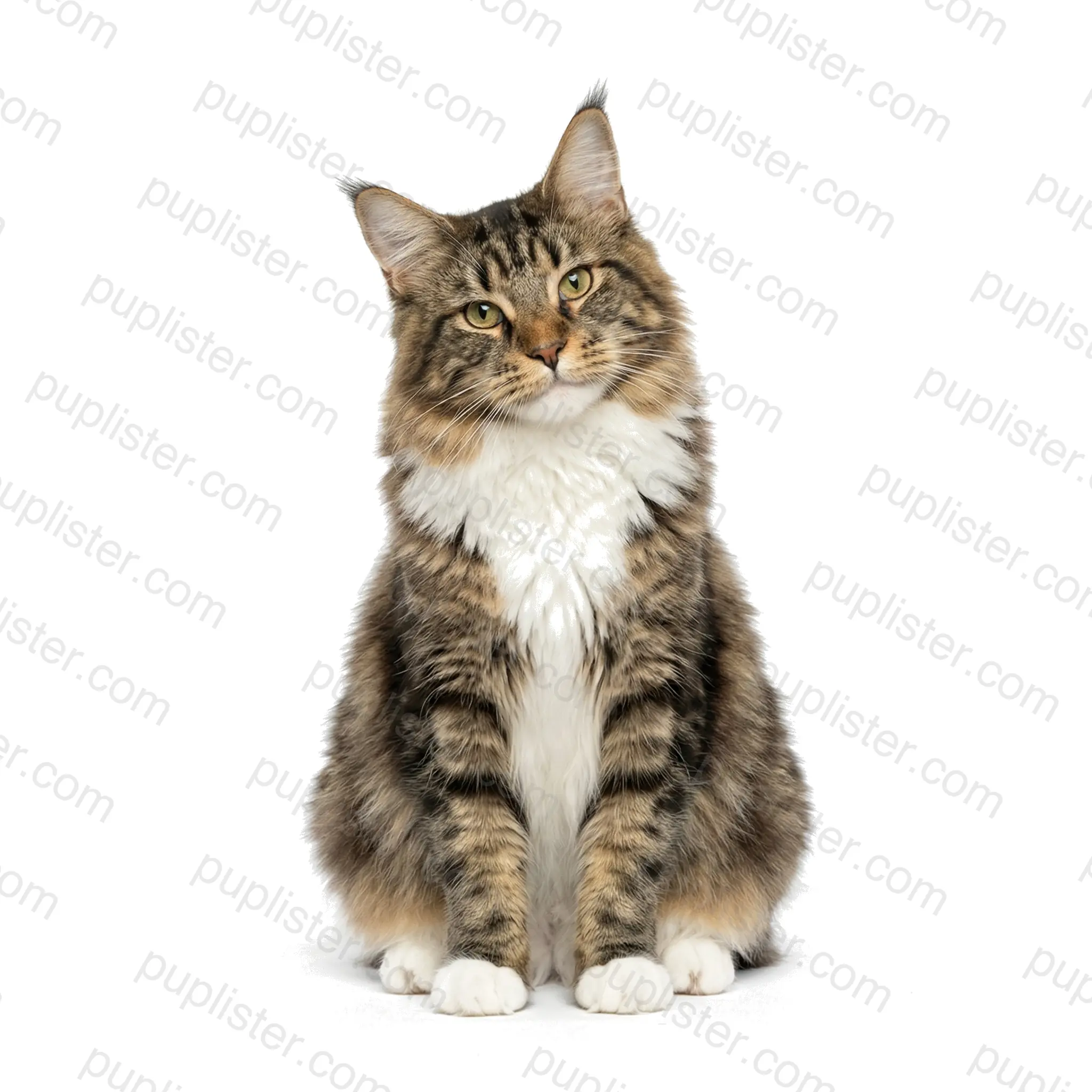
About the Maine Coon The Maine Coon is North America's oldest natural longhaired breed — originating in the rugged state of Maine, where it earned the official title of state cat in 1985. This giant breed is one of the largest domesticated cats in the world, with males weighing 13–25 pounds and females 8–14 pounds, and some individuals exceeding 40 inches in total length. Their thick, water-resistant double coat is longer on the stomach, ruff, and tail — adapted to harsh New England winters — and comes in virtually every color and pattern except pointed. Temperament & Personality Maine Coons are famously gentle giants — sociable, intelligent, and remarkably patient with children, other cats, and dogs alike. They are playful and curious well into adulthood, often fascinated by water and known for their endearing chirping and trilling vocalizations rather than typical meowing. Their dog-like loyalty, trainability, and easygoing nature have made them consistently one of the most popular cat breeds worldwide. Pros Gentle, patient temperament — exceptional with children and other petsDog-like personality — can learn tricks, walk on a leash, and play fetchMajestic appearance with a luxurious mane and plumed tailHardy, adaptable breed that thrives in cold climates Cons Prone to hypertrophic cardiomyopathy (HCM), hip dysplasia, and spinal muscular atrophyLarge size means higher food costs, bigger litter boxes, and sturdier furnitureDense coat requires brushing 2–3 times per week to prevent mats and tanglesSlow to mature — takes 3–5 years to reach full size, extending the kitten-energy phase Ready to share your home with a magnificent Maine Coon? Find gentle giants available for adoption on Puplister.

Related Articles

Frequently Asked Questions

What are the key traits of a Chartreux?
The Chartreux is known for being quiet, loyal, gentle and observant.
How many Chartreuxes are available for adoption?
There is currently 1 Chartreux available for adoption on Puplister. Browse the listings above to find your perfect match.
How do I adopt a Chartreux from Puplister?
To adopt a Chartreux, browse the available listings on this page, click on a pet you're interested in, and contact the shelter directly through their profile page.