Chartreux Chartreux

Chartreux

6
Quiet Loyal Gentle Observant

About the Chartreux

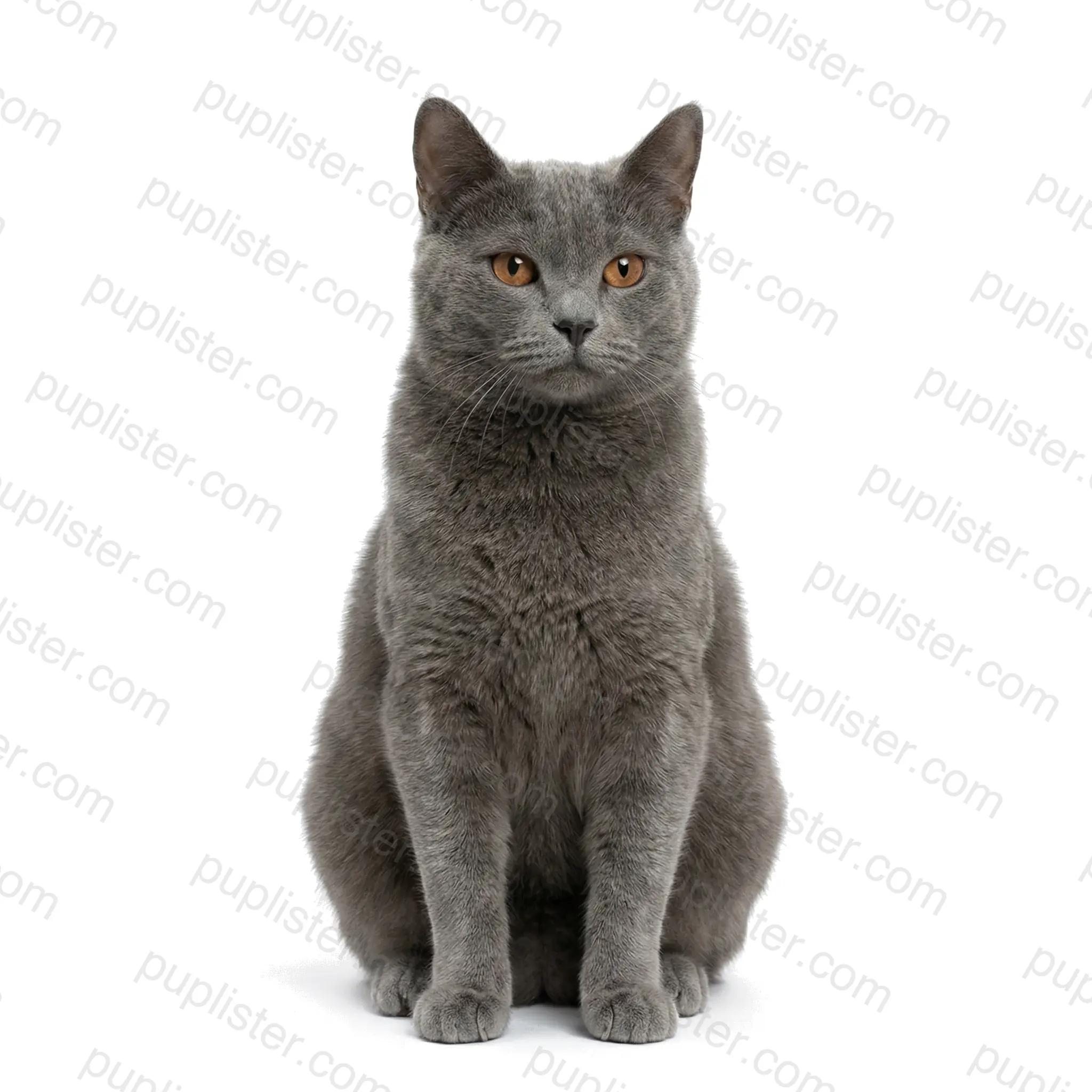
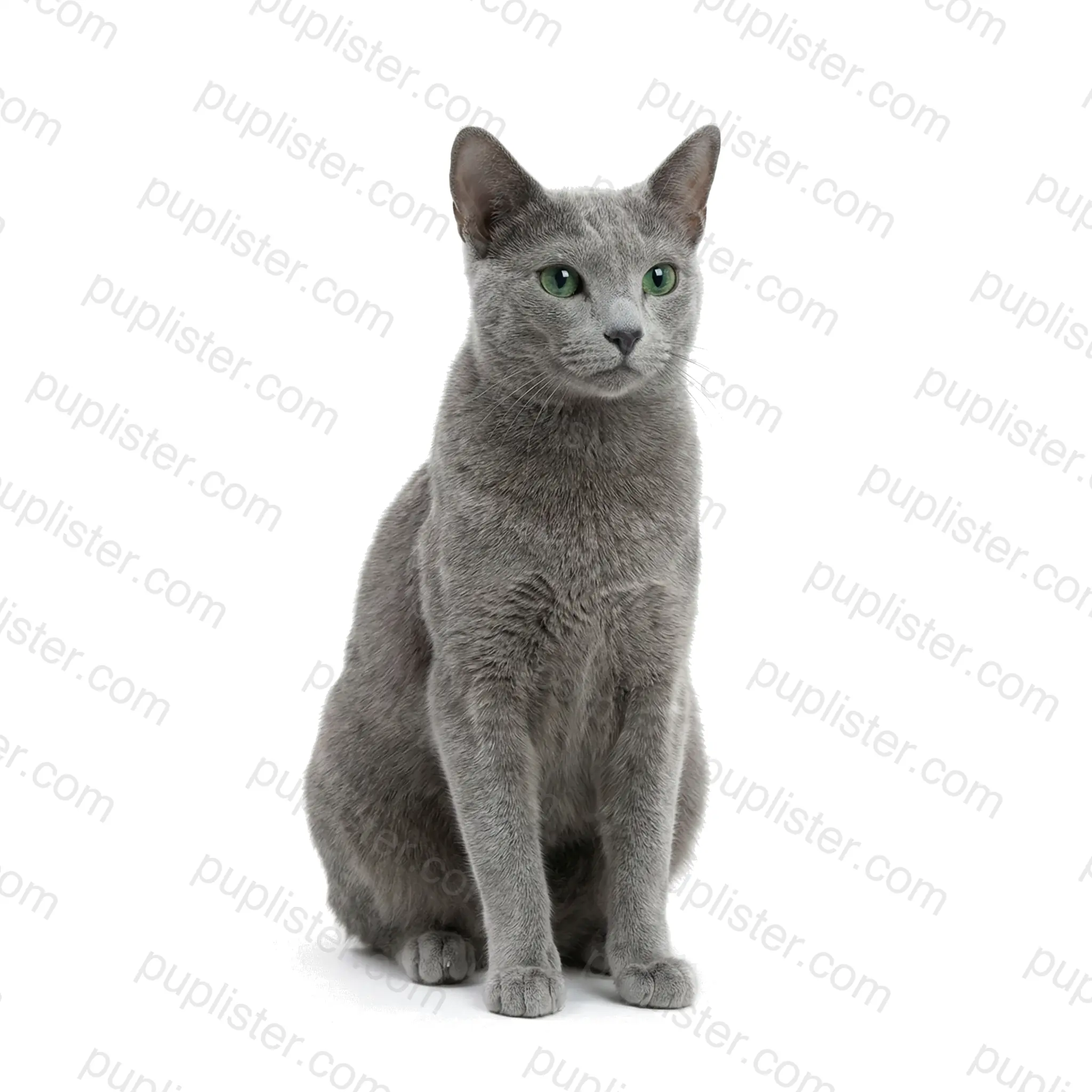
The Chartreux is a rare French breed with a history stretching back centuries — legend connects them to Carthusian monks, though documentation places them in French literature as early as the 16th century. This medium-to-large breed weighs 7–16 pounds and has a robust, broad-chested build with relatively short, fine-boned legs. Their dense, woolly double coat is exclusively blue-gray with silver tips, and their round face with narrowed muzzle gives the appearance of a perpetual smile.

Temperament & Personality

Chartreux cats are quiet, observant, and remarkably gentle — they tend to watch activities thoughtfully before engaging. They bond deeply with one person while remaining friendly to other family members, children, and pets. Often called the "smiling cat of France," they are playful in short bursts but generally prefer a calm, peaceful environment.

Pros

  • Exceptionally quiet — rarely meows, communicating instead with chirps and trills
  • Hardy, naturally healthy breed with few genetic predispositions
  • Dense woolly coat is surprisingly easy to care for with weekly combing
  • Excellent mouser — retains strong hunting instincts

Cons

  • Can be slow to trust and may seem aloof with strangers
  • Woolly coat sheds heavily — especially during spring and fall
  • Prone to patellar luxation (dislocating kneecaps) due to fine-boned legs
  • Relatively rare — finding one through adoption can be challenging

Enchanted by the mysterious Chartreux? Discover cats looking for forever homes on Puplister.

Chartreux Quick Facts

Size
6–14 lbs
Lifespan
12–15 years
Exercise
Moderate
Grooming
Low
Good with Kids
Yes
Good with Pets
Yes

Is the Chartreux right for you?

Answer 5 quick questions to see how well this breed matches your lifestyle.

Take the Quiz

Available Chartreuxes

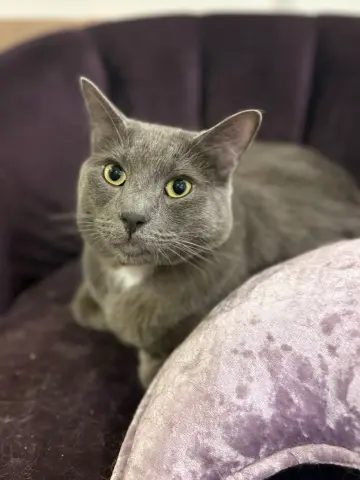
Christian Gray
Young 1

Chartreux

Butterscotch Castle Rescue · Los Angeles, CA

Related Breeds

Toyger
Toyger Cat

2 pets available

6

About the Toyger The Toyger — "toy tiger" — was developed beginning in 1993 by Judy Sugden in the United States, who selectively bred domestic shorthair tabbies to create a cat that resembles a miniature tiger. Weighing 7–15 pounds, this medium-to-large muscular cat features a long, low-slung body, small rounded ears, and a striking coat of bold, vertically aligned dark stripes (called "branching") on a vivid orange-tan background with a white-lightened belly — the goal being as close to a tiger's pattern as possible.Temperament & PersonalityDespite their wild appearance, Toygers are easygoing, friendly cats that enjoy human company and adapt well to indoor living. They are intelligent and trainable, readily learning to walk on a leash, play fetch, and perform tricks. Social and relaxed, they do well with children and other pets, showing none of the intensity of actual wild-hybrid breeds.ProsSpectacular tiger-like appearance with no wild cat bloodlinesLaid-back and friendly — easier to manage than most exotic-looking breedsIntelligent and trainable — enjoys learning tricks and leash walkingShort coat requires minimal groomingConsVery rare and expensive — limited availability through breedersBreed is still in development — the gene pool remains smallMay inherit heart murmurs from some breeding linesHigh price tag and rarity make adoption opportunities uncommonWant a living room tiger without the wild side? Keep an eye on Puplister for Toyger cats and kittens seeking loving homes.

Ragdoll
Ragdoll Cat

11 pets available

8

About the Ragdoll The Ragdoll was developed in the 1960s in Riverside, California, by breeder Ann Baker, who selected for docile, floppy cats that go limp when held — hence the name. One of the largest domestic cat breeds, Ragdolls weigh 10–20 pounds (males often exceeding 15 pounds) and have striking blue eyes, a semi-long silky coat, and a colorpoint pattern with a lighter body and darker extremities. They come in six main colors — seal, blue, chocolate, lilac, red, and cream — with four patterns: colorpoint, mitted, bicolor, and lynx.Temperament & PersonalityRagdolls are famously gentle, relaxed cats that often follow their owners from room to room like loyal dogs. They tend to greet you at the door and flop at your feet, earning their reputation as "floor cats" and "puppy cats." Exceptionally tolerant and patient, they are among the best breeds for families with children and get along beautifully with dogs and other cats.ProsExtremely gentle and tolerant — ideal for households with young childrenSilky coat lacks a dense undercoat, reducing matting and shedding compared to other longhairsCalm, laid-back energy level — content with moderate play and lots of cuddlingDog-like devotion — follows owners, greets guests, and can learn simple tricksConsGenetic predisposition to hypertrophic cardiomyopathy (HCM) — DNA testing recommendedTrusting and non-aggressive to a fault — must be kept strictly indoorsLarge size means higher food costs and need for oversized litter boxesCan develop bladder stones and urinary tract issuesIf a big, blue-eyed lap cat sounds like your dream companion, search for Ragdoll cats available for adoption on Puplister.

Snowshoe
Snowshoe Cat

16 pets available

3

About the Snowshoe The Snowshoe was developed in the 1960s in Philadelphia by crossing Siamese cats with American Shorthairs, creating a pointed cat with distinctive white "boots" on all four paws. This medium-sized breed weighs 7–12 pounds and combines the Siamese's colorpoint pattern with a more robust, moderately stocky build. Their short, smooth coat comes in seal point and blue point, always featuring white paws, an inverted white "V" on the face, and striking blue eyes.Temperament & PersonalitySnowshoes are vocal, social cats that inherit the Siamese's love of conversation but with a softer, more melodic voice. They are playful and intelligent, often learning to open doors and turn on faucets — many Snowshoes are fascinated by running water. They bond closely with their families and can become distressed if left alone for long periods.ProsStriking, unique appearance — the white boots and facial markings are hard to resistVocal but softer-voiced than the Siamese — communicative without being overwhelmingIntelligent and playful — enjoys puzzle toys, fetch, and learning tricksAffectionate and loyal — bonds deeply with family membersConsProne to separation anxiety — needs companionship throughout the dayMarkings are unpredictable — "show-quality" pattern is notoriously difficult to breed consistentlyCan be sensitive and moody — may sulk if they feel ignoredInherited health concerns from Siamese lines, including dental and heart issuesLove the Siamese look with a twist? Browse Snowshoe cats seeking their perfect families on Puplister today.

Scottish Fold

2 pets available

6

About the Scottish Fold The Scottish Fold traces its origins to a single barn cat named Susie, found in Perthshire, Scotland, in 1961 — the first documented cat with the breed's signature forward-folding ears caused by a natural cartilage mutation. This medium-sized cat weighs 6–13 pounds, has a round head, large round eyes, and a stocky, well-padded body. Scottish Folds come in both longhair and shorthair varieties, in virtually every color and pattern including tabby, solid, bicolor, and calico.Temperament & PersonalityScottish Folds are sweet, easygoing cats known for their quirky habit of sitting in odd positions — including the "Buddha sit" with legs stretched out and paws resting on their belly. They are moderately active and enjoy interactive play without being hyperactive. Gentle with children and amiable with other pets, they adapt well to most living situations.ProsDistinctive, owl-like appearance with those signature folded earsCalm and adaptable — thrives in apartments, houses, and busy households alikeGood-natured and gentle with children and other animalsModerate energy level — playful but not demandingConsThe fold gene causes osteochondrodysplasia — painful cartilage and bone abnormalities in many catsMust never be bred fold-to-fold due to severe skeletal issues in offspringProne to arthritis, especially in the tail, ankles, and kneesEar fold makes them more susceptible to ear infections and wax buildupDrawn to those adorable folded ears and laid-back personality? Find Scottish Fold cats waiting for adoption on Puplister.

Related Articles

Frequently Asked Questions

What are the key traits of a Chartreux?
The Chartreux is known for being quiet, loyal, gentle and observant.
How many Chartreuxes are available for adoption?
There is currently 1 Chartreux available for adoption on Puplister. Browse the listings above to find your perfect match.
How do I adopt a Chartreux from Puplister?
To adopt a Chartreux, browse the available listings on this page, click on a pet you're interested in, and contact the shelter directly through their profile page.