Adopted Cat Meowing All Night: How to Stop It
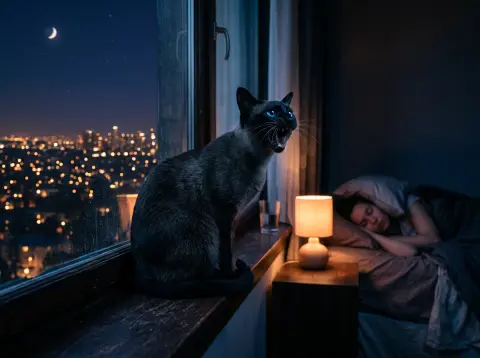
Adopted cat meowing all night? Discover why it happens, how to create a calm environment, and a realistic timeline to quiet nighttime meows.
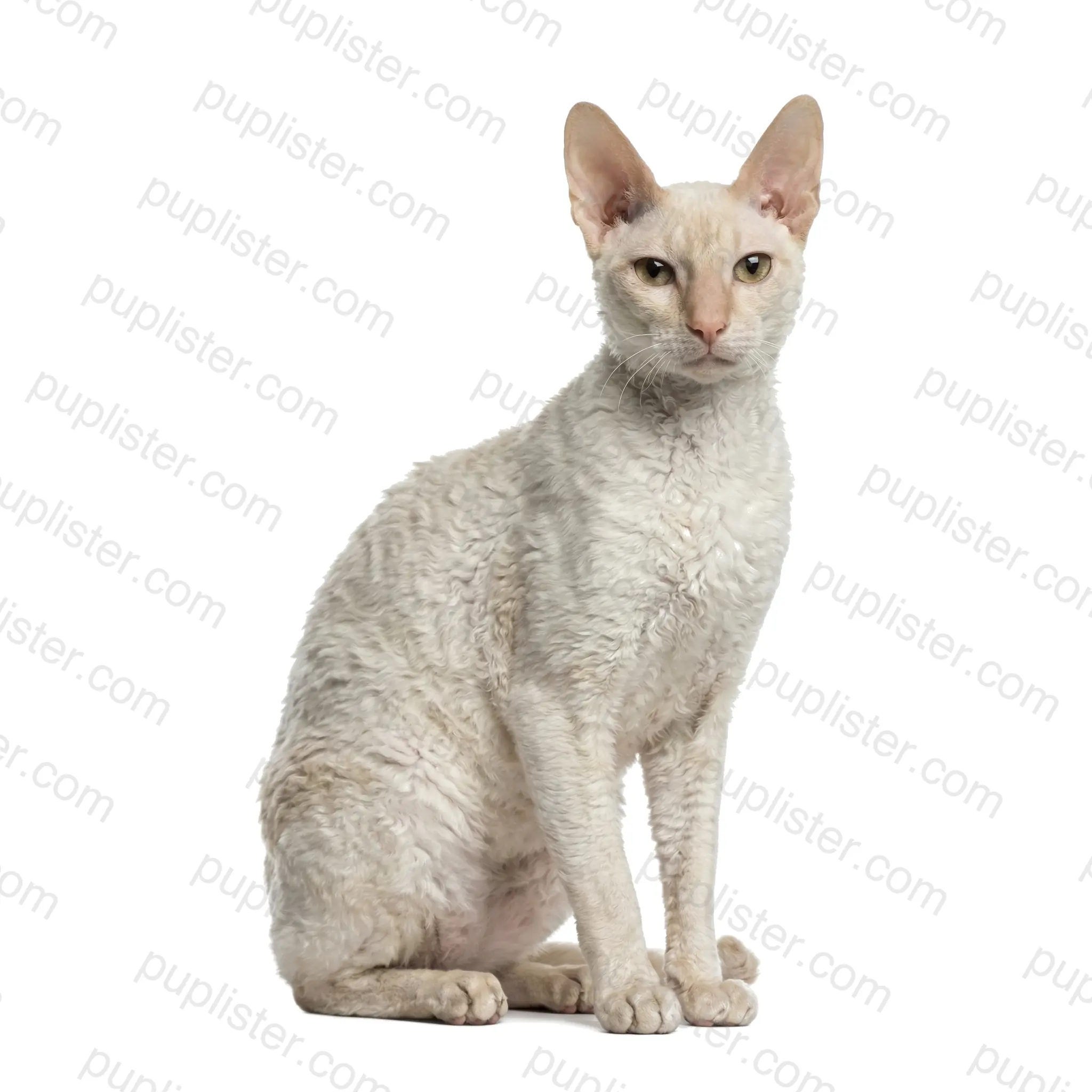
The Cornish Rex originated in 1950 in Cornwall, England, when a curly-coated kitten named Kallibunker appeared in an otherwise normal litter on a farm. This small-to-medium breed weighs 5–10 pounds and has a distinctive greyhound-like body — arched back, tucked waist, and long, slender legs built for speed. Their coat is uniquely composed of only the soft, curly down layer — lacking the outer guard hairs and middle awn hairs that other cats possess — creating a washboard-like wave pattern.
Cornish Rex cats are energetic, acrobatic, and endlessly entertaining — they retain their kitten-like playfulness well into their senior years. They are extremely social, love to be held and handled, and will seek out the warmest lap or blanket in the house. They thrive with children and other active pets, and their clownish antics make them natural performers.
Bring home the playful energy of a Cornish Rex — explore cats available for adoption on Puplister.
Answer 5 quick questions to see how well this breed matches your lifestyle.
Check back soon or browse all cats.
14 pets available
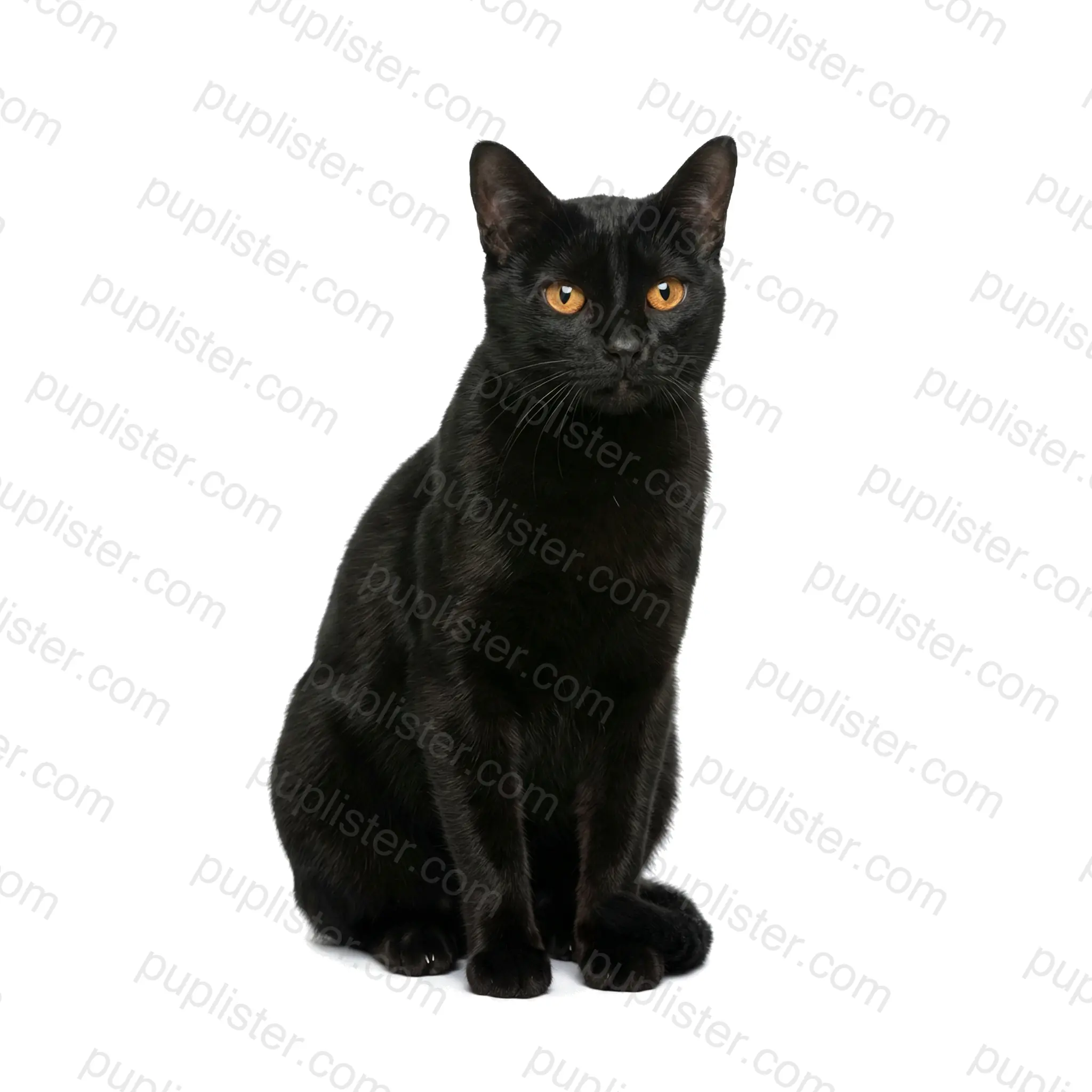
1About the Bombay The Bombay was created in the 1950s by breeder Nikki Horner in Louisville, Kentucky, who crossed sable Burmese with black American Shorthairs to produce a cat resembling a miniature black panther. This medium-sized breed weighs 6–11 pounds and has a compact, muscular build with a sleek, jet-black coat. Every feature is black — from their glossy, patent-leather-like fur to their nose leather and paw pads — contrasted only by their striking copper or gold eyes. Temperament & Personality Bombays are outgoing, attention-loving cats that thrive on being the center of their family's world. They are remarkably adaptable and get along well with children, dogs, and other cats — often becoming the social director of the household. Their intelligence and trainability make them excellent candidates for learning tricks, and they are known for greeting visitors at the door. Pros Sleek, low-shedding coat requires minimal groomingDog-like personality — enjoys fetch, leash walks, and greeting guestsHighly adaptable to apartment living and urban environmentsCraves warmth and is an enthusiastic lap cat and bed companion Cons Can be excessively needy — does not tolerate being ignored wellProne to craniofacial defects and breathing issues inherited from Burmese linesOvereats easily and is highly prone to obesityMay become demanding and vocal when seeking attention Fall in love with the sleek elegance of the Bombay — find your perfect match among adoptable cats on Puplister.
2 pets available
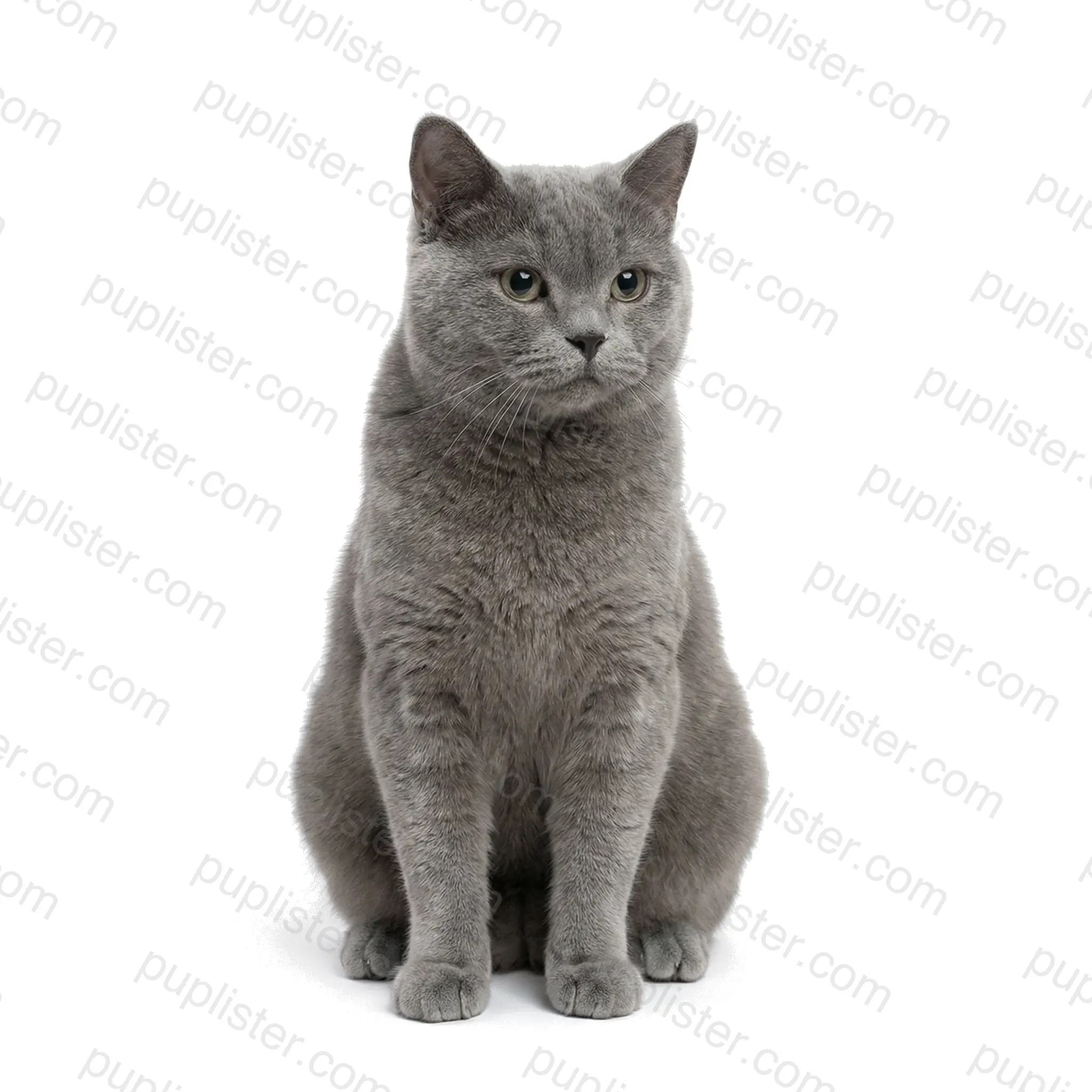
About the British Shorthair The British Shorthair is one of the oldest and most recognizable cat breeds — tracing its roots to the domestic cats of Roman-era Britain, later refined through selective breeding in the 19th century. This large, stocky breed weighs 9–18 pounds and is famous for its round face, dense double coat, and broad, powerful build. While the "British Blue" (solid gray-blue) is the most iconic variety, the breed comes in an extensive range of colors and patterns. Temperament & Personality British Shorthairs are dignified, calm cats that prefer to keep all four paws on the ground — they are not typically lap cats and may resist being picked up. They are affectionate on their own terms, loyal to their families, and generally tolerant of well-behaved children and other pets. Their unflappable, easygoing nature makes them one of the most popular companion breeds worldwide. Pros Robust health and impressive longevity — commonly lives 14–20 yearsLow-maintenance temperament — calm, quiet, and not prone to behavioral issuesDense plush coat is easy to groom with weekly brushingHandles being alone well — ideal for working professionals Cons Highly prone to obesity — requires strict diet management and play encouragementCan develop hypertrophic cardiomyopathy (HCM) and polycystic kidney diseaseNot a cuddly lap cat — prefers to sit near you rather than on youSlow to mature — takes 3–5 years to reach full physical development The British Shorthair could be your perfect low-key companion — search for adoptable cats on Puplister now.
5 pets available
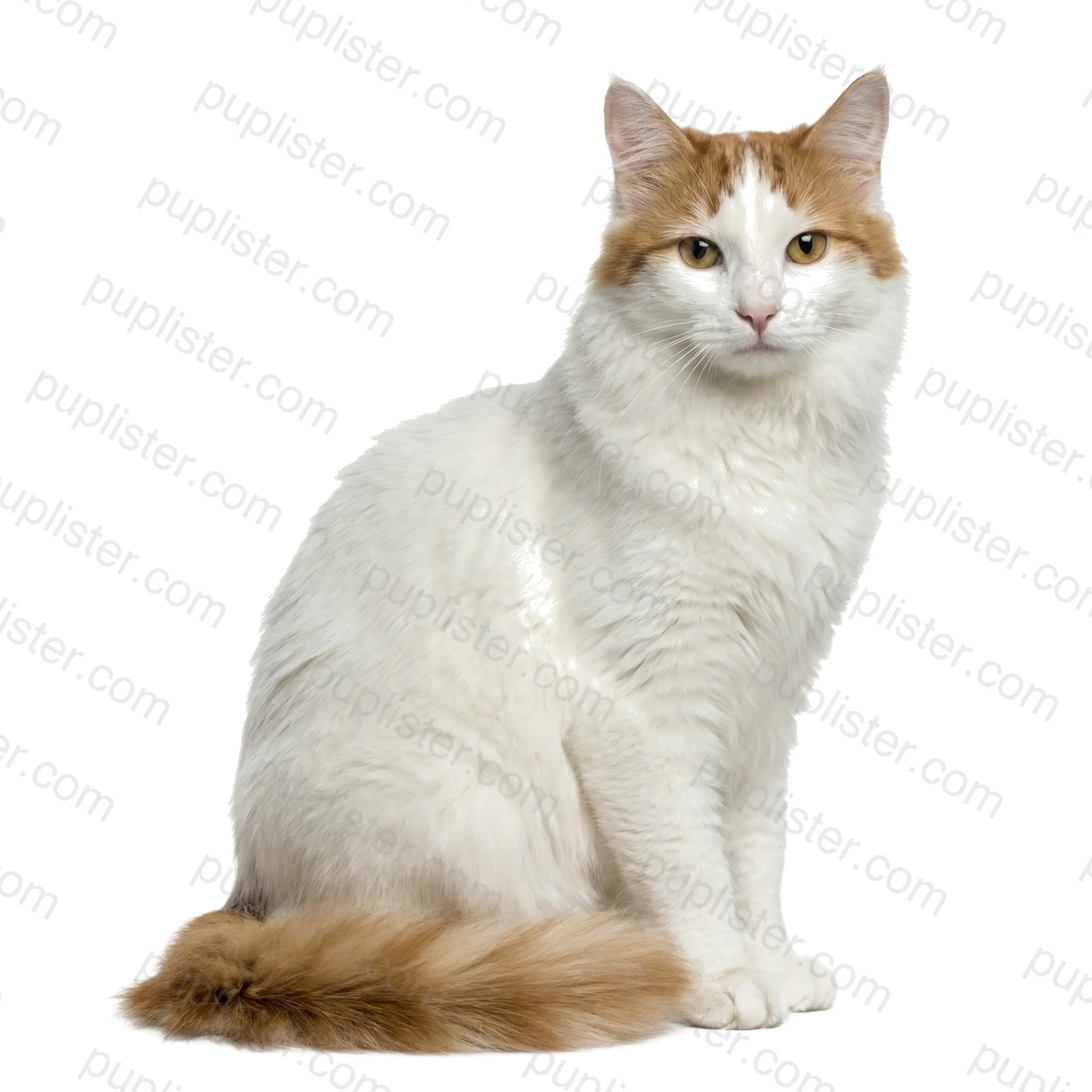
2About the Turkish Van The Turkish Van is a rare, naturally occurring breed from the Lake Van region of eastern Turkey, renowned as the "swimming cat" for its unusual love of water. This is a large, muscular cat weighing 10–18 pounds with a semi-long, cashmere-like single coat that is water-resistant and dries remarkably fast. The classic Van pattern features a predominantly chalk-white body with colored markings limited to the head and tail — typically in red, cream, black, blue, or tortoiseshell — though solid white and fully colored Vans also exist.Temperament & PersonalityTurkish Vans are energetic, independent, and famously fond of water — they may join you in the shower, play in the toilet, or splash in their water bowl. Intelligent and athletic, they love to climb, jump, and play vigorously. They bond closely with their family but can be selective about being held — they prefer to be near you rather than in your lap.ProsUnique love of water sets them apart from nearly every other breedCashmere-textured single coat is water-resistant, low-shedding, and rarely matsAthletic and playful — endlessly entertaining to watchHardy, naturally evolved breed with robust healthConsDoes not enjoy being held or restrained — wants affection on its own termsExtremely high energy — needs significant space and daily vigorous playWater obsession can create messes — toilet lids must stay closedAll-white Vans can be prone to deafness, similar to Turkish AngorasLooking for an adventurous water-lover unlike any other cat? Browse Turkish Van cats on Puplister and discover this remarkable swimming feline.
132 pets available
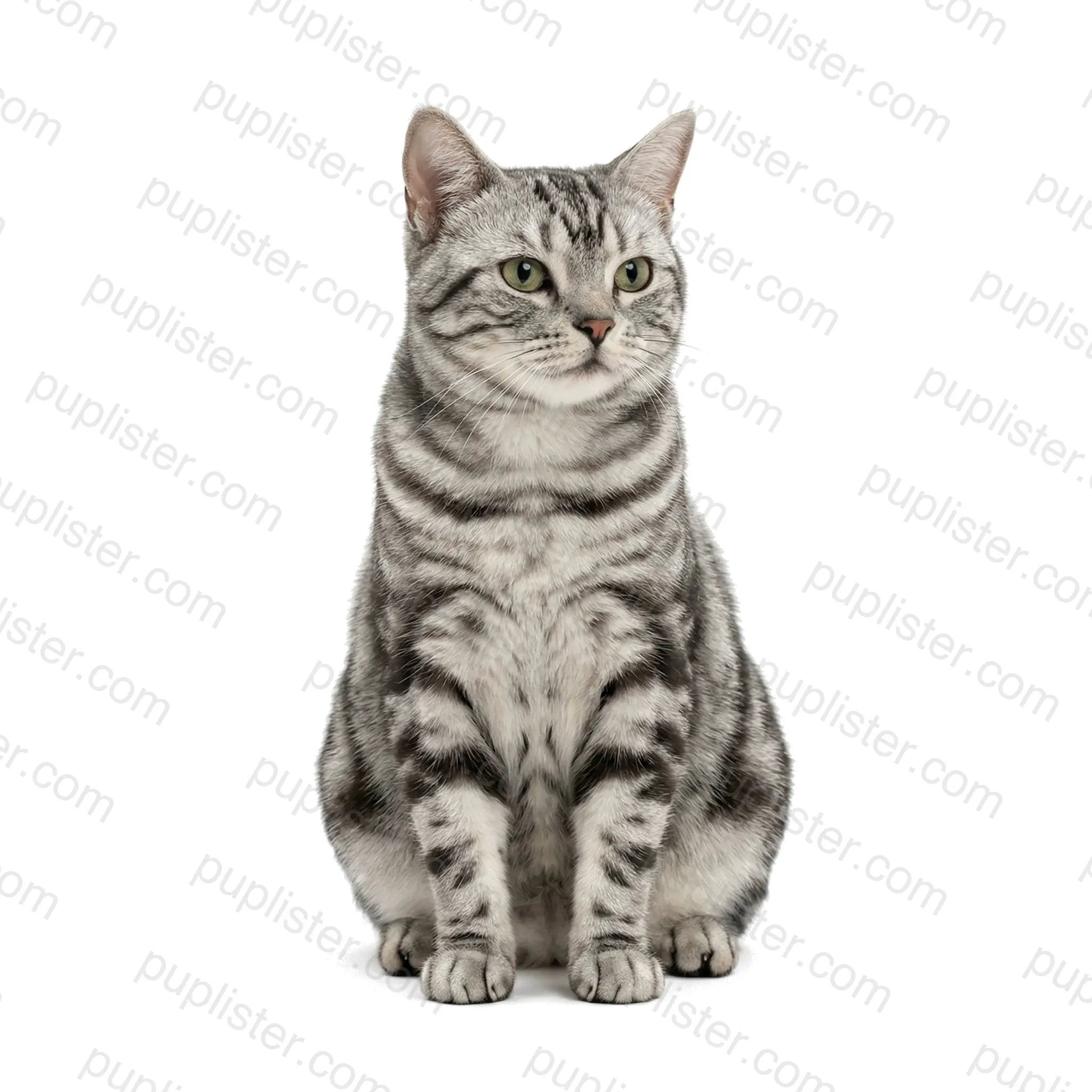
2About the American Shorthair The American Shorthair descends from European cats brought to North America on ships like the Mayflower, where they earned their keep as skilled mousers. This medium-to-large breed weighs 8–15 pounds and boasts a powerful, well-proportioned build with a broad chest. Their dense, short coat comes in over 80 recognized colors and patterns, with the classic silver tabby being the most iconic. Temperament & Personality American Shorthairs are easygoing, adaptable cats that strike a perfect balance between playful and laid-back. They are patient and gentle with children, coexist peacefully with other pets, and are content to entertain themselves when the family is busy. Their calm, even temperament and low-maintenance nature have made them one of America's most popular breeds for decades. Pros Exceptionally healthy breed with a lifespan of 15–20 yearsLow-maintenance coat that rarely mats or tanglesIndependent enough to handle owners' work schedules without anxietyNatural mouser — helps keep the home pest-free Cons Prone to obesity if diet and exercise are not carefully managedCan be reserved with strangers and may take time to warm upNot as interactive or trainable as more active breedsSeasonal shedding can be heavy despite the short coat Ready to welcome an American Shorthair into your home? Browse available cats for adoption on Puplister.
Adopted cat meowing all night? Discover why it happens, how to create a calm environment, and a realistic timeline to quiet nighttime meows.
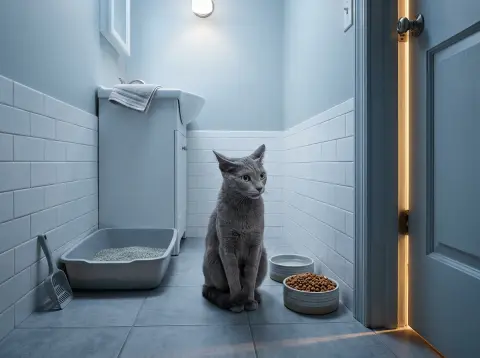
Is your adopted cat not eating? Learn the causes, from stress to past trauma, and discover practical solutions to get your new feline friend eating again.
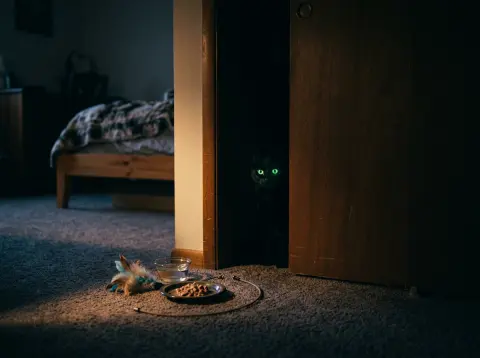
Is your new cat hiding and won't come out? It's normal, but proactive steps can help. Learn how to build trust with your shy adopted cat.
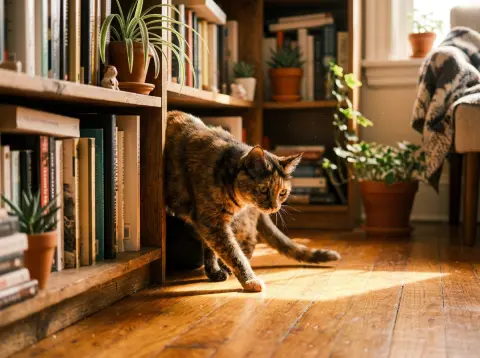
Discover how long it takes for a rescue cat to feel at home with our experienced guide, covering the 3-3-3 rule and actionable tips.