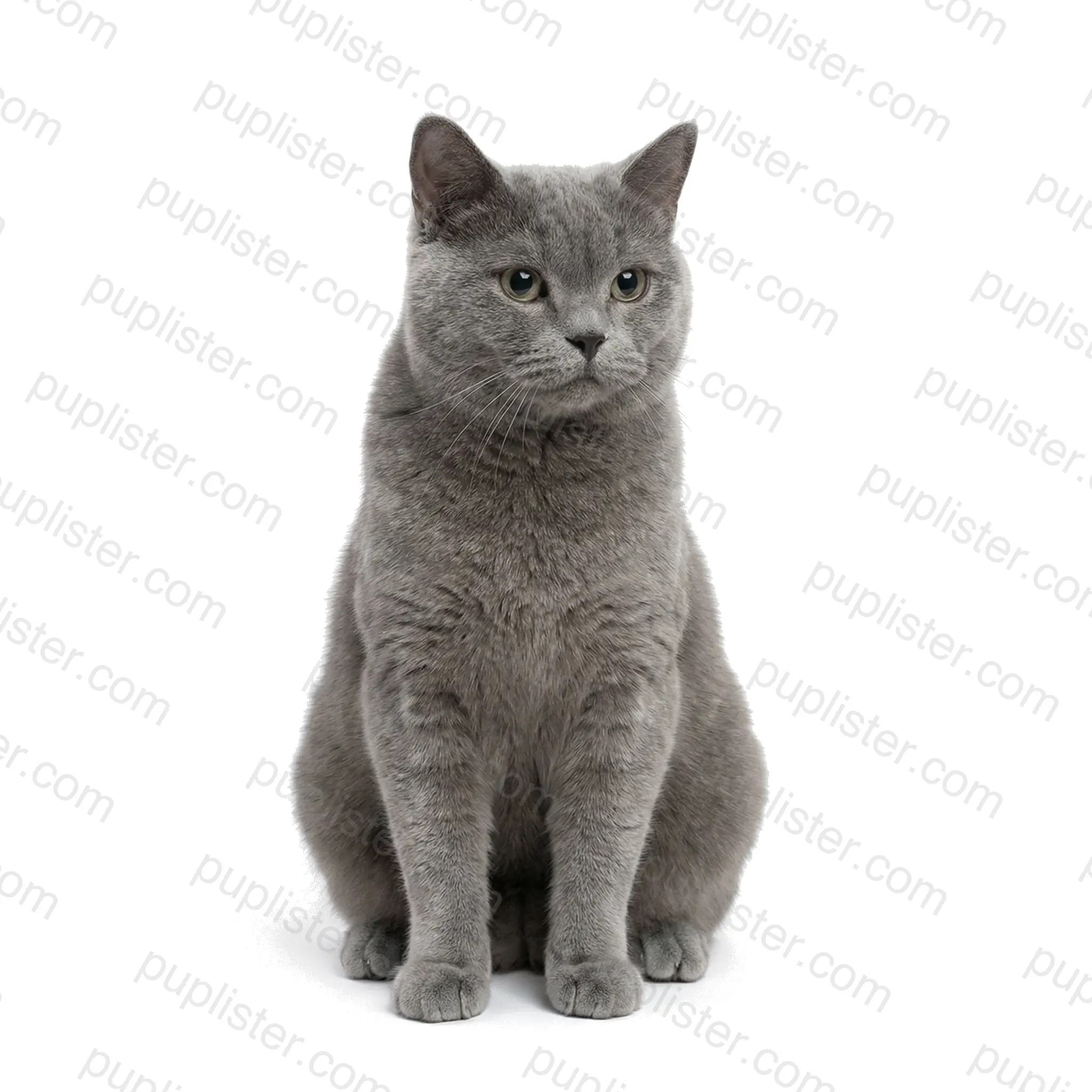
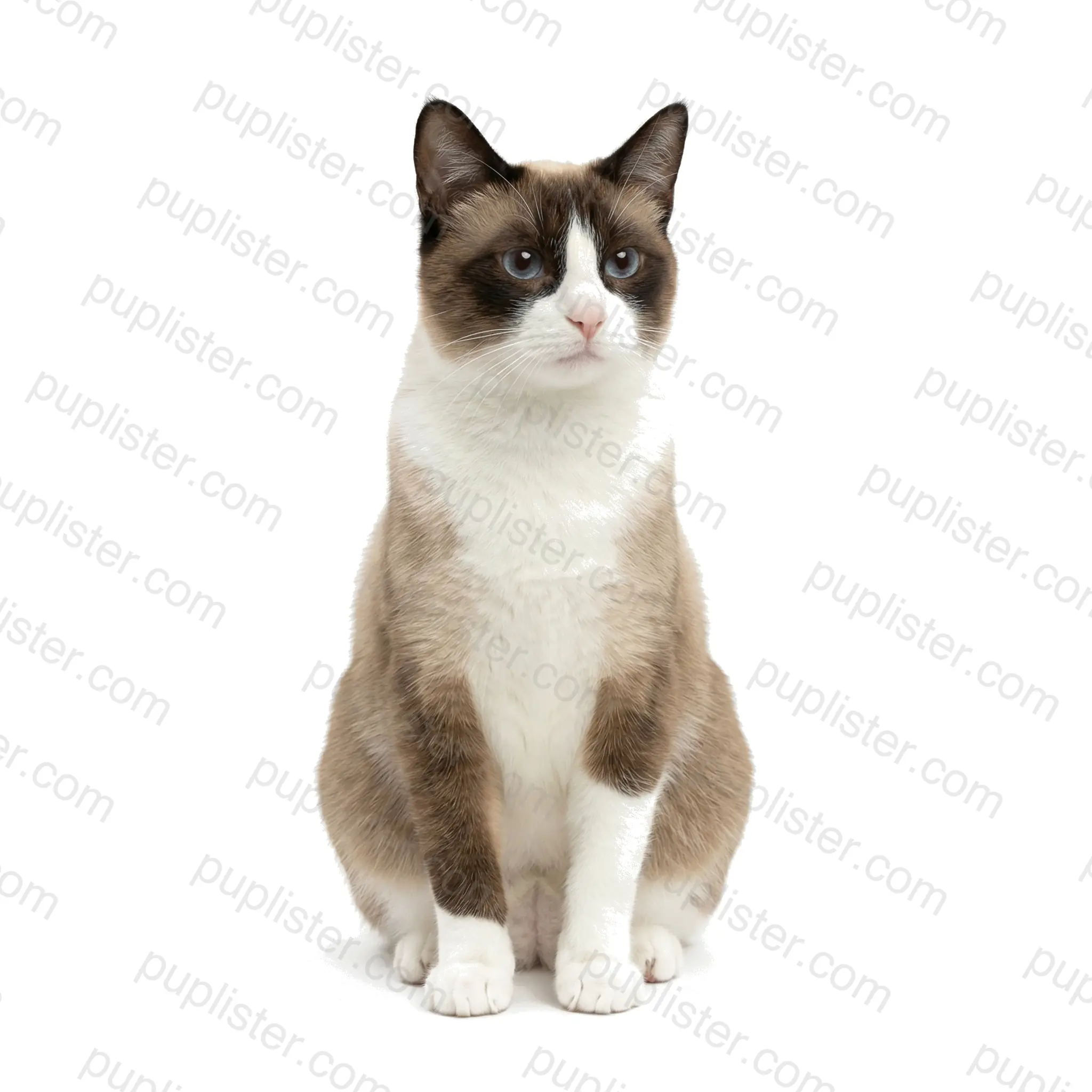
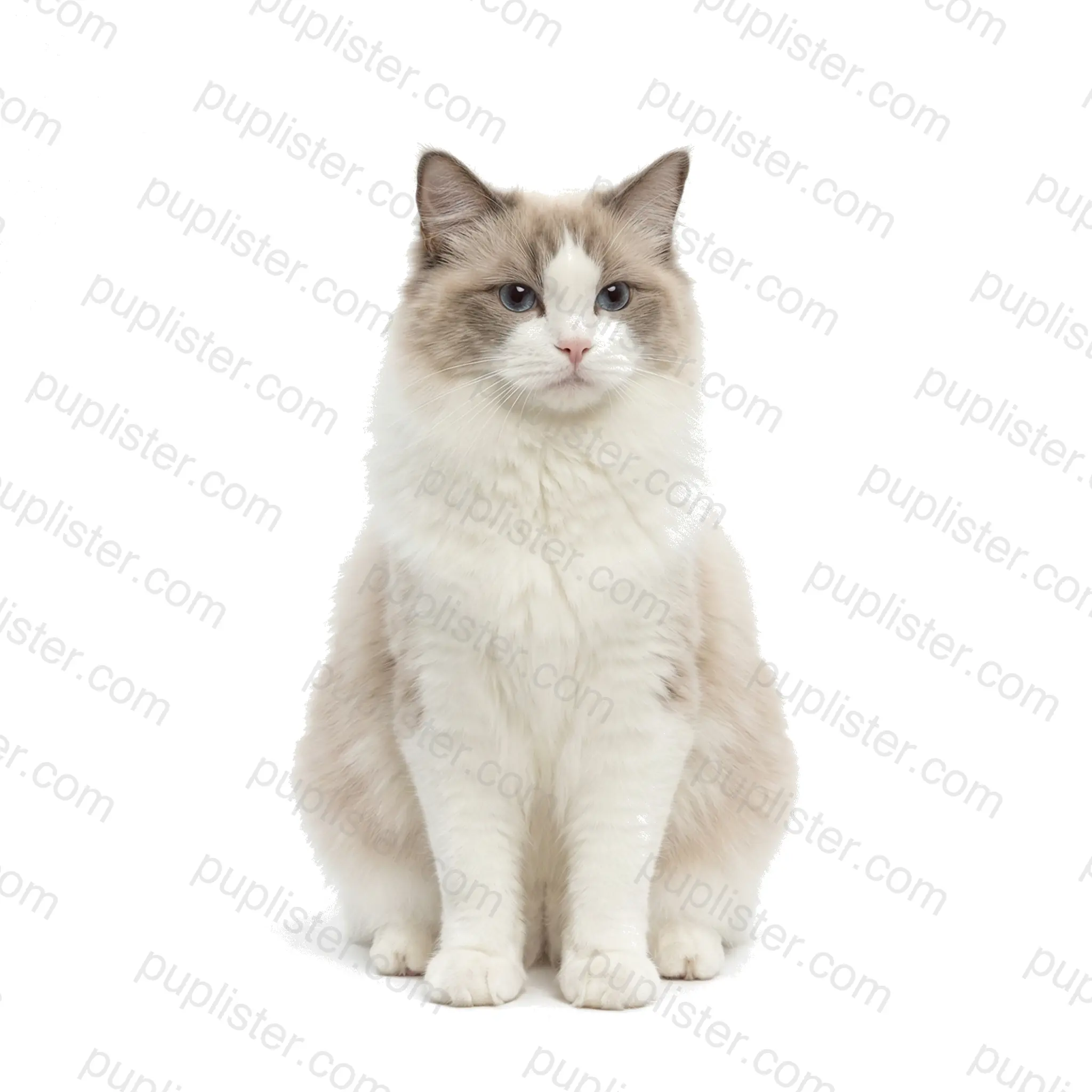
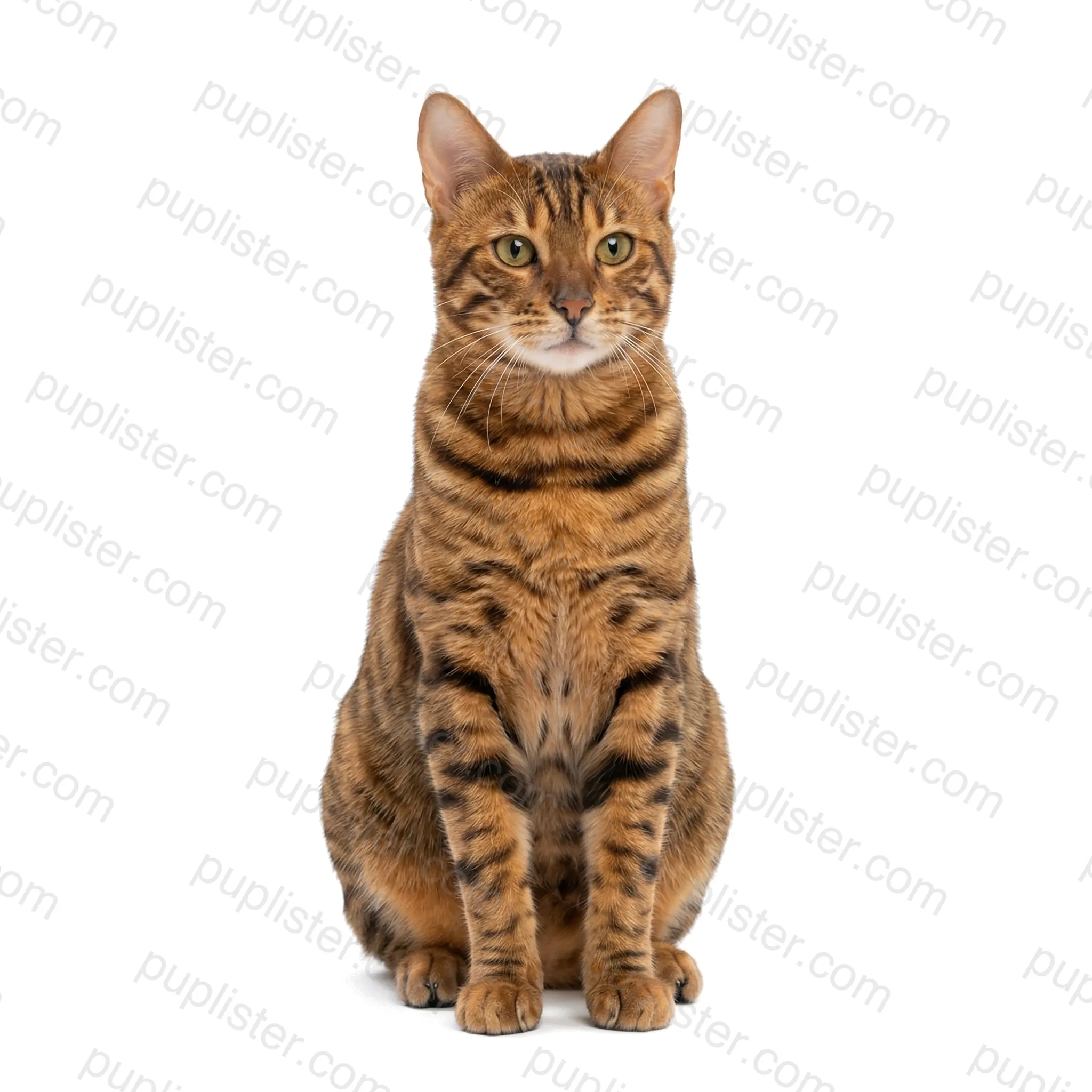
British Shorthair British Shorthair

British Shorthair

4
Calm Easygoing Loyal Independent

About the British Shorthair

The British Shorthair is one of the oldest and most recognizable cat breeds — tracing its roots to the domestic cats of Roman-era Britain, later refined through selective breeding in the 19th century. This large, stocky breed weighs 9–18 pounds and is famous for its round face, dense double coat, and broad, powerful build. While the "British Blue" (solid gray-blue) is the most iconic variety, the breed comes in an extensive range of colors and patterns.

Temperament & Personality

British Shorthairs are dignified, calm cats that prefer to keep all four paws on the ground — they are not typically lap cats and may resist being picked up. They are affectionate on their own terms, loyal to their families, and generally tolerant of well-behaved children and other pets. Their unflappable, easygoing nature makes them one of the most popular companion breeds worldwide.

Pros

  • Robust health and impressive longevity — commonly lives 14–20 years
  • Low-maintenance temperament — calm, quiet, and not prone to behavioral issues
  • Dense plush coat is easy to groom with weekly brushing
  • Handles being alone well — ideal for working professionals

Cons

  • Highly prone to obesity — requires strict diet management and play encouragement
  • Can develop hypertrophic cardiomyopathy (HCM) and polycystic kidney disease
  • Not a cuddly lap cat — prefers to sit near you rather than on you
  • Slow to mature — takes 3–5 years to reach full physical development

The British Shorthair could be your perfect low-key companion — search for adoptable cats on Puplister now.

British Shorthair Quick Facts

Size
9–18 lbs
Lifespan
12–20 years
Exercise
Low
Grooming
Low
Good with Kids
Yes
Good with Pets
Yes

Is the British Shorthair right for you?

Answer 5 quick questions to see how well this breed matches your lifestyle.

Take the Quiz

Available British Shorthairs

Dash
Adult
Dash
L

Mixed / British Shorthair

Adam's Folly · Bolivia, NC
Dusty
Adult 2
Dusty
S

American Shorthair / British Shorthair

A Welcome Home Animal Rescue · Atlanta, GA
Bert
Young 3
Bert
M

American Shorthair / British Shorthair

Hella Dam Bitches N Queens Rescue · Pacifica, CA
Ernie
Young 2
Ernie
M

American Shorthair / British Shorthair

Hella Dam Bitches N Queens Rescue · Pacifica, CA

Related Breeds

Snowshoe
Snowshoe Cat

16 pets available

3

About the Snowshoe The Snowshoe was developed in the 1960s in Philadelphia by crossing Siamese cats with American Shorthairs, creating a pointed cat with distinctive white "boots" on all four paws. This medium-sized breed weighs 7–12 pounds and combines the Siamese's colorpoint pattern with a more robust, moderately stocky build. Their short, smooth coat comes in seal point and blue point, always featuring white paws, an inverted white "V" on the face, and striking blue eyes.Temperament & PersonalitySnowshoes are vocal, social cats that inherit the Siamese's love of conversation but with a softer, more melodic voice. They are playful and intelligent, often learning to open doors and turn on faucets — many Snowshoes are fascinated by running water. They bond closely with their families and can become distressed if left alone for long periods.ProsStriking, unique appearance — the white boots and facial markings are hard to resistVocal but softer-voiced than the Siamese — communicative without being overwhelmingIntelligent and playful — enjoys puzzle toys, fetch, and learning tricksAffectionate and loyal — bonds deeply with family membersConsProne to separation anxiety — needs companionship throughout the dayMarkings are unpredictable — "show-quality" pattern is notoriously difficult to breed consistentlyCan be sensitive and moody — may sulk if they feel ignoredInherited health concerns from Siamese lines, including dental and heart issuesLove the Siamese look with a twist? Browse Snowshoe cats seeking their perfect families on Puplister today.

Scottish Fold

2 pets available

6

About the Scottish Fold The Scottish Fold traces its origins to a single barn cat named Susie, found in Perthshire, Scotland, in 1961 — the first documented cat with the breed's signature forward-folding ears caused by a natural cartilage mutation. This medium-sized cat weighs 6–13 pounds, has a round head, large round eyes, and a stocky, well-padded body. Scottish Folds come in both longhair and shorthair varieties, in virtually every color and pattern including tabby, solid, bicolor, and calico.Temperament & PersonalityScottish Folds are sweet, easygoing cats known for their quirky habit of sitting in odd positions — including the "Buddha sit" with legs stretched out and paws resting on their belly. They are moderately active and enjoy interactive play without being hyperactive. Gentle with children and amiable with other pets, they adapt well to most living situations.ProsDistinctive, owl-like appearance with those signature folded earsCalm and adaptable — thrives in apartments, houses, and busy households alikeGood-natured and gentle with children and other animalsModerate energy level — playful but not demandingConsThe fold gene causes osteochondrodysplasia — painful cartilage and bone abnormalities in many catsMust never be bred fold-to-fold due to severe skeletal issues in offspringProne to arthritis, especially in the tail, ankles, and kneesEar fold makes them more susceptible to ear infections and wax buildupDrawn to those adorable folded ears and laid-back personality? Find Scottish Fold cats waiting for adoption on Puplister.

Sphynx
Sphynx Cat

1 pet available

14

About the Sphynx The Sphynx originated in Toronto, Canada, in 1966 when a domestic cat gave birth to a hairless kitten due to a natural genetic mutation. Through careful breeding with Devon Rex and other cats, the Sphynx was established as a robust breed. Weighing 6–12 pounds, this medium-sized cat is famous for its apparent hairlessness — though most Sphynx have a fine layer of peach-fuzz that gives their skin a warm, suede-like texture. Their wrinkled skin, lemon-shaped eyes, enormous ears, and pot belly give them an unmistakable extraterrestrial appearance.Temperament & PersonalitySphynx cats are extroverted clowns that crave human attention and warmth — literally, as they seek out body heat and will burrow under blankets or curl up on any available lap. They are fearless, social, and endlessly entertaining, performing acrobatic feats and greeting everyone — including strangers — with enthusiasm. They do wonderfully with children, dogs, and other cats.ProsNo fur shedding on furniture or clothingExtremely social, affectionate, and entertaining — the ultimate companion catGets along with virtually everyone — kids, dogs, strangers, other catsUnique, striking appearance that turns heads wherever they goConsRequires weekly baths to remove oil buildup that would normally be absorbed by furHighly susceptible to sunburn, cold, and skin infectionsProne to hypertrophic cardiomyopathy (HCM) and hereditary myopathyHigh metabolism means they eat more than similarly sized cats and need a warm environmentCaptivated by this hairless wonder? Find Sphynx cats looking for warm, loving homes on Puplister — your next cuddle buddy awaits.

Russian Blue

26 pets available

13

About the Russian Blue The Russian Blue is a naturally occurring breed believed to have originated in the port city of Arkhangelsk (Archangel) in northern Russia, arriving in Europe aboard trade ships in the 1860s. This medium-sized cat weighs 7–12 pounds and is renowned for its dense, plush double coat of uniform blue-gray with silver-tipped guard hairs that give it a luminous shimmer. Its vivid emerald-green eyes, wedge-shaped head, and enigmatic "Mona Lisa smile" complete an unmistakably elegant look.Temperament & PersonalityRussian Blues are gentle, reserved cats that are intensely loyal to their families yet cautious around strangers. They are creatures of habit who thrive on routine — eating at the same time, playing in the same spots, and sleeping in their preferred perch. Once bonded, they are affectionate and playful, often fetching toys and entertaining themselves with quiet grace.ProsProduces lower levels of the Fel d 1 allergen — better tolerated by some allergy sufferersDense double coat is low-shedding and virtually maintenance-freeQuiet and well-mannered — rarely destructive or excessively vocalLong-lived breed with few genetic health issues — many reach 15–20 yearsConsShy and reserved with strangers — may hide during gatherings or partiesSensitive to change — can become stressed by moves, new pets, or schedule disruptionsProne to overeating and weight gain if food is left out freelyCan be slow to warm up to new family members or housematesCharmed by those emerald eyes and silver-tipped fur? Find Russian Blue cats ready for their forever homes on Puplister.

Related Articles

Frequently Asked Questions

What are the key traits of a British Shorthair?
The British Shorthair is known for being calm, easygoing, loyal and independent.
How many British Shorthairs are available for adoption?
There are currently 4 British Shorthairs available for adoption on Puplister. Browse the listings above to find your perfect match.
How do I adopt a British Shorthair from Puplister?
To adopt a British Shorthair, browse the available listings on this page, click on a pet you're interested in, and contact the shelter directly through their profile page.