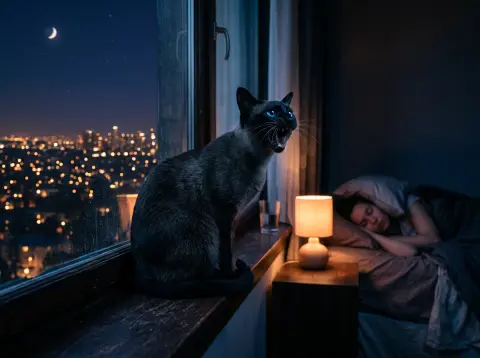
Adopted Cat Meowing All Night: How to Stop It
Adopted cat meowing all night? Discover why it happens, how to create a calm environment, and a realistic timeline to quiet nighttime meows.
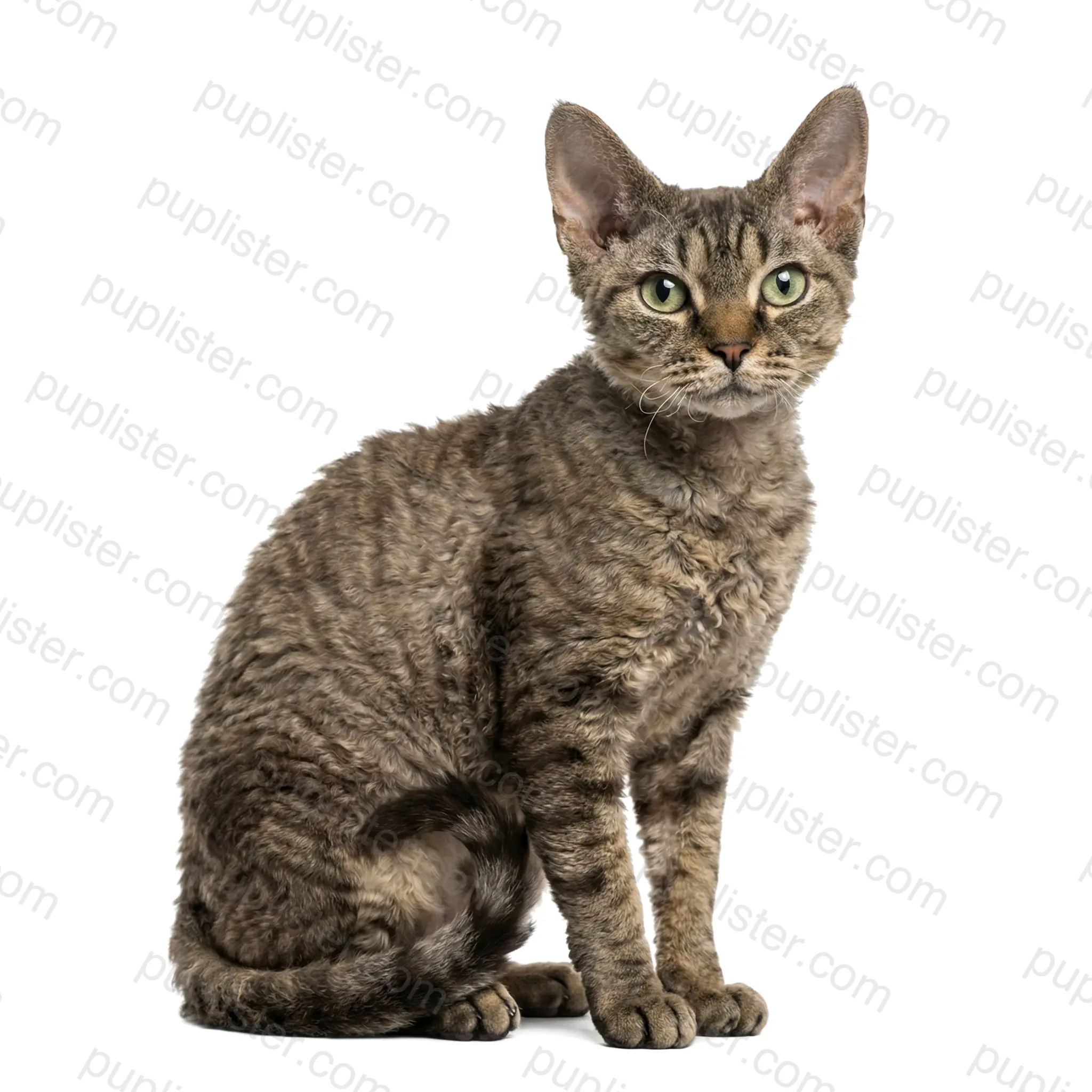
The Devon Rex appeared in 1959 in Buckfastleigh, Devon, England — just a decade after the Cornish Rex, though the two breeds' curly coats are caused by entirely different genetic mutations. This small-to-medium breed weighs 5–10 pounds and has an unmistakable pixie-like face with enormous, low-set ears, large oval eyes, and prominent cheekbones. Their short, soft, wavy coat can come in virtually any color or pattern and has a suede-like texture.
Devon Rex cats are mischievous, high-energy clowns that love to perch on shoulders, steal food, and insert themselves into every activity. They are fiercely people-oriented and will follow their owners everywhere — including into the shower if given the chance. They get along splendidly with children, dogs, and other cats, and their playful, affectionate nature makes them impossible to ignore.
Let a Devon Rex pixie brighten your home — search for adoptable cats on Puplister today.
Answer 5 quick questions to see how well this breed matches your lifestyle.
Check back soon or browse all cats.
3 pets available
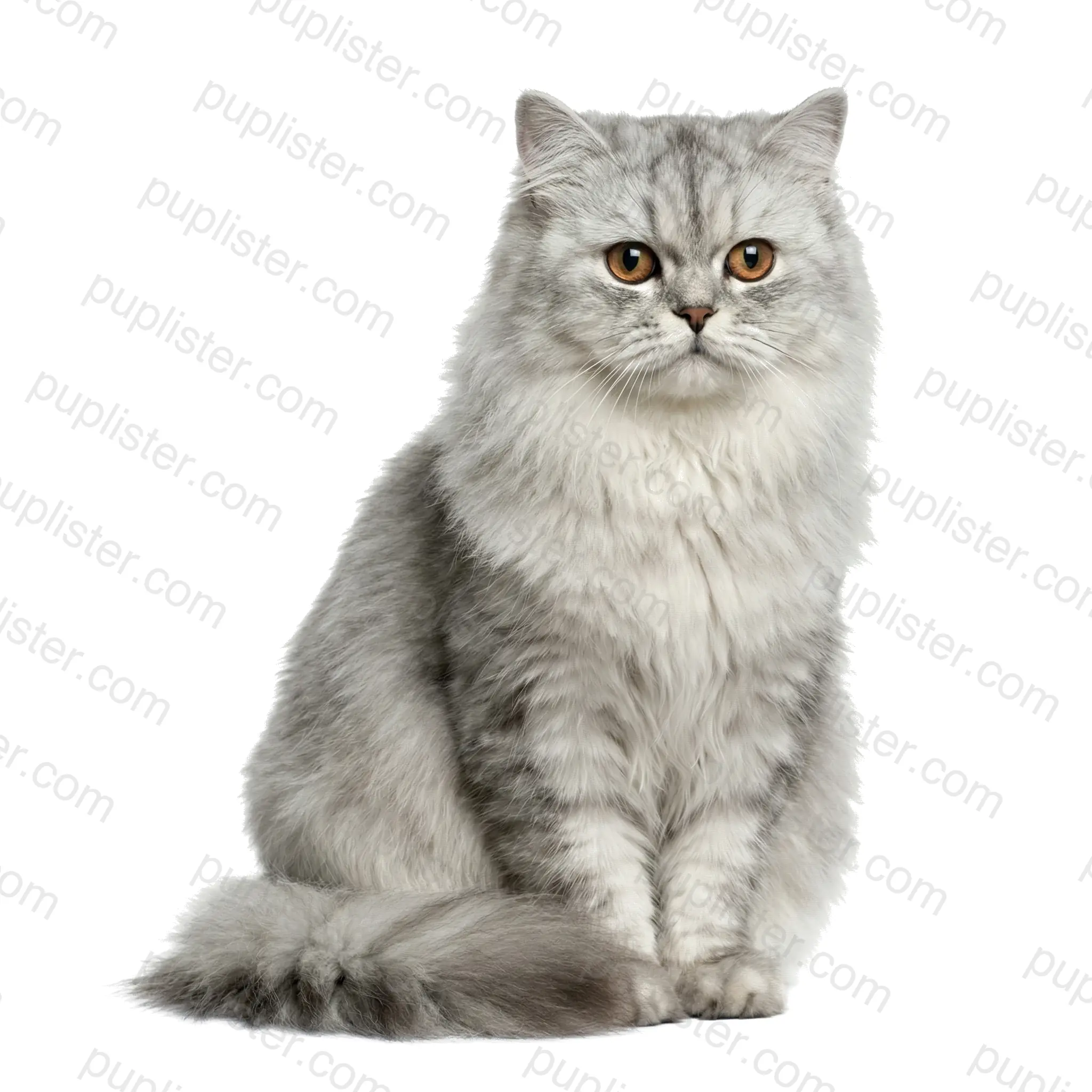
About the Persian The Persian is one of the oldest and most recognizable cat breeds in the world, with roots tracing back to 17th-century Persia (modern Iran) and Turkey. This medium-to-large cat weighs 7–12 pounds and is instantly identifiable by its flat, pansy-like face, enormous round eyes, small ears, and luxuriously long, thick coat that can reach six inches in length. Persians come in over 80 color variations grouped into seven divisions, including solid, silver, golden, shaded, smoke, tabby, particolor, and pointed (Himalayan).Temperament & PersonalityPersians are the quintessential lap cat — calm, sweet-tempered, and content to lounge on the nearest soft surface. They prefer serene environments and predictable routines, rarely displaying the high-energy antics of more active breeds. Gentle and patient with children, they coexist peacefully with respectful kids and laid-back dogs.ProsExtremely calm and gentle — ideal for quiet, relaxed householdsBeautiful, plush coat available in a vast range of colors and patternsLow activity level — content with minimal exercise and indoor livingSweet, undemanding temperament — rarely vocal or pushyConsRequires daily grooming to prevent severe matting and hairballsBrachycephalic face causes chronic breathing difficulties, tear staining, and dental crowdingProne to polycystic kidney disease (PKD), hypertrophic cardiomyopathy, and ringwormEye discharge requires daily cleaning to prevent staining and infectionLonging for a serene, regal companion? Discover Persian cats seeking forever homes on Puplister and welcome quiet elegance into your life.
1 pet available
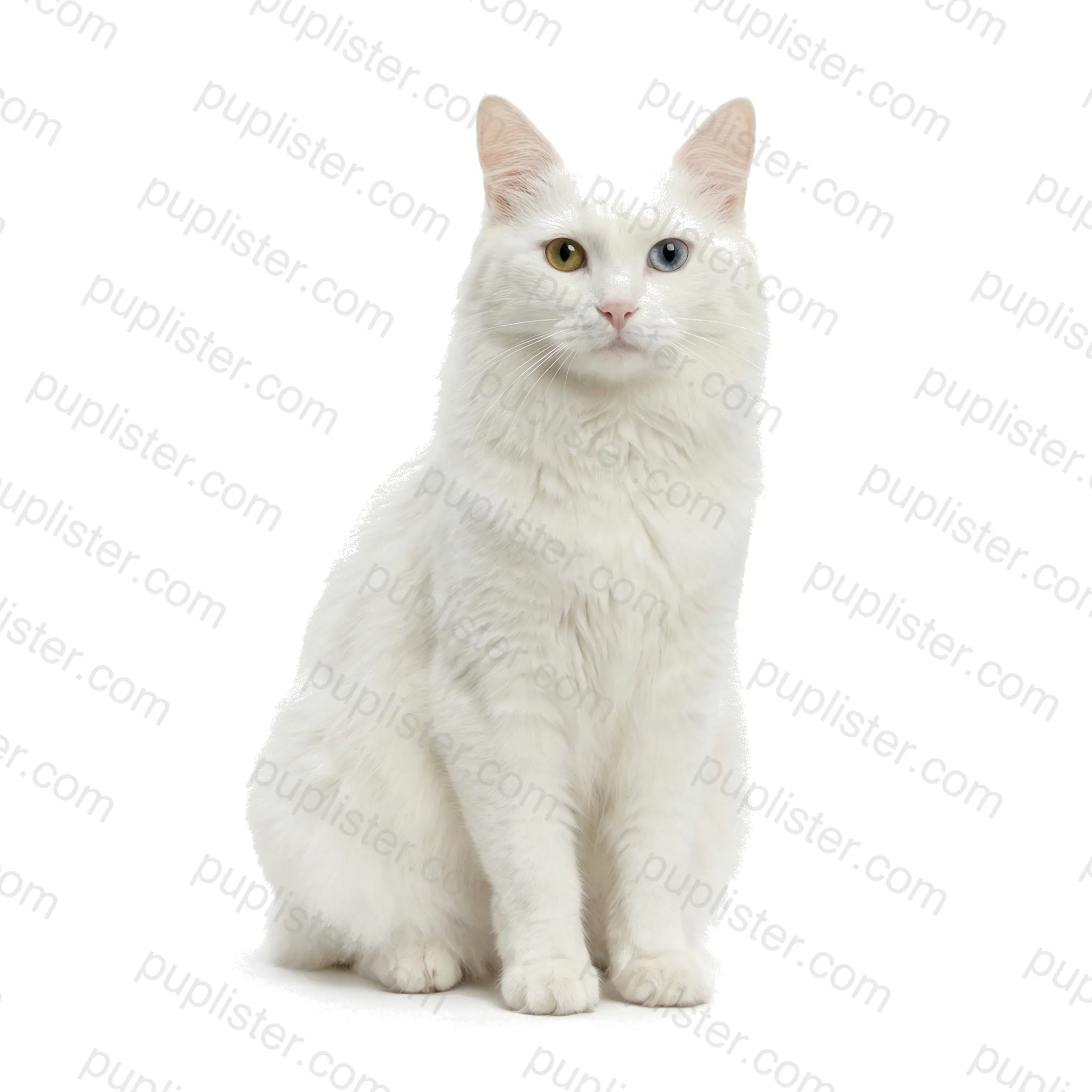
About the Turkish Angora The Turkish Angora is an ancient, naturally occurring breed from central Turkey — specifically the Ankara region — and is one of the oldest known longhaired cat breeds. This small-to-medium cat weighs 5–10 pounds and possesses a graceful, balletic build with a long, plumed tail, silky single-layer coat (no undercoat), and large, walnut-shaped eyes. While white is the most iconic color — often with striking odd eyes (one blue, one amber) — Turkish Angoras come in nearly every color and pattern except pointed.Temperament & PersonalityTurkish Angoras are spirited, intelligent cats that love to be at the center of the action. They are natural athletes — leaping to the highest shelf, opening doors, and inventing games to entertain themselves. Affectionate and strong-willed, they will happily greet guests and supervise every household activity, often choosing one family member as their primary favorite.ProsElegant, silky coat has no undercoat — sheds less and rarely matsHighly intelligent and entertaining — always inventing new games and tricksSocial and welcoming with guests and family alikeNaturally healthy breed with excellent longevity — many live 15–20 yearsConsWhite cats with blue eyes have a high incidence of congenital deafnessStrong-willed and mischievous — can be stubborn about rulesDemands attention and may become disruptive if ignoredProne to ataxia (a hereditary neurological condition) in some linesEntranced by this ancient Turkish treasure? Find Turkish Angora cats looking for loving homes on Puplister and add a touch of grace to your life.
19 pets available
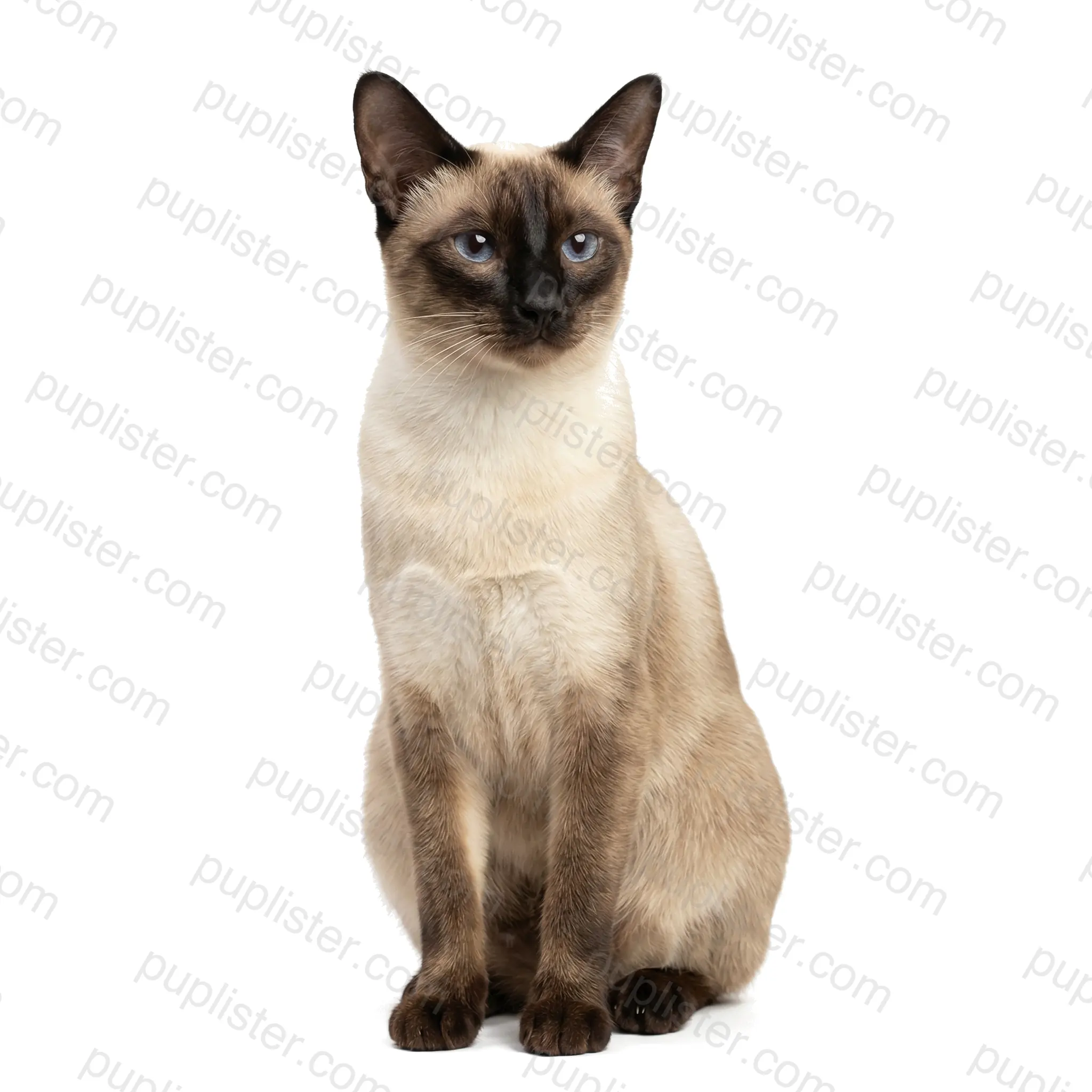
1About the Siamese The Siamese is one of the most iconic and ancient cat breeds, originating in the kingdom of Siam (now Thailand) and first documented in the Tamra Maew ("The Cat-Book Poems") dating to the 14th century. This sleek, muscular cat weighs 6–14 pounds and is immediately recognizable by its striking colorpoint pattern — a pale cream or fawn body with darker coloring on the face, ears, paws, and tail. The four traditional point colors are seal, chocolate, blue, and lilac, all paired with vivid sapphire-blue almond-shaped eyes.Temperament & PersonalitySiamese cats are among the most vocal and opinionated cats in the world — they will narrate their day in a loud, distinctive raspy voice and expect you to listen. They are fiercely loyal, deeply social, and form intense bonds with their owners, often becoming a one-person cat. Intelligent and active, they need constant stimulation and do best with a companion — whether human, feline, or canine.ProsStrikingly beautiful with mesmerizing blue eyes and elegant linesExceptionally intelligent — can learn tricks, walk on a leash, and solve puzzle toysDeeply bonded and loyal to their chosen personShort, fine coat requires almost no groomingConsExtremely vocal — constant loud meowing is not for everyoneProne to severe separation anxiety and can become destructive when left aloneSusceptible to amyloidosis, asthma, progressive retinal atrophy, and crossed eyesDemanding of attention — may become jealous of other pets or family membersReady for a devoted, chatty companion who will never let you feel alone? Find Siamese cats waiting for their forever families on Puplister.
132 pets available
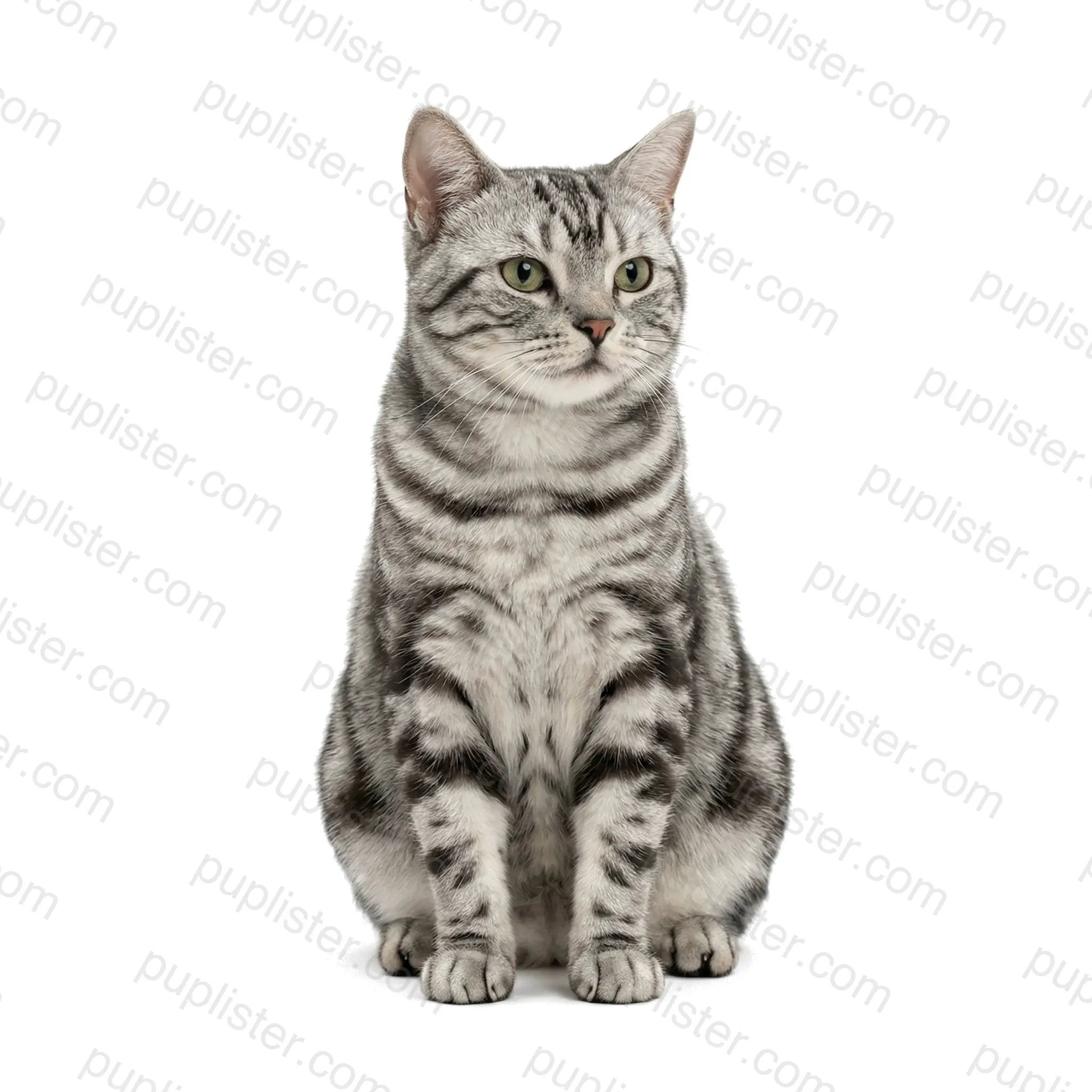
2About the American Shorthair The American Shorthair descends from European cats brought to North America on ships like the Mayflower, where they earned their keep as skilled mousers. This medium-to-large breed weighs 8–15 pounds and boasts a powerful, well-proportioned build with a broad chest. Their dense, short coat comes in over 80 recognized colors and patterns, with the classic silver tabby being the most iconic. Temperament & Personality American Shorthairs are easygoing, adaptable cats that strike a perfect balance between playful and laid-back. They are patient and gentle with children, coexist peacefully with other pets, and are content to entertain themselves when the family is busy. Their calm, even temperament and low-maintenance nature have made them one of America's most popular breeds for decades. Pros Exceptionally healthy breed with a lifespan of 15–20 yearsLow-maintenance coat that rarely mats or tanglesIndependent enough to handle owners' work schedules without anxietyNatural mouser — helps keep the home pest-free Cons Prone to obesity if diet and exercise are not carefully managedCan be reserved with strangers and may take time to warm upNot as interactive or trainable as more active breedsSeasonal shedding can be heavy despite the short coat Ready to welcome an American Shorthair into your home? Browse available cats for adoption on Puplister.
Adopted cat meowing all night? Discover why it happens, how to create a calm environment, and a realistic timeline to quiet nighttime meows.
Is your adopted cat not eating? Learn the causes, from stress to past trauma, and discover practical solutions to get your new feline friend eating again.
Is your new cat hiding and won't come out? It's normal, but proactive steps can help. Learn how to build trust with your shy adopted cat.
Discover how long it takes for a rescue cat to feel at home with our experienced guide, covering the 3-3-3 rule and actionable tips.