Cat Losing Hair in Patches: Causes and Fixes
Is your cat losing hair in patches? Discover common causes, from stress to parasites, and expert fixes to help your feline friend recover.
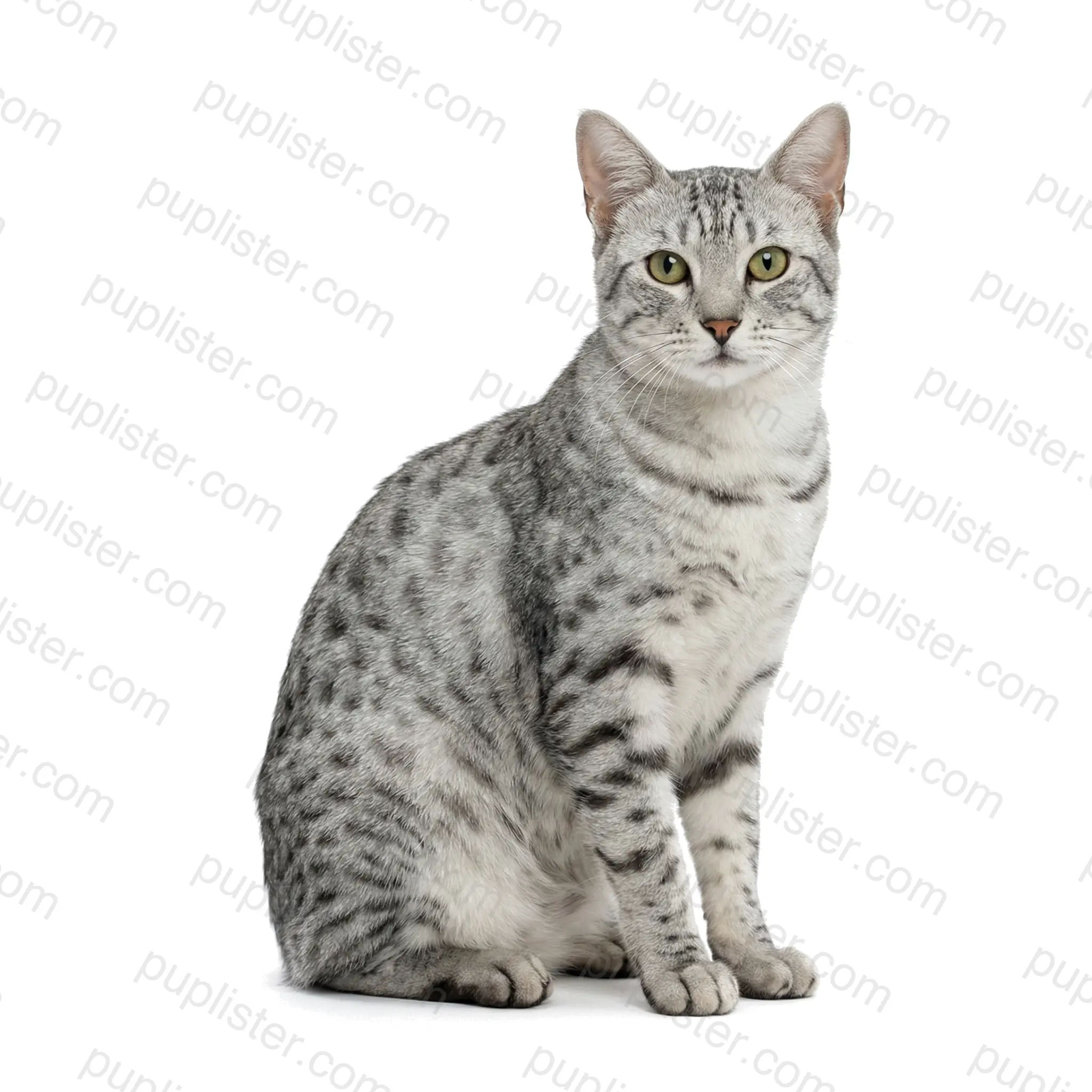
The Egyptian Mau is the only naturally spotted domestic cat breed — its distinctive markings occur without any human intervention, and the breed's ancestry may trace back to the spotted cats depicted in ancient Egyptian art. This medium-sized, muscular breed weighs 6–14 pounds and is built for speed — it holds the record as the fastest domestic cat, capable of sprinting over 30 miles per hour. Their short, silky coat comes in silver, bronze, and smoke, each adorned with random spots that are present on the skin itself, not just the fur.
Egyptian Maus are loyal, sensitive cats that bond intensely with their family while remaining reserved around strangers. They are active and playful — often "chortling" in a distinctive, musical voice when excited — and they love interactive play sessions. They can be good with respectful older children and may accept other pets if introduced carefully, though they often prefer to be the center of attention.
Fascinated by the Egyptian Mau's ancient beauty? Find your spotted companion among adoptable cats on Puplister.
Answer 5 quick questions to see how well this breed matches your lifestyle.
9 pets available
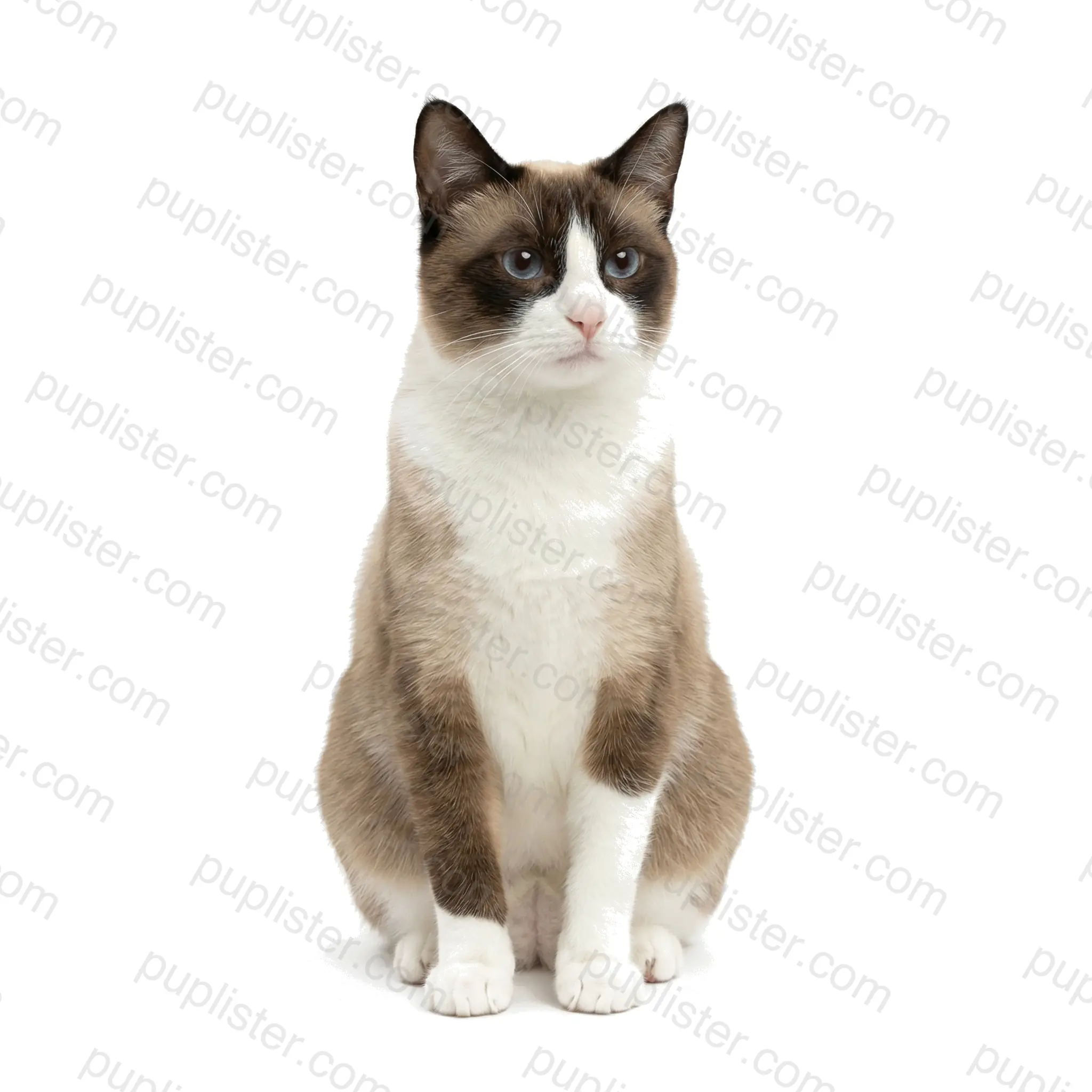
9About the Snowshoe The Snowshoe was developed in the 1960s in Philadelphia by crossing Siamese cats with American Shorthairs, creating a pointed cat with distinctive white "boots" on all four paws. This medium-sized breed weighs 7–12 pounds and combines the Siamese's colorpoint pattern with a more robust, moderately stocky build. Their short, smooth coat comes in seal point and blue point, always featuring white paws, an inverted white "V" on the face, and striking blue eyes.Temperament & PersonalitySnowshoes are vocal, social cats that inherit the Siamese's love of conversation but with a softer, more melodic voice. They are playful and intelligent, often learning to open doors and turn on faucets — many Snowshoes are fascinated by running water. They bond closely with their families and can become distressed if left alone for long periods.ProsStriking, unique appearance — the white boots and facial markings are hard to resistVocal but softer-voiced than the Siamese — communicative without being overwhelmingIntelligent and playful — enjoys puzzle toys, fetch, and learning tricksAffectionate and loyal — bonds deeply with family membersConsProne to separation anxiety — needs companionship throughout the dayMarkings are unpredictable — "show-quality" pattern is notoriously difficult to breed consistentlyCan be sensitive and moody — may sulk if they feel ignoredInherited health concerns from Siamese lines, including dental and heart issuesLove the Siamese look with a twist? Browse Snowshoe cats seeking their perfect families on Puplister today.
54 pets available
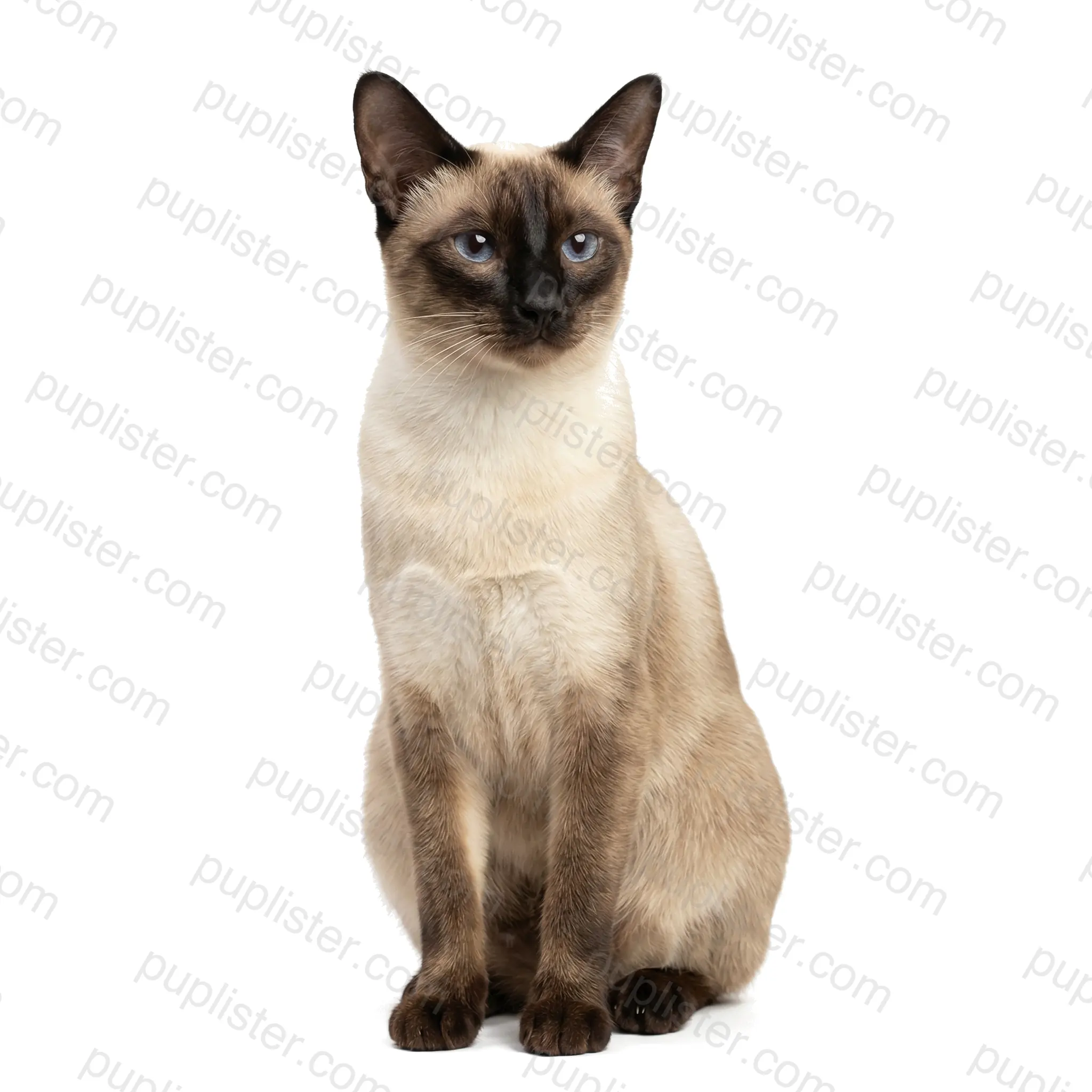
66About the Siamese The Siamese is one of the most iconic and ancient cat breeds, originating in the kingdom of Siam (now Thailand) and first documented in the Tamra Maew ("The Cat-Book Poems") dating to the 14th century. This sleek, muscular cat weighs 6–14 pounds and is immediately recognizable by its striking colorpoint pattern — a pale cream or fawn body with darker coloring on the face, ears, paws, and tail. The four traditional point colors are seal, chocolate, blue, and lilac, all paired with vivid sapphire-blue almond-shaped eyes.Temperament & PersonalitySiamese cats are among the most vocal and opinionated cats in the world — they will narrate their day in a loud, distinctive raspy voice and expect you to listen. They are fiercely loyal, deeply social, and form intense bonds with their owners, often becoming a one-person cat. Intelligent and active, they need constant stimulation and do best with a companion — whether human, feline, or canine.ProsStrikingly beautiful with mesmerizing blue eyes and elegant linesExceptionally intelligent — can learn tricks, walk on a leash, and solve puzzle toysDeeply bonded and loyal to their chosen personShort, fine coat requires almost no groomingConsExtremely vocal — constant loud meowing is not for everyoneProne to severe separation anxiety and can become destructive when left aloneSusceptible to amyloidosis, asthma, progressive retinal atrophy, and crossed eyesDemanding of attention — may become jealous of other pets or family membersReady for a devoted, chatty companion who will never let you feel alone? Find Siamese cats waiting for their forever families on Puplister.
1 pet available
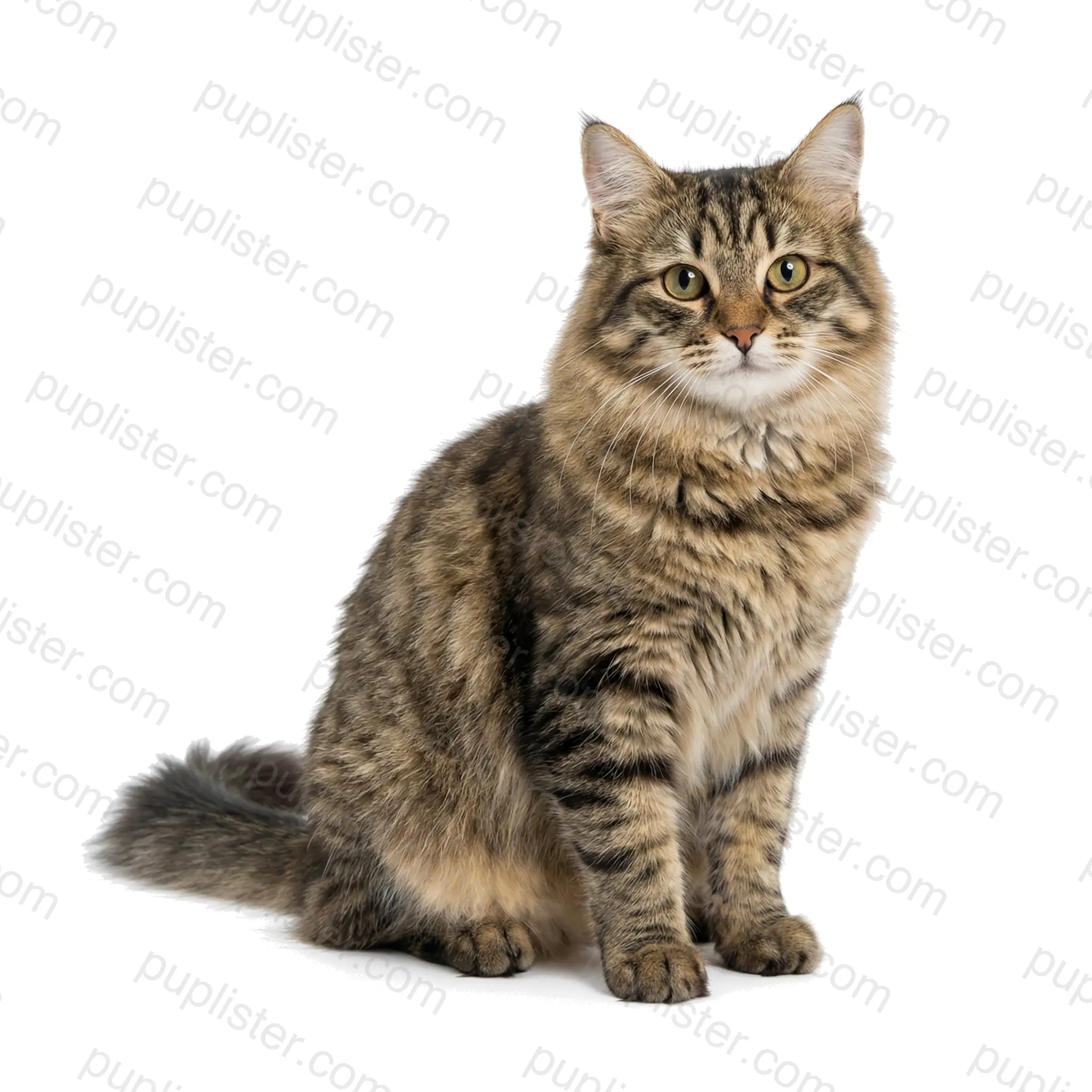
6About the Siberian The Siberian — Russia's national cat — is a natural breed that has existed in the forests of Siberia for at least 1,000 years, first appearing in Russian fairy tales and eventually standardized as a breed in the 1980s. This large, powerful cat weighs 10–20 pounds and features a triple-layered, waterproof coat that protected it through harsh Russian winters — a dense undercoat, longer middle layer, and coarse guard hairs. They come in all colors and patterns, including the stunning pointed "Neva Masquerade" variety.Temperament & PersonalitySiberians are affectionate, adventurous cats with a playful, kitten-like spirit that lasts well into their senior years. They love water — don't be surprised to find one splashing in the sink or drinking from the faucet. Gentle and patient, they are excellent with children and other pets, and they possess a calm confidence that makes them unfazed by the chaos of a busy household.ProsProduces significantly lower levels of Fel d 1 allergen — often tolerated by cat-allergy sufferersHardy, naturally evolved breed with excellent overall health and longevityAffectionate and playful — retains kitten-like energy into adulthoodGentle and patient — superb family cat for homes with children and other petsConsTriple coat requires regular brushing, especially during heavy seasonal sheddingLarge size means higher food costs and the need for sturdy cat furnitureSlow to mature — may not reach full size and coat until age fiveCan be prone to hypertrophic cardiomyopathy, though less common than in some breedsDreaming of a hypoallergenic gentle giant from the Russian forests? Search for Siberian cats on Puplister and find your perfect fluffy companion.
1 pet available
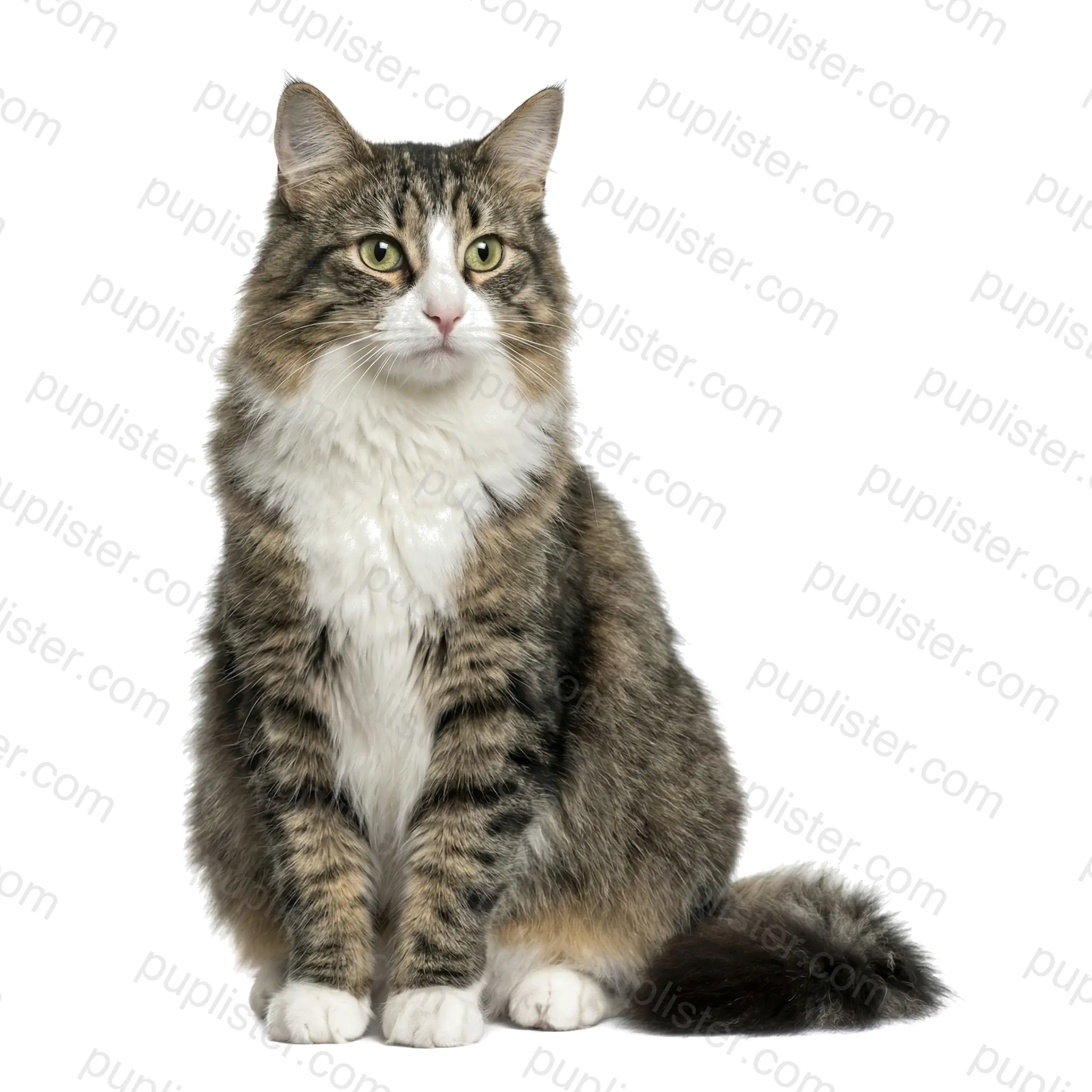
15About the Norwegian Forest Cat The Norwegian Forest Cat — called "Skogkatt" in Norway — is a natural breed that evolved over centuries in the harsh Scandinavian wilderness. This is a large, powerfully built cat weighing 12–16 pounds (sometimes more), with a triangular head, tufted ears, and a magnificent waterproof double coat featuring a dense undercoat beneath long, glossy guard hairs. They come in nearly every color and pattern except pointed.Temperament & PersonalityNorwegian Forest Cats are gentle giants — affectionate yet independent, happy to sit near you rather than on you. They are athletic climbers who love high perches and will scale bookshelves and cat trees with ease. Patient and tolerant, they do well with children and other pets, though they tend to reserve their deepest affection for their immediate family.ProsHardy, naturally evolved breed with robust overall healthWaterproof coat handles cold climates exceptionally wellCalm, patient demeanor — excellent with children and other animalsIndependent enough to handle time alone without anxietyConsHeavy shedding, especially during spring coat blow — requires frequent brushingProne to hypertrophic cardiomyopathy (HCM) and glycogen storage disease type IVLarge size means higher food costs and need for sturdy, oversized furnitureStrong climbing instinct — may scale curtains, shelves, and countertopsDreaming of a majestic, forest-born companion? Browse Norwegian Forest Cats available for adoption on Puplister and bring home a piece of Scandinavia.
Is your cat losing hair in patches? Discover common causes, from stress to parasites, and expert fixes to help your feline friend recover.
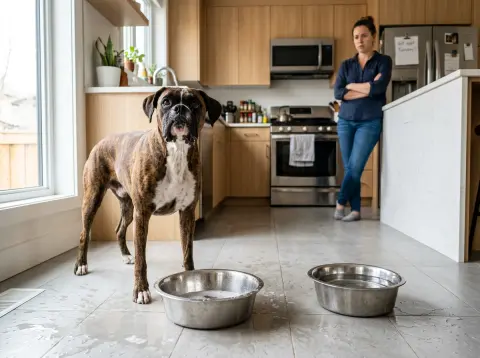
Is your dog drinking so much water suddenly? Learn common causes, from harmless to serious, and when to seek veterinary help for polydipsia.
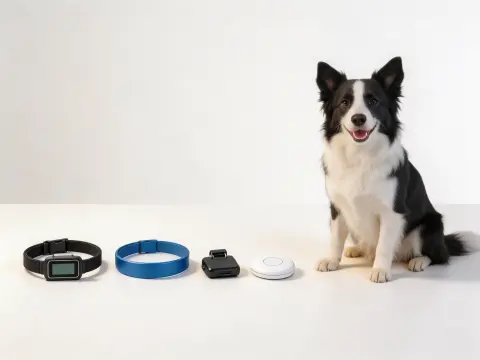
Looking for the best GPS tracker for your dog? We reviewed the top 4 models for every budget — from $28 to $105. Find your perfect tracker in 2026.
Adopting a cat doesn't have to be expensive. With smart budgeting and the right resources, even those on a tight income can provide a loving, healthy home for a feline companion.