Lump on My Dog: When to Worry and When to Wait
Found a lump on your dog? Learn when to worry and when to wait for a lump on my dog, especially for adopted pets with unknown histories.
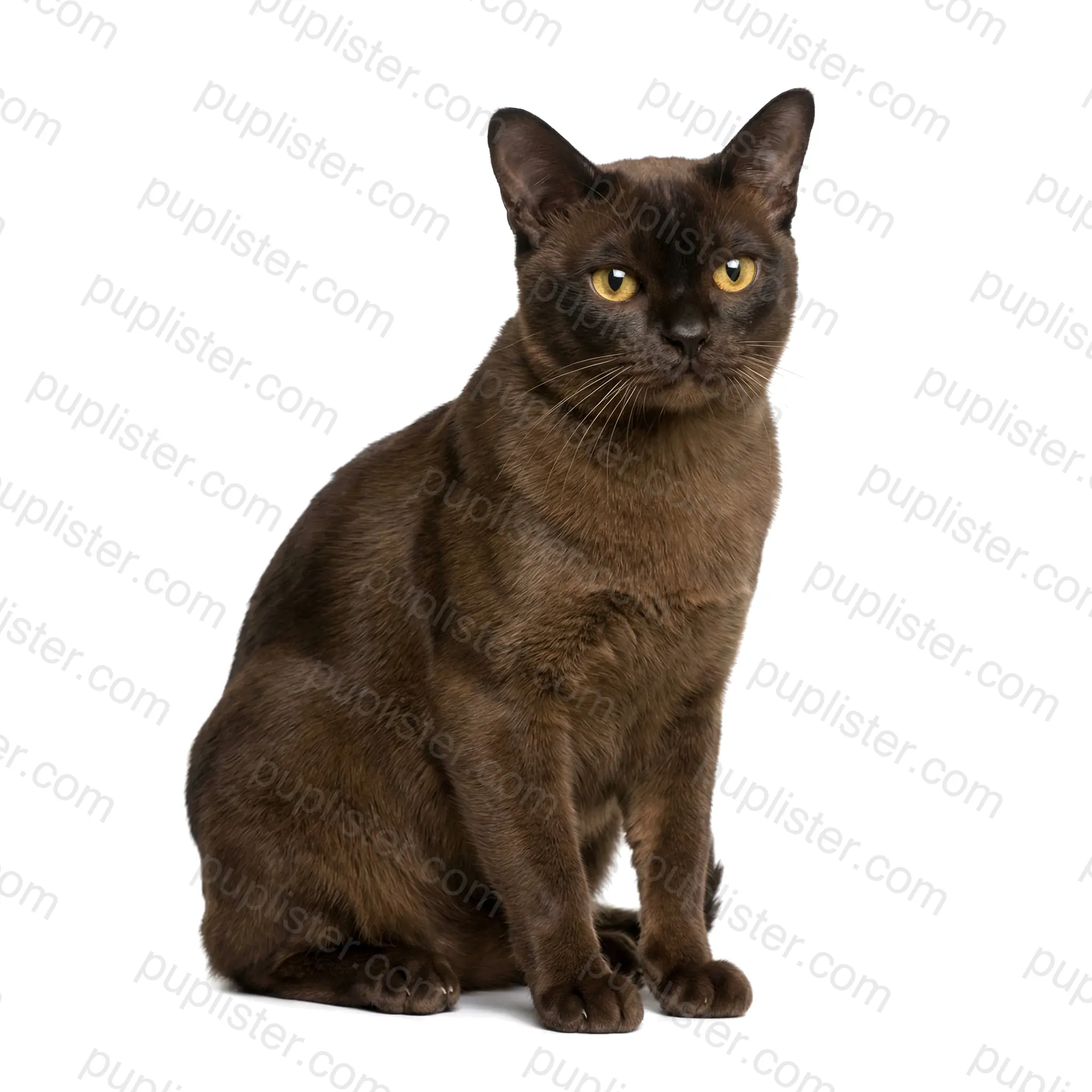
The European Burmese diverged from the American Burmese after World War II, when breeders in Europe developed the breed along different lines — favoring a more moderate, elegant body type over the cobby American standard. This medium-sized breed weighs 7–12 pounds and has a gently rounded head, moderately wedge-shaped profile, and a sleek, muscular build. Their short, satiny coat comes in a wider palette than the American variety — including brown, blue, chocolate, lilac, red, cream, and all four tortoiseshell combinations.
European Burmese are outgoing, affectionate cats that thrive on human interaction and hate to be left alone. They are playful and energetic without being hyperactive, and they get along beautifully with children, other cats, and cat-friendly dogs. Their sweet, expressive nature and tendency to "talk" in a soft, raspy voice make them irresistibly engaging companions.
The European Burmese offers refined beauty and boundless love — discover adoptable cats on Puplister.
Answer 5 quick questions to see how well this breed matches your lifestyle.
Check back soon or browse all cats.
101 pets available
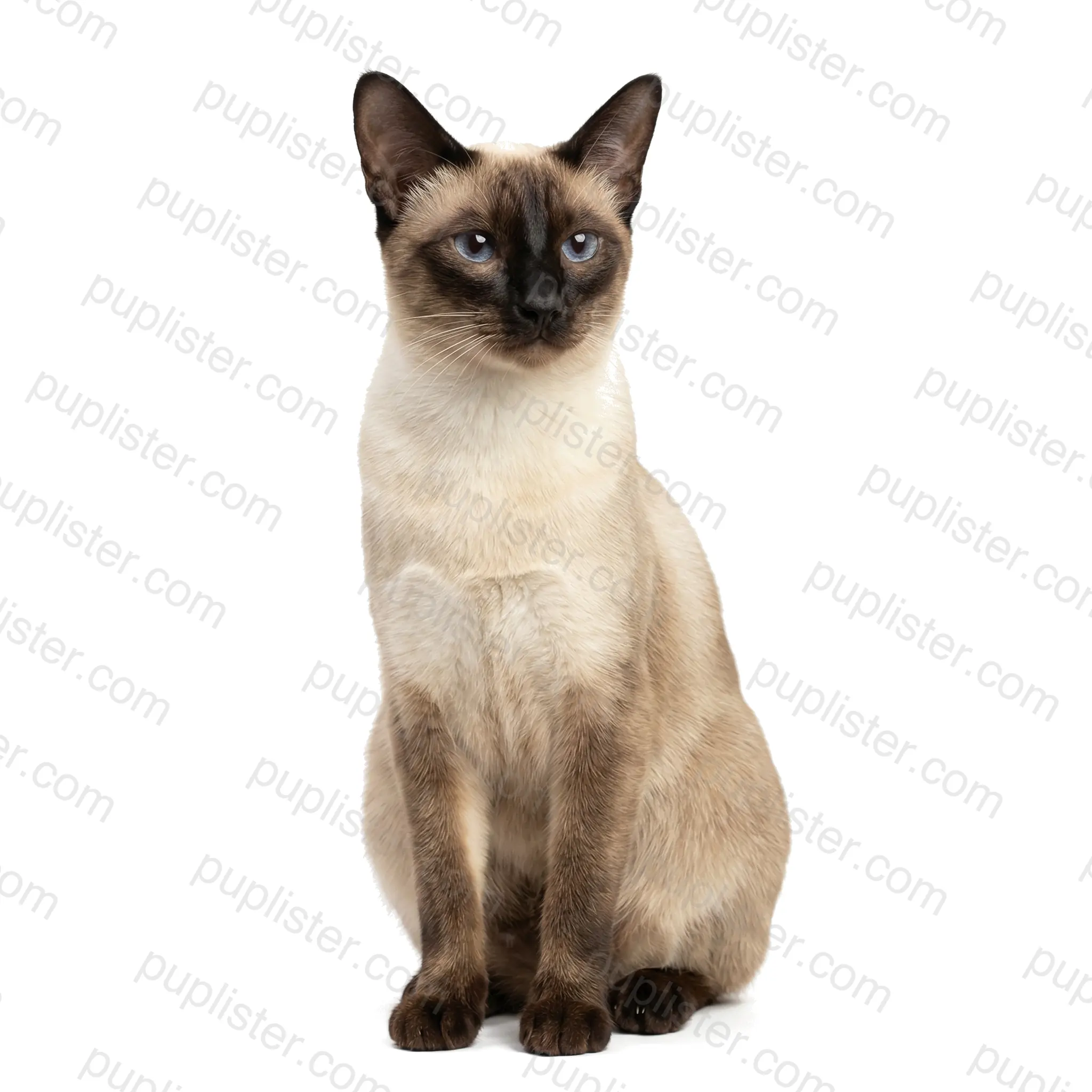
43About the Siamese The Siamese is one of the most iconic and ancient cat breeds, originating in the kingdom of Siam (now Thailand) and first documented in the Tamra Maew ("The Cat-Book Poems") dating to the 14th century. This sleek, muscular cat weighs 6–14 pounds and is immediately recognizable by its striking colorpoint pattern — a pale cream or fawn body with darker coloring on the face, ears, paws, and tail. The four traditional point colors are seal, chocolate, blue, and lilac, all paired with vivid sapphire-blue almond-shaped eyes.Temperament & PersonalitySiamese cats are among the most vocal and opinionated cats in the world — they will narrate their day in a loud, distinctive raspy voice and expect you to listen. They are fiercely loyal, deeply social, and form intense bonds with their owners, often becoming a one-person cat. Intelligent and active, they need constant stimulation and do best with a companion — whether human, feline, or canine.ProsStrikingly beautiful with mesmerizing blue eyes and elegant linesExceptionally intelligent — can learn tricks, walk on a leash, and solve puzzle toysDeeply bonded and loyal to their chosen personShort, fine coat requires almost no groomingConsExtremely vocal — constant loud meowing is not for everyoneProne to severe separation anxiety and can become destructive when left aloneSusceptible to amyloidosis, asthma, progressive retinal atrophy, and crossed eyesDemanding of attention — may become jealous of other pets or family membersReady for a devoted, chatty companion who will never let you feel alone? Find Siamese cats waiting for their forever families on Puplister.
1 pet available
3About the Siberian The Siberian — Russia's national cat — is a natural breed that has existed in the forests of Siberia for at least 1,000 years, first appearing in Russian fairy tales and eventually standardized as a breed in the 1980s. This large, powerful cat weighs 10–20 pounds and features a triple-layered, waterproof coat that protected it through harsh Russian winters — a dense undercoat, longer middle layer, and coarse guard hairs. They come in all colors and patterns, including the stunning pointed "Neva Masquerade" variety.Temperament & PersonalitySiberians are affectionate, adventurous cats with a playful, kitten-like spirit that lasts well into their senior years. They love water — don't be surprised to find one splashing in the sink or drinking from the faucet. Gentle and patient, they are excellent with children and other pets, and they possess a calm confidence that makes them unfazed by the chaos of a busy household.ProsProduces significantly lower levels of Fel d 1 allergen — often tolerated by cat-allergy sufferersHardy, naturally evolved breed with excellent overall health and longevityAffectionate and playful — retains kitten-like energy into adulthoodGentle and patient — superb family cat for homes with children and other petsConsTriple coat requires regular brushing, especially during heavy seasonal sheddingLarge size means higher food costs and the need for sturdy cat furnitureSlow to mature — may not reach full size and coat until age fiveCan be prone to hypertrophic cardiomyopathy, though less common than in some breedsDreaming of a hypoallergenic gentle giant from the Russian forests? Search for Siberian cats on Puplister and find your perfect fluffy companion.
9 pets available
8About the Ragdoll The Ragdoll was developed in the 1960s in Riverside, California, by breeder Ann Baker, who selected for docile, floppy cats that go limp when held — hence the name. One of the largest domestic cat breeds, Ragdolls weigh 10–20 pounds (males often exceeding 15 pounds) and have striking blue eyes, a semi-long silky coat, and a colorpoint pattern with a lighter body and darker extremities. They come in six main colors — seal, blue, chocolate, lilac, red, and cream — with four patterns: colorpoint, mitted, bicolor, and lynx.Temperament & PersonalityRagdolls are famously gentle, relaxed cats that often follow their owners from room to room like loyal dogs. They tend to greet you at the door and flop at your feet, earning their reputation as "floor cats" and "puppy cats." Exceptionally tolerant and patient, they are among the best breeds for families with children and get along beautifully with dogs and other cats.ProsExtremely gentle and tolerant — ideal for households with young childrenSilky coat lacks a dense undercoat, reducing matting and shedding compared to other longhairsCalm, laid-back energy level — content with moderate play and lots of cuddlingDog-like devotion — follows owners, greets guests, and can learn simple tricksConsGenetic predisposition to hypertrophic cardiomyopathy (HCM) — DNA testing recommendedTrusting and non-aggressive to a fault — must be kept strictly indoorsLarge size means higher food costs and need for oversized litter boxesCan develop bladder stones and urinary tract issuesIf a big, blue-eyed lap cat sounds like your dream companion, search for Ragdoll cats available for adoption on Puplister.
26 pets available
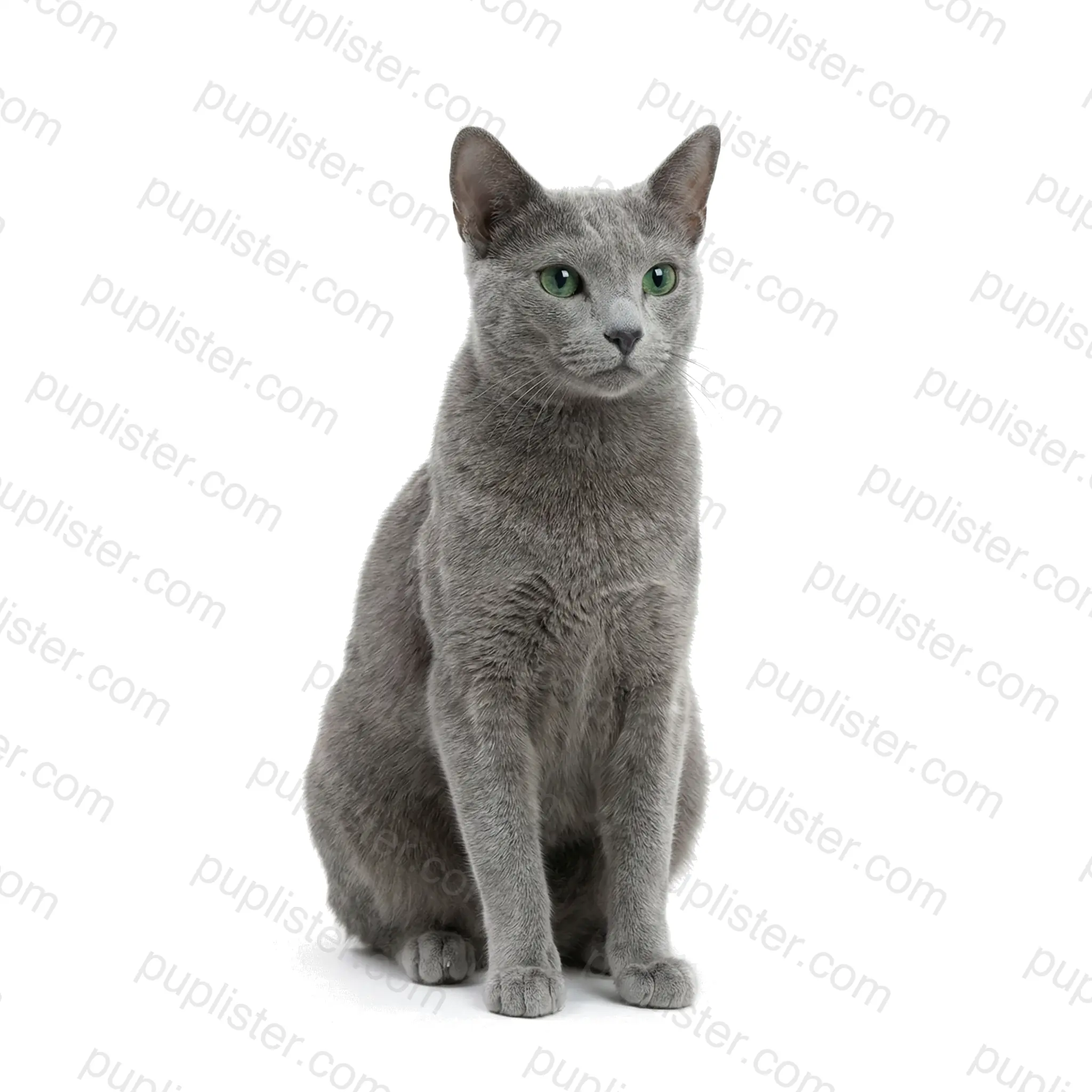
13About the Russian Blue The Russian Blue is a naturally occurring breed believed to have originated in the port city of Arkhangelsk (Archangel) in northern Russia, arriving in Europe aboard trade ships in the 1860s. This medium-sized cat weighs 7–12 pounds and is renowned for its dense, plush double coat of uniform blue-gray with silver-tipped guard hairs that give it a luminous shimmer. Its vivid emerald-green eyes, wedge-shaped head, and enigmatic "Mona Lisa smile" complete an unmistakably elegant look.Temperament & PersonalityRussian Blues are gentle, reserved cats that are intensely loyal to their families yet cautious around strangers. They are creatures of habit who thrive on routine — eating at the same time, playing in the same spots, and sleeping in their preferred perch. Once bonded, they are affectionate and playful, often fetching toys and entertaining themselves with quiet grace.ProsProduces lower levels of the Fel d 1 allergen — better tolerated by some allergy sufferersDense double coat is low-shedding and virtually maintenance-freeQuiet and well-mannered — rarely destructive or excessively vocalLong-lived breed with few genetic health issues — many reach 15–20 yearsConsShy and reserved with strangers — may hide during gatherings or partiesSensitive to change — can become stressed by moves, new pets, or schedule disruptionsProne to overeating and weight gain if food is left out freelyCan be slow to warm up to new family members or housematesCharmed by those emerald eyes and silver-tipped fur? Find Russian Blue cats ready for their forever homes on Puplister.
Found a lump on your dog? Learn when to worry and when to wait for a lump on my dog, especially for adopted pets with unknown histories.
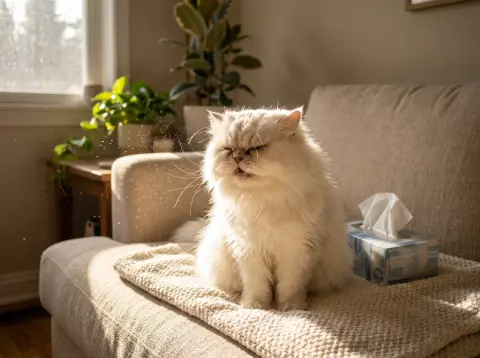
Is your cat sneezing a lot? Learn common causes, from URIs to stress, and when to seek vet care for your cat's sneezing.
Adopting a cat doesn't have to be expensive. With smart budgeting and the right resources, even those on a tight income can provide a loving, healthy home for a feline companion.
Considering getting a pet after divorce for healing and companionship? Learn crucial timing, how to choose the right pet from a shelter, and practical.