Kurilian Bobtail Kurilian Bobtail

Kurilian Bobtail

3
Gentle Sociable Clever Independent

About the Kurilian Bobtail

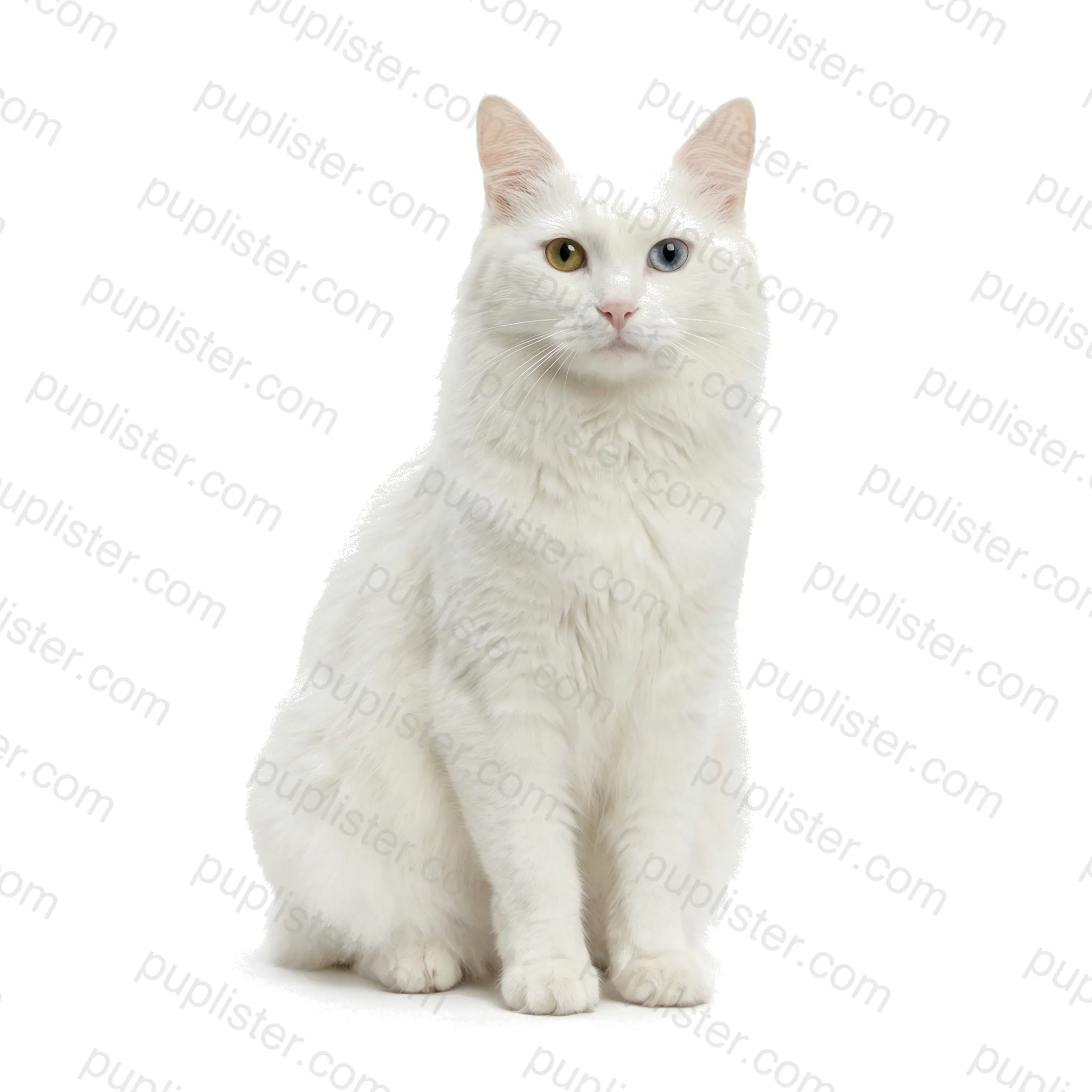
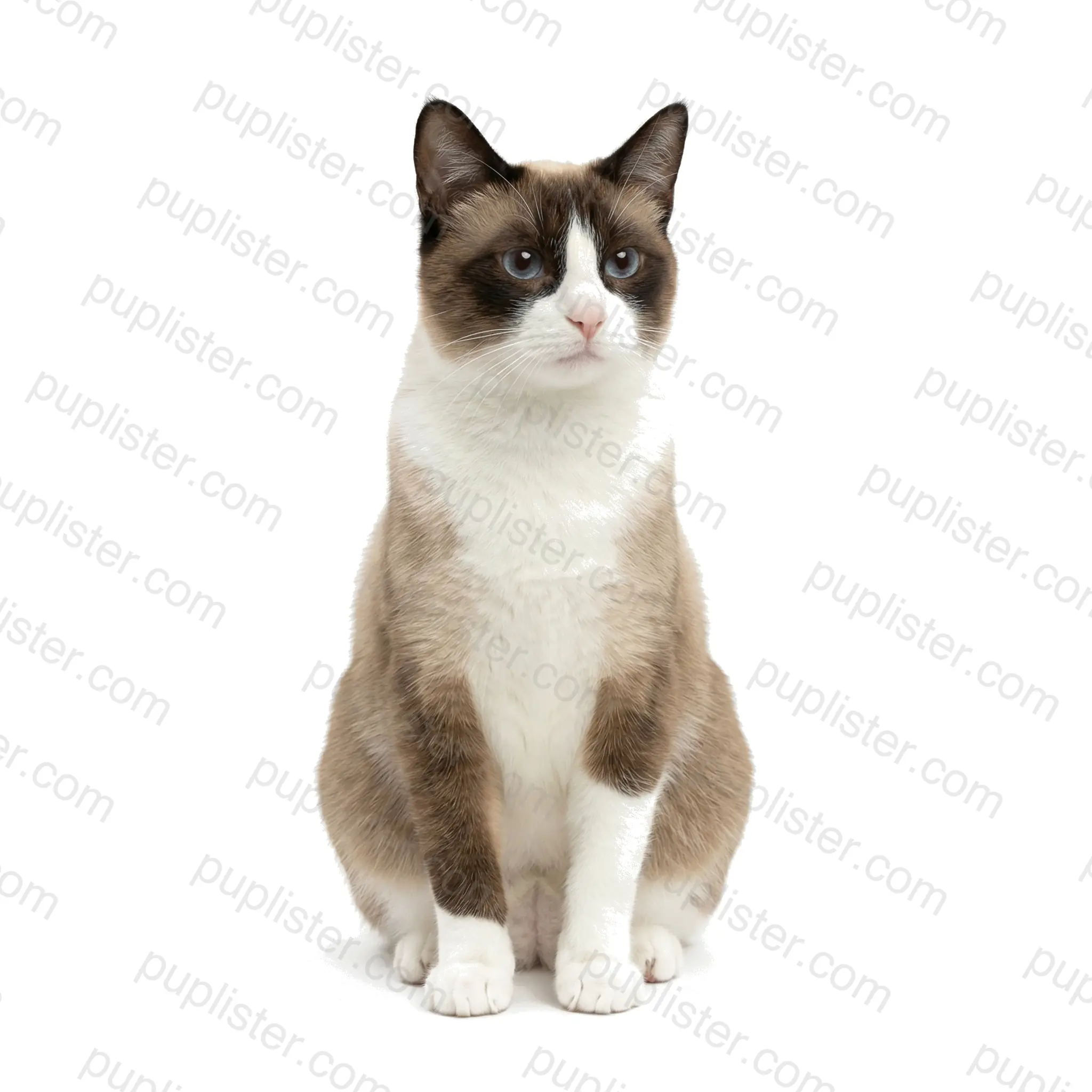
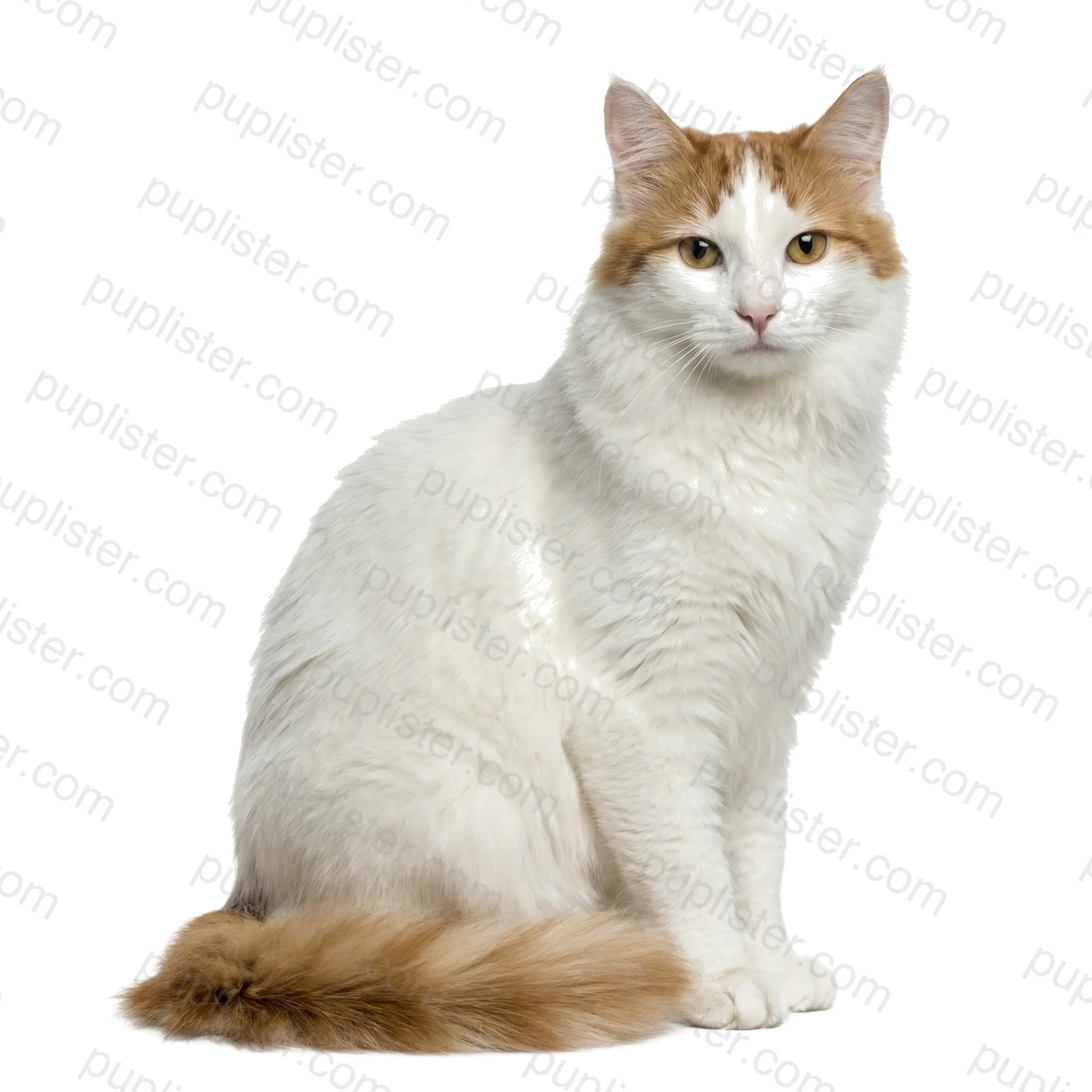
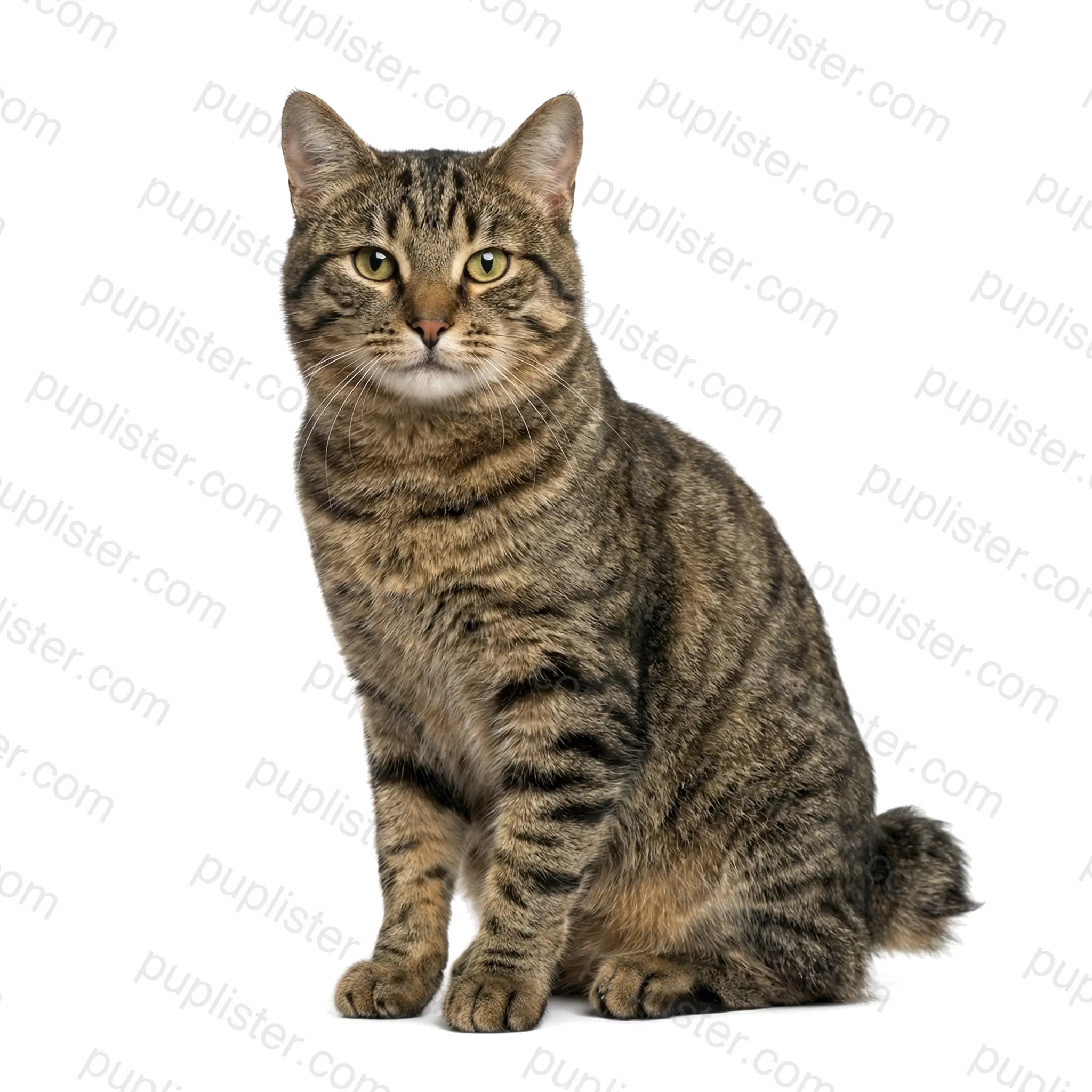
The Kurilian Bobtail is a natural breed from the Kuril Islands — a volcanic archipelago stretching between Russia and Japan — where these bobbed-tail cats have existed for at least 200 years. This medium-to-large breed weighs 8–15 pounds and has a sturdy, semi-cobby build with strong hind legs that are slightly longer than the front. Their naturally short, kinked or pom-pom tail — composed of 2–10 vertebrae — is unique to each cat, like a fingerprint, and their coat comes in both short and semi-long varieties in most colors and patterns.

Temperament & Personality

Kurilian Bobtails are gentle, sociable cats with a surprisingly dog-like devotion to their families and a strong affinity for water. They are confident and relaxed around children, other cats, and dogs, and they maintain their hunting instincts — making them excellent at pest control. Their balanced temperament combines playfulness with calm composure, making them adaptable to various household types.

Pros

  • Naturally healthy breed — evolved without human intervention on the Kuril Islands
  • Loves water and may enjoy playing in shallow pools or bathtubs
  • Dog-like loyalty — follows family members and greets them at the door
  • Bobbed tail gene is not associated with spinal deformities like the Manx gene

Cons

  • Strong prey drive — not safe with small pets like birds, fish, or rodents
  • Semi-long variety requires regular brushing to manage the dense undercoat
  • Extremely rare outside of Russia and Japan — very limited availability
  • Independent streak from island origins — may resist overly structured routines

Discover the rugged charm of the Kurilian Bobtail — browse adoptable cats on Puplister today.

Kurilian Bobtail Quick Facts

Size
8–15 lbs
Lifespan
15–20 years
Exercise
Moderate
Grooming
Moderate
Good with Kids
Yes
Good with Pets
Yes

Is the Kurilian Bobtail right for you?

Answer 5 quick questions to see how well this breed matches your lifestyle.

Take the Quiz

Available Kurilian Bobtails

No cats available right now

Check back soon or browse all cats.

Browse All Cats

Related Breeds

Siberian
Siberian Cat

1 pet available

3

About the Siberian The Siberian — Russia's national cat — is a natural breed that has existed in the forests of Siberia for at least 1,000 years, first appearing in Russian fairy tales and eventually standardized as a breed in the 1980s. This large, powerful cat weighs 10–20 pounds and features a triple-layered, waterproof coat that protected it through harsh Russian winters — a dense undercoat, longer middle layer, and coarse guard hairs. They come in all colors and patterns, including the stunning pointed "Neva Masquerade" variety.Temperament & PersonalitySiberians are affectionate, adventurous cats with a playful, kitten-like spirit that lasts well into their senior years. They love water — don't be surprised to find one splashing in the sink or drinking from the faucet. Gentle and patient, they are excellent with children and other pets, and they possess a calm confidence that makes them unfazed by the chaos of a busy household.ProsProduces significantly lower levels of Fel d 1 allergen — often tolerated by cat-allergy sufferersHardy, naturally evolved breed with excellent overall health and longevityAffectionate and playful — retains kitten-like energy into adulthoodGentle and patient — superb family cat for homes with children and other petsConsTriple coat requires regular brushing, especially during heavy seasonal sheddingLarge size means higher food costs and the need for sturdy cat furnitureSlow to mature — may not reach full size and coat until age fiveCan be prone to hypertrophic cardiomyopathy, though less common than in some breedsDreaming of a hypoallergenic gentle giant from the Russian forests? Search for Siberian cats on Puplister and find your perfect fluffy companion.

Sphynx
Sphynx Cat

1 pet available

14

About the Sphynx The Sphynx originated in Toronto, Canada, in 1966 when a domestic cat gave birth to a hairless kitten due to a natural genetic mutation. Through careful breeding with Devon Rex and other cats, the Sphynx was established as a robust breed. Weighing 6–12 pounds, this medium-sized cat is famous for its apparent hairlessness — though most Sphynx have a fine layer of peach-fuzz that gives their skin a warm, suede-like texture. Their wrinkled skin, lemon-shaped eyes, enormous ears, and pot belly give them an unmistakable extraterrestrial appearance.Temperament & PersonalitySphynx cats are extroverted clowns that crave human attention and warmth — literally, as they seek out body heat and will burrow under blankets or curl up on any available lap. They are fearless, social, and endlessly entertaining, performing acrobatic feats and greeting everyone — including strangers — with enthusiasm. They do wonderfully with children, dogs, and other cats.ProsNo fur shedding on furniture or clothingExtremely social, affectionate, and entertaining — the ultimate companion catGets along with virtually everyone — kids, dogs, strangers, other catsUnique, striking appearance that turns heads wherever they goConsRequires weekly baths to remove oil buildup that would normally be absorbed by furHighly susceptible to sunburn, cold, and skin infectionsProne to hypertrophic cardiomyopathy (HCM) and hereditary myopathyHigh metabolism means they eat more than similarly sized cats and need a warm environmentCaptivated by this hairless wonder? Find Sphynx cats looking for warm, loving homes on Puplister — your next cuddle buddy awaits.

Ragdoll
Ragdoll Cat

9 pets available

8

About the Ragdoll The Ragdoll was developed in the 1960s in Riverside, California, by breeder Ann Baker, who selected for docile, floppy cats that go limp when held — hence the name. One of the largest domestic cat breeds, Ragdolls weigh 10–20 pounds (males often exceeding 15 pounds) and have striking blue eyes, a semi-long silky coat, and a colorpoint pattern with a lighter body and darker extremities. They come in six main colors — seal, blue, chocolate, lilac, red, and cream — with four patterns: colorpoint, mitted, bicolor, and lynx.Temperament & PersonalityRagdolls are famously gentle, relaxed cats that often follow their owners from room to room like loyal dogs. They tend to greet you at the door and flop at your feet, earning their reputation as "floor cats" and "puppy cats." Exceptionally tolerant and patient, they are among the best breeds for families with children and get along beautifully with dogs and other cats.ProsExtremely gentle and tolerant — ideal for households with young childrenSilky coat lacks a dense undercoat, reducing matting and shedding compared to other longhairsCalm, laid-back energy level — content with moderate play and lots of cuddlingDog-like devotion — follows owners, greets guests, and can learn simple tricksConsGenetic predisposition to hypertrophic cardiomyopathy (HCM) — DNA testing recommendedTrusting and non-aggressive to a fault — must be kept strictly indoorsLarge size means higher food costs and need for oversized litter boxesCan develop bladder stones and urinary tract issuesIf a big, blue-eyed lap cat sounds like your dream companion, search for Ragdoll cats available for adoption on Puplister.

Turkish Van

5 pets available

1

About the Turkish Van The Turkish Van is a rare, naturally occurring breed from the Lake Van region of eastern Turkey, renowned as the "swimming cat" for its unusual love of water. This is a large, muscular cat weighing 10–18 pounds with a semi-long, cashmere-like single coat that is water-resistant and dries remarkably fast. The classic Van pattern features a predominantly chalk-white body with colored markings limited to the head and tail — typically in red, cream, black, blue, or tortoiseshell — though solid white and fully colored Vans also exist.Temperament & PersonalityTurkish Vans are energetic, independent, and famously fond of water — they may join you in the shower, play in the toilet, or splash in their water bowl. Intelligent and athletic, they love to climb, jump, and play vigorously. They bond closely with their family but can be selective about being held — they prefer to be near you rather than in your lap.ProsUnique love of water sets them apart from nearly every other breedCashmere-textured single coat is water-resistant, low-shedding, and rarely matsAthletic and playful — endlessly entertaining to watchHardy, naturally evolved breed with robust healthConsDoes not enjoy being held or restrained — wants affection on its own termsExtremely high energy — needs significant space and daily vigorous playWater obsession can create messes — toilet lids must stay closedAll-white Vans can be prone to deafness, similar to Turkish AngorasLooking for an adventurous water-lover unlike any other cat? Browse Turkish Van cats on Puplister and discover this remarkable swimming feline.
Related Articles

Frequently Asked Questions

What are the key traits of a Kurilian Bobtail?
The Kurilian Bobtail is known for being gentle, sociable, clever and independent.
How many Kurilian Bobtails are available for adoption?
There are currently 0 Kurilian Bobtails available for adoption on Puplister. Browse the listings above to find your perfect match.
How do I adopt a Kurilian Bobtail from Puplister?
To adopt a Kurilian Bobtail, browse the available listings on this page, click on a pet you're interested in, and contact the shelter directly through their profile page.