Adopted Cat Meowing All Night: How to Stop It
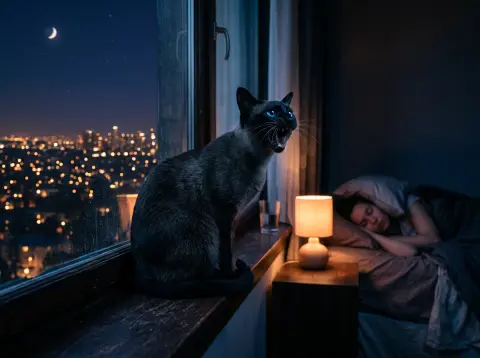
Adopted cat meowing all night? Discover why it happens, how to create a calm environment, and a realistic timeline to quiet nighttime meows.
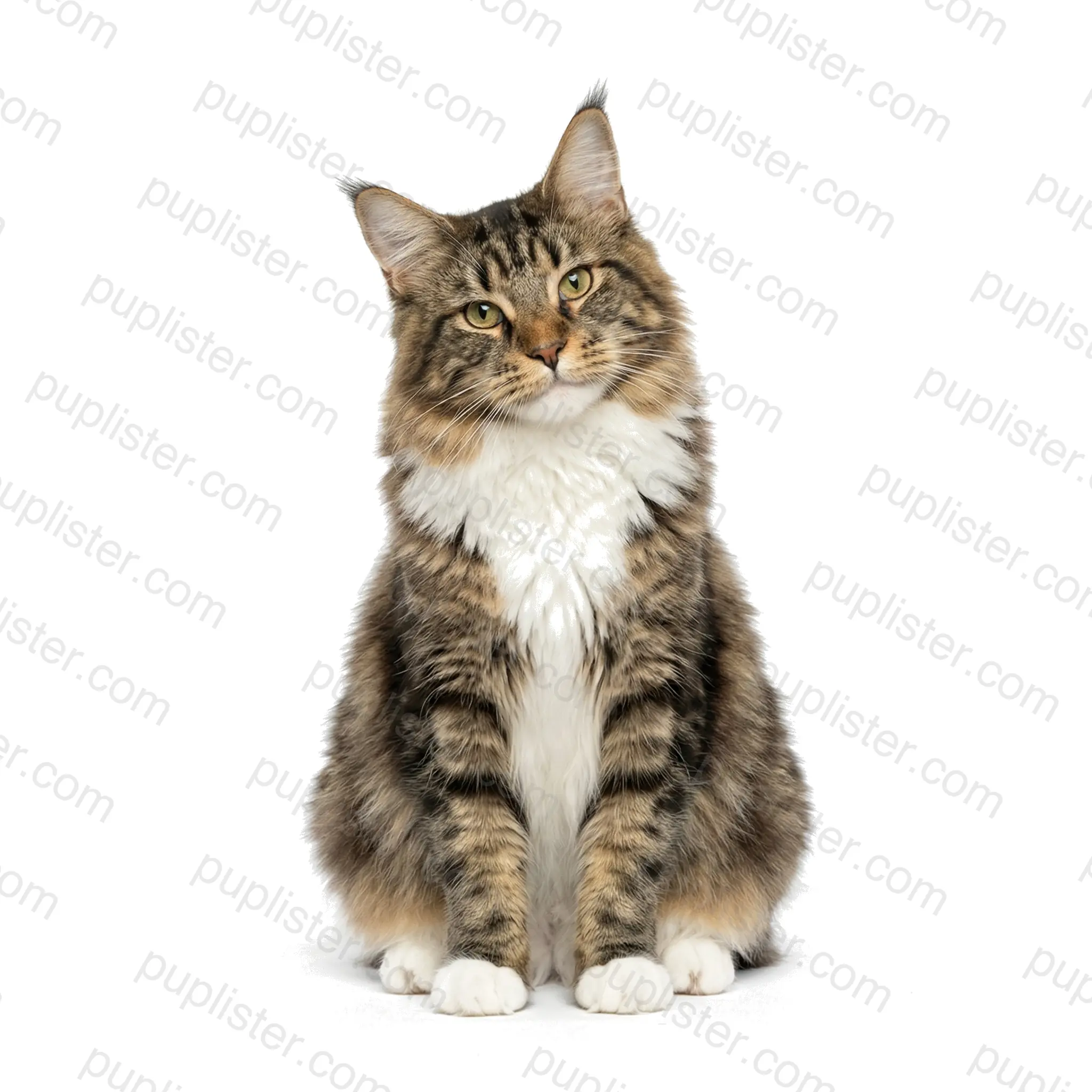
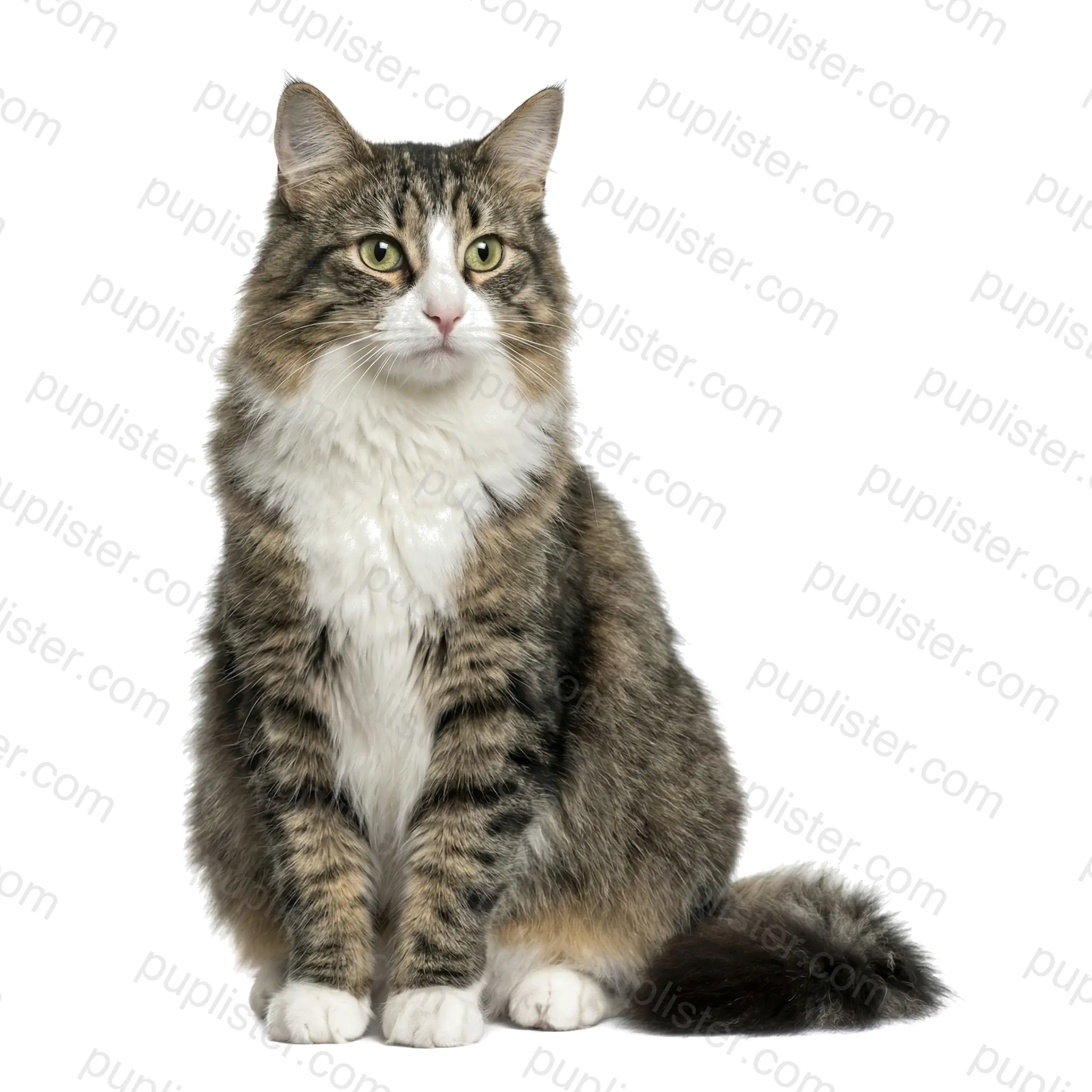
The Norwegian Forest Cat — called "Skogkatt" in Norway — is a natural breed that evolved over centuries in the harsh Scandinavian wilderness. This is a large, powerfully built cat weighing 12–16 pounds (sometimes more), with a triangular head, tufted ears, and a magnificent waterproof double coat featuring a dense undercoat beneath long, glossy guard hairs. They come in nearly every color and pattern except pointed.
Norwegian Forest Cats are gentle giants — affectionate yet independent, happy to sit near you rather than on you. They are athletic climbers who love high perches and will scale bookshelves and cat trees with ease. Patient and tolerant, they do well with children and other pets, though they tend to reserve their deepest affection for their immediate family.
Dreaming of a majestic, forest-born companion? Browse Norwegian Forest Cats available for adoption on Puplister and bring home a piece of Scandinavia.
Answer 5 quick questions to see how well this breed matches your lifestyle.
Check back soon or browse all cats.
10 pets available
About the Maine Coon The Maine Coon is North America's oldest natural longhaired breed — originating in the rugged state of Maine, where it earned the official title of state cat in 1985. This giant breed is one of the largest domesticated cats in the world, with males weighing 13–25 pounds and females 8–14 pounds, and some individuals exceeding 40 inches in total length. Their thick, water-resistant double coat is longer on the stomach, ruff, and tail — adapted to harsh New England winters — and comes in virtually every color and pattern except pointed. Temperament & Personality Maine Coons are famously gentle giants — sociable, intelligent, and remarkably patient with children, other cats, and dogs alike. They are playful and curious well into adulthood, often fascinated by water and known for their endearing chirping and trilling vocalizations rather than typical meowing. Their dog-like loyalty, trainability, and easygoing nature have made them consistently one of the most popular cat breeds worldwide. Pros Gentle, patient temperament — exceptional with children and other petsDog-like personality — can learn tricks, walk on a leash, and play fetchMajestic appearance with a luxurious mane and plumed tailHardy, adaptable breed that thrives in cold climates Cons Prone to hypertrophic cardiomyopathy (HCM), hip dysplasia, and spinal muscular atrophyLarge size means higher food costs, bigger litter boxes, and sturdier furnitureDense coat requires brushing 2–3 times per week to prevent mats and tanglesSlow to mature — takes 3–5 years to reach full size, extending the kitten-energy phase Ready to share your home with a magnificent Maine Coon? Find gentle giants available for adoption on Puplister.
9 pets available
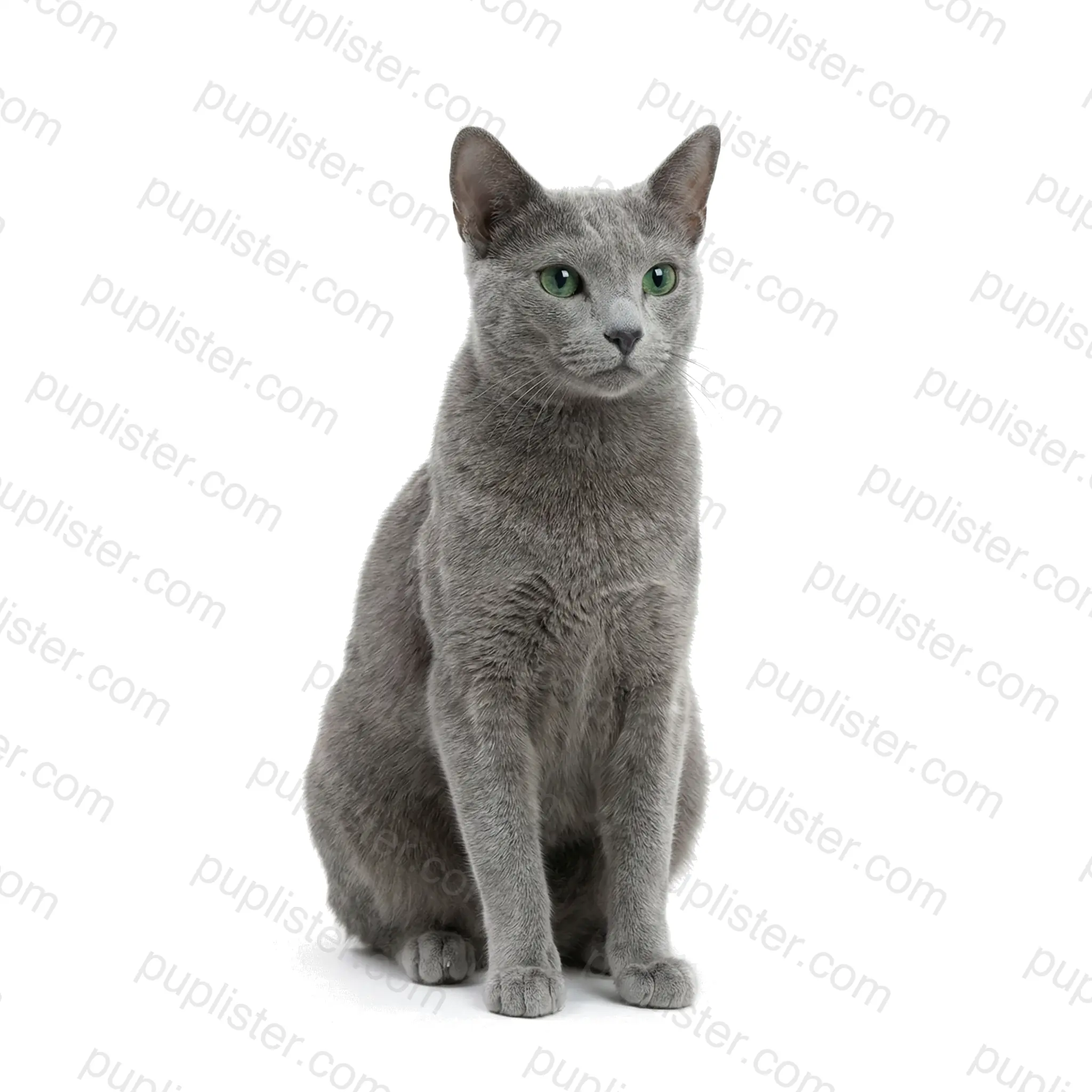
About the Russian Blue The Russian Blue is a naturally occurring breed believed to have originated in the port city of Arkhangelsk (Archangel) in northern Russia, arriving in Europe aboard trade ships in the 1860s. This medium-sized cat weighs 7–12 pounds and is renowned for its dense, plush double coat of uniform blue-gray with silver-tipped guard hairs that give it a luminous shimmer. Its vivid emerald-green eyes, wedge-shaped head, and enigmatic "Mona Lisa smile" complete an unmistakably elegant look.Temperament & PersonalityRussian Blues are gentle, reserved cats that are intensely loyal to their families yet cautious around strangers. They are creatures of habit who thrive on routine — eating at the same time, playing in the same spots, and sleeping in their preferred perch. Once bonded, they are affectionate and playful, often fetching toys and entertaining themselves with quiet grace.ProsProduces lower levels of the Fel d 1 allergen — better tolerated by some allergy sufferersDense double coat is low-shedding and virtually maintenance-freeQuiet and well-mannered — rarely destructive or excessively vocalLong-lived breed with few genetic health issues — many reach 15–20 yearsConsShy and reserved with strangers — may hide during gatherings or partiesSensitive to change — can become stressed by moves, new pets, or schedule disruptionsProne to overeating and weight gain if food is left out freelyCan be slow to warm up to new family members or housematesCharmed by those emerald eyes and silver-tipped fur? Find Russian Blue cats ready for their forever homes on Puplister.
1 pet available
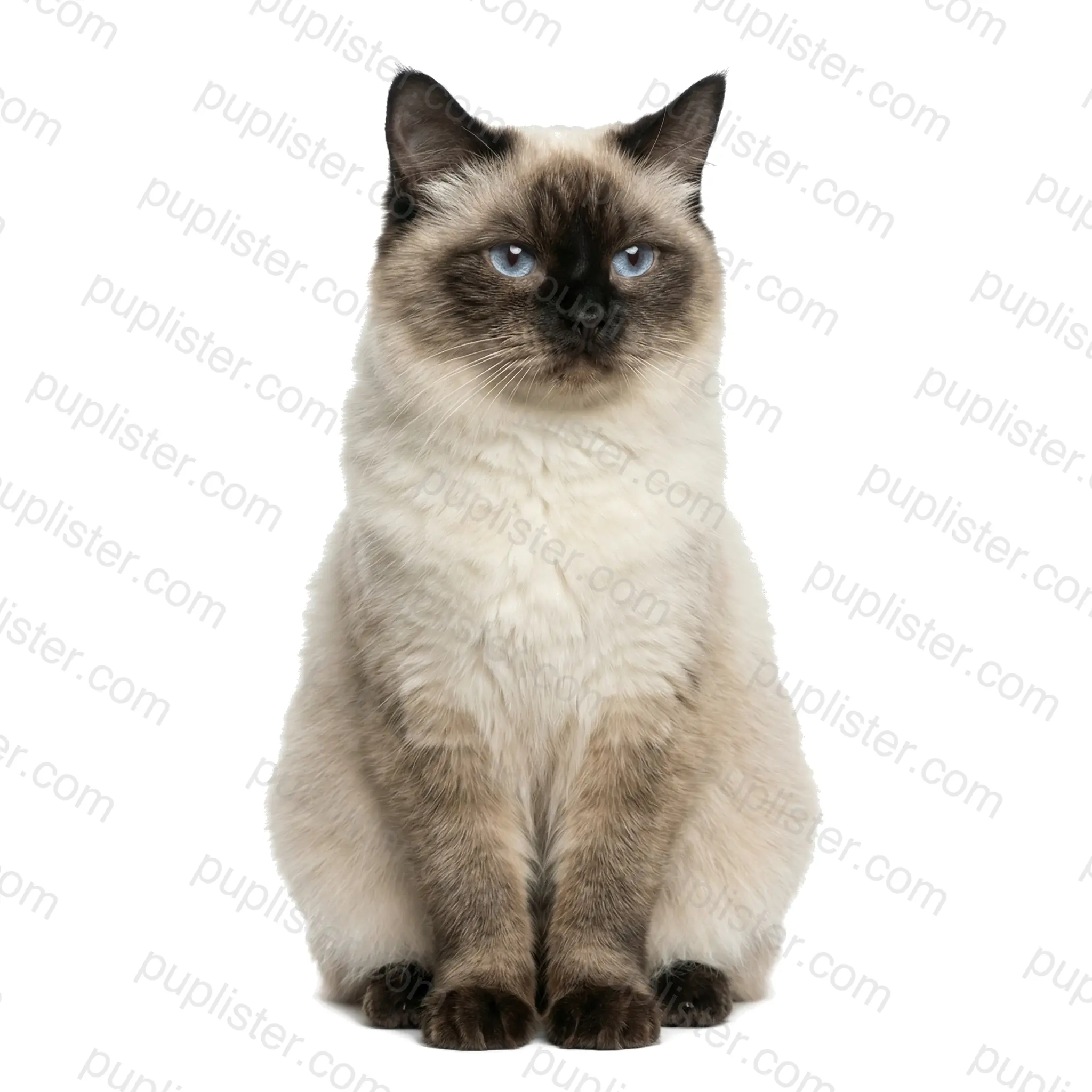
About the Himalayan The Himalayan — known as the Colourpoint Persian in Europe — was developed in the 1930s–1950s by crossing Siamese with Persians to combine the Persian's luxurious coat with Siamese point coloring. This medium-to-large breed weighs 7–14 pounds and has the Persian's flat face, round body, and short legs. Their long, thick, flowing coat comes in all point colors — seal, blue, chocolate, lilac, red, cream, and tortoiseshell — contrasted against a pale cream or white body. Temperament & Personality Himalayans are calm, sweet, and devoted cats that enjoy a serene environment and gentle handling. They are more playful than Persians — thanks to their Siamese heritage — and may enjoy short bursts of activity with a favorite toy. They are patient with well-behaved children and prefer a quiet household, bonding closely with their family while remaining friendly with gentle visitors. Pros Stunningly beautiful — combines Persian elegance with Siamese coloringCalm, gentle personality — ideal for quiet, relaxed householdsDeeply affectionate and loyal to their familyVivid blue eyes inherited from Siamese lineage add to their beauty Cons Coat requires daily grooming — prone to severe matting without consistent careBrachycephalic — prone to breathing difficulties, eye discharge, and dental issuesHigh risk for polycystic kidney disease (PKD) and progressive retinal atrophyHeat-sensitive — must be kept in air-conditioned environments during warm months Ready to pamper a gorgeous Himalayan? Discover cats available for adoption on Puplister today.
2 pets available
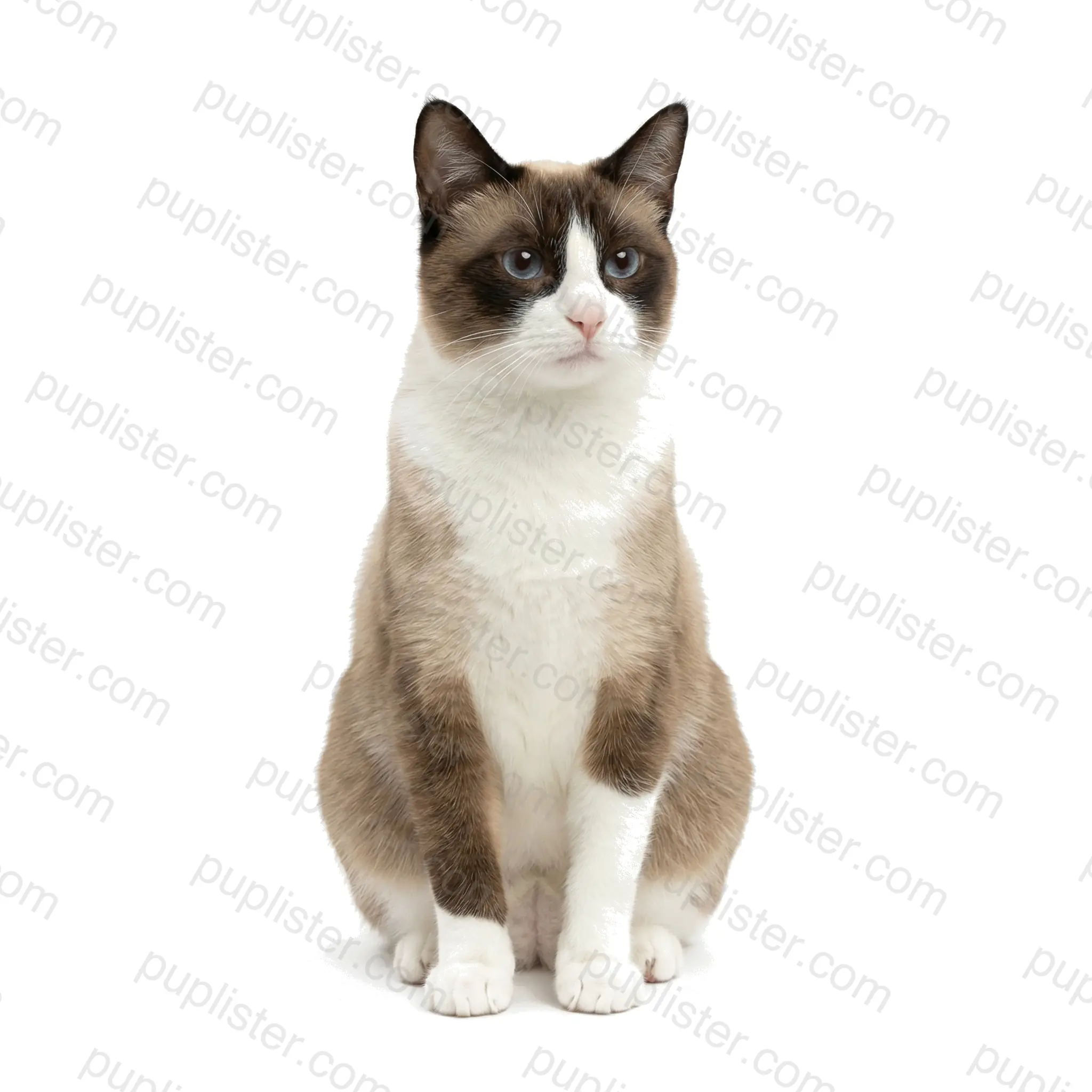
About the Snowshoe The Snowshoe was developed in the 1960s in Philadelphia by crossing Siamese cats with American Shorthairs, creating a pointed cat with distinctive white "boots" on all four paws. This medium-sized breed weighs 7–12 pounds and combines the Siamese's colorpoint pattern with a more robust, moderately stocky build. Their short, smooth coat comes in seal point and blue point, always featuring white paws, an inverted white "V" on the face, and striking blue eyes.Temperament & PersonalitySnowshoes are vocal, social cats that inherit the Siamese's love of conversation but with a softer, more melodic voice. They are playful and intelligent, often learning to open doors and turn on faucets — many Snowshoes are fascinated by running water. They bond closely with their families and can become distressed if left alone for long periods.ProsStriking, unique appearance — the white boots and facial markings are hard to resistVocal but softer-voiced than the Siamese — communicative without being overwhelmingIntelligent and playful — enjoys puzzle toys, fetch, and learning tricksAffectionate and loyal — bonds deeply with family membersConsProne to separation anxiety — needs companionship throughout the dayMarkings are unpredictable — "show-quality" pattern is notoriously difficult to breed consistentlyCan be sensitive and moody — may sulk if they feel ignoredInherited health concerns from Siamese lines, including dental and heart issuesLove the Siamese look with a twist? Browse Snowshoe cats seeking their perfect families on Puplister today.
Adopted cat meowing all night? Discover why it happens, how to create a calm environment, and a realistic timeline to quiet nighttime meows.
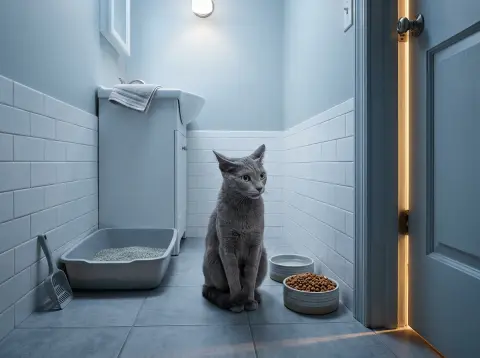
Is your adopted cat not eating? Learn the causes, from stress to past trauma, and discover practical solutions to get your new feline friend eating again.
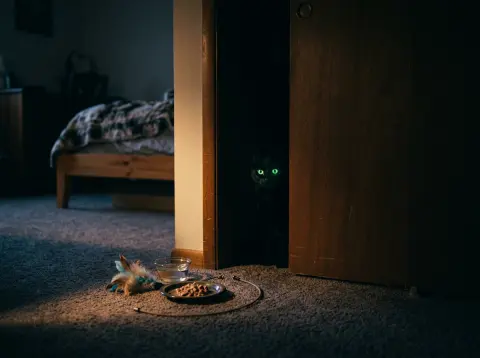
Is your new cat hiding and won't come out? It's normal, but proactive steps can help. Learn how to build trust with your shy adopted cat.
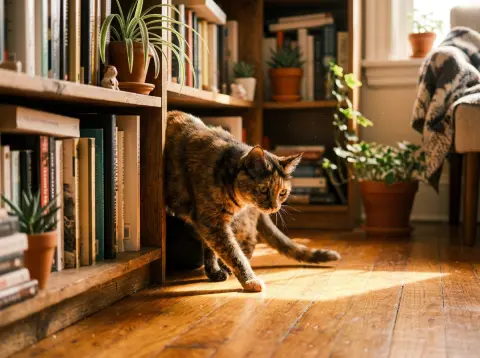
Discover how long it takes for a rescue cat to feel at home with our experienced guide, covering the 3-3-3 rule and actionable tips.