Ocicat Ocicat

Ocicat

1
Social Playful Confident Athletic

About the Ocicat

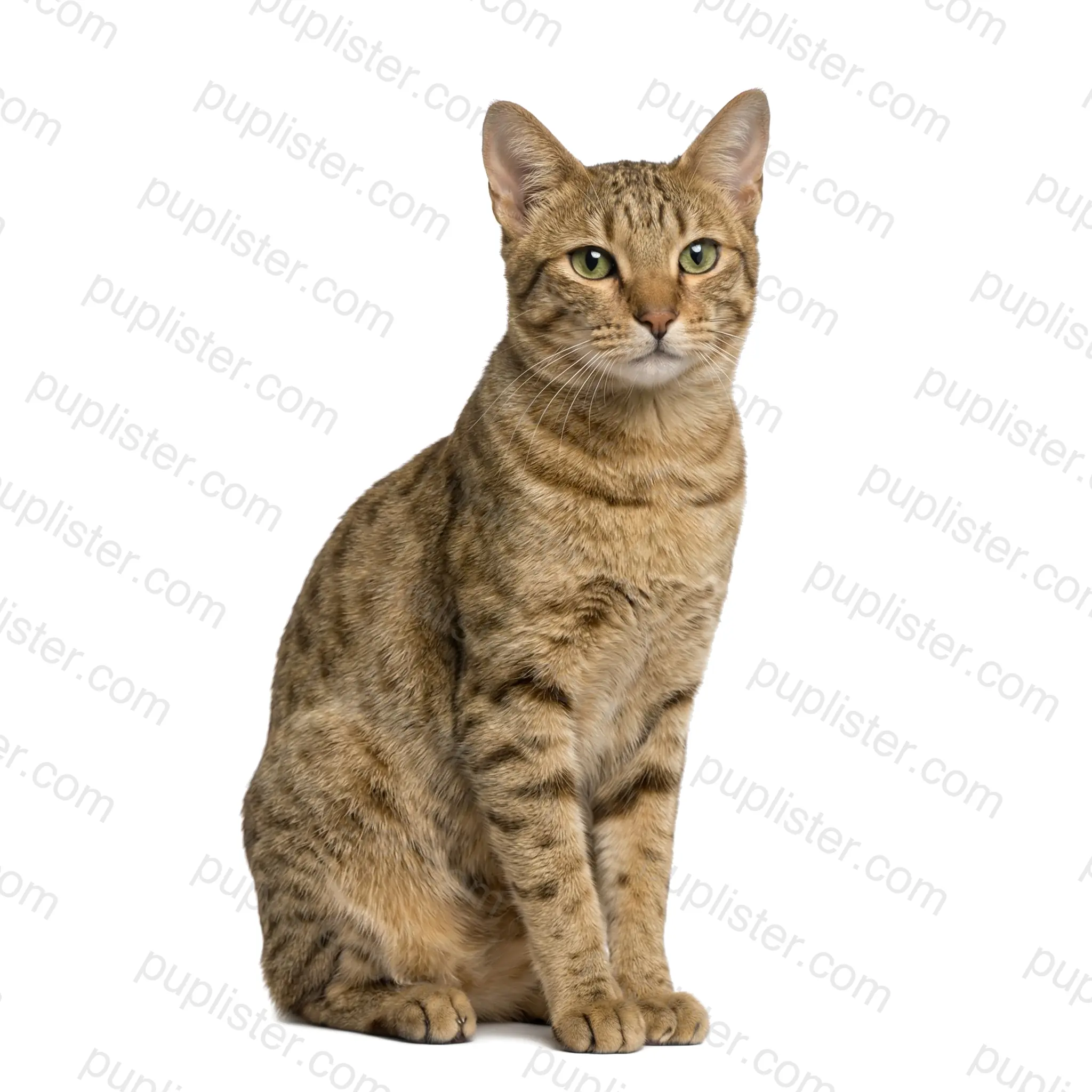
The Ocicat was created entirely by accident in 1964 when a Michigan breeder crossed Siamese and Abyssinian cats, producing a spotted kitten that resembled a wild ocelot. Despite its exotic appearance, the Ocicat has no wild blood whatsoever. This muscular, athletic cat weighs 6–15 pounds and boasts a short, satiny coat covered in distinctive thumb-shaped spots arranged in a classic bull's-eye pattern, available in twelve recognized colors from tawny to lavender silver.

Temperament & Personality

Ocicats are exceptionally social, dog-like cats that greet visitors at the door, play fetch, and can be trained to walk on a leash. They are highly intelligent and demand interaction — this is not a breed that does well left alone for long hours. Their confident, outgoing nature makes them wonderful companions for active families with children and other pets.

Pros

  • Wild, exotic appearance without any wild cat bloodlines
  • Highly trainable — responds to commands, learns tricks, walks on a leash
  • Short coat requires minimal grooming
  • Confident and social with strangers, children, and other animals

Cons

  • Extremely high need for attention and stimulation — may develop destructive behaviors if bored
  • Very vocal and demanding when they want interaction
  • Not suited for owners who are away from home frequently
  • Strong prey drive — may not coexist well with small pocket pets

Want a wild look with a domestic heart? Find Ocicat cats seeking loving homes on Puplister now.

Ocicat Quick Facts

Size
6–15 lbs
Lifespan
12–18 years
Exercise
High
Grooming
Low
Good with Kids
Yes
Good with Pets
Yes

Is the Ocicat right for you?

Answer 5 quick questions to see how well this breed matches your lifestyle.

Take the Quiz

Available Ocicats

No cats available right now

Check back soon or browse all cats.

Browse All Cats

Related Breeds

Turkish Van

5 pets available

2

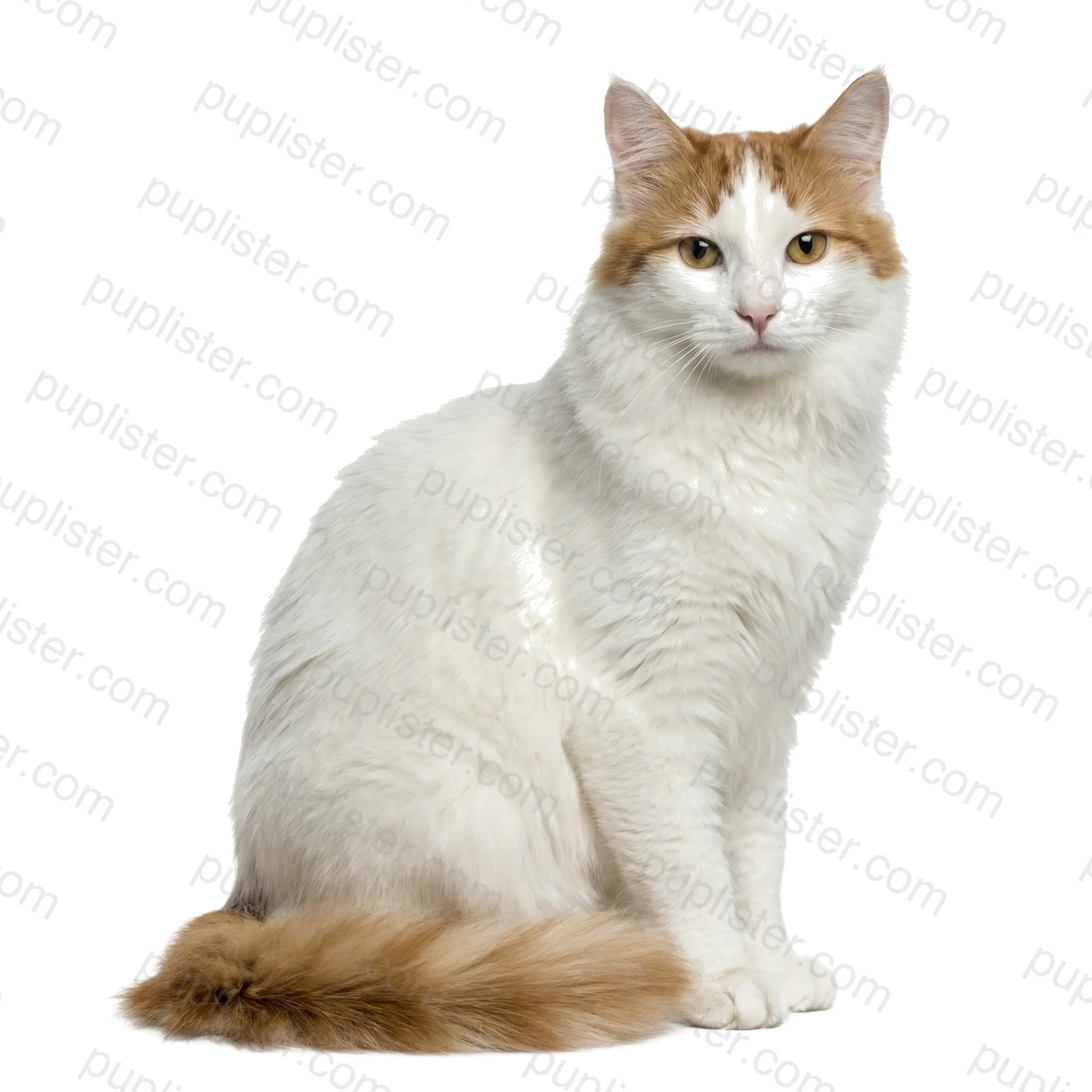
About the Turkish Van The Turkish Van is a rare, naturally occurring breed from the Lake Van region of eastern Turkey, renowned as the "swimming cat" for its unusual love of water. This is a large, muscular cat weighing 10–18 pounds with a semi-long, cashmere-like single coat that is water-resistant and dries remarkably fast. The classic Van pattern features a predominantly chalk-white body with colored markings limited to the head and tail — typically in red, cream, black, blue, or tortoiseshell — though solid white and fully colored Vans also exist.Temperament & PersonalityTurkish Vans are energetic, independent, and famously fond of water — they may join you in the shower, play in the toilet, or splash in their water bowl. Intelligent and athletic, they love to climb, jump, and play vigorously. They bond closely with their family but can be selective about being held — they prefer to be near you rather than in your lap.ProsUnique love of water sets them apart from nearly every other breedCashmere-textured single coat is water-resistant, low-shedding, and rarely matsAthletic and playful — endlessly entertaining to watchHardy, naturally evolved breed with robust healthConsDoes not enjoy being held or restrained — wants affection on its own termsExtremely high energy — needs significant space and daily vigorous playWater obsession can create messes — toilet lids must stay closedAll-white Vans can be prone to deafness, similar to Turkish AngorasLooking for an adventurous water-lover unlike any other cat? Browse Turkish Van cats on Puplister and discover this remarkable swimming feline.
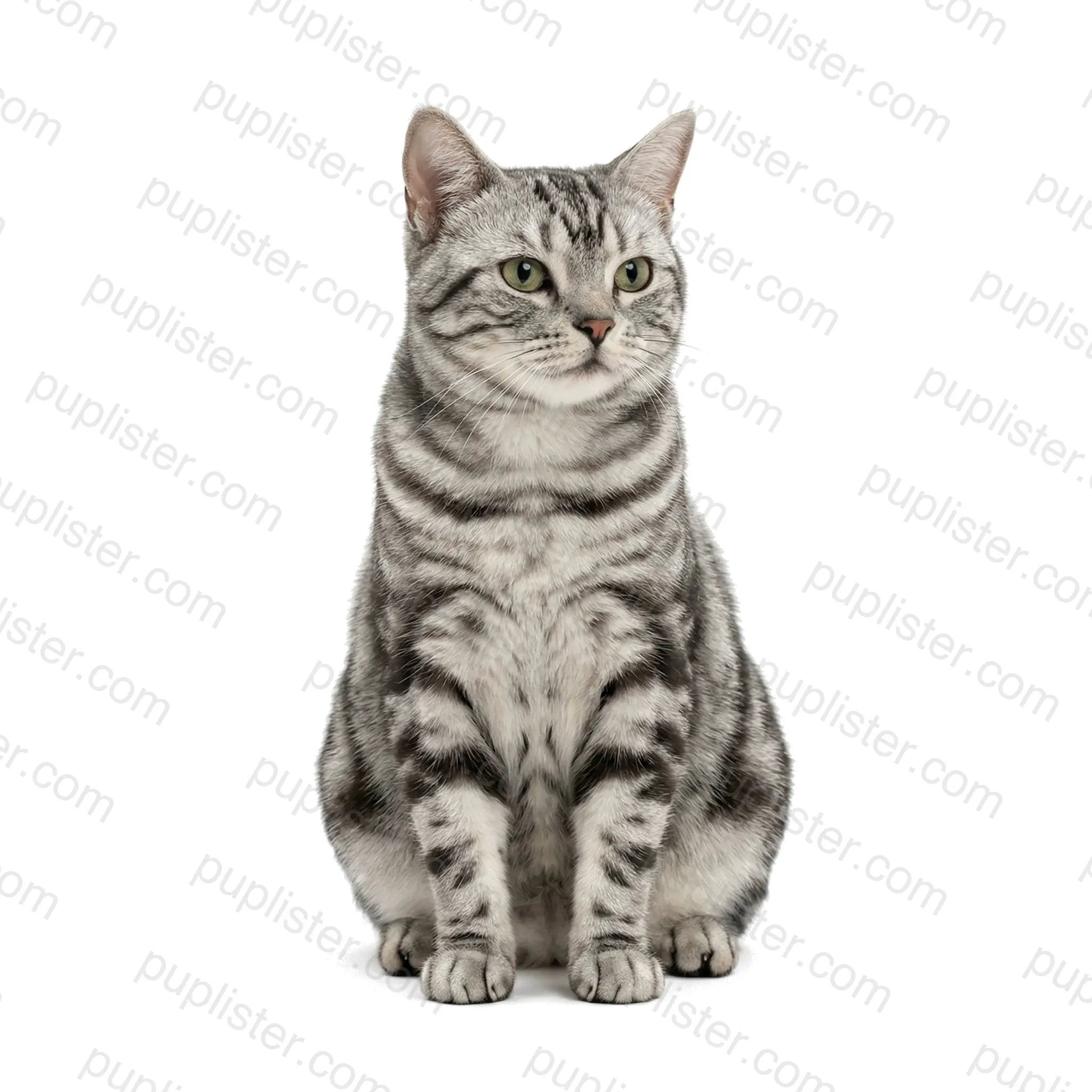
American Shorthair

132 pets available

2

About the American Shorthair The American Shorthair descends from European cats brought to North America on ships like the Mayflower, where they earned their keep as skilled mousers. This medium-to-large breed weighs 8–15 pounds and boasts a powerful, well-proportioned build with a broad chest. Their dense, short coat comes in over 80 recognized colors and patterns, with the classic silver tabby being the most iconic. Temperament & Personality American Shorthairs are easygoing, adaptable cats that strike a perfect balance between playful and laid-back. They are patient and gentle with children, coexist peacefully with other pets, and are content to entertain themselves when the family is busy. Their calm, even temperament and low-maintenance nature have made them one of America's most popular breeds for decades. Pros Exceptionally healthy breed with a lifespan of 15–20 yearsLow-maintenance coat that rarely mats or tanglesIndependent enough to handle owners' work schedules without anxietyNatural mouser — helps keep the home pest-free Cons Prone to obesity if diet and exercise are not carefully managedCan be reserved with strangers and may take time to warm upNot as interactive or trainable as more active breedsSeasonal shedding can be heavy despite the short coat Ready to welcome an American Shorthair into your home? Browse available cats for adoption on Puplister.

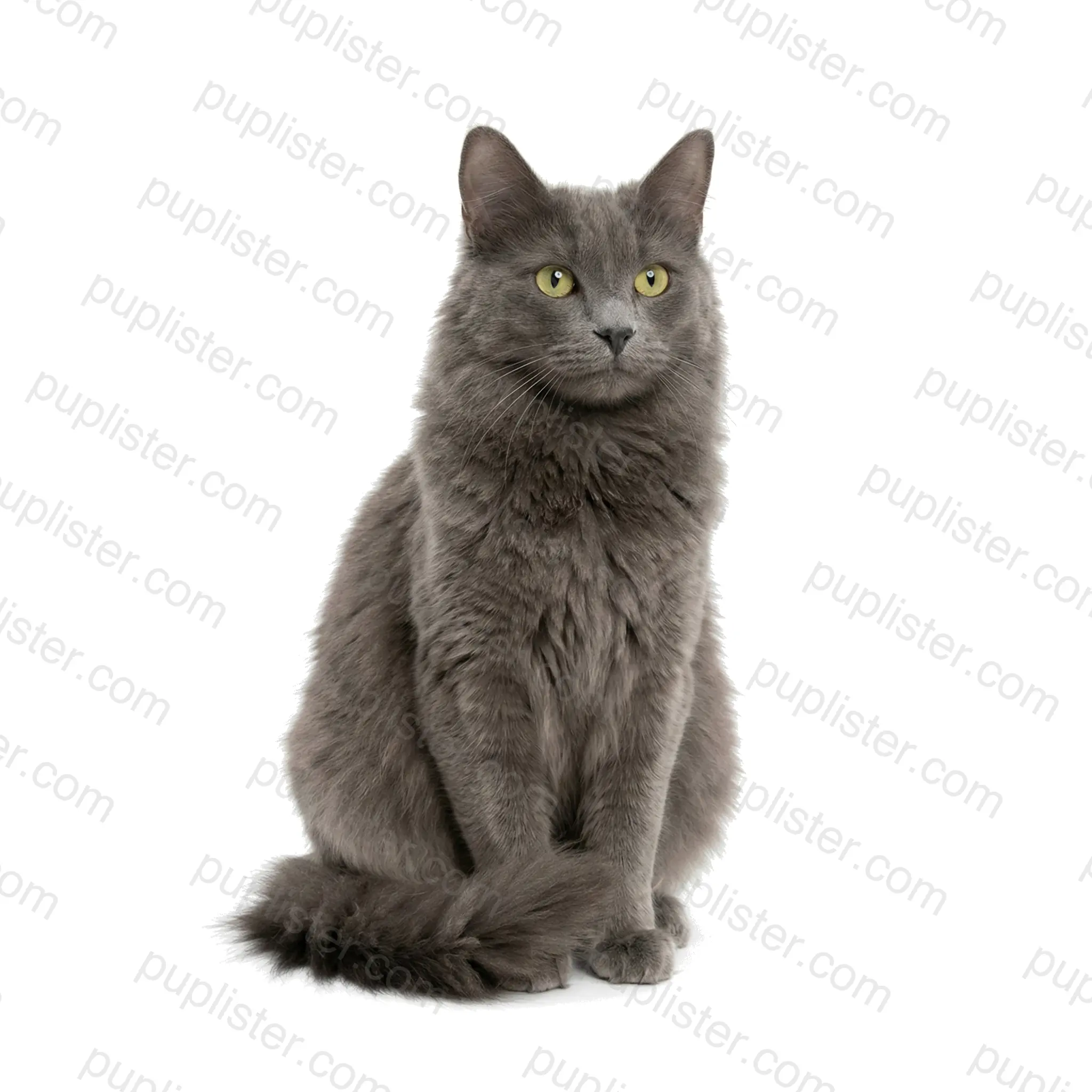
Nebelung
Nebelung Cat

1 pet available

About the Nebelung The Nebelung — German for "creature of the mist" — is a rare, elegant breed developed in the 1980s in the United States from longhaired Russian Blue-type cats. Weighing 7–11 pounds, this medium-sized cat has a long, graceful body, vivid green eyes, and a stunning blue-gray double coat with silver-tipped guard hairs that shimmer in the light. The dense, silky fur forms a noticeable ruff around the neck and plume on the tail.Temperament & PersonalityNebelungs are gentle, reserved cats that form intense bonds with their chosen people but can be shy around strangers. They are creatures of routine — happiest when meals, playtime, and quiet hours follow a predictable schedule. Once comfortable, they are playful and affectionate, often following their favorite person from room to room like a silent blue shadow.ProsStunningly beautiful coat with a distinctive silvery sheenQuiet and calm — ideal for peaceful householdsDeeply loyal and devoted to their familyRelatively healthy breed with few genetic issuesConsExtremely shy with strangers and slow to warm up to new peopleDoes not adapt well to changes in routine or environmentThe long double coat requires regular brushing to prevent tanglesVery rare — difficult to find through adoption or rescueIf a serene, silver-coated companion speaks to your soul, search for Nebelung cats on Puplister and find your misty match.

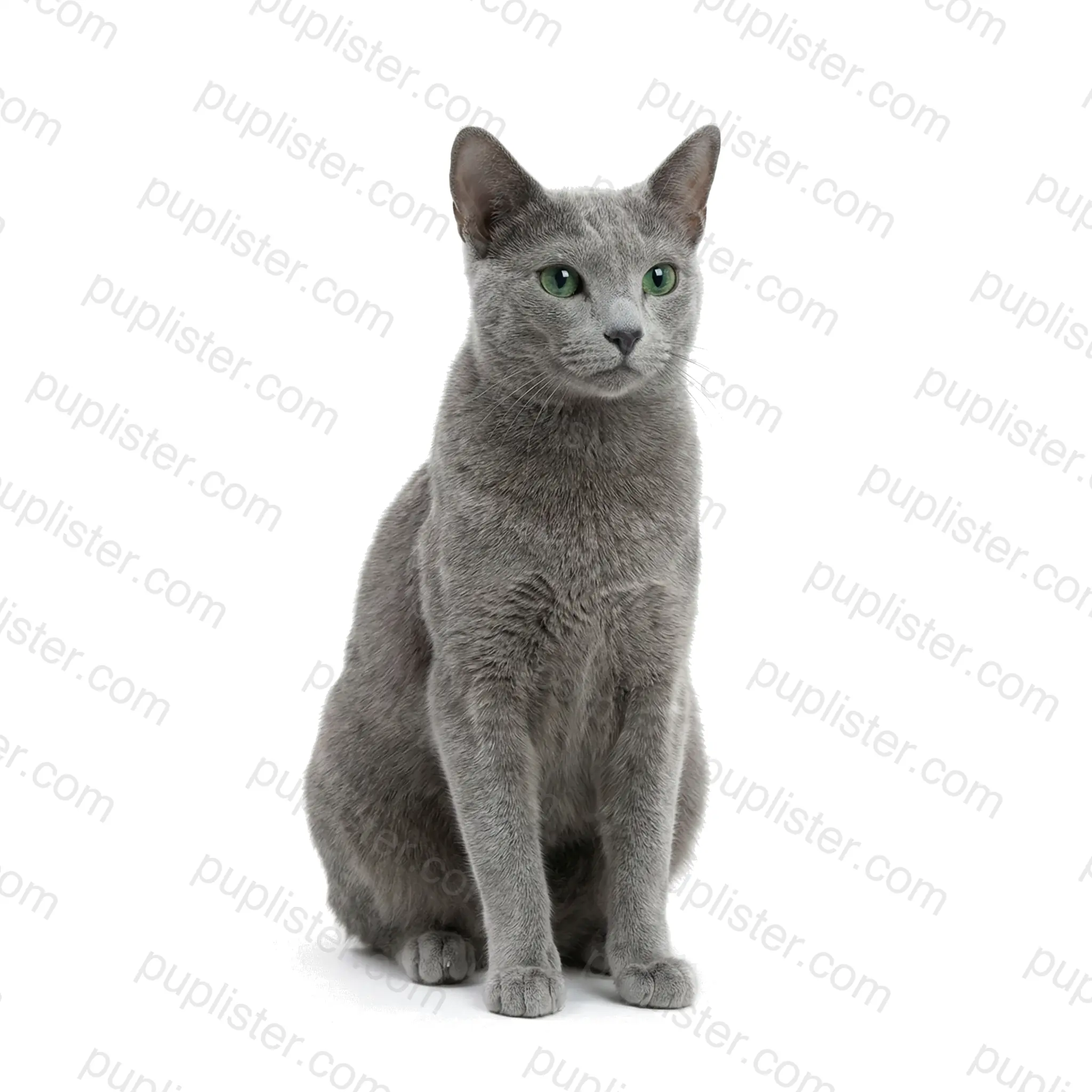
Russian Blue

9 pets available

About the Russian Blue The Russian Blue is a naturally occurring breed believed to have originated in the port city of Arkhangelsk (Archangel) in northern Russia, arriving in Europe aboard trade ships in the 1860s. This medium-sized cat weighs 7–12 pounds and is renowned for its dense, plush double coat of uniform blue-gray with silver-tipped guard hairs that give it a luminous shimmer. Its vivid emerald-green eyes, wedge-shaped head, and enigmatic "Mona Lisa smile" complete an unmistakably elegant look.Temperament & PersonalityRussian Blues are gentle, reserved cats that are intensely loyal to their families yet cautious around strangers. They are creatures of habit who thrive on routine — eating at the same time, playing in the same spots, and sleeping in their preferred perch. Once bonded, they are affectionate and playful, often fetching toys and entertaining themselves with quiet grace.ProsProduces lower levels of the Fel d 1 allergen — better tolerated by some allergy sufferersDense double coat is low-shedding and virtually maintenance-freeQuiet and well-mannered — rarely destructive or excessively vocalLong-lived breed with few genetic health issues — many reach 15–20 yearsConsShy and reserved with strangers — may hide during gatherings or partiesSensitive to change — can become stressed by moves, new pets, or schedule disruptionsProne to overeating and weight gain if food is left out freelyCan be slow to warm up to new family members or housematesCharmed by those emerald eyes and silver-tipped fur? Find Russian Blue cats ready for their forever homes on Puplister.

Related Articles

Frequently Asked Questions

What are the key traits of a Ocicat?
The Ocicat is known for being social, playful, confident and athletic.
How many Ocicats are available for adoption?
There are currently 0 Ocicats available for adoption on Puplister. Browse the listings above to find your perfect match.
How do I adopt a Ocicat from Puplister?
To adopt a Ocicat, browse the available listings on this page, click on a pet you're interested in, and contact the shelter directly through their profile page.