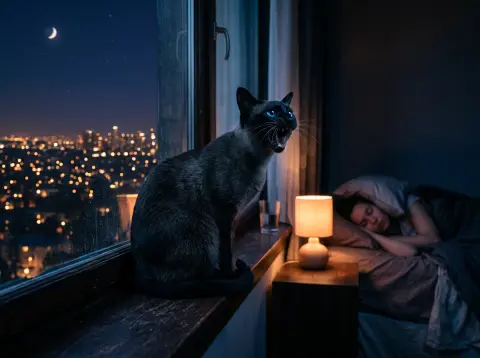
Adopted Cat Meowing All Night: How to Stop It
Adopted cat meowing all night? Discover why it happens, how to create a calm environment, and a realistic timeline to quiet nighttime meows.
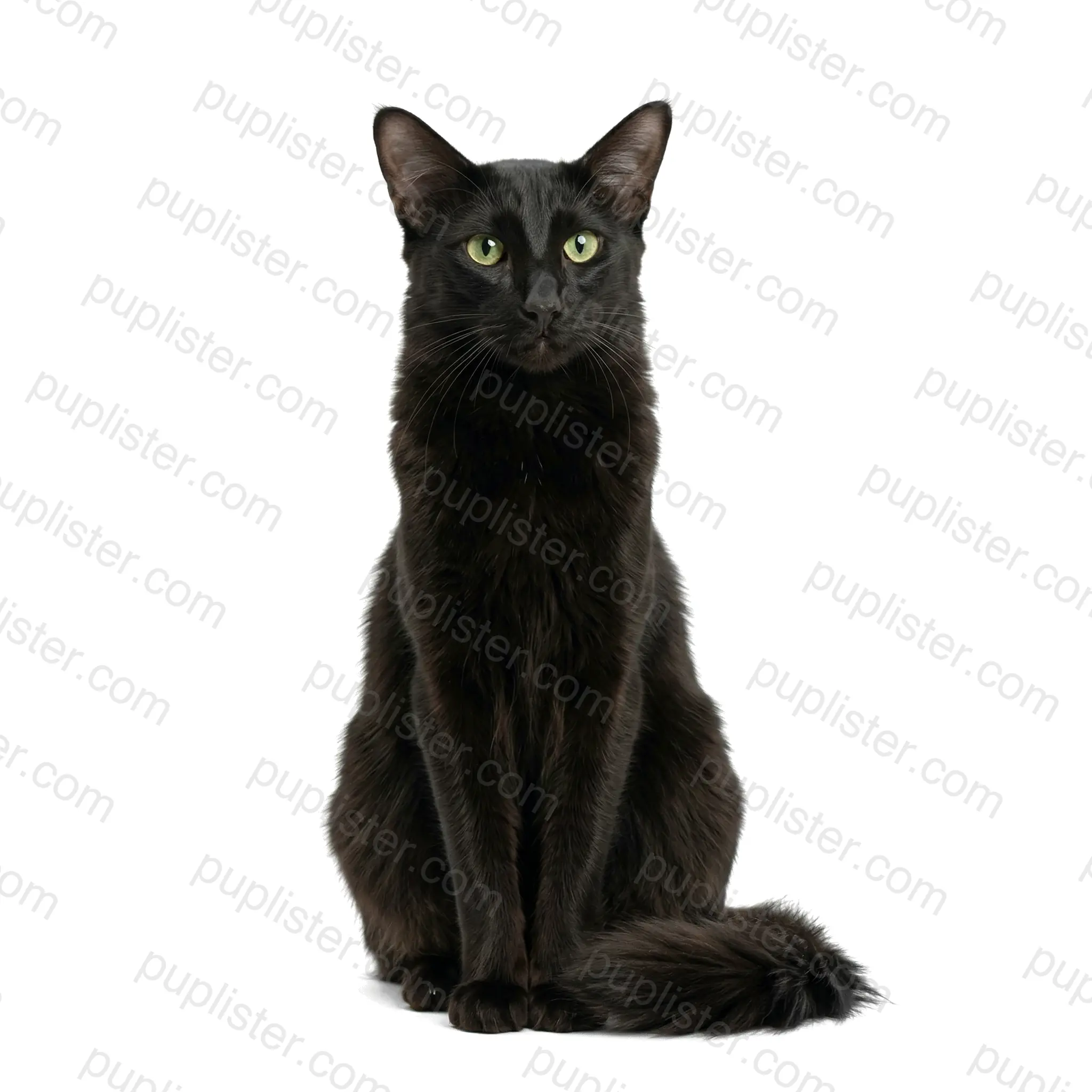
The Oriental Long Hair — sometimes called the Mandarin or Foreign Longhair — is the semi-longhaired sibling of the Oriental Shorthair, sharing the same Siamese body type and enormous personality. Weighing 5–10 pounds, this svelte, tubular cat features large, flared ears, almond-shaped eyes, and a fine, silky coat that lies close to the body with a feathered tail plume. With over 300 recognized color and pattern combinations, the Oriental Long Hair is one of the most diverse breeds visually.
Oriental Long Hairs are intensely people-oriented cats that form deep, almost obsessive bonds with their owners. They are famously vocal — carrying on elaborate conversations in a raspy, demanding voice. Playful and athletic well into old age, they thrive in multi-cat households and do well with children who can match their energy.
Captivated by this elegant, chatty companion? Explore Oriental Long Hair cats available for adoption on Puplister and find your purrfect conversationalist.
Answer 5 quick questions to see how well this breed matches your lifestyle.
Check back soon or browse all cats.
1 pet available
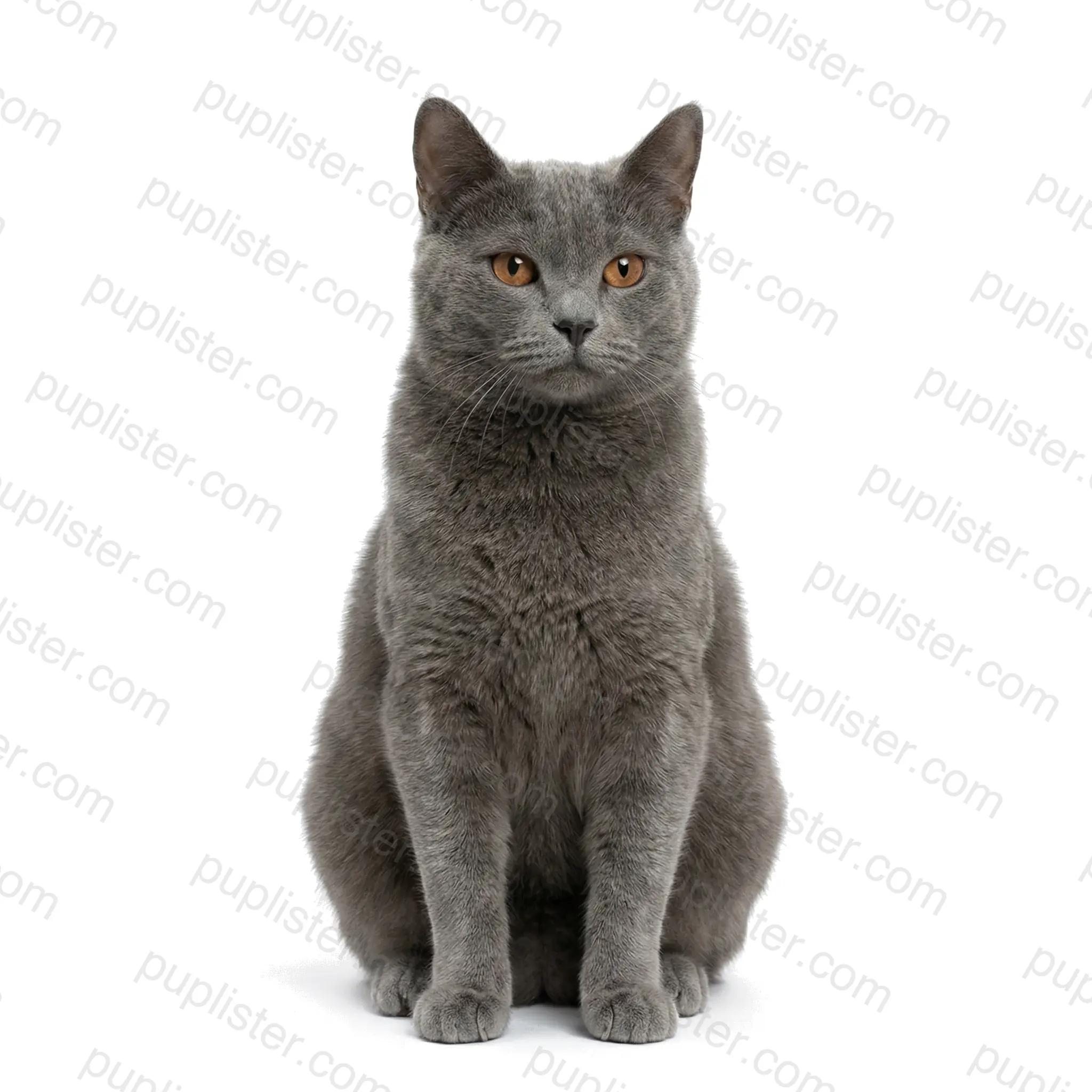
About the Chartreux The Chartreux is a rare French breed with a history stretching back centuries — legend connects them to Carthusian monks, though documentation places them in French literature as early as the 16th century. This medium-to-large breed weighs 7–16 pounds and has a robust, broad-chested build with relatively short, fine-boned legs. Their dense, woolly double coat is exclusively blue-gray with silver tips, and their round face with narrowed muzzle gives the appearance of a perpetual smile. Temperament & Personality Chartreux cats are quiet, observant, and remarkably gentle — they tend to watch activities thoughtfully before engaging. They bond deeply with one person while remaining friendly to other family members, children, and pets. Often called the "smiling cat of France," they are playful in short bursts but generally prefer a calm, peaceful environment. Pros Exceptionally quiet — rarely meows, communicating instead with chirps and trillsHardy, naturally healthy breed with few genetic predispositionsDense woolly coat is surprisingly easy to care for with weekly combingExcellent mouser — retains strong hunting instincts Cons Can be slow to trust and may seem aloof with strangersWoolly coat sheds heavily — especially during spring and fallProne to patellar luxation (dislocating kneecaps) due to fine-boned legsRelatively rare — finding one through adoption can be challenging Enchanted by the mysterious Chartreux? Discover cats looking for forever homes on Puplister.
1 pet available
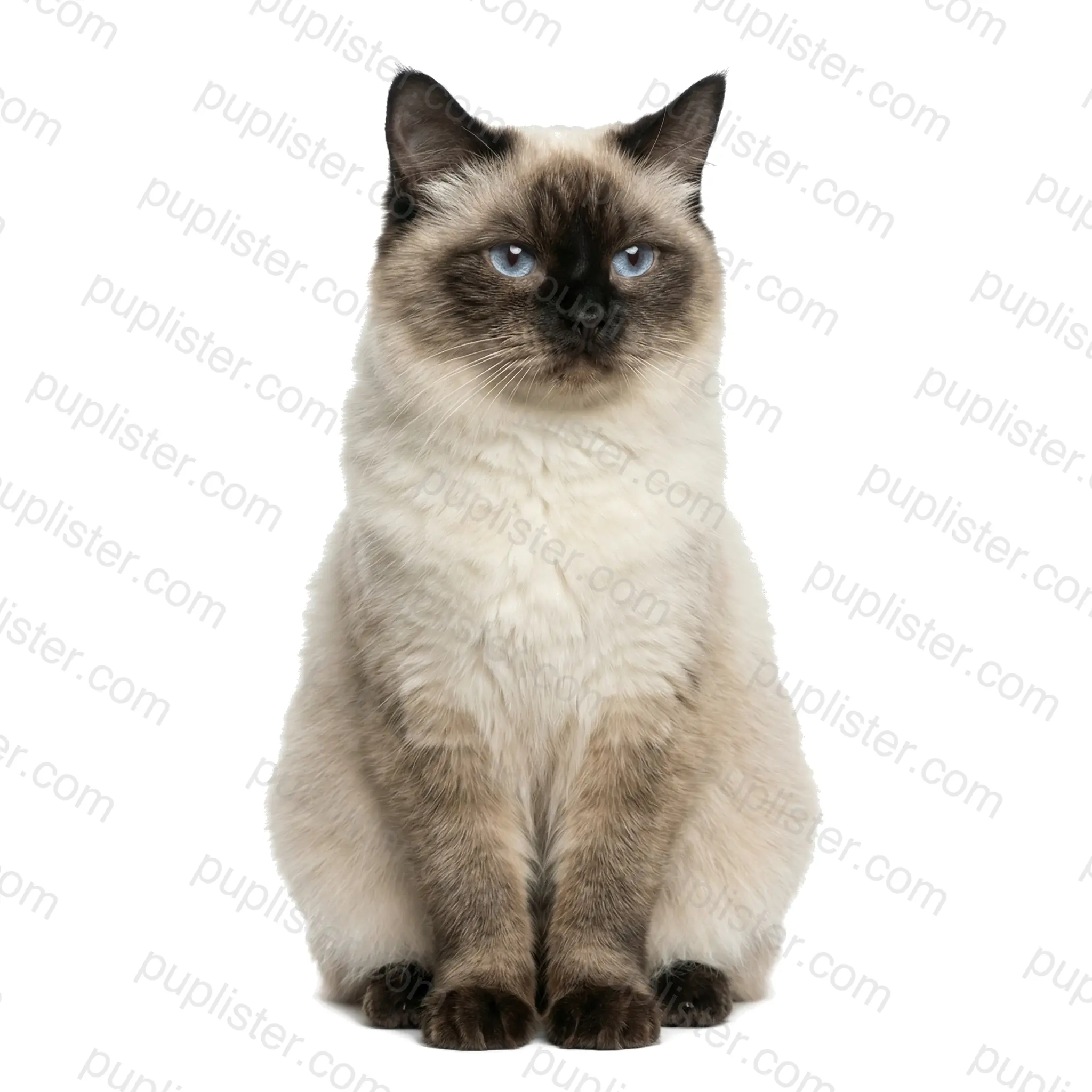
About the Himalayan The Himalayan — known as the Colourpoint Persian in Europe — was developed in the 1930s–1950s by crossing Siamese with Persians to combine the Persian's luxurious coat with Siamese point coloring. This medium-to-large breed weighs 7–14 pounds and has the Persian's flat face, round body, and short legs. Their long, thick, flowing coat comes in all point colors — seal, blue, chocolate, lilac, red, cream, and tortoiseshell — contrasted against a pale cream or white body. Temperament & Personality Himalayans are calm, sweet, and devoted cats that enjoy a serene environment and gentle handling. They are more playful than Persians — thanks to their Siamese heritage — and may enjoy short bursts of activity with a favorite toy. They are patient with well-behaved children and prefer a quiet household, bonding closely with their family while remaining friendly with gentle visitors. Pros Stunningly beautiful — combines Persian elegance with Siamese coloringCalm, gentle personality — ideal for quiet, relaxed householdsDeeply affectionate and loyal to their familyVivid blue eyes inherited from Siamese lineage add to their beauty Cons Coat requires daily grooming — prone to severe matting without consistent careBrachycephalic — prone to breathing difficulties, eye discharge, and dental issuesHigh risk for polycystic kidney disease (PKD) and progressive retinal atrophyHeat-sensitive — must be kept in air-conditioned environments during warm months Ready to pamper a gorgeous Himalayan? Discover cats available for adoption on Puplister today.
3 pets available
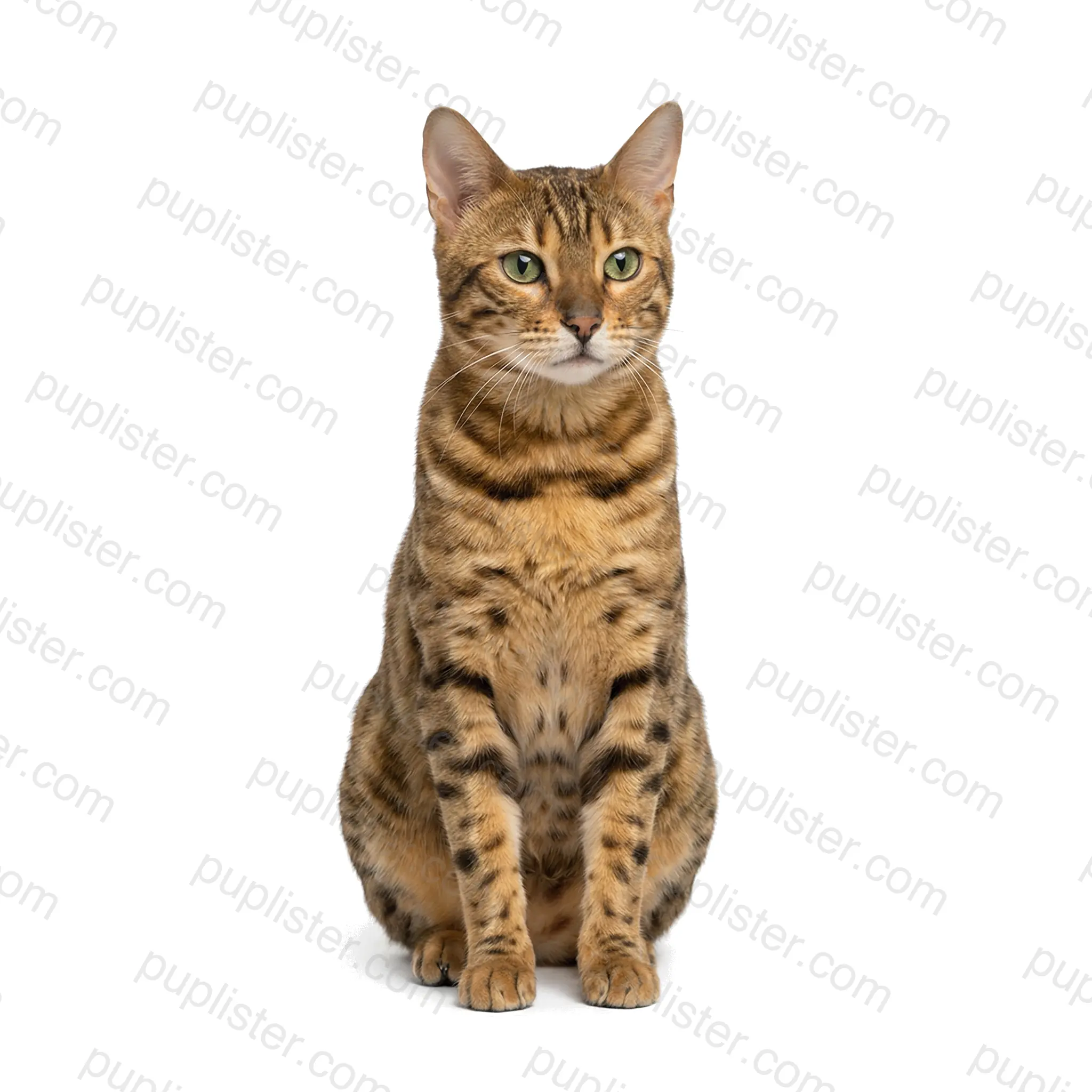
About the Bengal The Bengal was developed in the 1960s–1980s by crossing domestic cats with the Asian leopard cat, creating a breed that looks wild but behaves like a household pet. This medium-to-large breed weighs 8–15 pounds and has a muscular, athletic build with a uniquely glittered coat. Their short, dense fur features bold spotted or marbled patterns in brown, snow, silver, and charcoal — many Bengals have individual hairs tipped with gold that shimmer in the light. Temperament & Personality Bengals are high-energy, intelligent cats that need plenty of physical and mental stimulation to stay happy. They are confident and curious — often fascinated by water and known for playing in sinks, bathtubs, and water bowls. They bond closely with their families and can do well with older children and other active pets, though their intense energy may overwhelm more timid animals. Pros Stunning wild appearance with a uniquely glittered, luxurious coatHighly intelligent — can learn tricks, walk on a leash, and play fetchShort coat is low-maintenance and produces less dander than many breedsLoves water — many Bengals will happily join you near the shower or faucet Cons Extremely high energy — requires extensive daily play and enrichmentCan be destructive if not provided with adequate stimulationVocal breed with a wide range of loud, distinctive soundsProne to hypertrophic cardiomyopathy (HCM) and progressive retinal atrophy (PRA-b) Ready for the adventure of owning a Bengal? Search for adoptable Bengal cats on Puplister today.
1 pet available
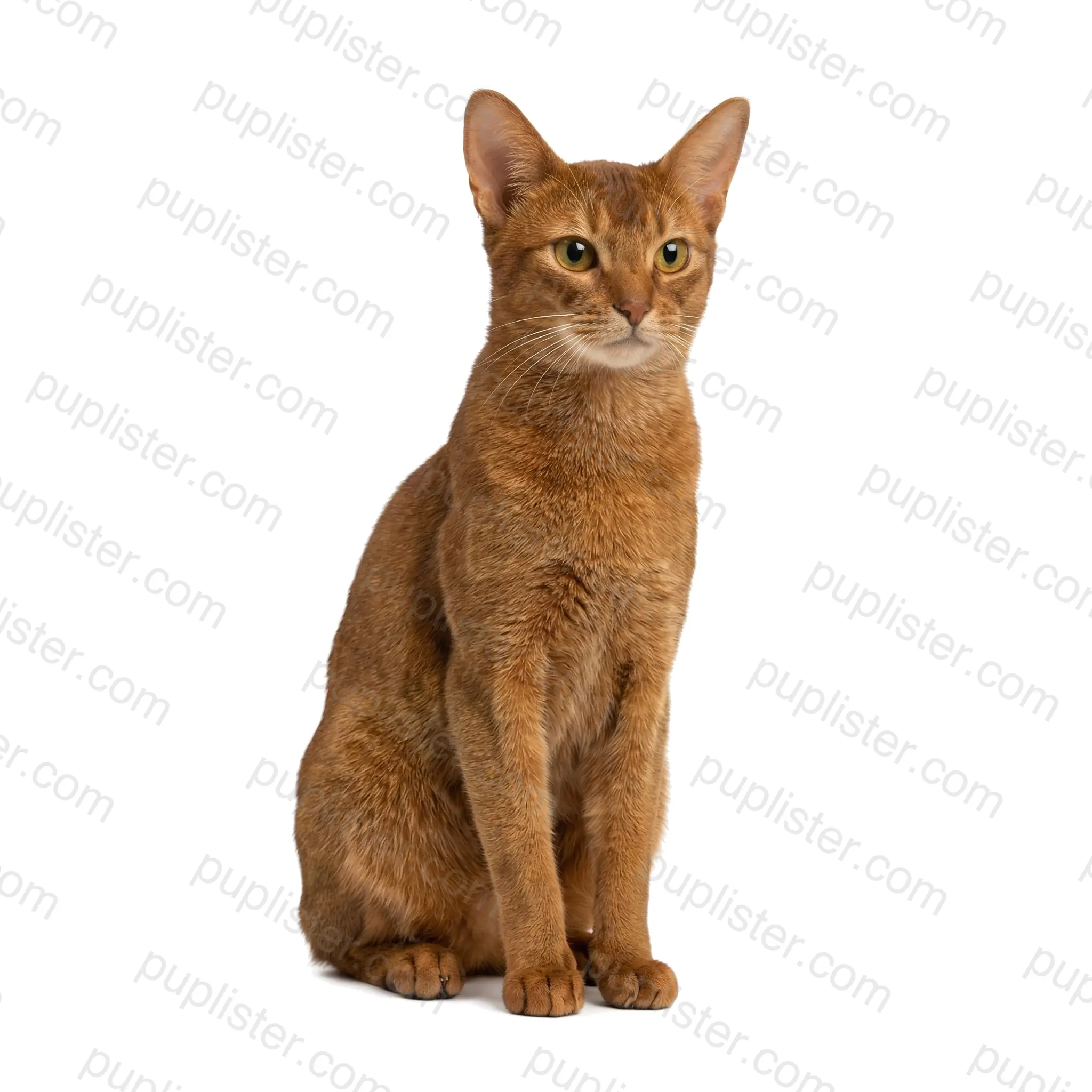
16About the Abyssinian The Abyssinian is one of the oldest known cat breeds — believed to have originated in Southeast Asia or the coast of the Indian Ocean, despite being named after Ethiopia (formerly Abyssinia). This medium-sized cat weighs 6–10 pounds and has a lean, muscular build that reflects its athletic nature. The Abyssinian's distinctive ticked tabby coat comes in warm ruddy, red, blue, and fawn shades, giving each hair multiple bands of color. Temperament & Personality Abyssinians are endlessly curious, highly active cats that love to climb, explore, and supervise every household activity. They form strong bonds with their families and do well with children and other pets, though they prefer interactive play over being a lap cat. Their intelligence and playful energy make them one of the most engaging companion cats. Pros Extremely intelligent and easy to train with clicker methodsLow-maintenance short coat requires minimal groomingHighly social and bonds deeply with all family membersAthletic and entertaining — loves to play fetch and learn tricks Cons Prone to hereditary conditions like pyruvate kinase deficiency and progressive retinal atrophyDemands constant stimulation and can become destructive if boredNot a cuddly lap cat — prefers to be near you rather than on youCan be overly demanding of attention and may vocalize to get it If you're looking for a lively, intelligent feline companion, browse Abyssinian cats available for adoption on Puplister today.
Adopted cat meowing all night? Discover why it happens, how to create a calm environment, and a realistic timeline to quiet nighttime meows.
Is your adopted cat not eating? Learn the causes, from stress to past trauma, and discover practical solutions to get your new feline friend eating again.
Is your new cat hiding and won't come out? It's normal, but proactive steps can help. Learn how to build trust with your shy adopted cat.
Discover how long it takes for a rescue cat to feel at home with our experienced guide, covering the 3-3-3 rule and actionable tips.